The First Two Years: A Critical Window for Cultivating Adventurous Eaters


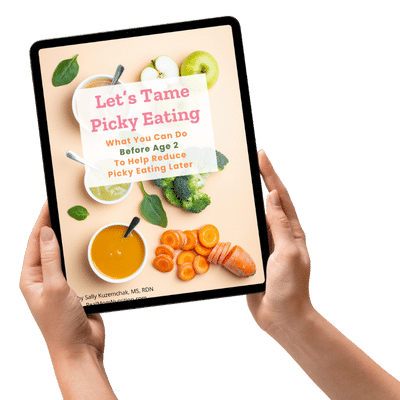
The journey of introducing solid foods to a baby is often met with a mix of excitement and trepidation for parents, particularly concerning the potential for picky eating. While the image of a child exclusively consuming beige, processed foods might be a common parental fear, emerging research and expert insights highlight that the foundational years, specifically from pregnancy through toddlerhood, offer a powerful opportunity to shape a child’s lifelong relationship with food. A registered dietitian and mother of two, who wishes to remain anonymous to maintain a focus on the science, has shared research-backed strategies that underscore the importance of this early period, emphasizing that proactive approaches can significantly influence a child’s palate and foster a more adventurous and healthy eating repertoire.
The critical nature of the first two years of a child’s life cannot be overstated when it comes to developing eating habits. This period is characterized by rapid sensory development and a heightened receptivity to new experiences, including flavors and textures. Scientific understanding now reveals that the "Flavor Window," typically observed between four and eighteen months of age, is a crucial phase where infants are particularly open to a diverse range of tastes. Exposing babies to a wide variety of foods during this sensitive period can lay the groundwork for greater acceptance of new foods later in childhood and even into adulthood.

The Prenatal Influence: Setting the Stage Before Birth
The earliest influences on a child’s taste preferences begin even before birth. During pregnancy, the amniotic fluid surrounding the fetus is permeated with the flavors of the mother’s diet. Research has indicated that these in-utero exposures can shape a baby’s perception of taste. A notable study, for instance, found that infants whose mothers consumed carrot juice during the last trimester of pregnancy or the first two months of breastfeeding demonstrated a greater preference for carrots and exhibited fewer negative facial expressions when tasting them compared to infants whose mothers abstained from carrot juice. This suggests a biological predisposition towards flavors experienced prenatally.
While the ideal scenario involves a pregnant person consuming a diverse and nutritious diet, experts acknowledge the challenges many face, particularly during periods of severe nausea and vomiting. The advice in this regard is aspirational rather than prescriptive, emphasizing that aiming for variety when feasible is the goal, without inducing guilt. The emphasis is on the potential for influence, not on creating undue stress.
The Introduction of Solids: A Foundation for Future Palates
The conventional wisdom of "food before one is just for fun" is being re-evaluated by current research. The way babies are introduced to solid foods plays a significant role in their acceptance or rejection of various foods later on. As babies begin to taste new flavors beyond breast milk or formula, each experience is novel and formative. This period is vital for building familiarity with the tastes of healthy foods. Repeated exposure to a food and its unique flavor profile is key to transforming the unfamiliar into the familiar, and ultimately, the preferred. Studies suggest that a particular food might need to be tasted as many as eight to nine times before a child develops a consistent liking for it. However, parental persistence often wanes after only three to five attempts, underscoring the need for sustained exposure.

Embracing Baby-Led Weaning: Empowering Infant Autonomy
One method gaining traction for its potential benefits in fostering adventurous eaters is baby-led weaning (BLW). This approach allows infants to self-feed "grasp-able" pieces of whole foods. Foods are prepared in sizes large enough for the baby to hold, such as well-cooked sweet potato wedges, large sticks of cooked carrots, soft steamed broccoli florets, ripe fruits like kiwi or banana, wedges of avocado, and even small pieces of cooked meat, eggs, or toast.
A cornerstone of BLW is that the baby is in control of how much and how quickly they eat. This autonomy in feeding can lead to greater acceptance of different textures and flavors. By engaging with a variety of table foods from an early age, babies who practice BLW may develop a stronger preference for these "grown-up" foods, particularly fruits and vegetables, compared to infants exclusively fed purees. This early independence in exploration can translate into a more adventurous palate as they grow.
Navigating Initial Reactions: The Significance of Grimaces and Rejections
Infant reactions to new foods can be complex. A grimace, a common response to bitter flavors, does not necessarily indicate a dislike for the food. Research suggests that this facial expression can occur even while the infant continues to eat and enjoy the food. Therefore, it is crucial for caregivers not to interpret initial grimaces as definitive rejection.

When a baby genuinely refuses a food, the recommended approach is not to cease offering it entirely but to try again on a different day. The principle of repeated exposure remains paramount. Maintaining a log of foods offered and the number of times they have been presented can be a valuable tool for parents to ensure consistent opportunities for their child to develop familiarity and comfort with different tastes and textures.
The Importance of Texture Progression
Sticking to smooth purees for extended periods can hinder a child’s ability to transition to different food textures. Studies have shown that children who were not introduced to lumpy solids until after nine months of age tended to consume a narrower variety of foods and experienced more feeding challenges later in childhood. A gradual progression through textures—from smooth purees to lumpy consistencies, and then to soft finger foods—helps infants become comfortable with the diverse tactile sensations that foods can offer in the mouth. This gradual acclimatization is vital for developing a broad acceptance of different food textures.
The Toddler Years: Consolidating Healthy Habits
The toddler years, typically from age one to three, often mark a peak in picky eating. This phase coincides with a child’s burgeoning sense of independence and their developing opinions, which extend to food choices. During this period, children may consume fewer fruits and vegetables and show an increased preference for sweets. The primary goal for parents during these years is to maintain the healthy habits established in infancy and to remain consistent, even when progress seems slow or non-existent.

Consistent Exposure and Strategic Snacking
A key strategy for toddlers is to consistently serve a fruit and/or vegetable with most meals and snacks. While this does not guarantee consumption, it ensures regular exposure, which is fundamental for building familiarity and, consequently, acceptance. A practical approach involves offering vegetables as a snack in the hour before dinner. This strategy capitalizes on a toddler’s hunger, increasing the likelihood they will try the offered vegetables. Even if they do not eat them at dinner, they have already had an opportunity to engage with them.
The Power of "Backing Off": Releasing the Pressure
One of the most counterintuitive yet impactful findings in feeding research is the ineffectiveness, and potential harm, of pressuring children to eat. Studies have demonstrated that when children are pressured to eat, they tend to consume less food and express more negative sentiments about mealtimes. Similarly, children told that a food is "good for them" often report disliking that food more and consume less of it. A significant percentage of adults who were forced to eat certain foods as children still refuse to eat those foods today, illustrating the long-term negative consequences of coercive feeding practices.
While the instinct to ensure a child’s nutritional intake can be strong, "backing off" is a crucial strategy. Instead of pressure, parents are advised to serve the food and, if pushback occurs, to use phrases like, "You don’t have to eat it." This simple statement can be remarkably effective in removing pressure and fostering a more positive mealtime environment.
Beyond Picky Eating: Identifying When Professional Help is Needed
While some level of picky eating is considered a normal developmental phase, there are indicators that suggest a child may require additional support. These can include a severely restricted diet consisting of only a handful of foods, weight loss or failure to gain weight appropriately, or significant anxiety surrounding mealtimes. If such concerns arise, parents are encouraged to consult with their pediatrician. A pediatrician can provide guidance and referrals to specialists such as feeding therapists or registered dietitians who can offer tailored interventions.
The journey of nurturing a healthy relationship with food is a marathon, not a sprint. By understanding the critical influences of the prenatal period and the early years of life, parents can equip themselves with evidence-based strategies to foster confidence and openness towards a wide spectrum of nutritious foods. The emphasis remains on consistent exposure, respecting a child’s autonomy, and creating positive mealtime experiences, laying the foundation for a lifetime of healthy eating habits.