Mediterranean Bean Salad: A Nutritional Analysis of Meal Prep Trends and Plant-Based Culinary Efficiency

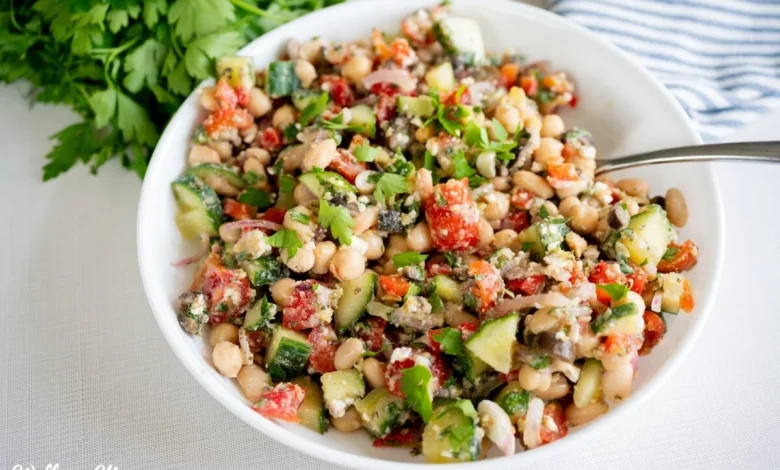
The Mediterranean bean salad has emerged as a cornerstone of modern meal preparation, representing a shift toward nutrient-dense, shelf-stable, and fiber-rich dietary patterns. As consumer demand for convenient, health-conscious nutrition grows, this specific culinary preparation—typically combining legumes, cruciferous vegetables, and Mediterranean-profile aromatics—has garnered significant attention from nutritionists and food scientists alike. Unlike traditional green-leaf salads, which are prone to rapid oxidative degradation and texture loss, the legume-based variant offers a distinct advantage in commercial and domestic meal planning due to its structural integrity and nutrient density over a multi-day holding period.
Nutritional Composition and Dietary Efficacy
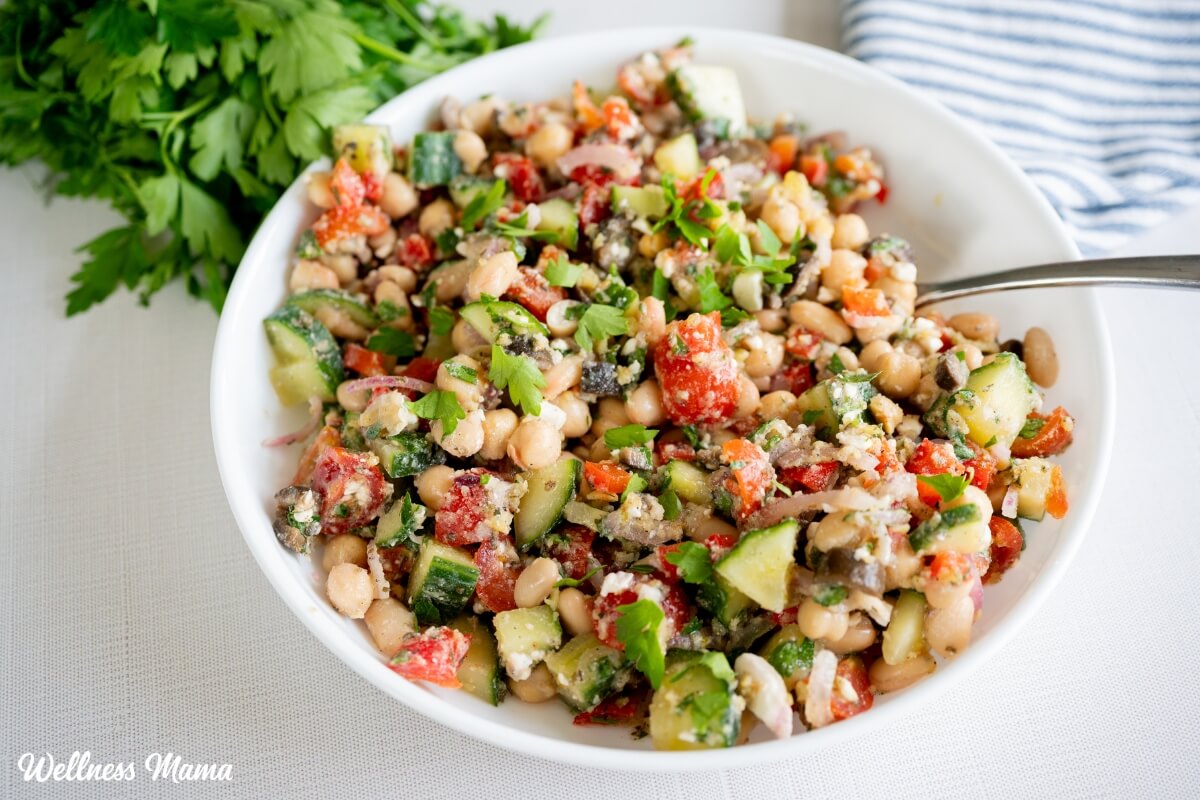
At the core of the Mediterranean bean salad is a symbiotic pairing of chickpeas and cannellini beans. From a nutritional standpoint, this combination provides a comprehensive amino acid profile while delivering significant quantities of dietary fiber. According to the United States Department of Agriculture (USDA) nutrient databases, a standard one-cup serving of this preparation typically yields approximately 8 grams of protein and 6 grams of fiber. This macronutrient distribution is highly regarded for its role in glycemic index management, as the slow-digesting complex carbohydrates in beans assist in maintaining stable blood glucose levels throughout the day.
The lipid profile of the salad is largely defined by the incorporation of high-quality extra virgin olive oil. Monounsaturated fatty acids (MUFAs), specifically oleic acid, form the base of the dressing, providing essential support for cardiovascular health. The integration of lemon juice—a source of citric acid and Vitamin C—functions not only as a flavor catalyst but also as a natural antioxidant, which assists in preserving the color and freshness of the raw vegetable components, such as diced bell peppers, cucumbers, and tomatoes.
The Science of Preservation and Meal Prep Logistics
The increasing adoption of the Mediterranean bean salad in the context of professional meal planning is rooted in the principles of food science. Most conventional salads rely on delicate leafy greens that contain high water content within their cell walls. When exposed to acidic dressings, these greens undergo osmotic stress, leading to a loss of turgor pressure and the subsequent "soggy" texture that limits the viability of pre-prepared meals.
In contrast, the Mediterranean bean salad utilizes a starch-and-fiber matrix that is significantly more resistant to moisture absorption. Research into food shelf life indicates that legumes, when properly prepared and cooled, can maintain structural integrity for 72 to 96 hours when refrigerated at temperatures below 40°F (4°C). The acidity of the lemon-based dressing acts as a mild preservative, inhibiting the growth of certain spoilage microorganisms while simultaneously enhancing the flavor profile through the process of marination. As the beans and vegetables rest in the vinaigrette, the osmotic process allows the herbs—typically oregano, parsley, and mint—to permeate the legumes, resulting in a more uniform flavor profile that often improves 12 to 24 hours after assembly.
Historical Context and Cultural Evolution
The Mediterranean diet, from which this salad draws its inspiration, was formally recognized by UNESCO in 2010 as an Intangible Cultural Heritage. Historically, the dietary patterns of the Mediterranean basin—characterized by high intake of legumes, nuts, olive oil, and fresh produce—have been the subject of extensive longitudinal studies, most notably the Seven Countries Study. These findings suggested that populations adhering to this dietary pattern exhibited lower incidences of chronic metabolic diseases.
The adaptation of these traditional regional ingredients into a portable, "meal-prep" friendly format reflects a broader evolution in Western eating habits. In the mid-20th century, the focus of home cooking was largely centered on immediate consumption. However, the rise of the modern workforce, characterized by long hours and limited kitchen access, has necessitated the development of meals that satisfy strict nutritional requirements while remaining palatable after days of refrigeration. The Mediterranean bean salad acts as an effective bridge between traditional whole-food consumption and the modern requirement for logistical efficiency.
Economic and Environmental Implications
From an economic perspective, the reliance on canned or dry legumes as a protein source offers a distinct cost-efficiency advantage over animal-based proteins. As global food inflation continues to impact household budgets, legumes remain one of the most affordable sources of essential vitamins and minerals, including iron, potassium, and folate.
Furthermore, there is a clear environmental incentive for the widespread adoption of bean-centric meals. Legumes are nitrogen-fixing crops, meaning they require fewer synthetic fertilizers compared to other agricultural commodities. The reduced carbon footprint associated with plant-based protein consumption is a frequent topic in contemporary discussions regarding sustainable food systems. By encouraging the consumption of these ingredients, food planners are effectively aligning individual health goals with broader ecological sustainability objectives.
Comparative Analysis: Leafy Greens vs. Legume-Based Salads
To understand the operational utility of the Mediterranean bean salad, it is necessary to contrast it with the traditional salad bowl.
- Shelf Stability: Leafy green salads typically have a "peak window" of 12 to 24 hours. The Mediterranean bean salad maintains optimal quality for 72 to 96 hours.
- Nutrient Density: While leafy greens are high in micronutrients and water, they are often low in caloric density and protein. The bean salad provides a more satiating balance, making it a standalone meal rather than a supplementary side dish.
- Logistics: The preparation of the bean salad involves simple batch-processing methods—rinsing, chopping, and mixing—which can be completed in approximately 15 minutes, whereas leafy salads often require complex layers and separation of dressings to prevent premature decay.
Practical Implementation and Quality Control
For those looking to integrate this dish into a routine, culinary experts suggest a specific workflow. The "jar method"—incorporating the dressing at the bottom of a container and layering the more robust ingredients (beans) at the base—is an industry-standard technique for preventing excessive softening of the vegetables. By keeping the feta cheese, herbs, and more delicate vegetables like tomatoes separated or placed at the top, the overall texture remains consistent throughout the work week.
Professional chefs also note that the "resting period" is a critical component of flavor development. Letting the mixture sit for at least 15 minutes at room temperature before initial service allows the olive oil to emulsify with the juices from the vegetables, creating a balanced coating. If served cold, allowing the salad to reach room temperature for a few minutes before consumption can also significantly enhance the aromatic properties of the herbs, specifically the mint and oregano, which are often suppressed by cold temperatures.
Broader Impact and Future Outlook
The popularity of the Mediterranean bean salad is emblematic of a larger movement toward "conscious convenience." As consumers move away from processed, high-sodium convenience foods, they are increasingly seeking out "assembly-based" meals. This trend is supported by data from the retail sector, which shows a consistent year-over-year increase in the sales of canned legumes and fresh produce bundles.
Looking forward, the health implications of such dietary choices are significant. Public health initiatives globally have long advocated for increased fiber intake and the reduction of processed fats. By popularizing dishes that are easy to prepare and nutrient-dense, proponents of the Mediterranean dietary model are effectively lowering the barrier to entry for healthy eating. Whether consumed at a desk during a lunch break or served as a foundational side at a large-scale social gathering, the Mediterranean bean salad remains a prime example of how traditional, whole-food principles can be successfully modernized to meet the demands of the 21st century.
In conclusion, the Mediterranean bean salad is more than a simple recipe; it is a sophisticated solution to modern nutritional challenges. By leveraging the shelf stability of legumes, the heart-healthy fats of olive oil, and the high-density micronutrients of fresh Mediterranean produce, this dish offers a scalable, sustainable, and nutritionally robust model for future meal preparation trends. As more individuals move toward these types of nutrient-focused, time-efficient meals, the reliance on high-processed alternatives is likely to diminish, further cementing the role of the humble legume in the global dietary landscape.