Finding Strength and Resilience While Living with Diabetes: A World Diabetes Day Message

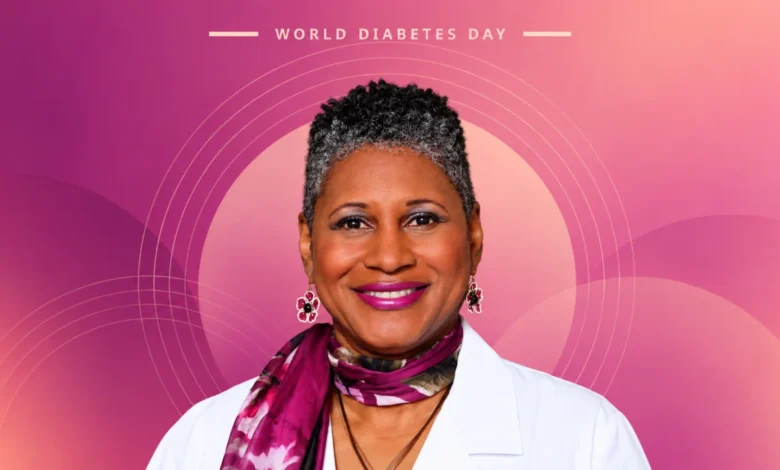
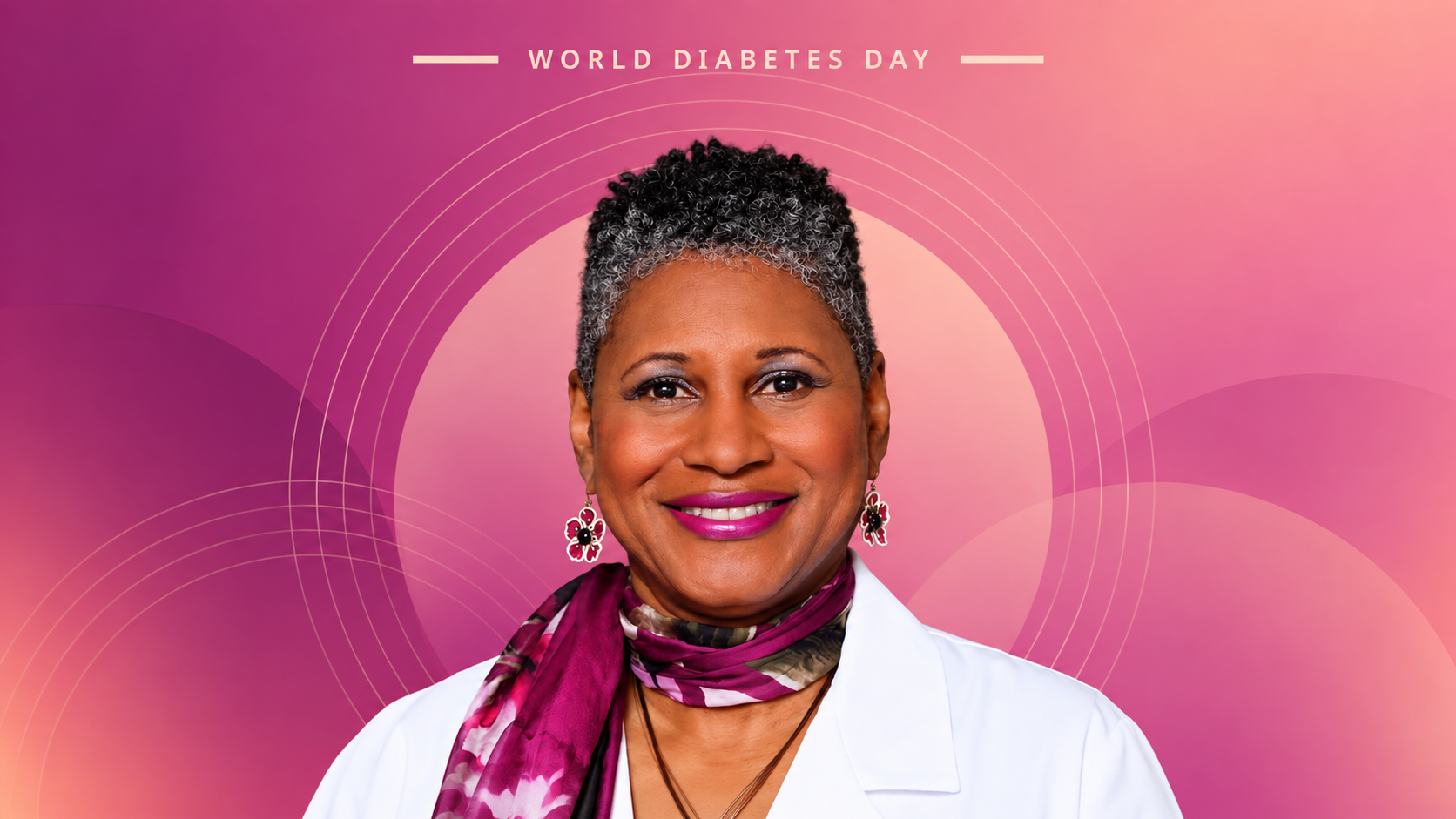
Managing a chronic condition like diabetes requires a constant, nuanced negotiation between medical necessity and daily human experience. For women navigating this reality, the burden often extends beyond glucose monitoring and insulin administration, encompassing the complex emotional and social landscapes that accompany long-term care. In anticipation of World Diabetes Day on November 14, DiabetesSisters has unveiled a specialized digital resource designed to address these psychological dimensions through the S.A.F.E. Resilience Framework, offering a structured approach to emotional endurance for those managing the condition.
The initiative arrives during a critical juncture in global health, aligning with the 2026 World Diabetes Day theme, Early Action on Diabetes. This global campaign, spearheaded by the International Diabetes Federation (IDF), underscores the necessity of early detection and the immediate implementation of robust care strategies to prevent or delay the onset of severe complications. By focusing on the intersection of early medical intervention and the development of psychological fortitude, the new programming seeks to address the "hidden" side of diabetes management: the mental resilience required to sustain proactive health behaviors over a lifetime.
The Evolution of World Diabetes Day and Global Advocacy
World Diabetes Day, held annually on November 14, marks the birthday of Sir Frederick Banting, who co-discovered insulin alongside Charles Best in 1922. Since its inception by the IDF and the World Health Organization (WHO) in 1991, the day has evolved from a commemorative event into a global platform for advocacy. Each year, the campaign addresses a specific facet of the diabetes epidemic—a disease currently affecting over 537 million adults globally, according to the most recent IDF Diabetes Atlas data.
The 2026 theme, Early Action on Diabetes, responds to a stark reality: millions of individuals remain undiagnosed, and many who are diagnosed struggle to access the resources necessary to avoid secondary complications such as cardiovascular disease, neuropathy, and retinopathy. While clinical guidelines focus heavily on A1C levels, time-in-range, and pharmaceutical management, the DiabetesSisters initiative shifts the discourse toward the patient’s internal capacity to manage these demands without succumbing to "diabetes burnout"—a state of physical and emotional exhaustion that often leads to lapses in care.
The S.A.F.E. Resilience Framework: A Structural Approach to Care
Central to the new program is the S.A.F.E. Resilience Framework. This pedagogical tool is designed to provide women with a roadmap for navigating the unpredictability of the disease. The acronym breaks down into four essential pillars:
- Self-Care: Prioritizing the physical and mental health of the caregiver. This is often the most difficult pillar, as many women report putting the needs of their families or professional obligations above their own glycemic management.
- Art and Story: Utilizing narrative therapy to process the diagnosis and the ongoing trauma or frustration that can accompany chronic illness. By externalizing the experience through storytelling, patients often find a sense of community and reduced isolation.
- Faith and Purpose: Identifying a deeper "why" for health maintenance. Whether rooted in religious belief, personal goals, or family commitment, finding an anchor can provide the motivation required to navigate difficult periods, such as pregnancy, menopause, or major life transitions.
- Environments of Love: Cultivating support systems that prioritize empathy over judgment. Research consistently shows that positive social support is one of the strongest predictors of long-term diabetes management success.
By integrating these four elements, the framework seeks to move beyond the transactional nature of medical appointments, fostering a holistic environment where patients feel empowered to advocate for their own well-being.
Examining the Gendered Experience of Diabetes
Data indicates that the experience of diabetes is not uniform across genders. Physiological factors, such as the hormonal fluctuations associated with the menstrual cycle, pregnancy, and menopause, significantly influence insulin sensitivity and glucose variability. Furthermore, women are statistically more likely to be the primary caregivers in their households, which can lead to a phenomenon often termed "caregiver burden," where the management of one’s own chronic illness is deprioritized in favor of family responsibilities.
Clinical psychologists often note that women with diabetes face higher rates of diabetes-related distress and depression compared to their male counterparts. This reality makes the focus on resilience—defined as the ability to recover from setbacks and maintain a sense of purpose—essential. By drawing on historical or metaphorical examples, such as the story of Queen Esther, the program aims to provide participants with relatable narratives that illustrate the power of advocacy, courage, and calculated risk-taking in the face of adversity.
Data and Implications for Long-Term Health
The importance of this psychological component cannot be overstated when viewing the long-term prognosis of the disease. According to the Centers for Disease Control and Prevention (CDC), diabetes management is a 24/7 job that leaves little room for downtime. Failure to manage the psychological aspects of the condition is a primary driver of non-adherence to treatment protocols.
When a patient experiences high levels of distress, the physiological response—including the release of cortisol—can independently contribute to elevated blood glucose levels. Thus, the work being done by organizations like DiabetesSisters to improve emotional outcomes has direct clinical implications. Reducing burnout is, in effect, a medical intervention that can lower long-term healthcare costs and improve patient quality of life.
Perspectives on Proactive Health and Peer Support
While the medical establishment provides the clinical tools for survival, peer support organizations fill the gaps in human connection and experiential learning. The release of this pre-recorded session on November 14 is intended to serve as a digital bridge, allowing women from diverse geographic locations to access high-quality support content that might not be available in their local healthcare environments.

The inclusion of resources such as the "Nourish Me: 30-Day Diabetes Self-Care Challenge" further demonstrates the movement toward actionable, daily-habit-building interventions. These tools are designed to break down the overwhelming task of "managing diabetes" into smaller, achievable goals, thereby preventing the paralysis that can occur when patients feel they have no control over their health outcomes.
Implications for the Future of Diabetes Care
As we look toward the future of diabetes care, the integration of mental health support into the standard care model appears increasingly inevitable. The current shift toward "Early Action" reflects a broader realization that the biological management of diabetes is only half the equation. The other half involves the human spirit—the capacity to remain resilient in the face of a chronic, life-long challenge.
The upcoming launch of the recording on World Diabetes Day represents a significant step in this direction. By formalizing resilience training and providing a structure that is both accessible and scientifically grounded, the initiative offers a roadmap for those currently feeling overwhelmed by the demands of their diagnosis. Whether a patient is newly diagnosed or has been managing the condition for decades, the message remains clear: resilience is not a static trait, but a muscle that can be strengthened through intention, community, and the right set of tools.
For those interested in participating, the release on November 14 serves as a moment of global solidarity. It is an opportunity to reflect on the progress made in diabetes care, acknowledge the persistent challenges that remain, and engage with a community that prioritizes the dignity and empowerment of every woman living with the condition. The transition from a passive recipient of medical care to an active advocate for one’s own health is the true goal of the Early Action on Diabetes movement, and the S.A.F.E. framework stands as a testament to that goal.
As the global health community continues to push for better screening, affordable medication, and equitable access to care, the role of personal agency remains paramount. By choosing to prioritize resilience, women with diabetes are not just managing a condition; they are asserting their right to live full, confident, and healthy lives in spite of the medical obstacles they face. The resources provided by DiabetesSisters this November serve as a vital reminder that while the journey is undoubtedly difficult, it is one that need not be traveled in isolation.