The Ultimate Guide to Baking Homemade Coconut Lime Cupcakes: A Tropical Culinary Masterpiece

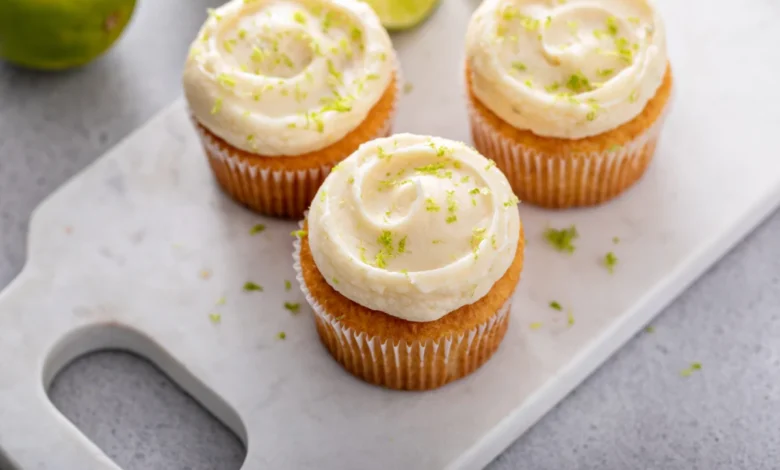
The culinary world has seen a notable resurgence in artisanal baking, with home cooks increasingly seeking out recipes that balance complex flavor profiles without requiring professional-grade equipment. Among the most popular seasonal confections gaining traction across North American kitchens are homemade coconut lime cupcakes. Combining the rich, dense moisture of tropical coconut with the sharp, acidic brightness of fresh citrus, this dessert has become a staple for spring celebrations, summer gatherings, and domestic baking competitions. Confectionery experts and food science researchers attribute the enduring appeal of this flavor combination to the way citrus acid cuts through the natural fats of dairy and coconut, creating a harmonious and refreshing sensory experience.
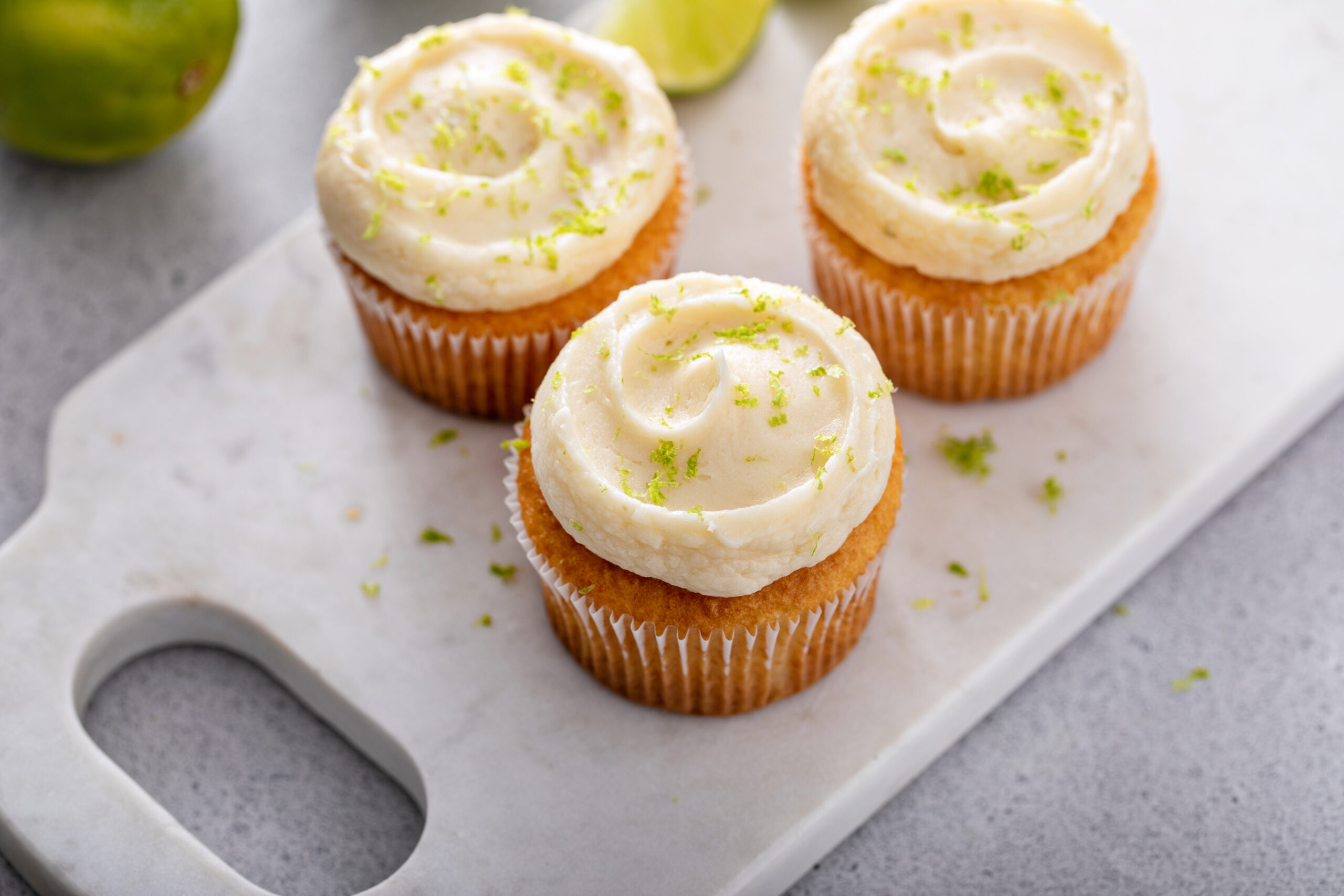
The evolution of citrus-infused baked goods traces its roots back to traditional Caribbean and coastal American cuisines, where indigenous ingredients like fresh limes and coconut milk were routinely incorporated into staple pastries. Over the past century, commercial bakeries popularized the key lime pie and coconut cake paradigms, eventually inspiring home bakers to merge the two concepts into single-serving formats. The modern iteration of the coconut lime cupcake—characterized by a light sponge, shredded coconut integration, and a rich lime buttercream—represents a synthesis of classic baking science and contemporary flavor trends. Culinary historians note that the widespread availability of canned full-fat coconut milk and micro-zesting tools in domestic households over the last two decades has democratized recipes that were once exclusive to high-end patisseries.
Achieving the ideal texture and flavor profile in these cupcakes relies heavily on strict adherence to baking chemistry and precise ingredient handling. Professional pastry chefs emphasize that the foundation of a successful batch begins with room-temperature ingredients. When butter, eggs, and canned coconut milk are allowed to sit at ambient temperature for approximately 30 minutes prior to mixing, they form a uniform emulsion that traps air effectively during the creaming stage. This air expansion, driven by chemical leaveners in the oven, results in the desired soft and fluffy crumb structure. Furthermore, culinary technicians caution against the common error of overmixing the batter once the flour is introduced. Excessive gluten development can quickly transform a tender sponge into a dense and chewy product. Similarly, accurate flour measurement—achieved by fluffing, spooning, and leveling rather than scooping directly from the bag—prevents excess density that often plagues home-baked goods.
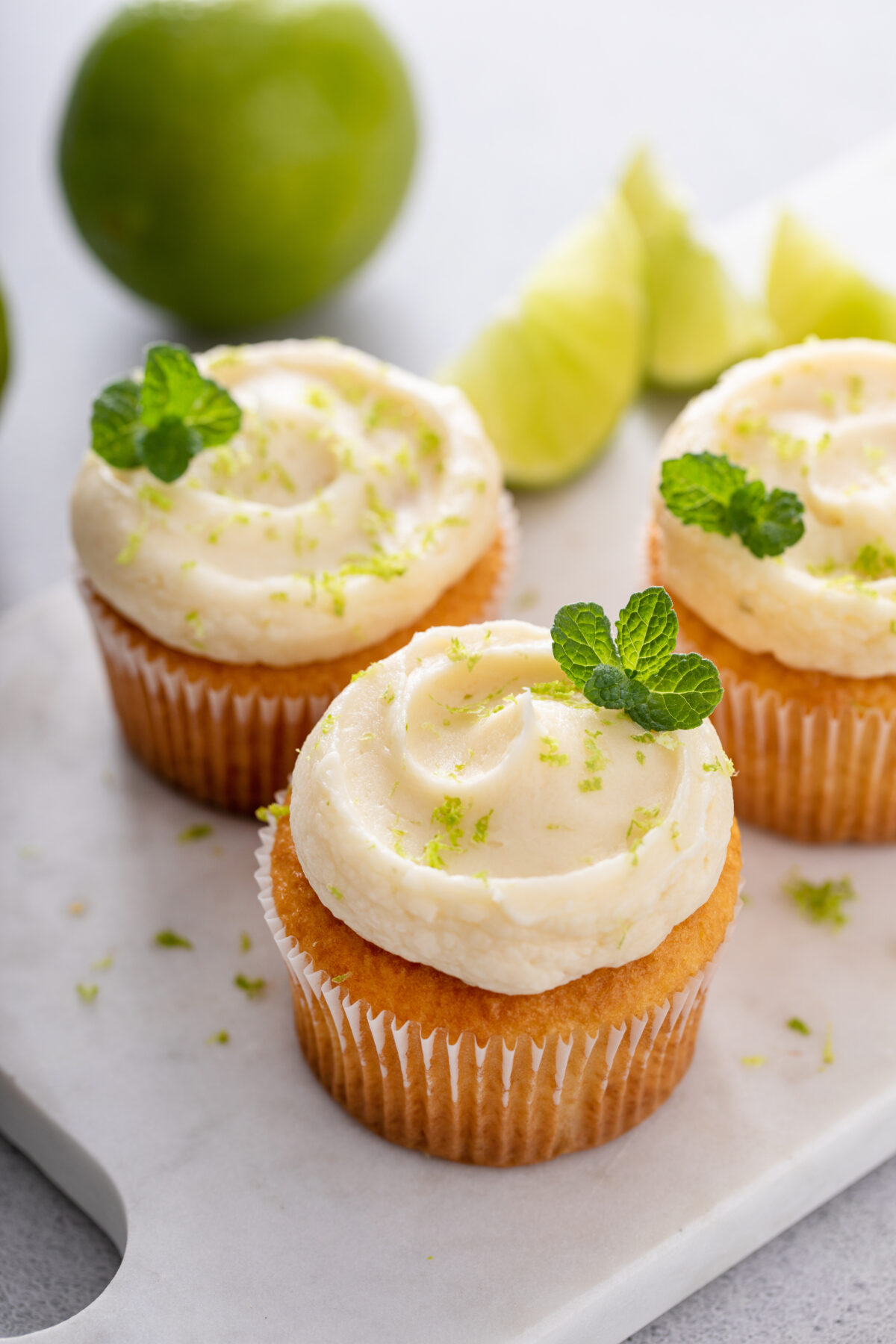
The integration of coconut flavor requires a multi-layered approach to ensure depth without artificial heaviness. Standard dairy milk is routinely replaced in professional formulas by canned, full-fat coconut milk. Unlike refrigerated coconut beverage alternatives, the canned variety contains a high concentration of natural coconut cream and fats, which impart both richness and authentic flavor to the batter. To complement this, bakers incorporate unsweetened or sweetened shredded coconut directly into the crumb matrix. For those seeking an intensified aromatic profile, a minimal amount of culinary coconut extract can be added, though restraint is advised to prevent a chemical aftertaste.
Simultaneously, the deployment of fresh citrus requires careful technique. Professional bakers underscore the importance of zesting limes prior to juice extraction, targeting exclusively the colored outer flavedo while avoiding the bitter white pith beneath. The essential oils residing within the lime zest provide the primary aromatic punch, while fresh lime juice supplies the necessary acidity to balance the sweetness of the surrounding sugars. When incorporated into a traditional buttercream base—constructed from whipped unsalted butter, sifted powdered sugar, and a touch of coconut milk—the resulting frosting achieves a stable yet airy consistency capable of holding decorative piped peaks.
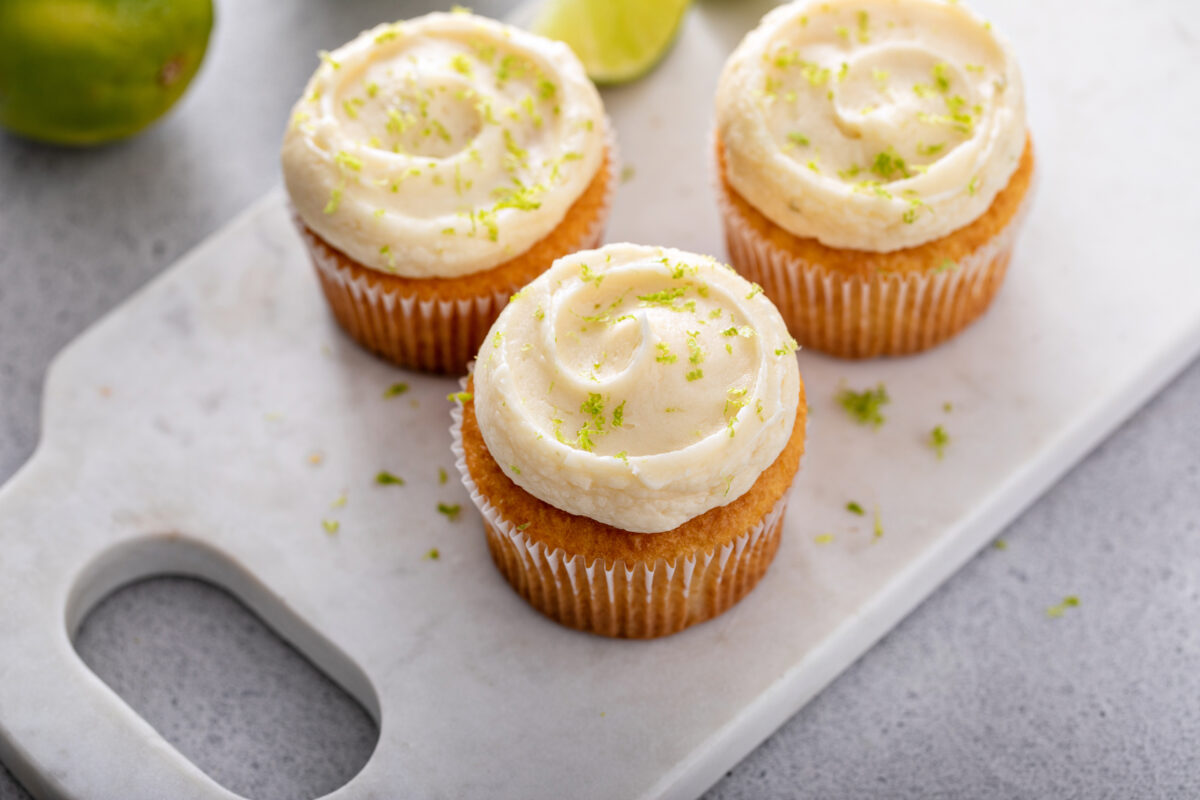
Beyond the baseline preparation, the culinary community has embraced numerous variations to elevate the standard recipe. One popular technique involves coring the center of the baked and cooled cupcake to insert a tart lime curd or a rich coconut pastry cream, offering a surprise textural element upon the first bite. Other adaptations include folding finely chopped, well-drained crushed pineapple into the batter for a piña colada-inspired profile, or substituting the standard buttercream with a tangier lime-infused cream cheese frosting. For decorative enhancement, bakers frequently employ toasted shredded coconut, achieved by baking the flakes at moderate heat for a brief window or tossing them in a dry skillet until golden brown, which introduces a subtle crunch and a toasted nutty aroma.
Nutritional and economic analyses of home baking trends indicate that recipes utilizing fresh produce and pantry staples like coconut and citrus have seen a sustained surge in popularity. Consumer research firms report a 15% year-over-year increase in online searches for scratch-made tropical desserts, driven largely by consumers prioritizing transparency in ingredients and the therapeutic benefits of domestic culinary arts. Food economists point out that relative to pre-made bakery goods, preparing items like coconut lime cupcakes at home offers a cost-effective avenue for entertaining, yielding high perceived value for minimal capital investment in raw materials.
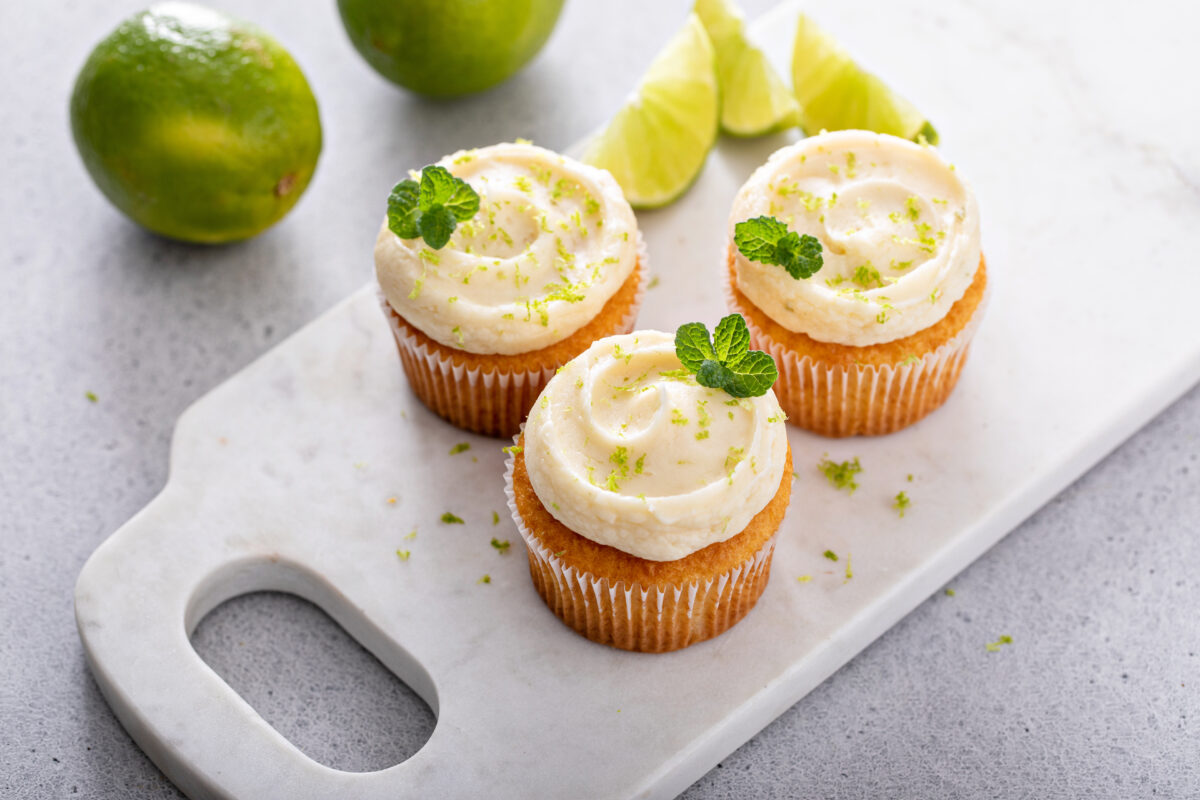
Ultimately, the enduring success of the coconut lime cupcake lies in its versatility and reliability as a baking project. Whether executed by a novice baker following fundamental kitchen protocols or an experienced culinary enthusiast experimenting with curd fillings and toasted garnishes, the recipe bridges the gap between accessible home cooking and artisanal presentation. As consumer interest in diverse, vibrant flavor profiles continues to expand, tropical citrus combinations remain securely anchored at the forefront of modern domestic baking culture.