Choking Hazards for Babies and Toddlers Under 4 Years Old: A Comprehensive Guide to Prevention and Safety

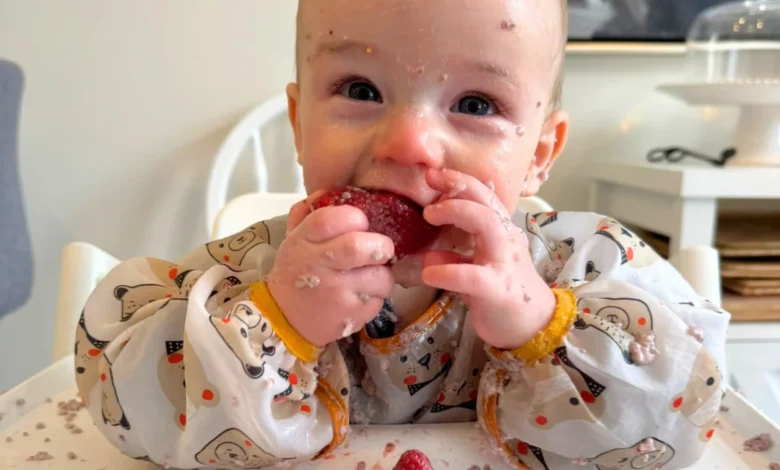
The apprehension surrounding infant and toddler choking is a primary concern for caregivers, often surfacing during the transition to solid foods. Regardless of whether a family opts for traditional spoon-fed purees or baby-led weaning (BLW), the anatomical reality of a developing airway necessitates strict adherence to safety protocols. Medical experts, including Holly Choi, a certified baby and toddler safety specialist and founder of Safe Beginnings, emphasize that while choking is a significant fear, it is a manageable risk when parents are equipped with the correct knowledge regarding food preparation, environment, and emergency response.
Understanding the Mechanics of Choking
Choking occurs when a foreign object, such as food, becomes lodged in the larynx or trachea, effectively obstructing the passage of air to the lungs. Data from pediatric safety organizations indicate that while choking is a common concern—affecting approximately 35% of infants between six and eight months of age—it remains a relatively low statistical cause of mortality, accounting for less than 1% of accidental deaths in children under five.

The physiological development of an infant is critical to their ability to process solids. In the early stages of life, the epiglottis—a flap of cartilage at the base of the tongue—functions to protect the windpipe during swallowing. However, this reflex is not fully mature in newborns and young infants. If a child lacks the coordinated tongue movements necessary to maneuver food, or if they are fatigued during mealtime, the epiglottis may fail to seal the airway properly, leading to potential aspiration.

Debunking Myths: Purees vs. Finger Foods
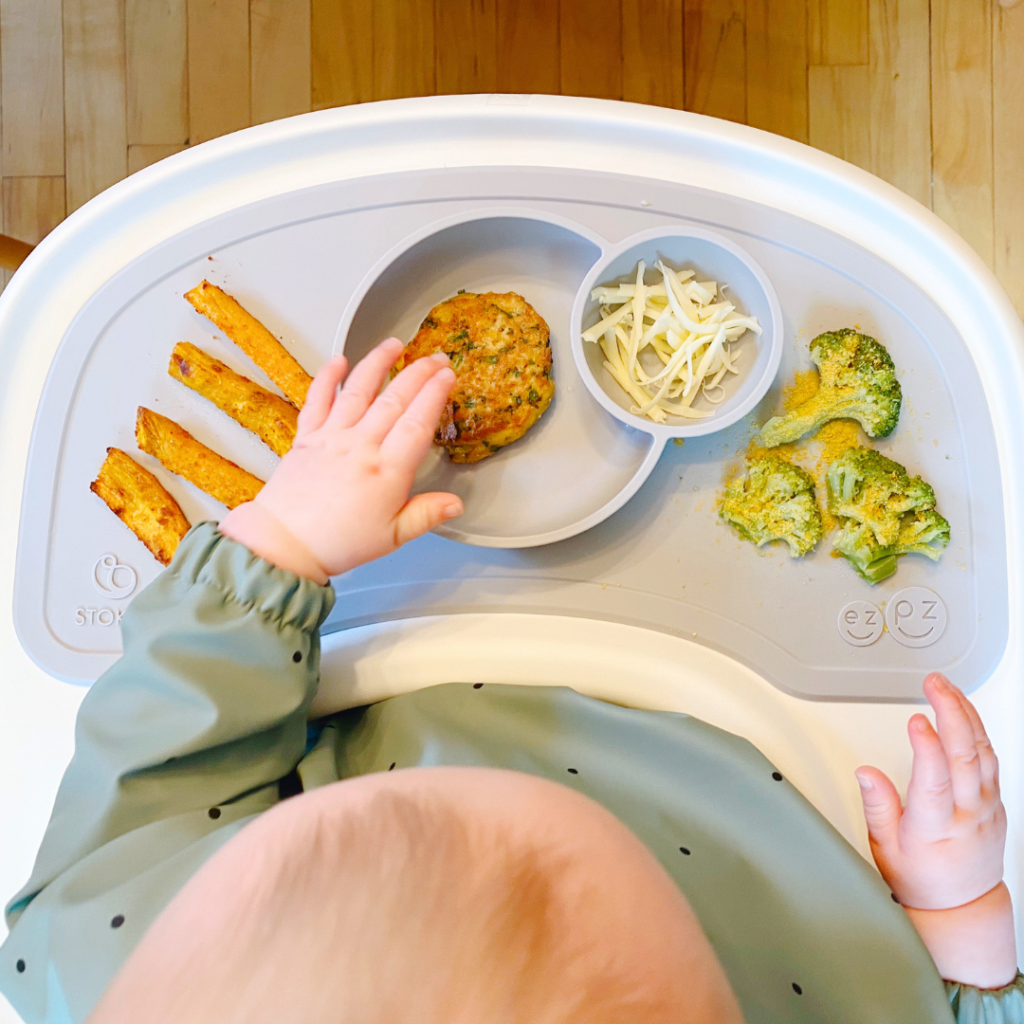
A persistent misconception in pediatric nutrition is that baby-led weaning, which emphasizes self-feeding finger foods, inherently increases the risk of choking compared to spoon-feeding purees. Current research, including studies published in pediatric health journals, suggests that there is no significant difference in choking incidence between the two methods, provided the caregiver has received proper education on safe food preparation.
The danger associated with purees is often underestimated. While the texture is softer, if a child is seated in a reclined position—such as in a bouncer or a car seat—their airway may be compromised. Pediatricians and safety experts universally advise that infants must be seated in an upright, 90-degree position in a secure high chair to facilitate a productive cough reflex. Coughing is an essential, protective mechanism that should not be hindered by an unnatural posture.

Categorizing High-Risk Foods
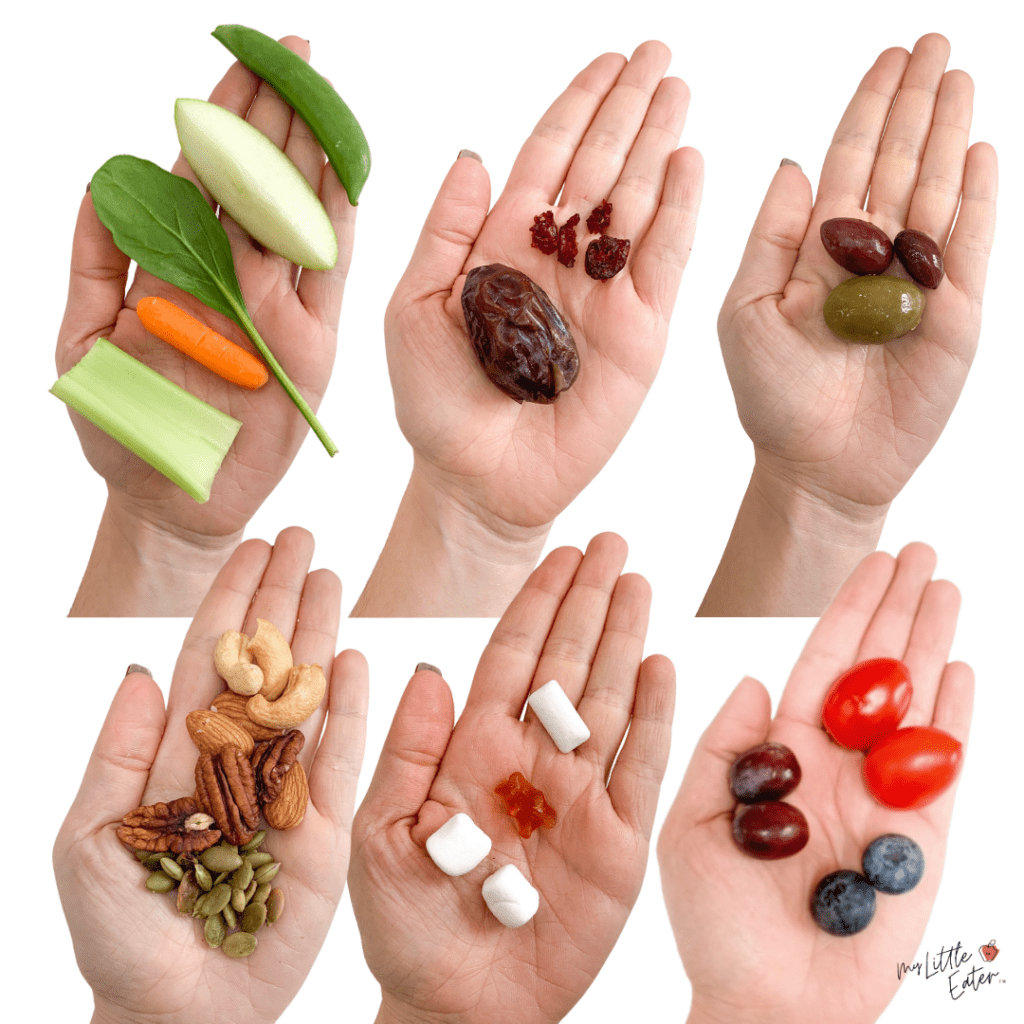
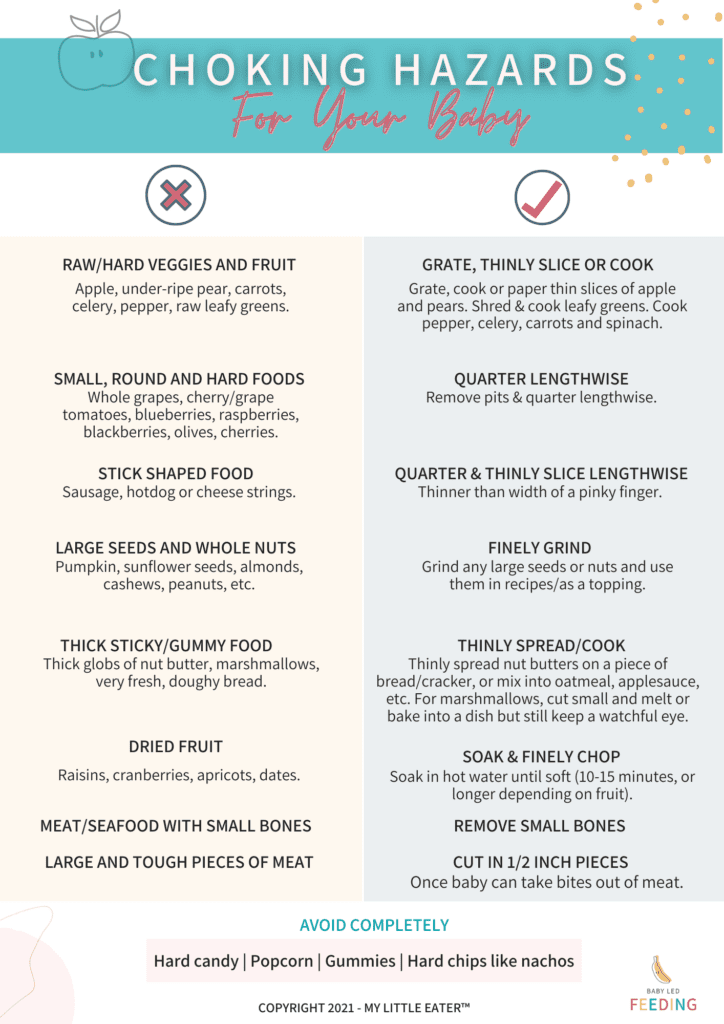
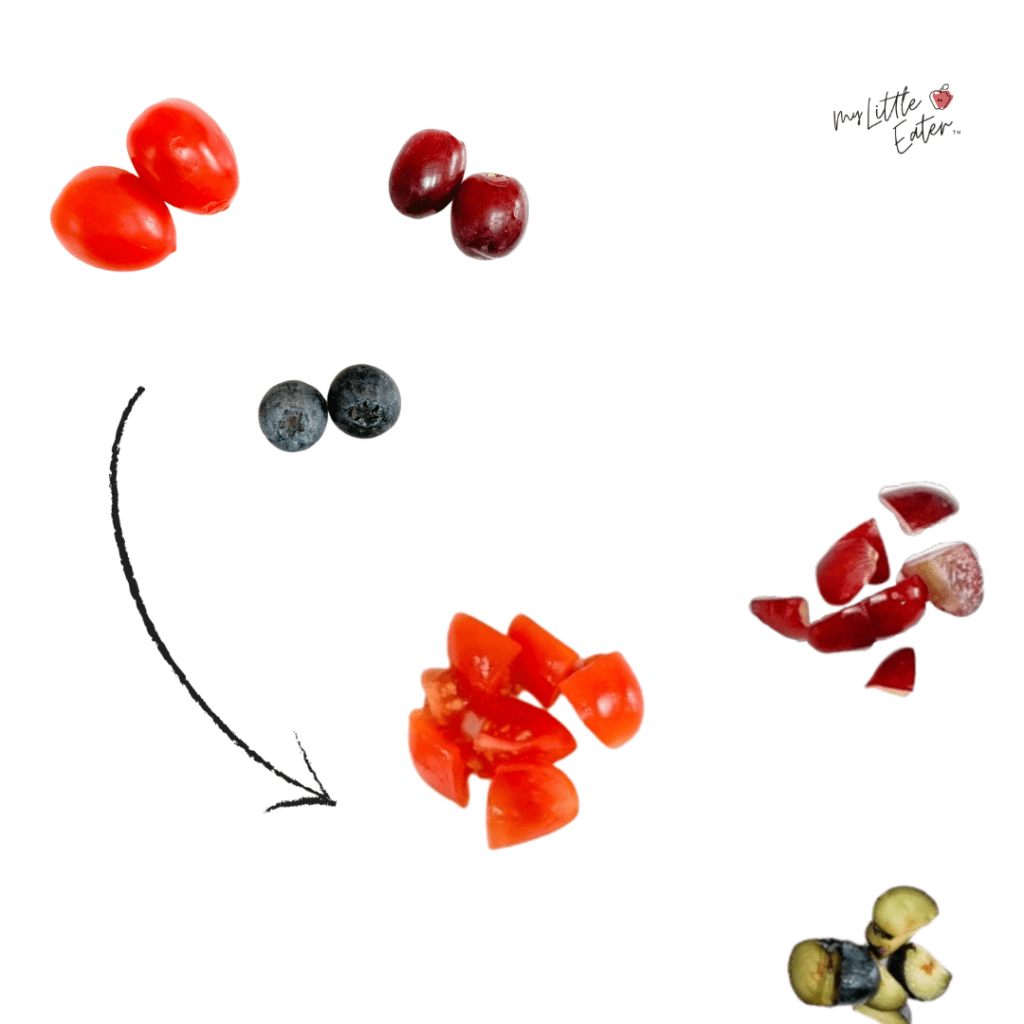
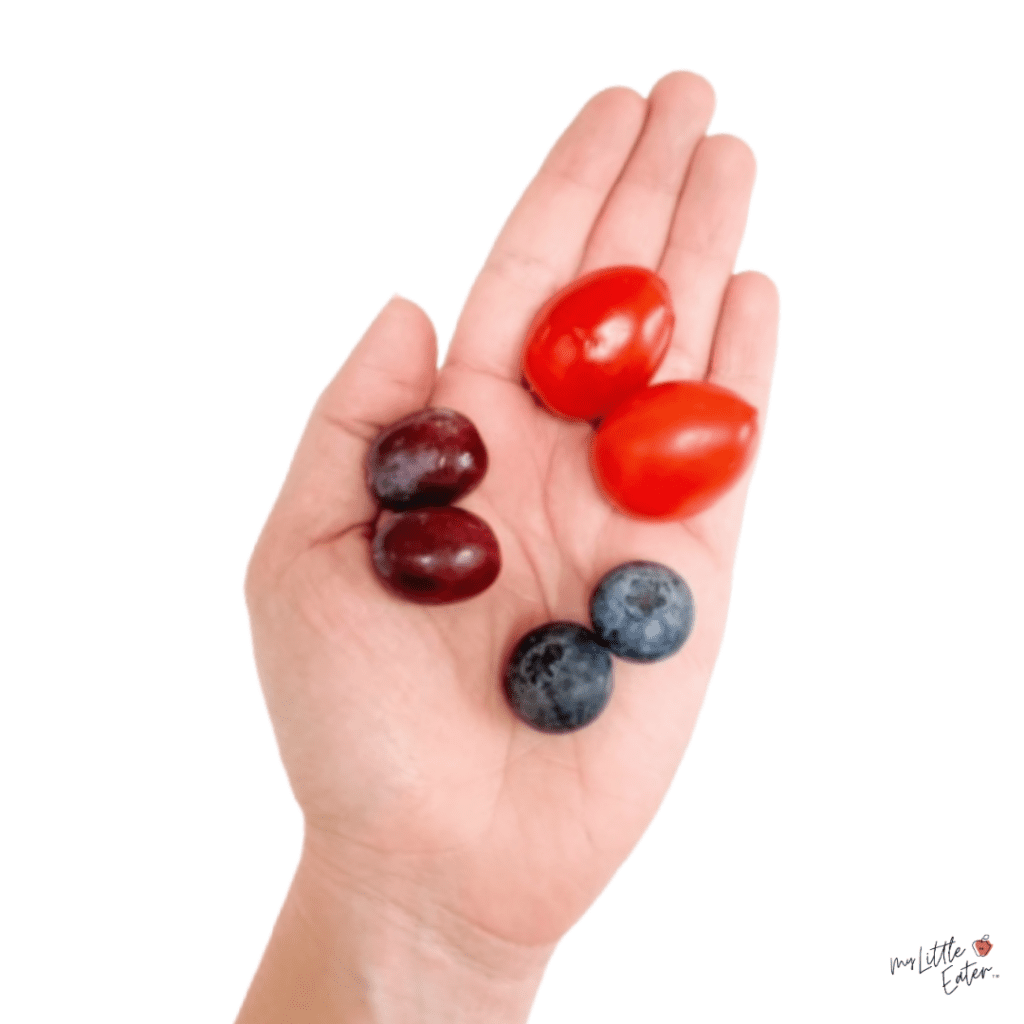
To minimize risks, caregivers must categorize foods based on their texture, shape, and physical properties. The primary rule of thumb is that any food mimicking the diameter of a child’s airway—roughly the size of a drinking straw or a nickel—should be considered a high-risk item.

The following classifications represent the most significant hazards:
1. Firm and Non-Dissolvable Solids
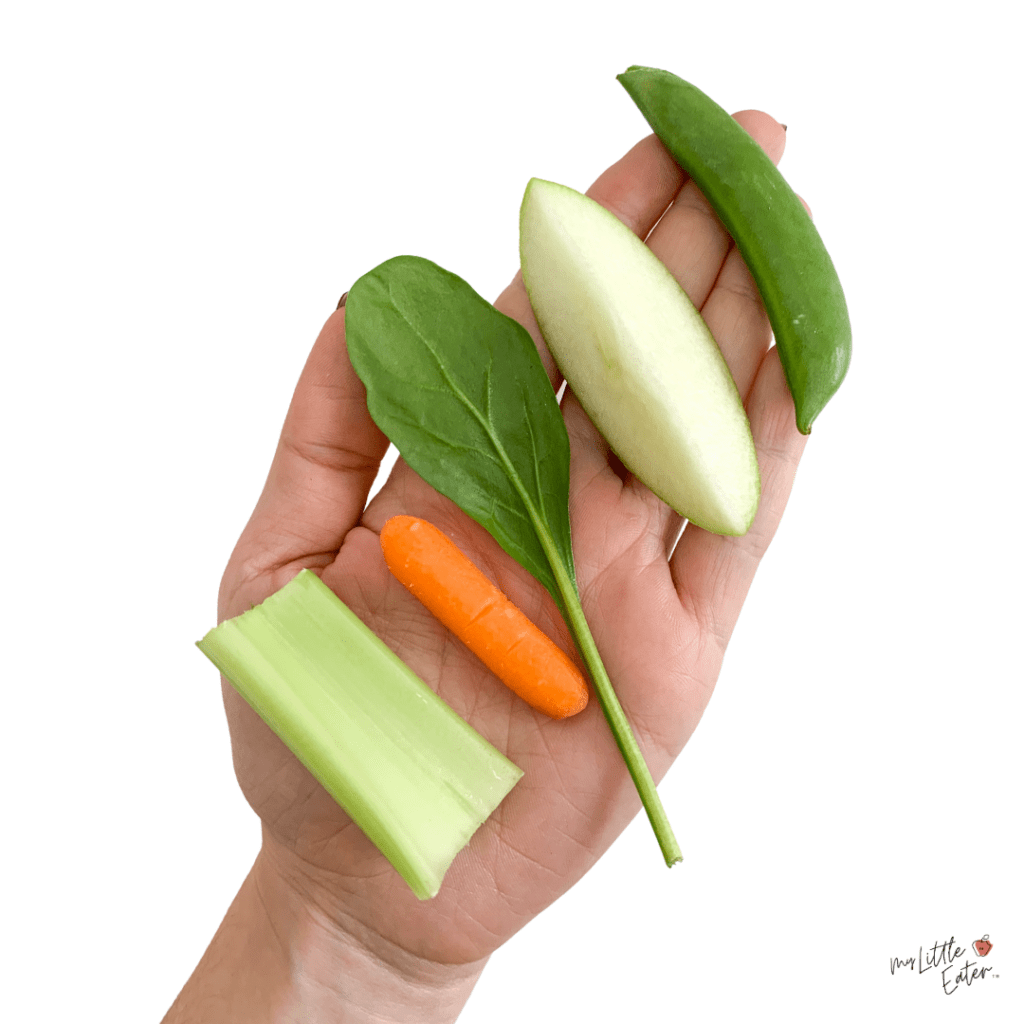
Foods that cannot be easily mashed between the gums or dissolved by saliva pose the greatest threat. Raw apples, whole carrots, and broccoli stems are classic examples. These items require thorough cooking until they reach a soft, squishable consistency before they are safe for consumption.
2. Stick-Shaped Foods
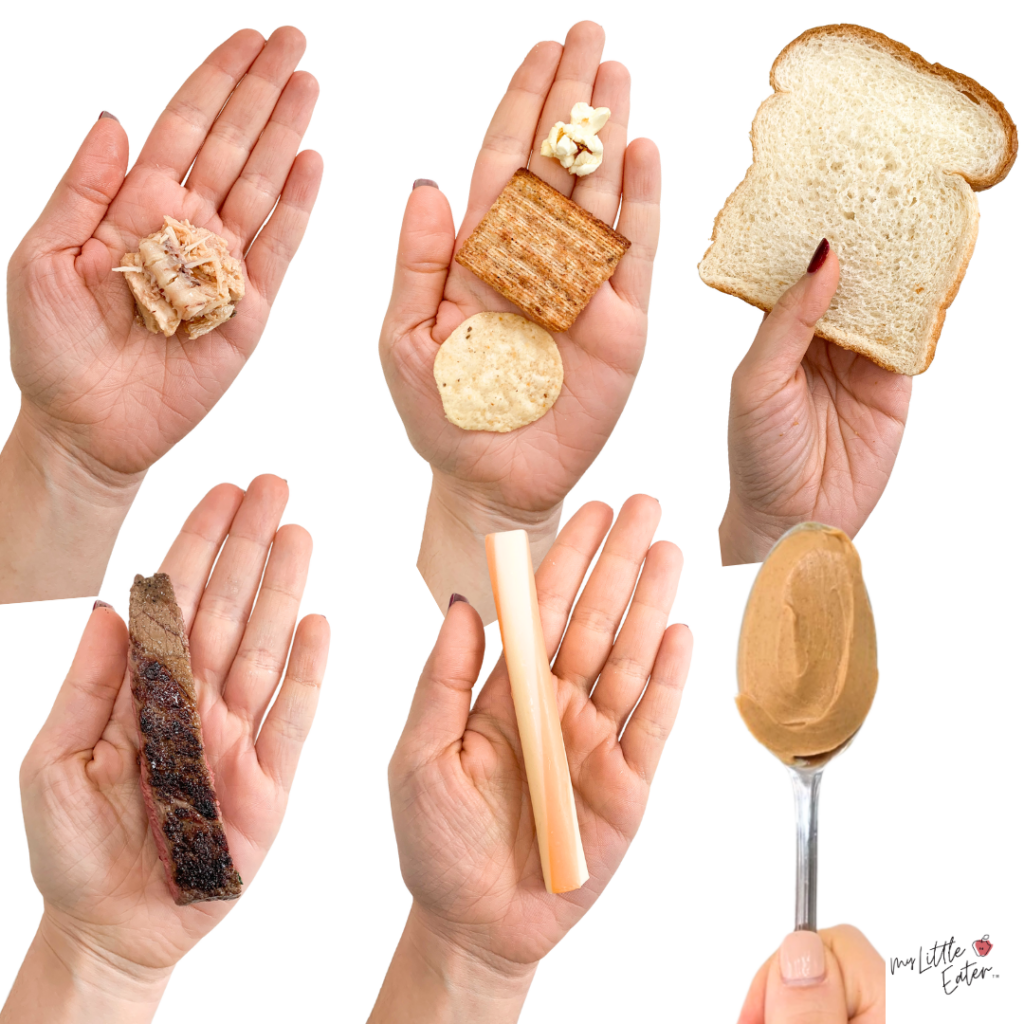
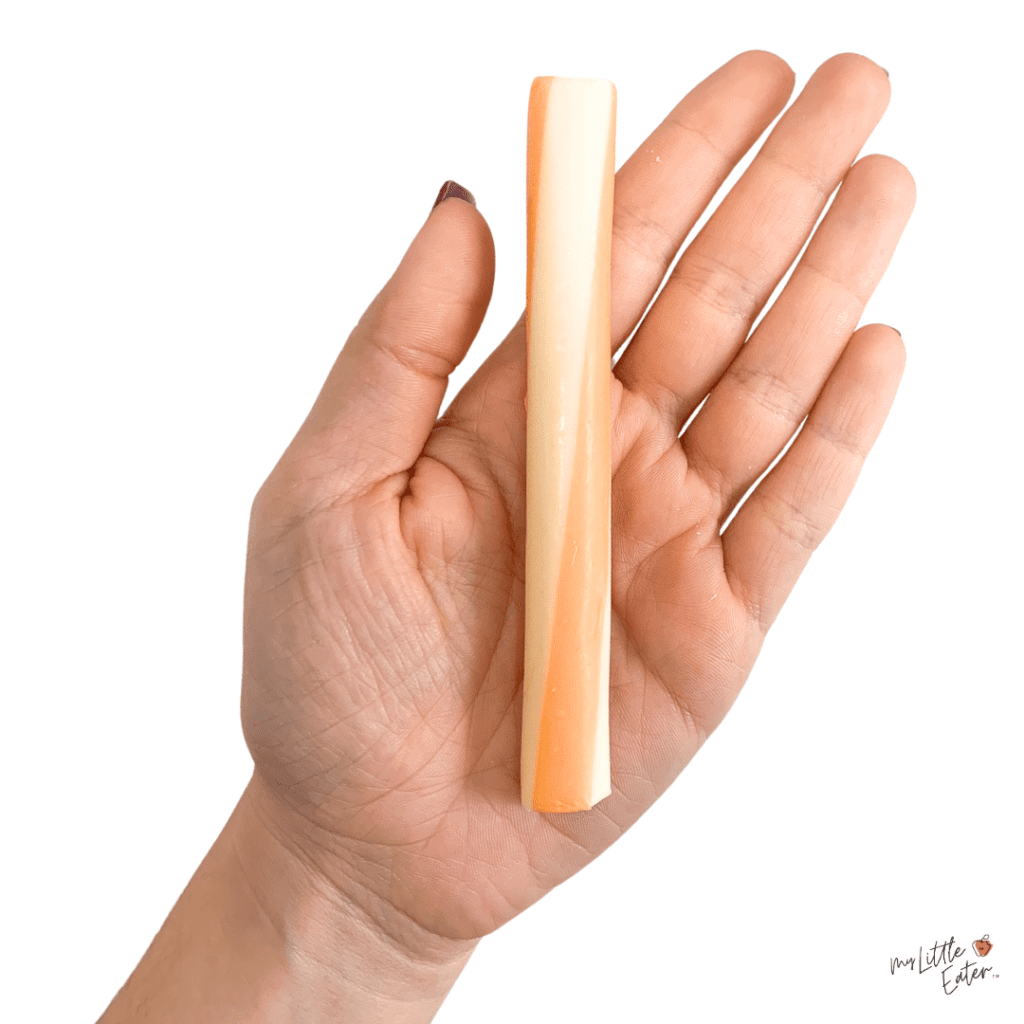
While finger-shaped foods are often recommended for self-feeding, they must be prepared correctly. Hot dogs, for instance, are notoriously dangerous because of their cylindrical shape. When served as a whole link, they are the perfect size to block a child’s airway entirely. These should always be sliced lengthwise into thin strips, never in circular "coin" shapes.
3. Sticky or Gummy Textures
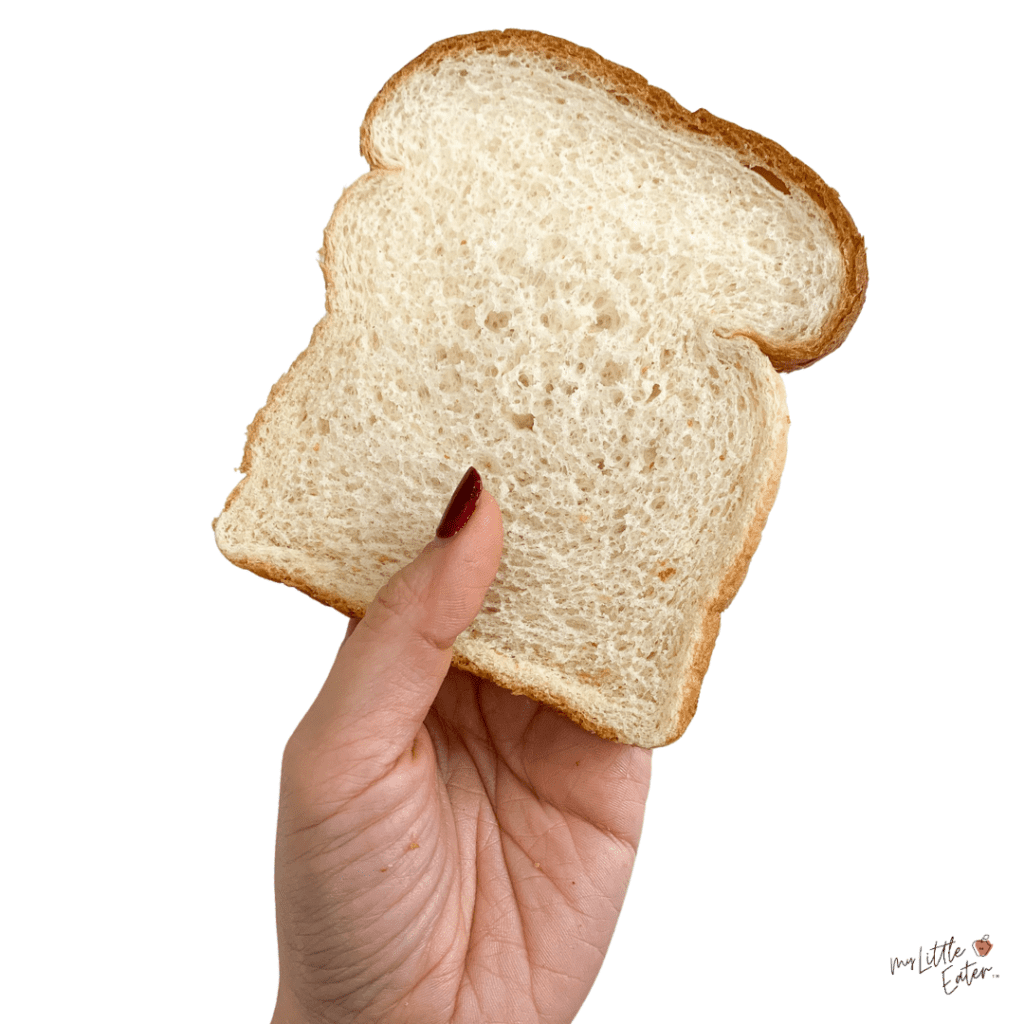
Foods like thick nut butters, whole marshmallows, or gummy candies present a danger because they can glob together in the back of the throat, making them nearly impossible for a child to dislodge. Thick peanut butter should be thinned with water or breast milk and spread thinly on toast rather than offered directly from a spoon.
4. Jagged and Crumbling Foods
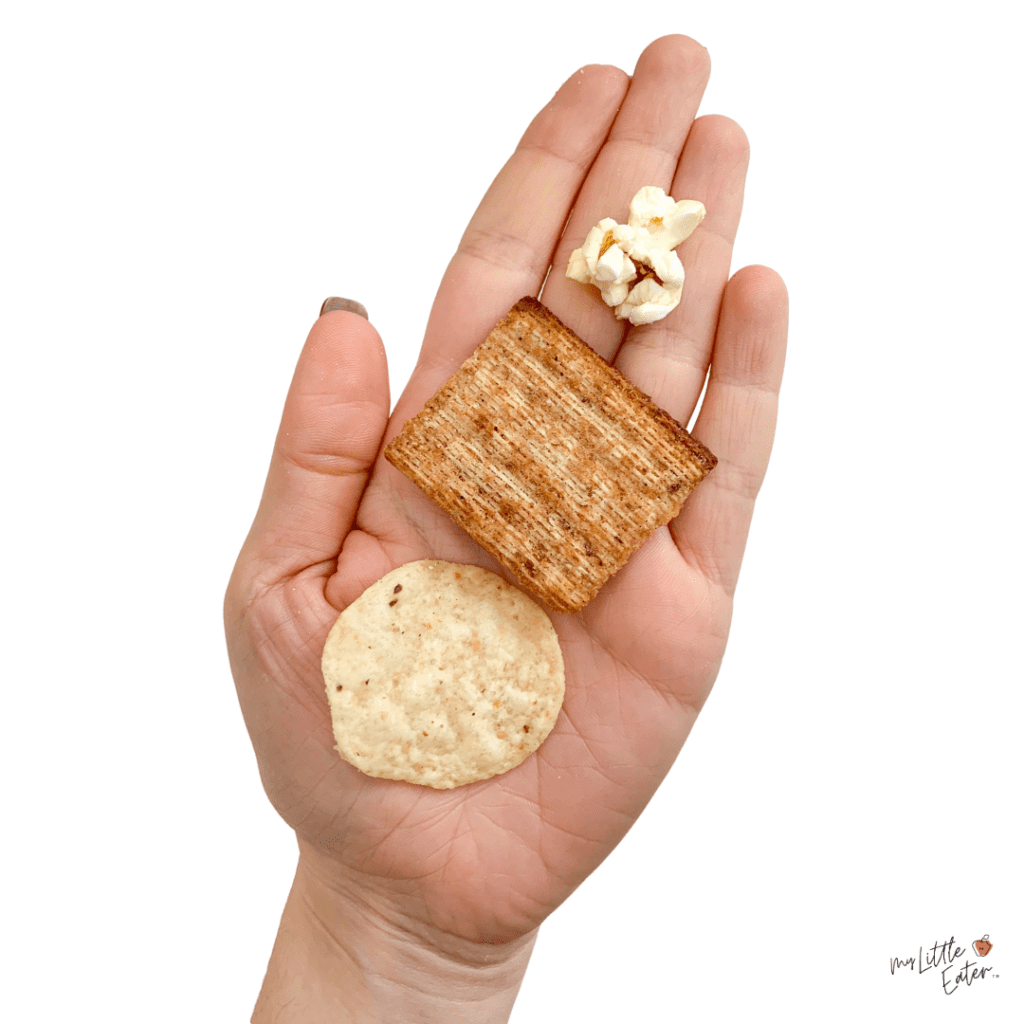
Dry, brittle foods that shatter into sharp, irregular pieces—such as raw nuts, seeds, or popcorn—can cause both choking and aspiration. Aspiration of small, jagged particles can lead to severe inflammation or obstruction deep within the lungs, which may not be immediately obvious, making these items unsuitable for children under the age of four.
The Role of Survivorship Bias
A common hurdle in safety education is "survivorship bias," a phenomenon where caregivers justify risky feeding practices by stating, "I did it with my child, and they turned out fine." While some children may naturally possess more advanced chewing skills or a more robust gag reflex, anecdotal success does not negate the medical reality of choking hazards. Safety guidelines are designed based on the physiological limitations of the general population to prevent the "worst-case scenario." Professionals urge parents to ignore peer pressure from family or friends who may label these precautions as overprotective; rather, they should prioritize the data-driven safety standards that protect the most vulnerable infants.
General Safety Protocols
Beyond food modification, the environment in which a child eats is paramount. The following practices are universally recommended by safety experts:
- Active Supervision: Choking is often silent. A child may not be able to cry or speak when their airway is obstructed. Caregivers should maintain direct eye contact and avoid distractions like mobile phones or household chores during mealtime.
- The "No-Movement" Rule: Children should never eat while walking, running, or riding in a vehicle. Sudden movement or a jolt can force food into the airway. Establishing a habit of sitting at a table is a lifelong lesson in safe eating.
- Modeling Behavior: Toddlers are observational learners. By sitting down and chewing food slowly, parents reinforce the behavior they expect their children to adopt.
- Caregiver Education: Any individual responsible for the child—including grandparents, babysitters, and daycare staff—must be trained to recognize the difference between a gag (a protective, noisy reflex) and a silent, obstructed airway.
The Necessity of First Aid Training
Perhaps the most vital safeguard is the completion of an infant CPR and pediatric first aid course. Knowledge of the Heimlich maneuver and how to clear an obstructed airway can be the difference between a minor incident and a tragedy. Because a choking emergency happens in seconds, there is rarely time to research the correct response.
Many organizations now offer comprehensive bundles that combine nutritional guidance with emergency preparedness training. For parents and guardians, investing in this education is not merely a precautionary step—it is a fundamental responsibility of infant care. By understanding the anatomical and physical risks associated with food, and by preparing for the unexpected, parents can navigate the transition to solid foods with confidence, ensuring a safe and positive experience for their child as they develop their palate and chewing abilities.
Related posts: