The Ultimate Guide to Making Easy Tuscan White Bean Soup with Turkey Sausage and Vegetables

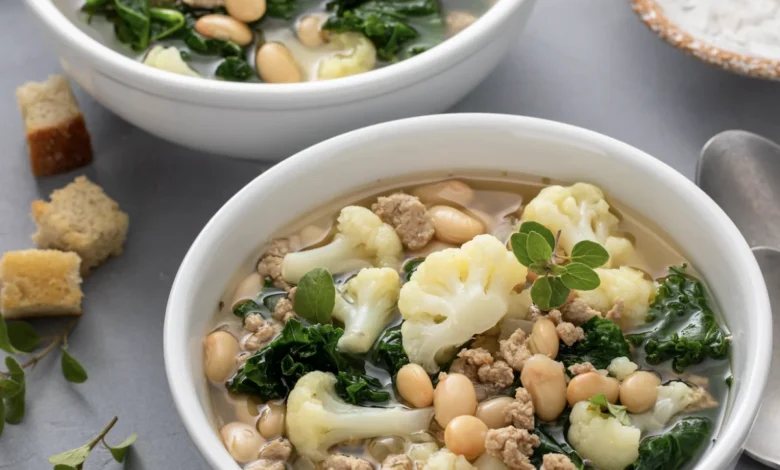
Culinary traditions from the Tuscany region of Italy have long been celebrated for their emphasis on fresh, wholesome, and unpretentious ingredients. Historically rooted in cucina povera—the peasant cooking of Italy—traditional Tuscan soups rely on what is locally available, transforming humble beans, seasonal vegetables, and stale bread into deeply nourishing meals. In modern home kitchens, this culinary philosophy continues to inspire comforting weeknight dishes that balance nutritional density with robust flavor.
A prime example of this enduring tradition is the contemporary adaptation of Tuscan White Bean Soup featuring mild Italian turkey sausage, nutrient-dense cauliflower, and vibrant leafy kale. As consumer demand shifts toward high-protein, vegetable-forward meals that do not sacrifice flavor, recipes of this nature have gained significant traction among home cooks seeking efficient, all-in-one dinner solutions. This comprehensive report examines the nutritional profile, culinary techniques, variations, and preparation methods for crafting an elevated version of this classic Italian-inspired soup.
Culinary Background and Nutritional Significance
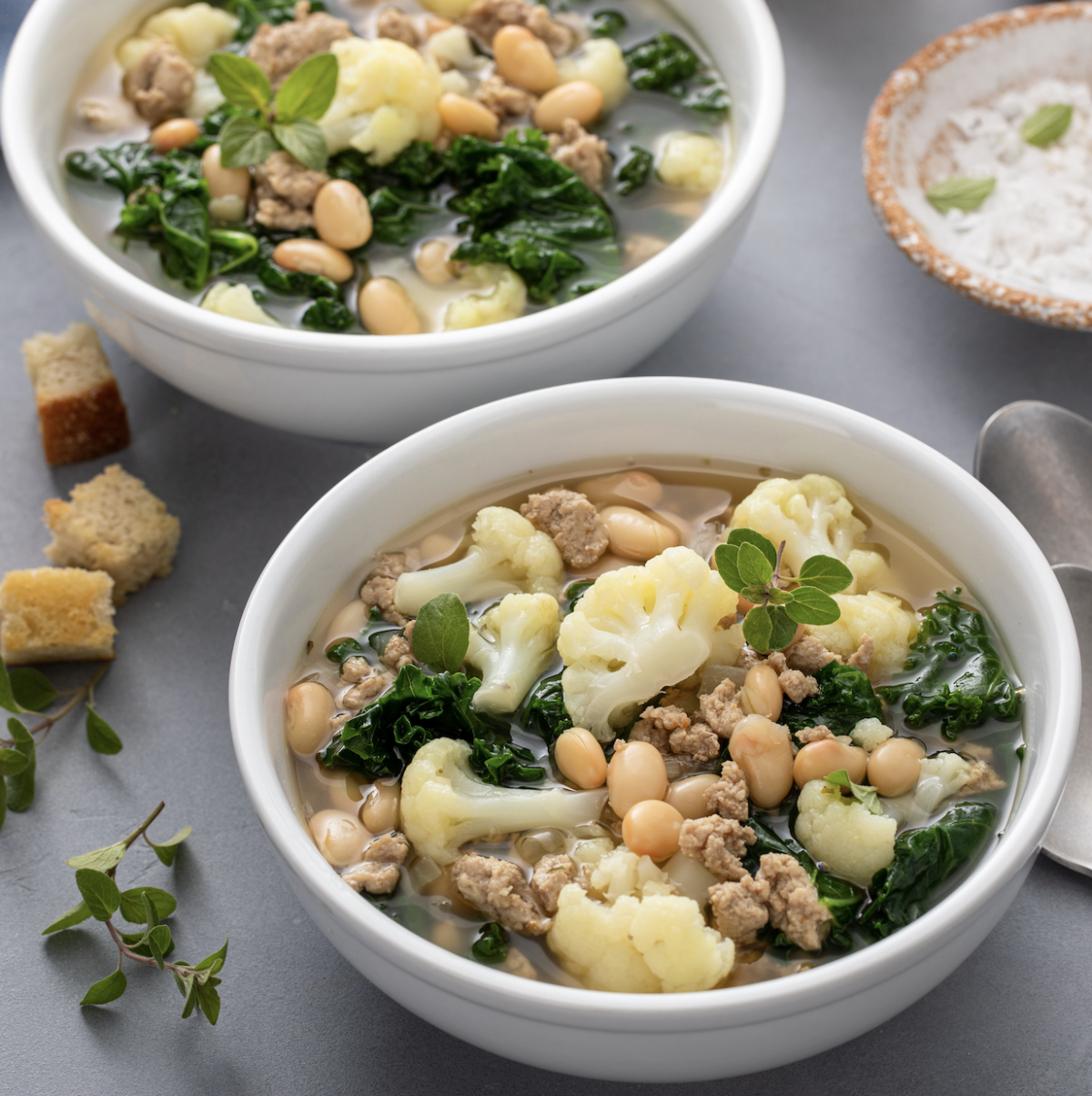
Traditional Tuscan bean soups typically center around fagioli—specifically cannellini beans, which are indigenous to central Italy. Renowned for their thin skins, soft interiors, and mild, nutty flavor, cannellini beans serve as an ideal foundation for simmering broths. They naturally release starches as they cook, imparting a velvety texture to the liquid without requiring heavy dairy additions.
Nutritional science increasingly supports the regular consumption of legumes, highlighting their role in providing plant-based protein, complex carbohydrates, and dietary fiber. When combined with lean proteins such as mild Italian turkey sausage, these soups deliver a balanced macronutrient profile that promotes satiety and sustained energy.
Furthermore, the inclusion of cruciferous vegetables like cauliflower and dark leafy greens such as kale introduces vital micronutrients, including vitamins A, C, and K, as well as essential minerals and antioxidants. Public health initiatives consistently advocate for increasing daily vegetable intake to support long-term cardiovascular and metabolic health, making vegetable-rich soups an effective vehicle for dietary improvement.
Key Ingredients and Flavor Architecture
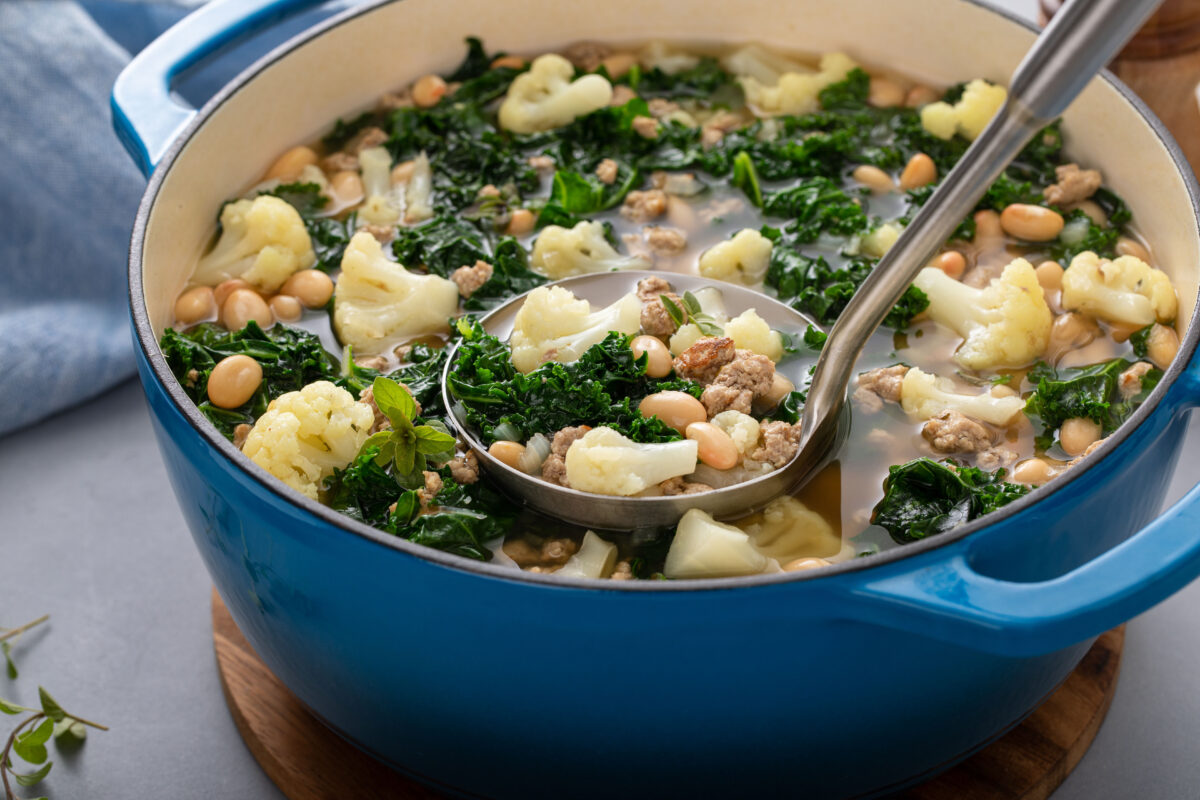
Developing a well-balanced Tuscan White Bean Soup requires careful attention to ingredient selection and flavor layering. Culinary professionals emphasize the importance of building a solid foundation through proper technique and high-quality components.
The Foundation: Turkey Sausage and Aromatics
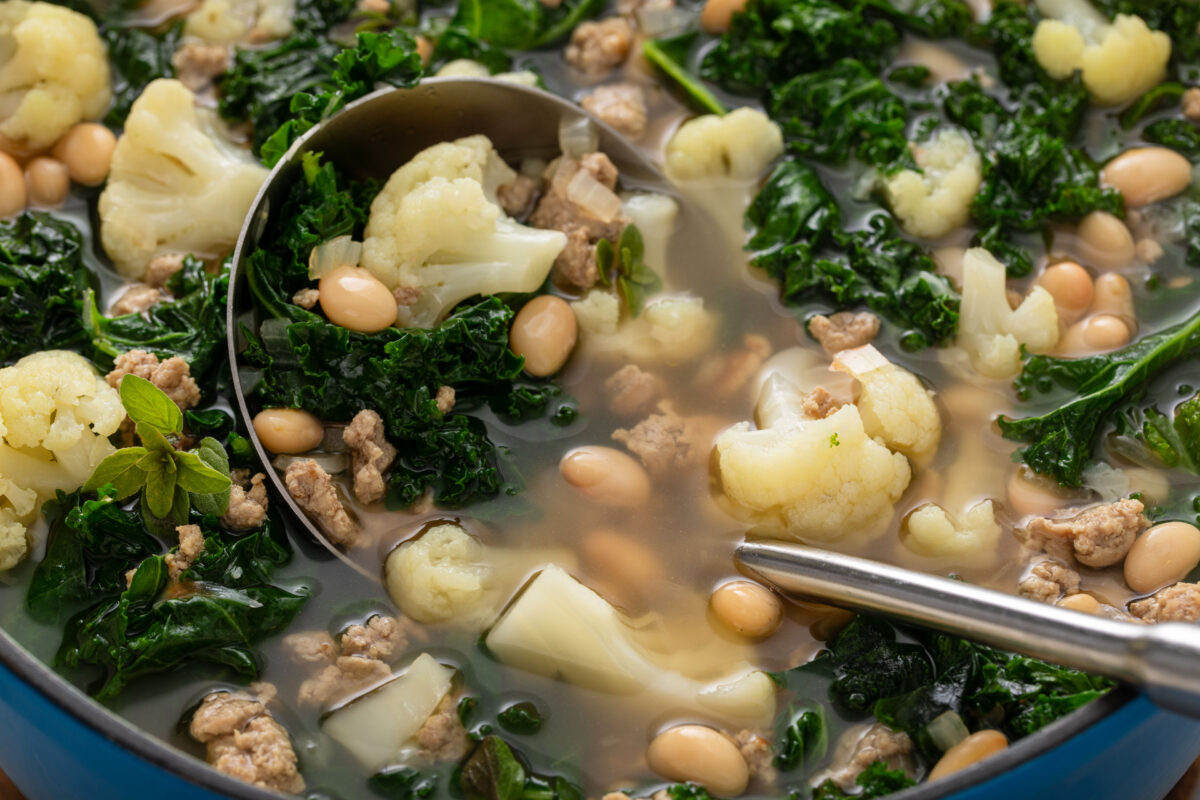
The process begins with browning mild Italian turkey sausage. Breaking the meat into small pieces as it cooks renders the fat and creates a savory fond at the bottom of the pot, establishing a deep flavor profile. Aromatics such as yellow onions, carrots, and garlic are subsequently sautéed in this base, absorbing the residual fats and spices.
The Stars: Cannellini Beans and Cauliflower
Cannellini beans remain the gold standard for this recipe due to their structural integrity and creamy consistency. However, alternative white beans such as Great Northern beans or navy beans can be substituted based on pantry availability. Diced cauliflower is introduced alongside the carrots, offering a tender texture and a subtle sweetness that complements the savory broth. Unlike traditional potato additions, cauliflower provides a lower-glycemic alternative while maintaining the soup’s hearty character.
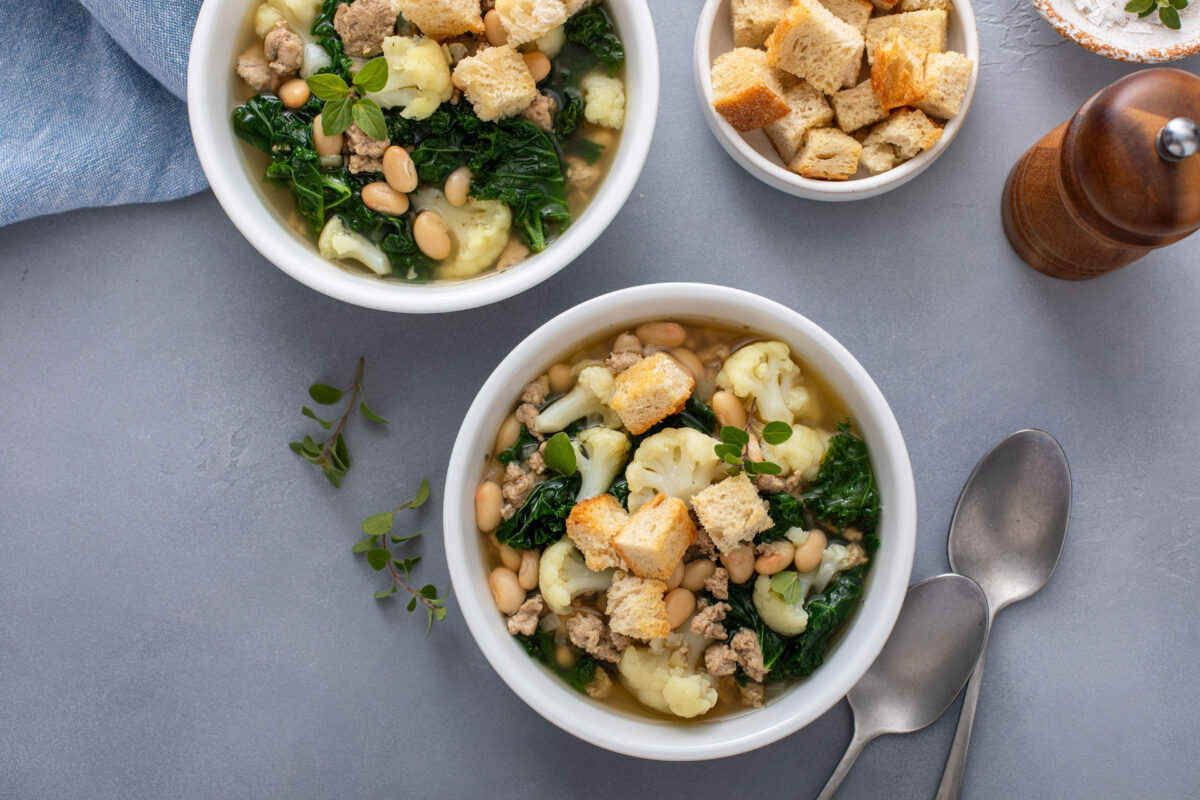
The Finish: Kale, Lemon, and Seasoning
Kale is incorporated during the final stages of cooking to prevent over-softening and to preserve its vibrant green color. Whether using curly, lacinato, or baby kale, removing tough center stems ensures an optimal mouthfeel. A final splash of fresh lemon juice is often added just before serving to cut through the richness of the sausage and beans, brightening the overall flavor profile.
Step-by-Step Preparation Methods
While traditionally simmered in a single Dutch oven on a stovetop, modern culinary adaptations accommodate various kitchen appliances to suit different scheduling needs.
Stovetop Method
- Brown the Meat: Heat olive oil in a large pot over medium-high heat. Add the turkey sausage, breaking it apart with a wooden spoon until thoroughly browned. Remove and set aside if desired, or leave in the pot for deeper flavor integration.
- Sauté Vegetables: Add diced onions and sliced carrots to the pot, cooking until softened. Stir in minced garlic and Italian herbs until aromatic.
- Simmer: Pour in low-sodium chicken or vegetable broth, crushed or diced tomatoes, rinsed cannellini beans, and evenly chopped cauliflower florets. Bring the mixture to a boil, then reduce heat and simmer for approximately 20 to 25 minutes until the vegetables are tender.
- Incorporate Greens: Stir in the chopped kale and cooked turkey sausage. Simmer for an additional 3 to 5 minutes until the greens are tender and wilted.
- Finish and Serve: Remove from heat, stir in fresh lemon juice, and adjust seasoning with salt and pepper. Let rest for 10 minutes before garnishing with grated Parmesan cheese.
Slow Cooker Adaptation
For households requiring hands-off meal preparation, the slow cooker offers a convenient alternative. Turkey sausage is browned in a skillet beforehand to develop flavor, then transferred to the slow cooker along with onions, carrots, garlic, seasonings, broth, tomatoes, beans, and cauliflower. Cooking on low for 5 to 6 hours (or high for 2.5 to 3 hours) yields tender vegetables. Kale is stirred in during the final 15 to 20 minutes of the cooking cycle, followed by lemon juice prior to service.
Instant Pot Pressure Cooking
Pressure cookers significantly reduce active cooking time. By utilizing the sauté function to brown the meat and aromatics, users can subsequently add liquids, beans, and vegetables, securing the lid to cook on high pressure for four minutes. A natural pressure release of five minutes, followed by a quick release, prepares the soup for the immediate addition of kale and finishing seasonings.
Customization and Dietary Variations
The adaptability of Tuscan White Bean Soup allows home cooks to modify the recipe according to specific dietary preferences or ingredient availability:
- Vegetarian and Vegan Modifications: Omit the turkey sausage entirely, substituting vegetable broth and incorporating an extra can of white beans or sautéed mushrooms to maintain a hearty texture.
- Protein Alternatives: Substitute turkey sausage with mild or spicy Italian chicken sausage, or add pre-cooked shredded chicken toward the end of the simmering process.
- Carbohydrate Additions: Introduce small pasta shapes such as ditalini, orzo, or small shells directly into the broth, or incorporate diced Yukon Gold potatoes alongside the cauliflower.
- Dairy-Free Options: Exclude the finishing Parmesan cheese or utilize a plant-based alternative, enhancing brightness with additional lemon juice or nutritional yeast.
Storage, Freezing, and Food Safety Guidelines
Proper storage ensures that meal-prep enthusiasts can enjoy the soup safely over several days. When stored in an airtight container in the refrigerator, Tuscan White Bean Soup remains fresh for up to four days. Because beans continue to absorb liquid over time, adding a splash of water or broth during reheating helps restore the desired consistency.
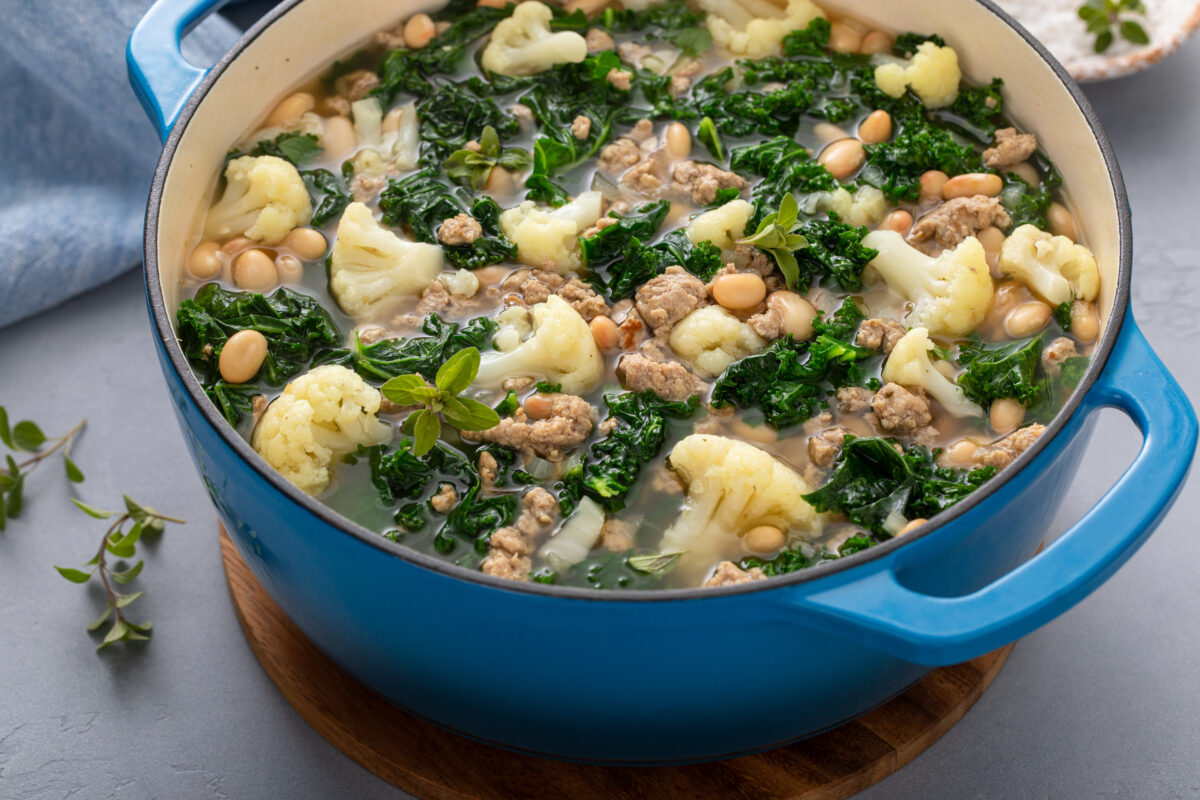
For long-term storage, the soup freezes exceptionally well for up to three months. Cooks should allow the mixture to cool completely before transferring it to freezer-safe containers, leaving adequate headspace for liquid expansion during freezing. Thawing overnight in the refrigerator prior to gentle stovetop reheating preserves the integrity of the vegetables and broth.
Broader Culinary Impact and Family Appeal
Culinary experts note that recipes emphasizing vegetable integration and customizable components play an essential role in encouraging balanced eating habits across diverse age groups. By offering mild flavor profiles, easily manageable textures, and opportunities for familial kitchen participation, dishes like Tuscan White Bean Soup bridge the gap between nutritional requirements and everyday culinary satisfaction. As food trends continue to prioritize efficiency, wellness, and heritage-inspired flavors, rustic Italian soups remain a permanent fixture in contemporary home cooking.