The culinary landscape of traditional North African cuisine continues to influence modern dietary practices, particularly through the resurgence of slow-cooked, nutrient-dense meals like the Moroccan lamb tagine. This specific preparation, featuring a harmonious blend of fennel, red onion, garlic, and dates, represents a sophisticated intersection of savory and sweet flavor profiles that have defined Maghreb cooking for centuries. As home cooks and nutritional experts increasingly look toward ancestral cooking methods to provide sustained wellness, the lamb tagine has emerged as a premier example of how slow-thermal processing can transform simple ingredients into a complex, healthful meal.
The preparation of this dish requires a significant temporal investment, totaling approximately four hours from preparation to completion. This duration is divided into a 30-minute preparation phase followed by a three-and-a-half-hour gentle simmer. The extended cooking time is not merely a matter of convenience but a chemical necessity for the specific cuts of meat typically used in tagines. Slow cooking allows for the gradual breakdown of collagen and connective tissues in the lamb, resulting in a tender texture that is easily digestible—a factor that has made the dish a staple in postpartum nutrition and recovery diets, such as those discussed by wellness platforms like the Fourth Trimester Podcast.
The Historical and Cultural Significance of the Tagine
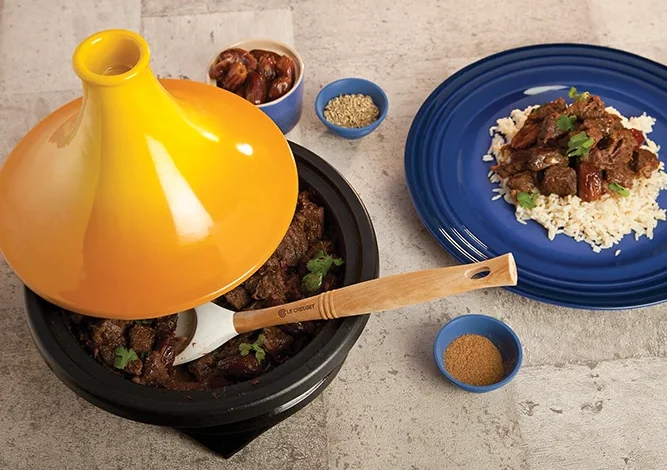
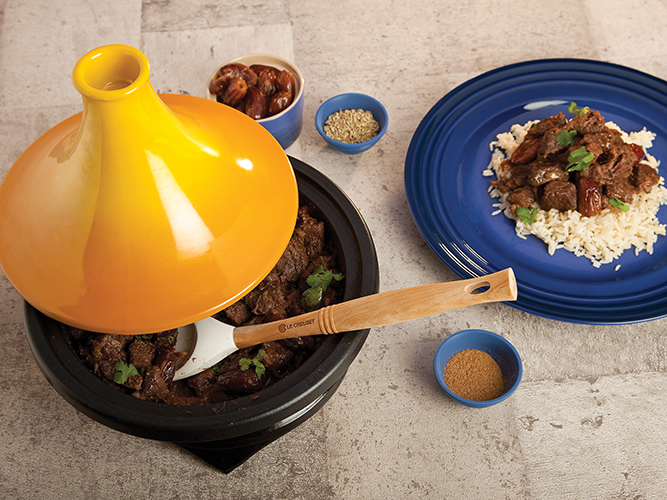
The word "tagine" refers both to the succulent stew and the specialized earthenware vessel in which it is traditionally prepared. Originating with the Berber people of North Africa, the tagine consists of two parts: a wide, circular base and a conical or dome-shaped lid. The engineering of the lid is specifically designed to return all condensation to the bottom of the pot. Because the steam rises, hits the cooler surface of the cone, and trickles back down, the dish requires very little added water. This creates a self-basting environment that intensifies the flavors of the spices and aromatics.
Historically, this method of cooking was an adaptation to arid environments where water was a precious resource. By utilizing the natural moisture within vegetables like fennel and onions, and the fats within the lamb, nomadic tribes could produce rich, caloric meals over small fires. Today, while modern iterations of the recipe often utilize heavy cast-iron Dutch ovens—such as those produced by Le Creuset—the fundamental principle of low-heat, moisture-retentive cooking remains unchanged.
Nutritional Profile and Ingredient Analysis
The selection of ingredients in the Moroccan lamb tagine with fennel and dates provides a robust nutritional profile that aligns with contemporary health standards. Each component serves both a culinary and a functional purpose:
-
Lamb as a Protein Source: Lamb is a nutrient-dense red meat, providing high-quality protein, essential amino acids, and vital micronutrients. It is particularly rich in Vitamin B12, selenium, zinc, and iron. For individuals in recovery or those requiring dense caloric intake, lamb provides the necessary fats and proteins to support tissue repair and immune function.
-
Fennel and Digestive Health: Fennel is prized in Mediterranean cooking for its anise-like flavor and its carminative properties. It contains high levels of fiber and Vitamin C. Historically, fennel has been used to aid digestion and reduce bloating, making it an ideal pairing for heavier meats like lamb. The slow-cooking process softens the fibrous bulb, allowing its essential oils to permeate the stew.
-
Dates and Natural Sweetness: The inclusion of dates is a hallmark of the Moroccan "sweet and savory" tradition. Dates provide a concentrated source of energy through natural sugars, as well as potassium and magnesium. During the three-hour simmer, the dates partially dissolve, acting as a natural thickener for the sauce while providing a counterpoint to the heat of the spices.
-
Aromatic Base: The combination of red onion and garlic provides a foundation of organosulfur compounds, which are associated with cardiovascular health and anti-inflammatory effects. When combined with "warm spices"—typically a blend that may include cumin, ginger, cinnamon, and turmeric—the dish becomes a powerhouse of antioxidants.
Technical Preparation and Equipment Versatility
While the traditional clay tagine is the ideal vessel for this recipe, culinary experts note that modern kitchen technology offers several viable alternatives. The primary requirement is a vessel that can maintain a constant, low temperature while preventing the escape of steam.
- The Dutch Oven: A heavy-bottomed, enameled cast-iron pot, such as a Le Creuset, is often cited as the best modern substitute. The thick walls provide excellent heat retention and distribution, preventing hot spots that could burn the delicate sugars in the dates.
- The Slow Cooker: For those unable to monitor a stovetop for four hours, the slow cooker offers a "set and forget" alternative. This method mimics the gentle heat of the tagine, though it may require a reduction in added liquids to prevent the sauce from becoming too thin.
- The Instant Pot: While the Instant Pot can cook lamb in a fraction of the time under high pressure, purists argue that the "slow" aspect of the tagine is essential for the depth of flavor development. However, the "Slow Cook" setting on these multi-cookers can achieve results similar to traditional methods.
The chronology of the recipe involves searing the meat to initiate the Maillard reaction—a chemical reaction between amino acids and reducing sugars that gives browned food its distinctive flavor—followed by the layering of aromatics and a long, low-temperature braise.
Implications for Postpartum and Family Nutrition
The context of this recipe’s appearance on platforms like the Fourth Trimester Podcast highlights a growing trend in "convalescent cooking." In the weeks following childbirth, the body requires "warm" foods that are easy to digest and rich in iron. The Moroccan lamb tagine fits this medical-nutritional niche perfectly.
Experts in maternal health often suggest that the "fourth trimester" (the three months following birth) should be a period of replenishment. The slow-cooked nature of the tagine ensures that the meat is tender enough to require minimal digestive effort, while the fennel assists with any gastrointestinal discomfort. Furthermore, the ability to prepare a large batch that "becomes more tender with time" allows families to have ready-made, high-quality meals available during a period of time-poverty.
Market Trends and Global Influence
The popularity of North African recipes like the lamb tagine is also reflective of broader shifts in the global food market. According to recent market analysis reports on ethnic food trends, there has been a 15% year-over-year increase in the demand for North African spice blends (such as Ras el Hanout) in North American and European supermarkets.
Consumers are moving away from processed "quick meals" and returning to "slow food" movements. This shift is driven by a desire for transparency in ingredients and a preference for cooking methods that preserve the nutritional integrity of the food. The Moroccan lamb tagine, with its reliance on whole foods and long-form cooking, sits at the center of this movement.
Statements and Expert Perspectives
Culinary educators often point to the tagine as a lesson in patience. "The tagine is not just a dish; it’s a method of time management," says one culinary analyst. "In a world of instant gratification, the four-hour commitment required for a lamb tagine is a form of culinary mindfulness. You are allowing physics and chemistry to do the work that a microwave cannot."
From a professional standpoint, companies like Le Creuset have capitalized on this by marketing their braisers and Dutch ovens as heirloom pieces capable of executing these traditional recipes. The adaptation of this recipe from "A Girl Worth Saving" and its subsequent sharing via wellness podcasts demonstrates the collaborative nature of modern recipe sharing, where traditional ethnic techniques are translated for the modern, health-conscious kitchen.
Conclusion
The Moroccan lamb tagine with fennel and dates is more than a mere recipe; it is a testament to the enduring efficacy of traditional cooking methods. By combining the biological benefits of its ingredients with the physical advantages of slow-convection cooking, it provides a meal that is both culturally rich and nutritionally superior. As the culinary world continues to evolve, the reliance on these "slow and steady" methods suggests a permanent place for the tagine in the global repertoire of healthy, soul-warming cuisine. Whether prepared in a traditional clay pot or a modern cast-iron vessel, the result remains a benchmark of Mediterranean excellence, offering a savory-sweet complexity that nourishes the body and the spirit alike.