Pedaling Past the Horizon: Pat McAleer Completes 5,000-Mile Transcontinental Journey to Accelerate Type 1 Diabetes Cures

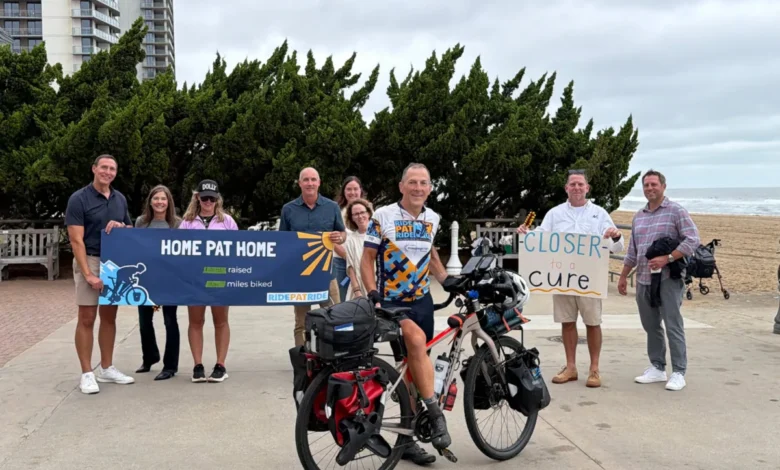
The physical toll of endurance athletics is often measured in strained muscles, sleep deprivation, and the relentless ticking of the clock, but for Pat McAleer, every mile of his epic transcontinental bicycle journey was measured in hope for a future without type 1 diabetes (T1D). On a crisp Sunday morning in October, McAleer rolled his heavily laden touring bicycle to a triumphant halt at the historic Cavalier Hotel in Virginia Beach, Virginia, successfully concluding an extraordinary three-month, 5,000-plus-mile solo expedition. Dipping his back tire into the Atlantic Ocean just moments after arrival, McAleer brought a definitive close to Ride Pat Ride, a grueling cross-country odyssey that began on July 15 when he dipped his front wheel into the frigid waters of the Pacific Ocean at La Push, Washington.
Beyond the personal physical achievement, McAleer crossed the finish line having achieved a monumental fundraising milestone. Just 24 hours prior to completing his final stretch of the tour, his campaign officially surpassed the $250,000 threshold in donations dedicated entirely to Breakthrough T1D, the leading global organization funding type 1 diabetes research and advocacy. The convergence of completing a cross-country route and hitting the quarter-million-dollar fundraising target marked a rare, dual milestone in the world of philanthropic endurance sports—one that underscored both the tenacity of the rider and the deep engagement of a nationwide community rallying behind a common cause.
The Anatomy of an Epic Journey: Chronology and Route
The genesis of Ride Pat Ride dates back years of careful planning, but the physical execution of the expedition required precision timing, mental resilience, and adaptability in the face of unpredictable elements. Following his launch from the rugged coast of Washington State in mid-July, McAleer’s itinerary traced an ambitious path across the American continent. He navigated the sweeping, windswept expanse of the Great Plains in North Dakota, battling crosswinds and expansive horizons that tested his psychological endurance just as much as the physical climb through mountain passes.
By late summer, the route shifted eastward, guiding McAleer toward urban corridors and historical greenways. In September, he transitioned onto the iconic Empire State Trail, cycling from Buffalo, New York, straight into the heart of New York City. He arrived in the nation’s largest metropolis accompanied by a dedicated peloton of 19 fellow riders who had joined him for a multi-day group ride originating in upstate New York.
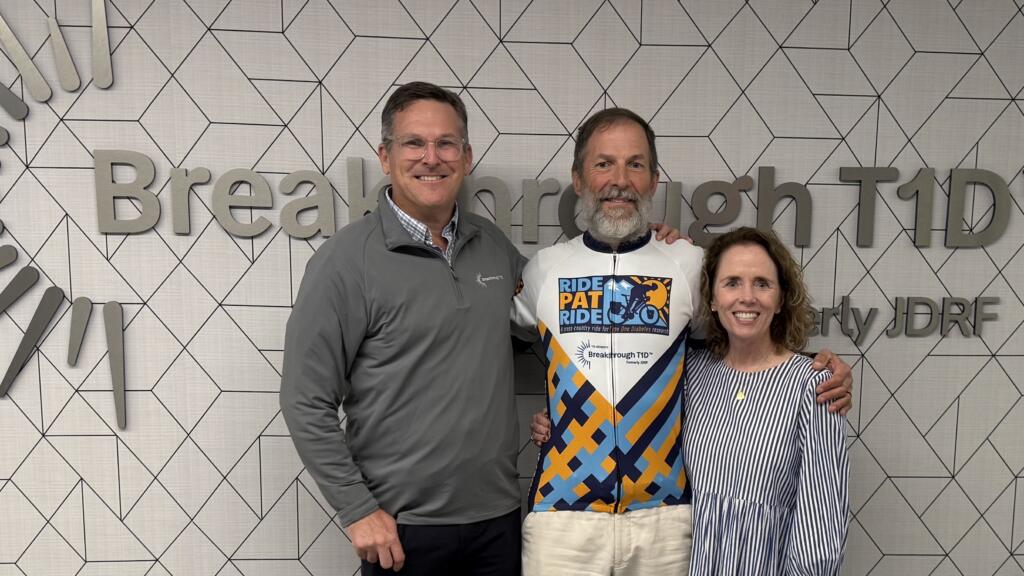
The New York City stopover served as a vital psychological and logistical pivot point for the final leg of the tour. On Tuesday, September 29, McAleer and his wife, Molly, made a high-profile morning media appearance on the Today show, bringing national visibility to the daily realities of living with type 1 diabetes and the ongoing mission to secure therapeutic breakthroughs. Later that afternoon, the couple traveled to Lower Manhattan for a private meeting with Dr. Aaron J. Kowalski, the Chief Executive Officer of Breakthrough T1D.
For McAleer, the lunchtime strategy session with Dr. Kowalski provided an unexpected psychological boost. Operating under the accumulated fatigue of thousands of miles on the road, McAleer noted that the exchange revitalized his momentum. It offered a renewed sense of focus, allowing him to stay upbeat and driven as he tackled the final two weeks of cycling through the Mid-Atlantic states.
Departing New York City via the Staten Island Ferry, McAleer pressed southward through New Jersey, Pennsylvania, Maryland, and Washington, D.C. He paused briefly in Fairfax, Virginia, for a scheduled two-day rest at his mother’s home, reconnecting with family and long-time friends before continuing toward Fredericksburg. There, he visited his alma mater, the University of Mary Washington, before stopping in his hometown of Richmond for a final night of domestic comfort in his own bed.
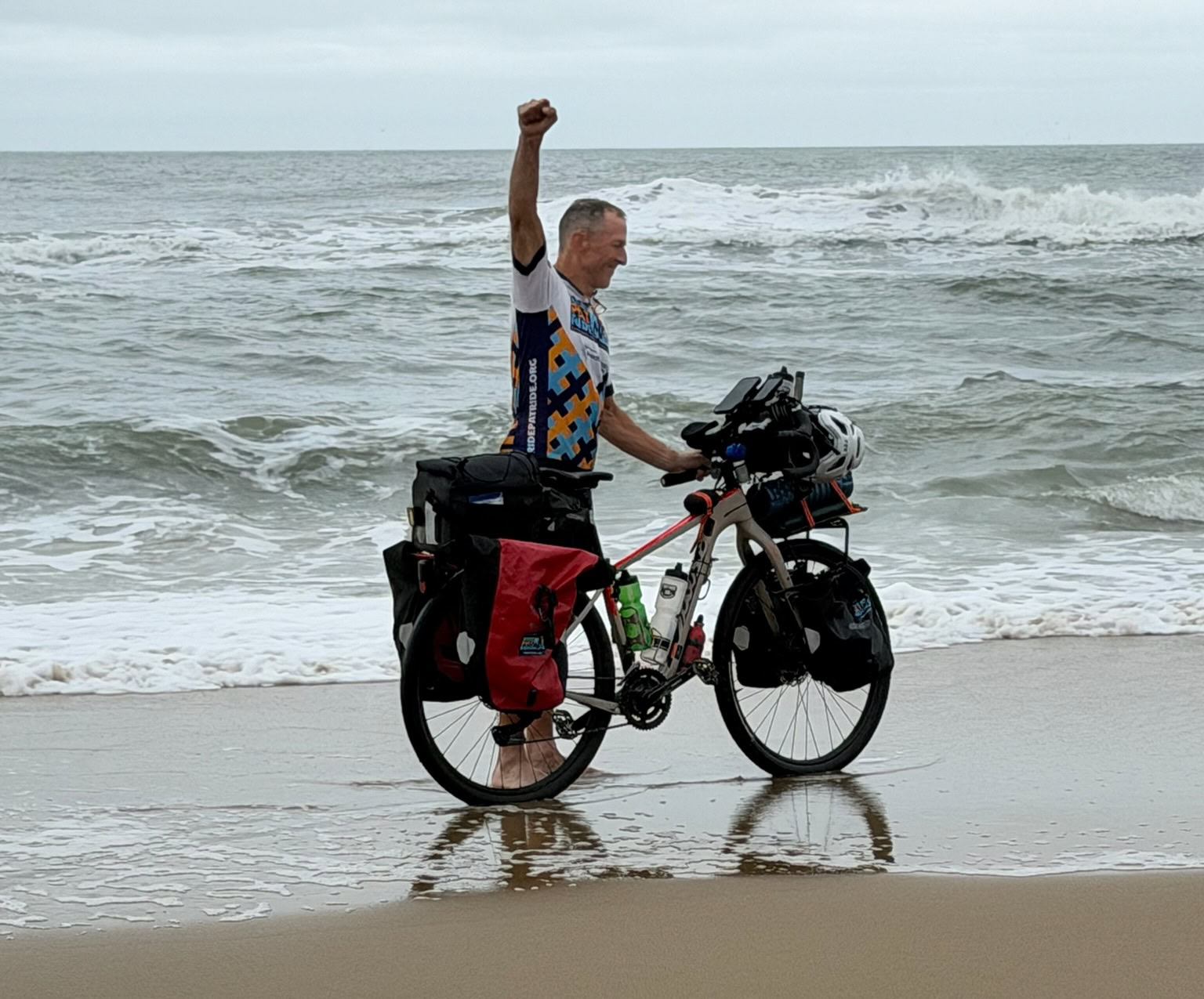
The final phase of the journey was not without logistical hurdles. As McAleer approached the Virginia coast, meteorological reports warned of an Atlantic hurricane pushing up the seaboard. Demonstrating the pragmatic decision-making required for long-distance touring, McAleer abandoned his original camping plans in favor of hotel accommodations to mitigate the risk of falling debris and severe high-winds overnight. This prudent adjustment ensured he reached the Virginia Beach finish line safely on October 11, concluding the journey entirely free of major physical mishaps or injuries.
Background and Context: The Fight Against Type 1 Diabetes
To fully appreciate the scope of Ride Pat Ride, one must examine the broader medical and social landscape of type 1 diabetes, an autoimmune condition that affects millions of individuals worldwide. Unlike type 2 diabetes, which is frequently linked to lifestyle and metabolic factors, T1D is an autoimmune disease in which the body’s immune system mistakenly attacks and destroys the insulin-producing beta cells in the pancreas. Consequently, individuals diagnosed with T1D produce little to no insulin, a hormone essential for converting glucose from food into cellular energy.
Managing type 1 diabetes requires rigorous, round-the-clock vigilance. Patients must constantly monitor their blood glucose levels via finger-prick tests or continuous glucose monitors (CGMs) and manually administer insulin through multiple daily injections or automated insulin pumps. Even with meticulous management, daily fluctuations in blood sugar can lead to acute medical emergencies, such as severe hypoglycemia (dangerously low blood sugar) or hyperglycemia (high blood sugar), both of which carry long-term risks of cardiovascular disease, nerve damage, kidney failure, and vision loss.
Organizations like Breakthrough T1D—formerly known as JDRF—have spent decades spearheading the global effort to fund innovative research, accelerate clinical trials, and advocate for policies that lower the cost of insulin and medical devices. Funding supports diverse scientific avenues, including cell therapies designed to replace lost beta cells, immunotherapies aimed at halting the autoimmune destruction in newly diagnosed patients, and advanced artificial pancreas technologies.
Grassroots fundraising initiatives such as Ride Pat Ride play a vital role in sustaining these research pipelines. By mobilizing individual networks, corporate sponsors, and local communities, independent fundraisers bridge the financial gap between laboratory discovery and commercialized medical solutions. McAleer’s ability to mobilize a quarter of a million dollars demonstrates how community-driven athletic endeavors can directly amplify the financial capacity of major health organizations.
Key Takeaways and Personal Reflections
Reflecting on three months spent entirely in the saddle, McAleer distilled his transcontinental expedition into three core philosophical and practical takeaways. These reflections offer valuable insight into the mindset required to execute large-scale philanthropic ventures.
First and foremost, McAleer emphasized the boundless potential of human resolve when paired with a clear, focused objective. Reflecting on the financial outcome of his campaign, he noted that surpassing the initial $250,000 target forces a retrospective reassessment of human capability. By proving that ambitious financial thresholds can indeed be cleared through consistent effort, he openly questioned what might have been possible had the fundraising ceiling been set even higher at the outset of the journey.
The second major takeaway centered on the unexpected kindness of strangers and the inherent social connectivity fostered by public-facing challenges. Throughout his trek—whether navigating isolated rural highways in Montana or cycling down suburban avenues near his home in Richmond—McAleer was repeatedly struck by the proactive empathy of everyday people. Total strangers routinely pulled over or approached him to offer assistance, water, or moral support. This widespread display of communal care prompted McAleer to conduct a personal audit of his own interpersonal habits, challenging himself to match the generosity and attentiveness he experienced on the road in his everyday life.
Finally, McAleer observed that smooth, uneventful days rarely capture the essence of transformative experiences. While mechanical perfection is the ideal for any long-distance cyclist, it is the unexpected curveballs—such as having a derailleur completely ripped off his bicycle by a stray stick just six miles into the trip—that truly test an individual’s adaptability, problem-solving capacity, and resilience.
Broader Impact and Implications for DIY Philanthropy
The success of Ride Pat Ride highlights the growing evolution and efficacy of do-it-yourself (DIY) fundraising models within the non-profit sector. Traditional charity events often rely on standardized formats, such as structured marathons or organized galas, which can sometimes limit participation based on geographic location or rigid scheduling.
Platforms such as Breakthrough T1D Your Way allow supporters to conceptualize, design, and execute independent campaigns tailored to their specific passions, skills, and schedules. Whether an individual chooses a cross-country cycling tour, a community bake sale, a mountain climbing expedition, or a virtual gaming marathon, the DIY framework provides the institutional infrastructure, donation processing tools, and promotional resources necessary to transform a personal hobby into a major philanthropic engine.
For those inspired by McAleer’s journey but unable to commit three months to a transcontinental crossing, organizations offer scalable entry points. Breakthrough T1D Ride, for instance, organizes destination cycling events at multiple scenic locations across the United States annually, alongside virtual participation options like My Ride, which allow cyclists to log miles on their own local routes while contributing to the same overarching research funds.
Conclusion and Aftermath
Following his arrival at Virginia Beach, McAleer’s immediate priority shifted from global advocacy to basic physiological recovery. The accumulated fatigue of thousands of miles culminated in an 11-hour stretch of uninterrupted sleep on his first night off the bike, followed by three separate afternoon naps the following day—a behavioral anomaly for an athlete unaccustomed to daytime resting.
As the physical soreness fades, the legacy of Ride Pat Ride remains firmly established within the type 1 diabetes community. By transforming personal endurance into a vehicle for public awareness and financial contribution, Pat McAleer has left an indelible mark on the ongoing quest for T1D cures. His journey stands as a testament to the fact that monumental change is often achieved one deliberate revolution of the pedals at a time.