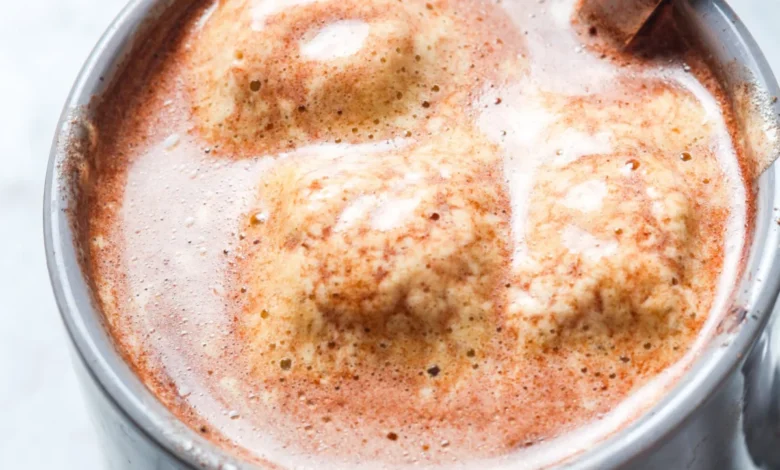
The Rise of Functional Beverages and Nutritional Integration
The market for functional beverages has expanded rapidly over the last decade, driven by research highlighting the physiological benefits of collagen and gelatin. Historically, bone broth was consumed primarily as a savory base for soups and stews. However, the recent shift toward "functional indulgence" has seen manufacturers and home chefs alike experimenting with ways to incorporate these nutrient-dense liquids into non-traditional formats.
Bone broth is derived from the slow simmering of animal bones and connective tissues, a process that extracts vital nutrients such as glucosamine, chondroitin, and essential minerals like calcium, magnesium, and phosphorus. When incorporated into a hot chocolate base, these elements provide a viscous, velvety mouthfeel that mimics the texture of high-end, cream-based desserts while offering a significantly more robust nutritional profile.
Chronology of the Bone Broth Trend

The trajectory of bone broth from a niche culinary practice to a mainstream health product can be traced through several key phases:
2014-2016: The "Bone Broth Boom." During this period, the product transitioned from traditional kitchens to commercial shelves. Major health influencers and wellness brands began marketing it as a "superfood" for gut health and skin elasticity.
2017-2020: Diversification. As the market became saturated with basic chicken and beef broths, brands began experimenting with flavored varieties and drinkable, portable pouches. This era marked the beginning of consumers viewing bone broth as a standalone beverage rather than just a cooking ingredient.
2021-Present: The Fusion Era. This current phase focuses on "stealth nutrition." By masking the savory notes of the broth with powerful flavor profiles like dark chocolate, cinnamon, and natural sweeteners, consumers can ingest the benefits of collagen and protein without the sensory dissonance of a savory drink.
Nutritional Implications and Expert Perspectives
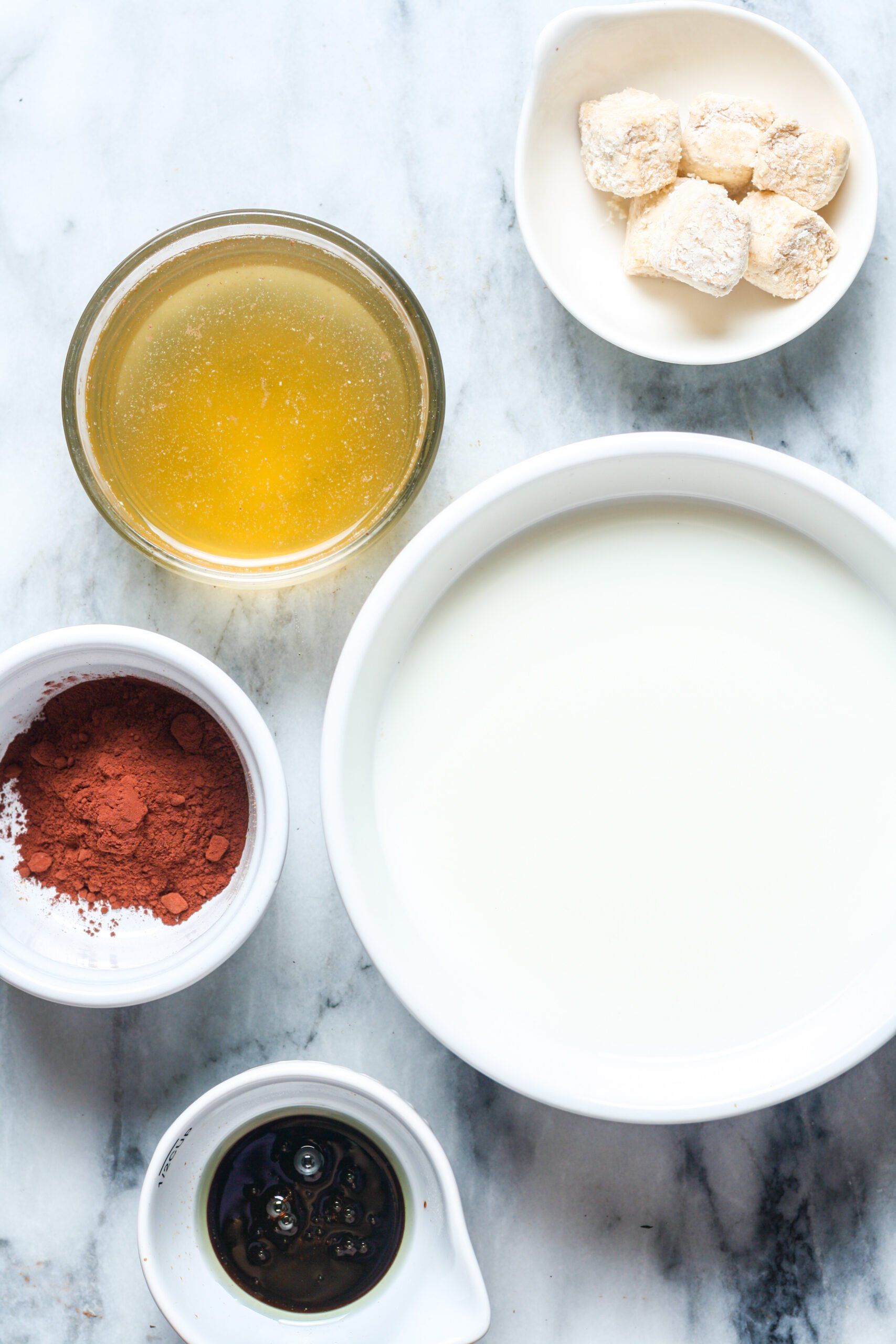
From a nutritional standpoint, the integration of bone broth into a chocolate beverage addresses a common critique of standard hot cocoa: the lack of satiety. Traditional hot cocoa is largely composed of simple sugars and fats, which can lead to rapid blood glucose spikes followed by a crash.
"The addition of high-quality, grass-fed bone broth introduces a significant protein component that helps stabilize the absorption of the sugars," notes Sarah Jenkins, a registered dietitian specializing in functional nutrition. "By combining the antioxidant properties of high-quality cocoa powder with the amino acid profile found in bone broth, you are essentially turning a dessert into a restorative snack. This is particularly beneficial for individuals looking to support joint health and gut integrity during the colder months when cravings for warm, sweet drinks increase."
However, industry analysts caution that the quality of the broth remains the most critical factor. Many commercial broths contain high levels of sodium, additives, or flavorings that are unsuitable for a sweet application. For the best outcome, experts recommend using neutral-flavored, unseasoned broths—often referred to as "sipping broths"—that are free from added onions, garlic, or excessive salt.
Technical Composition and Preparation Standards
The successful preparation of this beverage relies on a delicate balance of flavor profiles. The bitterness of unsweetened cocoa powder acts as an effective counterpoint to the subtle umami notes of the broth.
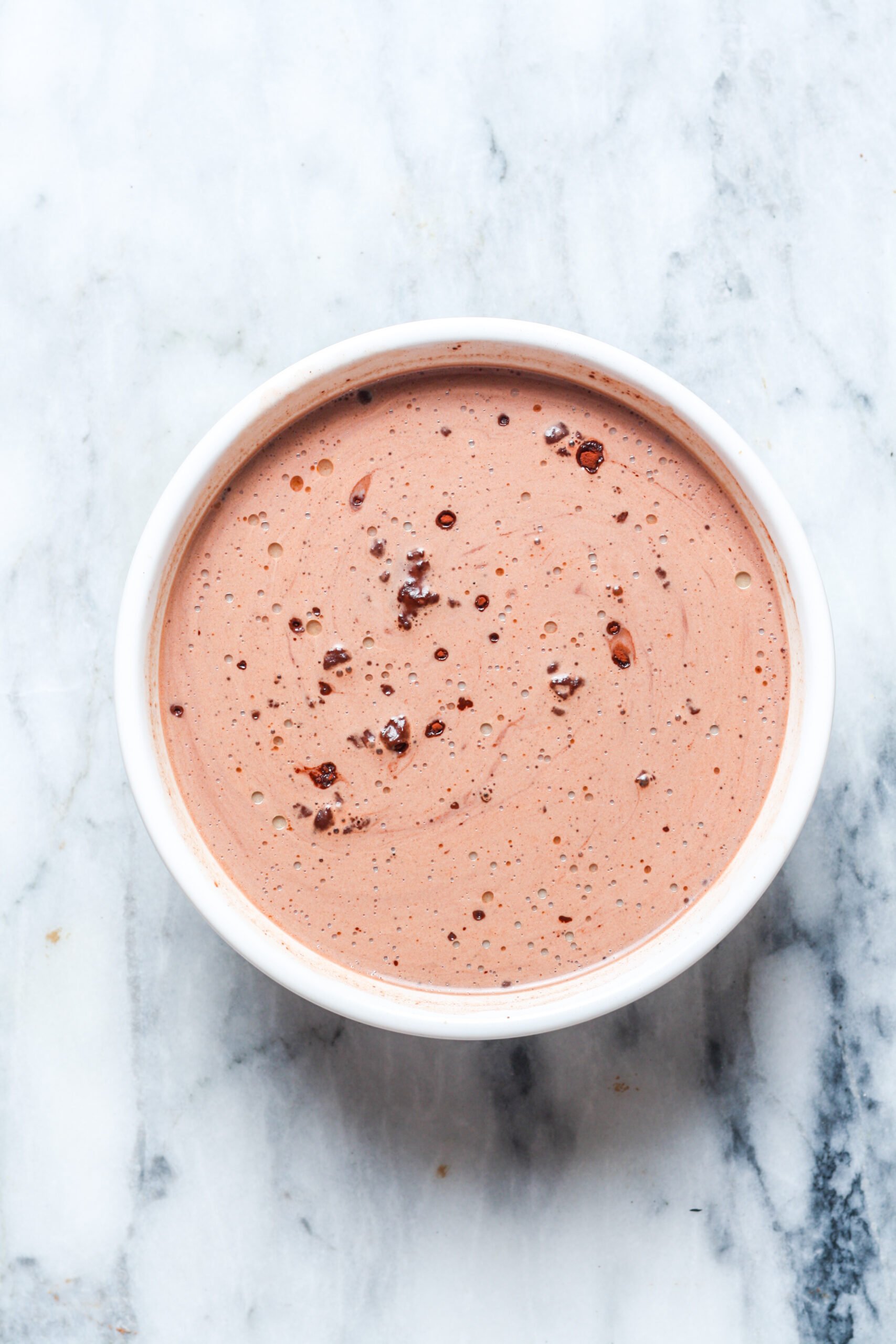
To achieve a professional-grade consistency, the following preparation standards are generally recommended:
- Selection of Base: Utilizing a gelatin-rich bone broth is essential. The gelatin provides the structure that contributes to the "creamy" mouthfeel, effectively replacing the need for heavy cream or excessive dairy fat.
- Emulsification: The broth and the liquid base (dairy or non-dairy milk) should be brought to a gentle simmer. High-speed blending or vigorous whisking is often used to ensure the proteins in the broth are fully integrated with the fats in the milk, preventing any separation.
- Sweetener Balance: Natural sweeteners such as raw honey or high-grade maple syrup are preferred over processed sugars. These options provide a depth of flavor that complements the earthiness of the cocoa and the richness of the broth.
- Flavor Enhancement: A pinch of high-quality Ceylon cinnamon or a drop of pure vanilla extract is often employed to bridge the gap between the savory foundation and the sweet top notes.
Broader Industry Impact
The emergence of Bone Broth Hot Chocolate reflects a broader trend in the food industry known as "nutritional fortification." As consumers become increasingly wary of ultra-processed snacks, the demand for "whole-food" additives has surged.
Market analysts suggest that this trend could lead to a new category of "hybrid" beverages. If the acceptance of bone-broth-based desserts continues to grow, it is highly likely that more functional ingredients—such as adaptogenic mushrooms, collagen peptides, and botanical extracts—will be incorporated into traditional sweet recipes.
From a sustainability perspective, the use of bone broth also aligns with the "nose-to-tail" eating philosophy. By utilizing animal bones that might otherwise be discarded, this beverage contributes to a more efficient use of agricultural resources.

Challenges and Future Outlook
Despite its nutritional benefits, the product faces hurdles regarding consumer perception. The primary barrier to adoption remains the "psychological hurdle"—the inherent difficulty for many consumers in associating animal-derived liquids with a sweet treat.
However, as seen in the success of other unconventional food trends—such as avocado chocolate mousse or beet-infused brownies—texture and taste profile are the ultimate arbiters of success. Once the consumer experiences the beverage, the "savory" concern is typically mitigated by the richness provided by the collagen.
Looking ahead, the longevity of this trend will likely depend on the accessibility of high-quality, pre-prepared broth bases. As more boutique food companies enter the market with "dessert-ready" broths, the barrier to entry for the average home consumer will decrease.
In summary, Bone Broth Hot Chocolate is more than a seasonal fad; it is a manifestation of the modern intersection between ancient dietary wisdom and contemporary nutritional science. By transforming a nutrient-dense foundation into a palatable, comforting, and indulgent experience, this beverage offers a sustainable pathway for individuals seeking to enhance their daily dietary intake through simple, effective, and science-backed culinary practices. As the functional food market continues to mature, it is expected that similar cross-disciplinary culinary innovations will become staples in the kitchens of health-conscious households worldwide.