Reclaiming the Season: How Consumers Are Rejecting Early Autumn Marketing in Favor of Authentic Whimsy


The cultural shift toward embracing autumn is arriving earlier each calendar year, with commercial displays, seasonal beverages, and decorative merchandise frequently appearing in retail spaces as early as July. While the transitional months of autumn—traditionally characterized by changing foliage, dropping temperatures, and agricultural harvests—have long held a distinct place in public sentiment, the aggressive acceleration of seasonal retail has triggered a notable pushback among consumers. Rather than participating in consumption-driven holiday preparation, a growing segment of the population is pivoting toward non-commercial, community-oriented, and imaginative engagements with the season, often described through the lens of genuine whimsy.
The Commercialization Timeline of Autumn
Retail data over the past decade illustrates a steady creep of autumn-themed marketing into the mid-summer months. Historically, seasonal transitions followed a logical meteorological and calendar progression, with autumn marketing commencing around Labor Day or the official autumnal equinox in late September. However, industry trends show that major retailers and food and beverage chains have advanced their promotional schedules by four to eight weeks.
Market analysts point to consumer psychology and the pursuit of early revenue streams as primary drivers for this shift. Retailers capitalize on a phenomenon known as "seasonal fatigue," where consumers seek comfort and novelty during periods of economic or social uncertainty. By introducing autumn products in July, corporations generate immediate short-term sales spikes. Conversely, this practice has accelerated market saturation, leaving many consumers experiencing seasonal burnout before the actual season begins. Sociological observations indicate that the constant push to purchase newly manufactured sweaters, specialized home goods, and mass-produced decorations transforms a natural ecological cycle into a continuous retail obligation.
Redefining Whimsy Outside the Marketplace
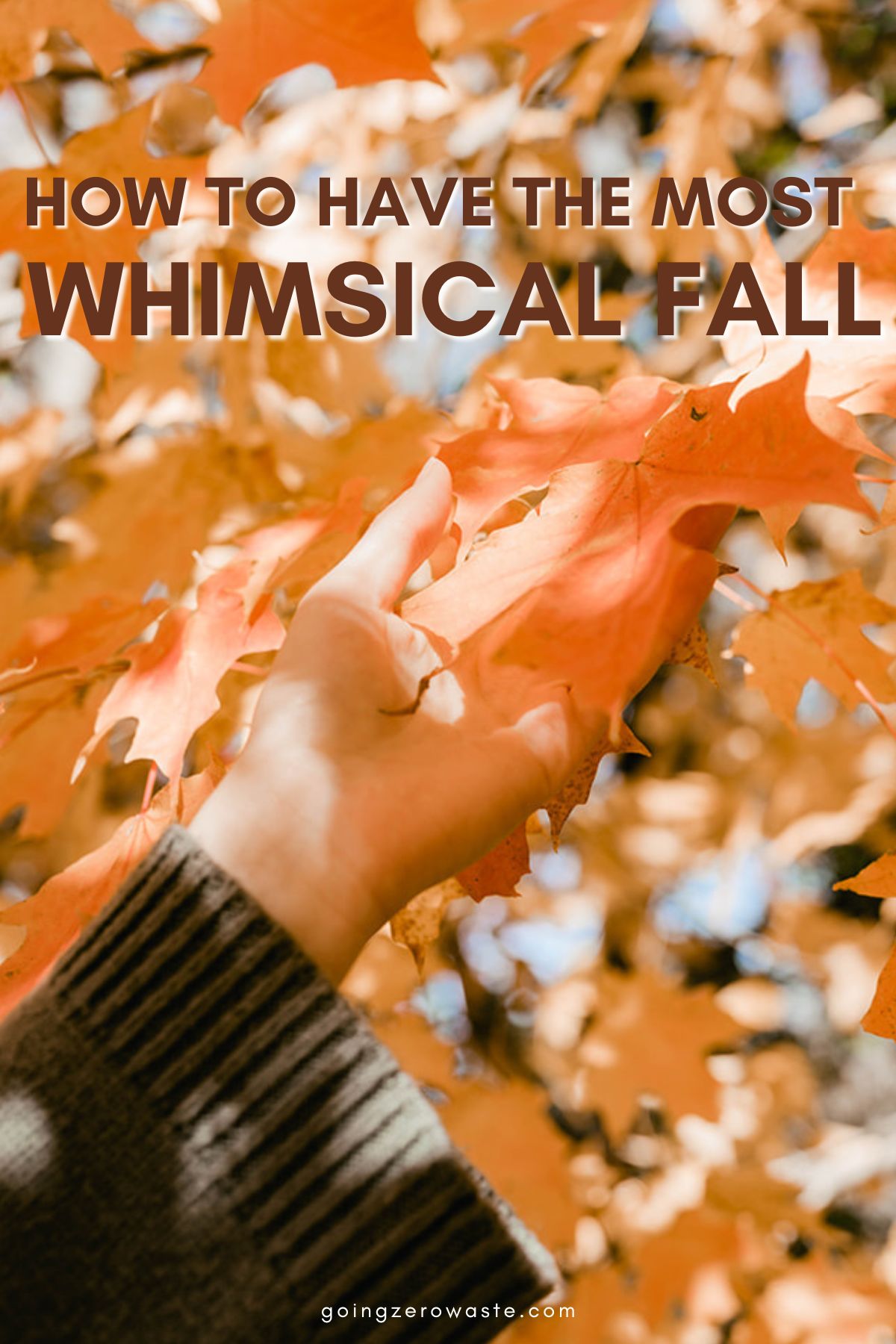
In response to hyper-commercialization, cultural commentators and lifestyle advocates are redefining what it means to experience seasonal magic. While the term "whimsy" has recently trended across digital platforms—frequently repackaged by brands to sell curated aesthetics—its linguistic and historical definition denotes something off-beat, spontaneous, and deeply personal.
True whimsy, cultural researchers note, cannot be manufactured or purchased in bulk. It functions as an internal state of being rather than a performative lifestyle choice. Embracing this concept involves leaning into imagination, accepting the learning curve of new hobbies, and deliberately slowing down the daily pace of life. Rather than relying on retail therapy, individuals are turning to activities that foster tangible connections with nature, local communities, and personal creativity.
Structured Alternatives: Community-Centric Autumn Activities
To counteract screen fatigue and the passive consumption of seasonal media, community organizers and sustainability advocates recommend intentional, hands-on activities. These pursuits are designed to encourage outdoor engagement, intergenerational knowledge sharing, and localized socialization.
Enhanced Nature Engagement
Walking through residential neighborhoods or regional parks remains a primary method for observing seasonal shifts, but intentional engagement can elevate the experience beyond a passive stroll. Naturalists suggest incorporating structured challenges, such as tracking specific botanical changes, identifying native versus invasive flora, and maintaining field journals. For instance, documenting the migratory patterns of local fauna, the blooming cycles of late-season perennials like goldenrod and asters, or organizing community-based scavenger hunts provides structured educational value while encouraging physical movement outdoors.
Reviving Epistolary Traditions
The resurgence of physical correspondence—often termed snail mail—offers a tactile alternative to digital communication. Psychologists and sociologists note that handwritten letters allow individuals to process complex emotions and articulate gratitude more deliberately than digital messaging allows. By utilizing recycled paper, scrap materials, and upcycled envelopes, participants can communicate appreciation to loved ones without engaging in retail spending. Incorporating natural tokens, such as pressed leaves, dried flower petals, or locally sourced seeds, further roots the practice in the immediate environment.

Intergenerational Craft and Skill Sharing
The revival of traditional handcrafts, including knitting, crocheting, and sewing, has gained traction as both a sustainable practice and a social outlet. Local knitting circles and yarn-swap events provide communal spaces for residents to exchange materials, learn new techniques, and converse. Sociologists highlight the value of intergenerational knowledge transfer, noting that community workshops involving older demographics help preserve traditional handiwork skills while combating social isolation. Additionally, sourcing materials through local fiber farms or secondhand exchanges minimizes the environmental footprint associated with fast-fashion knitwear.
Hyper-Local Culinary Gatherings
Rather than patronizing commercial establishments, groups of friends and neighbors are increasingly turning toward home-based culinary events. Hosting seasonal baking exchanges or community cafe events allows participants to utilize locally sourced ingredients from regional farmers’ markets. These gatherings frequently incorporate protocols to minimize food waste, such as utilizing reusable storage containers, distributing leftovers to neighbors, and fostering dialogue regarding sustainable consumption practices.
Spontaneous Exploration and Skill Building
Unstructured outdoor exploration—such as impromptu cycling trips, visits to locally owned independent bookstores, or exploration of nearby agricultural cooperatives—offers individuals an opportunity to interact directly with their immediate geographic surroundings. Coupled with creative pursuits such as outdoor painting, foraging, or nature photography, these activities encourage individuals to embrace imperfection and the trial-and-error nature of artistic expression.
Broader Implications and Cultural Outlook
The conscious rejection of early commercialized autumn reflects a broader socioeconomic shift toward intentional living and sustainability. As environmental concerns mount regarding the lifecycle of seasonal decor and single-use holiday merchandise, public interest in zero-waste practices has grown correspondingly.
Analysts suggest that this trend extends beyond seasonal preferences; it represents a psychological reclamation of time and attention from digital platforms and corporate marketing machines. By prioritizing experiential, low-impact activities over consumer acquisition, individuals are establishing new cultural norms for how seasonal transitions are marked. Ultimately, the movement toward authentic autumn engagement underscores a collective desire for slower, more meaningful connections with the natural world and local communities, independent of retail influence.