Building Strong Foundations: A Strategic Approach to Addressing the National Early Literacy Crisis

The consensus among developmental psychologists and reading experts is unequivocal: the architecture of a child’s literacy skills is constructed long before they step foot into a kindergarten classroom. As national reading proficiency scores continue a concerning decade-long decline—a trajectory significantly exacerbated by the instructional disruptions of the COVID-19 pandemic—policymakers across the early childhood and K-12 sectors are under increasing pressure to synchronize their efforts. This convergence is no longer a matter of administrative preference but a systemic necessity, as researchers argue that the "pre-K to 3rd grade" pipeline is the most critical window for ensuring long-term academic success.
The Landscape of the Literacy Decline
Data from the National Assessment of Educational Progress (NAEP), often referred to as "The Nation’s Report Card," has highlighted a persistent struggle in student literacy. Even prior to 2020, longitudinal studies indicated that nearly two-thirds of American fourth-graders were reading below proficiency levels. The pandemic introduced a "lost year" of foundational instruction, where remote learning and school closures disrupted the critical social-emotional and language-rich environments that foster emergent literacy.
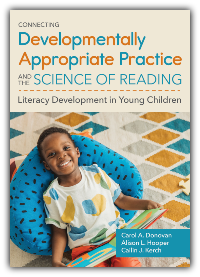
Current policy initiatives, including the "Science of Reading" movement, emphasize that literacy is not a natural byproduct of development but a skill that must be explicitly taught. For children aged birth to five, this instruction manifests as "developmentally appropriate practice" (DAP)—a balance of play, structured oral language development, and exposure to phonological concepts. The challenge facing school districts today is twofold: how to bridge the gap between home-based language experiences and formal school instruction, and how to identify at-risk learners early enough to intervene.
A Chronology of Policy Shifts
The shift toward prioritizing early literacy represents a multi-year evolution in educational strategy:
- 2010–2015: Initial focus on "Third-Grade Reading Gates." Many states implemented policies requiring students to read at grade level by the end of third grade to be promoted, shifting the focus to K-3 intervention.
- 2016–2019: Expansion of Pre-K access. Research from the National Institute for Early Education Research (NIEER) demonstrated that high-quality, state-funded pre-K programs provided a measurable "literacy head start."
- 2020–2022: The COVID-19 "Literacy Gap." Widespread school shutdowns led to significant regression in phonemic awareness and vocabulary growth, forcing a national reckoning regarding remote instructional efficacy.
- 2023–Present: The "Science of Reading" mandates. Over 30 states have passed legislation requiring schools to adopt curricula based on cognitive science, specifically focusing on systematic phonics and structured language development.
The Vital Role of Oral Language
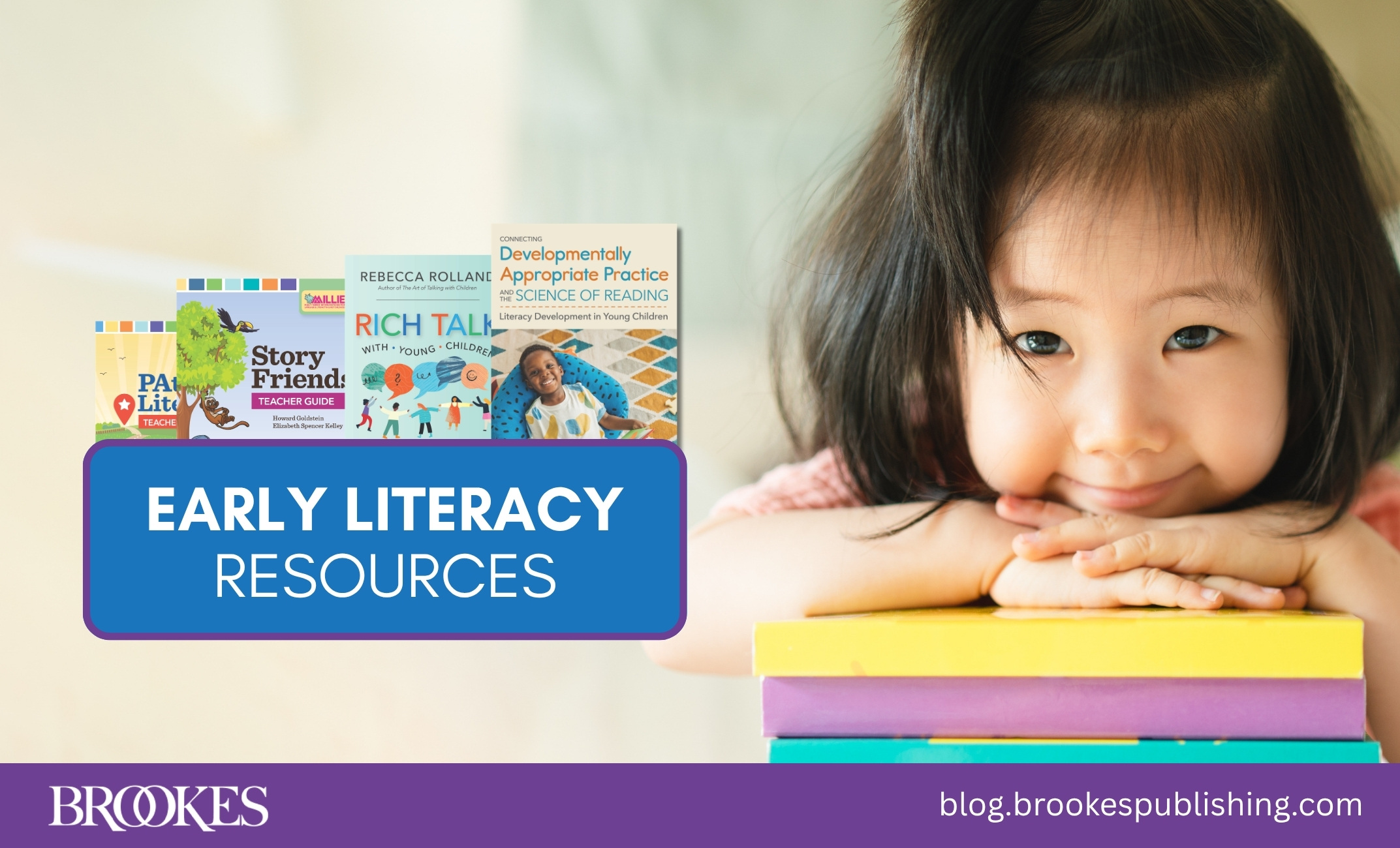
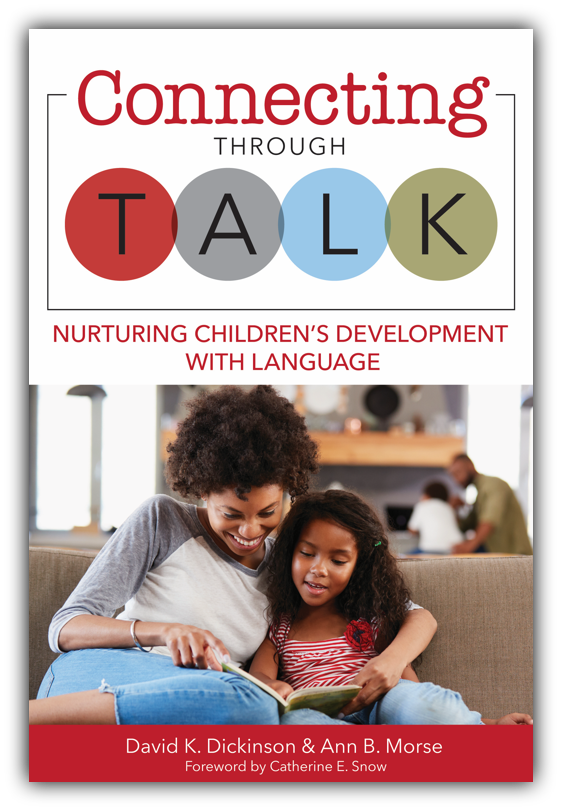
At the heart of modern literacy interventions is the concept of "rich talk." Professionals in the field, including researchers like Dr. Rebecca Rolland and Dr. David K. Dickinson, argue that the quality of conversation between adults and children is a primary driver of brain development. Language is not merely a tool for communication but the substrate upon which reading comprehension is built.
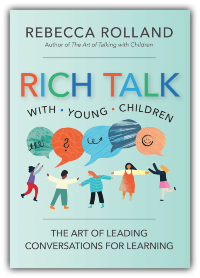
When children are engaged in intentional, extended conversations—rather than simple directives—they develop the vocabulary and narrative skills necessary to decipher complex texts in later years. This "web of interconnected competencies" connects social-emotional regulation with linguistic capacity. For educators, this means shifting classroom environments from passive listening models to interactive, dialogue-driven spaces.
Tiered Interventions and Evidence-Based Tools
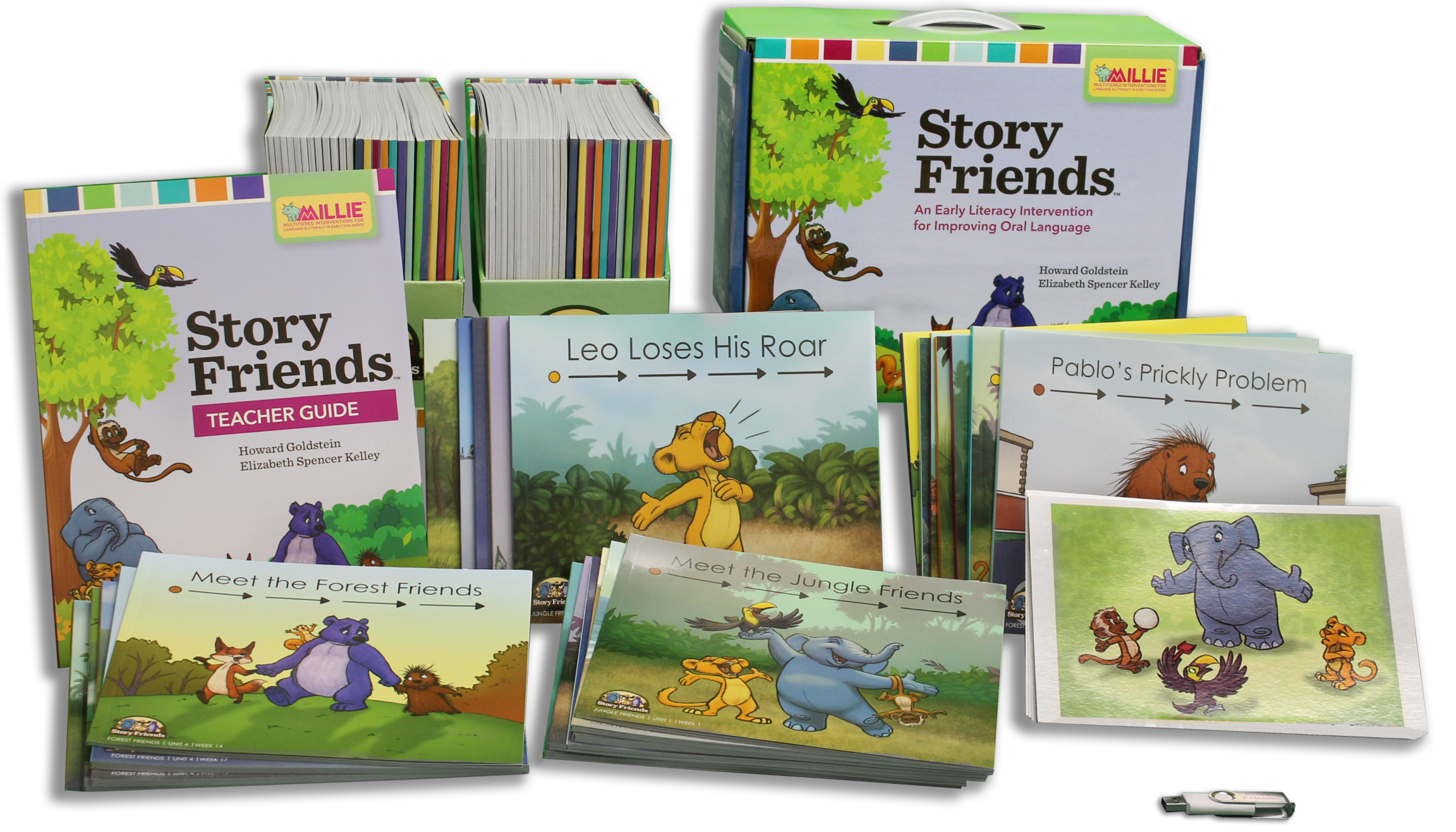
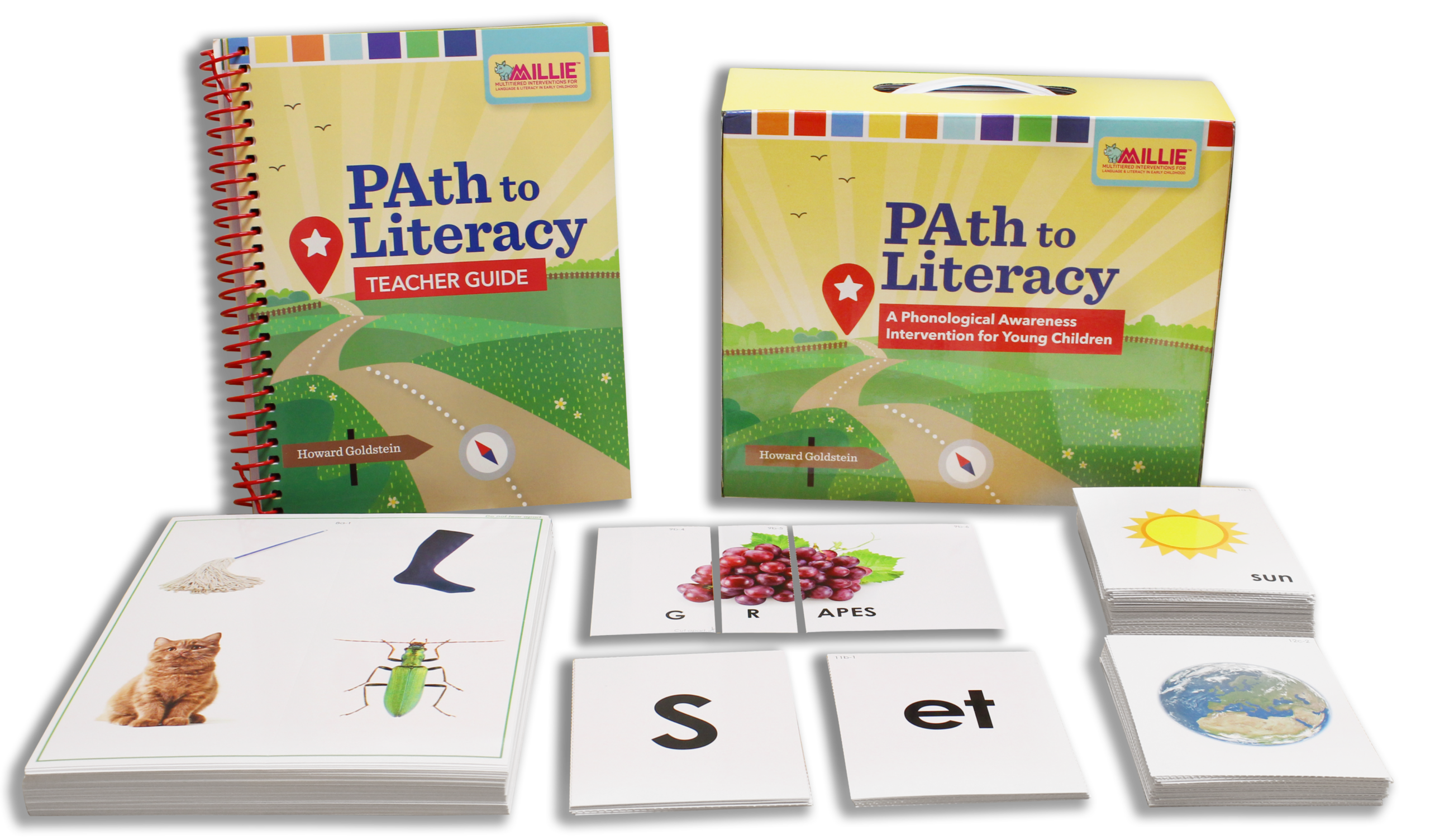
To address the diverse needs of students, educational programs are increasingly adopting a Multi-Tiered System of Supports (MTSS). Within this framework, Tier 2 interventions are designed for students who demonstrate a need for additional, targeted support. Tools such as "Story Friends" and "PAth to Literacy" provide evidence-based curricula that focus on oral language, vocabulary, and phonological awareness.
The efficacy of these interventions is supported by clinical research. For example, the use of systematic phonemic awareness training—pioneered by experts like Dr. Marilyn Jager Adams—has shown that intensive, brief, daily instruction (15–20 minutes) can significantly increase a child’s ability to manipulate sounds, a skill that is the strongest predictor of future reading success.
Identifying Barriers: Language Acquisition vs. Disorders
A critical component of early intervention is the ability to accurately assess language development, particularly in diverse populations. For bilingual children, distinguishing between a natural delay in English language acquisition and an underlying communication disorder is a complex clinical task. Assessments such as the Bilingual English-Spanish Assessment (BESA) are vital for ensuring that bilingual students receive appropriate, rather than excessive, interventions. By providing a nuanced look at a child’s linguistic strengths in both languages, these tools prevent the misidentification of students and ensure that limited educational resources are allocated to those who truly require special education services.
Analysis: Implications for Future Policy
The current push to integrate early childhood and K-12 systems carries significant long-term implications for public education. First, it requires a higher degree of professional development. Teachers must be equipped with the knowledge of how children learn to read, moving away from "balanced literacy" approaches that often relied on cues, toward evidence-based strategies that focus on decoding and comprehension.
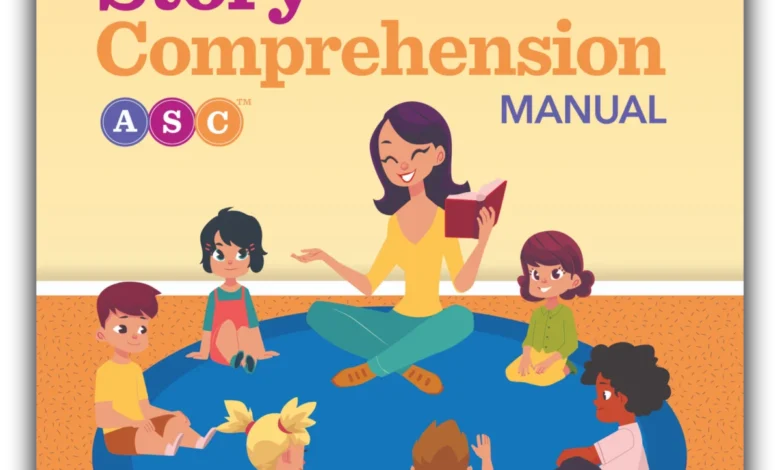
Second, the reliance on data-driven screening tools—such as the Assessment of Story Comprehension (ASC)—highlights a trend toward continuous monitoring. While some critics argue this creates a "testing culture" in early childhood, proponents maintain that rapid, three-minute assessments are non-intrusive and provide the only way to track progress in a fast-paced development window.
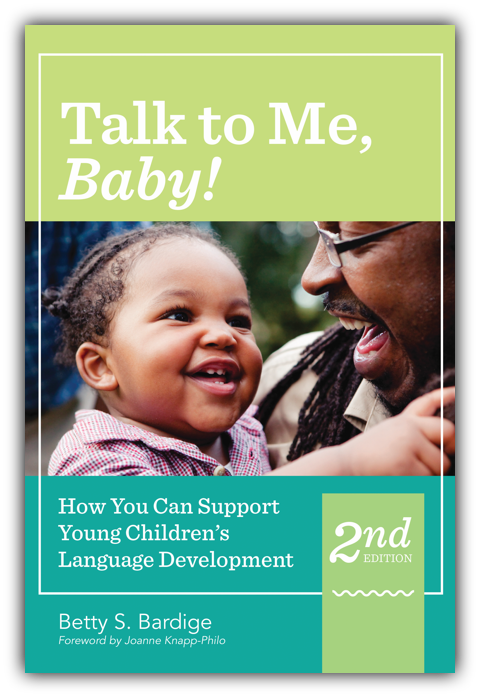
Finally, the focus on parent and caregiver engagement remains a cornerstone of the movement. Resources like "Talk to Me, Baby!" underscore the reality that the "literacy gap" is often a result of differences in exposure to language-rich environments. By providing parents with the tools to facilitate early language development, schools can extend the reach of their interventions beyond the classroom walls.
Closing the Gap
The transition from a child’s first words to proficient reading is a complex, delicate process that requires deliberate support from parents, early childhood educators, and school administrators. The resources currently entering the market reflect a shift toward high-utility, research-backed, and accessible materials that can be implemented in a variety of settings.
As policymakers continue to align standards and funding, the goal remains clear: to create an educational ecosystem where every child, regardless of socioeconomic background, is provided with the foundational skills to decode the world around them. The success of this effort will be measured not only in standardized test scores but in the long-term academic and social outcomes of the next generation of students. By prioritizing the earliest years of development, the education sector is making a necessary investment in the intellectual capital of the future. The integration of science-based practice, consistent progress monitoring, and a robust commitment to oral language development constitutes the most promising path forward for the American education system.