Empowering Student Independence Through Structured Progress Monitoring Strategies

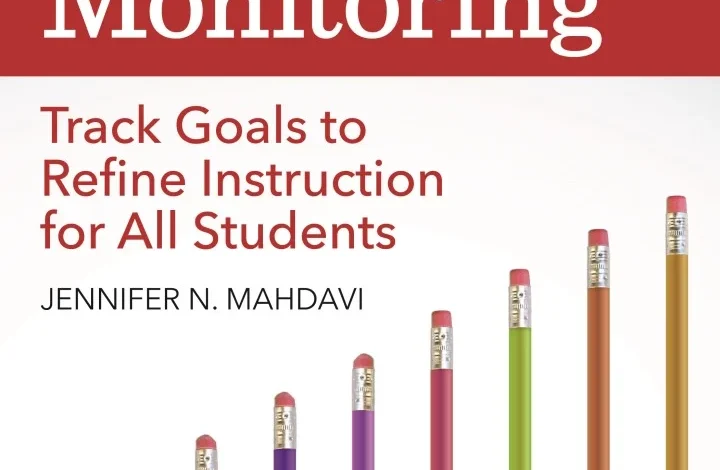
For many students with disabilities, the ability to independently assess, track, and adjust their own learning behaviors is not an innate skill, but rather a complex process that requires systematic instruction. Educators have long sought methods to bridge the gap between classroom instruction and student self-regulation. Drawing from the research-backed frameworks detailed in Dr. Jennifer Mahdavi’s A Teacher’s Guide to Progress Monitoring, schools are increasingly adopting structured, six-step interventions designed to foster self-determination and academic success. By moving away from purely teacher-led assessments and toward collaborative, student-centered tracking, educators are finding that students with diverse learning needs can become active participants in their own educational trajectories.
The Evolution of Self-Monitoring in Special Education
The pedagogical shift toward self-monitoring is rooted in the broader movement of Universal Design for Learning (UDL), which emphasizes providing students with multiple means of action and expression. Historically, progress monitoring was an administrative task performed by educators to satisfy Individualized Education Program (IEP) requirements. However, recent educational research suggests that when the student is included in this process, the data becomes a tool for empowerment rather than just a metric for compliance.
According to data from the National Center for Learning Disabilities, students who engage in self-regulation strategies show a 20% to 30% increase in goal attainment compared to peers who receive purely external feedback. This shift marks a transition from viewing the student as a passive recipient of intervention to an active agent of their own behavioral and academic change. The methodology promoted by Dr. Mahdavi serves as a cornerstone for this transition, providing a concrete timeline for educators to implement these changes within the classroom setting.
Establishing the Prerequisite: Cultivating Behavioral Awareness
Before a student can effectively track their progress, they must first possess the cognitive ability to recognize the behavior in question. This foundational stage requires educators to facilitate awareness through simulation and reflection. For example, in cases where a student struggles with social impulsivity, such as interrupting peers during group discussions, the educator must first establish a baseline definition of what "interrupting" looks and sounds like.
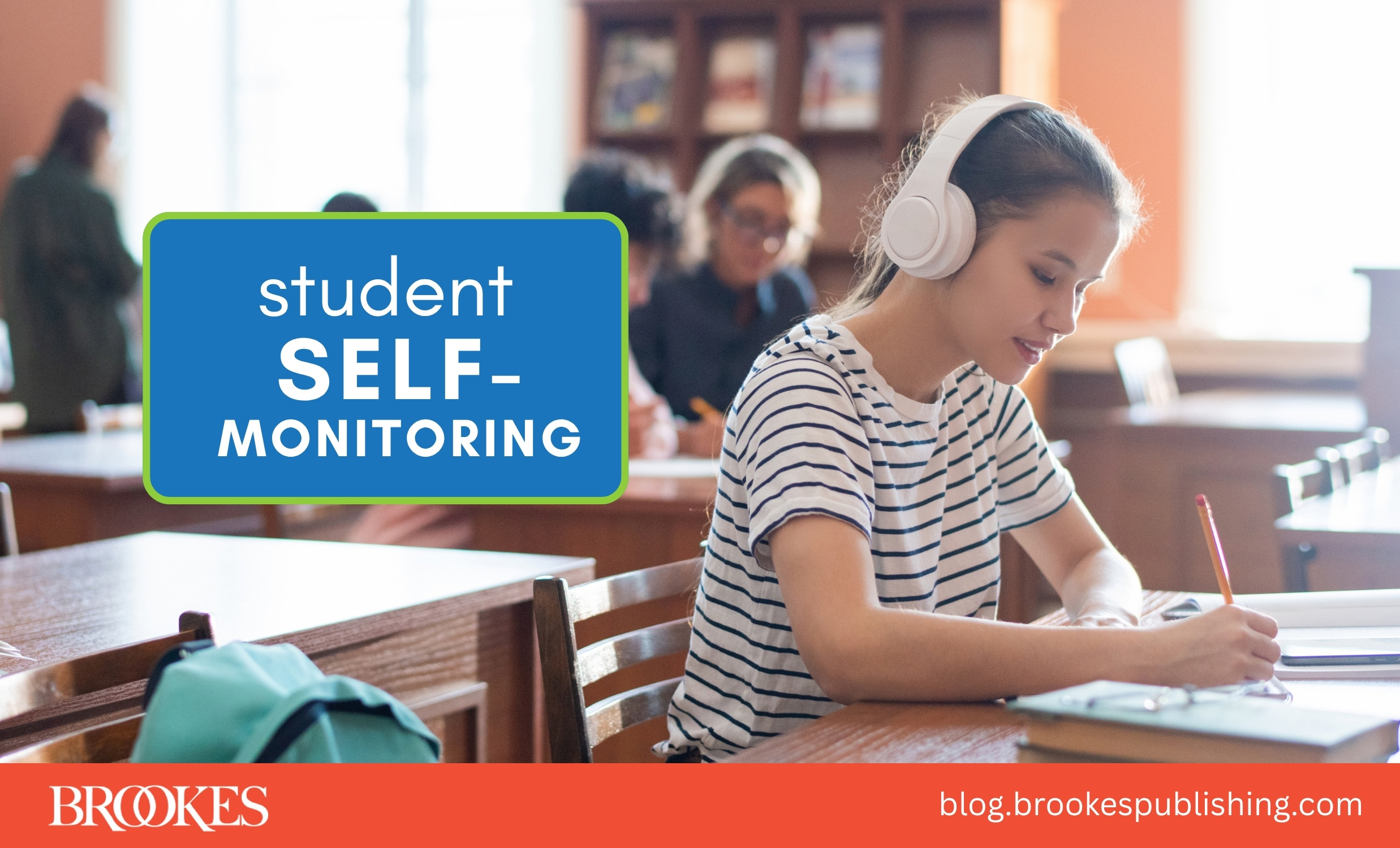
By utilizing role-playing exercises—contrasting "rude interruptions" with "active listening"—educators help students build a vocabulary for their own behavior. This is not merely an exercise in social etiquette; it is a critical cognitive step that allows the student to move from subconscious action to conscious observation. Without this ability to name the behavior, any attempts at tracking or graphing progress would be abstract and ultimately ineffective.
Phase One: The Implementation Timeline
The implementation of these strategies follows a rigorous, logical progression designed to build student confidence and accuracy.
- Social Validity and Goal Setting: The process begins by ensuring the goal is socially significant. Research indicates that when students participate in selecting their own behavioral targets, the likelihood of sustained engagement increases significantly. This step is designed to shift the dynamic from forced compliance to intrinsic motivation.
- Developing Awareness of Variability: In the initial weeks, teachers must guide students through the fluctuations of their daily performance. This phase involves introducing the concept of data visualization—teaching students that performance is rarely linear and that variability is a normal part of the learning curve.
- Explicit Instruction (The I-Do, We-Do, You-Do Model): Utilizing the Archer & Hughes framework, teachers move from modeling the behavior (I-do), to practicing it in a guided group setting (We-do), and finally allowing the student to execute the tracking independently (You-do).
- Parallel Tracking: During the intermediate phase, both the teacher and the student maintain independent logs. This period is crucial for establishing interrater reliability, ensuring that the student’s perception of their performance matches the objective reality of the classroom.
- Collaborative Evaluation: This phase marks the shift toward accountability. By analyzing the graphs together, the teacher and student discuss the "why" behind the data, linking specific strategies to observed improvements.
- Fading Supports: The final phase involves the systematic removal of scaffolding. As the student demonstrates consistent accuracy in self-reporting, the educator gradually withdraws, allowing the student to assume full ownership of the monitoring process.
Analytical Perspectives on Data-Driven Autonomy
The implications of this structured approach are significant for the long-term development of students with disabilities. By institutionalizing these six steps, educators are not only addressing immediate IEP goals but are also equipping students with executive functioning skills that translate into life beyond the classroom.
From a pedagogical standpoint, the "fading supports" aspect is perhaps the most critical. Many intervention programs suffer from a "dependency loop," where the student becomes reliant on the teacher’s constant monitoring. Dr. Mahdavi’s approach specifically mitigates this by emphasizing the transition to independence. When a student is no longer prompted to track their progress, they have internalized the reflective process.
Data from recent pilot programs suggests that classrooms utilizing these methodologies experience fewer behavioral disruptions. When students understand how to monitor their progress, they become more attuned to their internal states, allowing them to self-correct before a behavior escalates. This proactive self-regulation is a hallmark of successful inclusive education environments.
Official Responses and Professional Consensus
The professional community has lauded the integration of these practices. Diane Haager, Professor Emeritus at California State University, Los Angeles, notes that this approach effectively "makes the process of ongoing assessment come alive." This sentiment is echoed by academics who argue that the link between "real-world" case studies and actionable, day-to-day classroom activities is precisely what is missing in many traditional teacher-training programs.
By providing a bridge between theoretical progress monitoring and practical student application, the framework addresses a major pain point for special education teachers: the time-consuming nature of data collection. When the student takes on the role of the data collector, the teacher is freed to focus on high-level instruction and adaptive strategy, creating a more efficient and responsive classroom environment.
Broader Impact on Education Policy
The wider adoption of student-led progress monitoring could have profound implications for policy and school administration. If self-monitoring becomes a standard competency for students with disabilities, schools may see a reduction in the need for intensive behavioral support services over time. Furthermore, the emphasis on "social validity" aligns with the current push for more inclusive education practices that prioritize student voice and self-advocacy.
As the educational landscape continues to prioritize data-driven decision-making, the challenge remains to ensure that this data is accessible to the students themselves. The six-step model provides a roadmap for this democratization of data. By treating the student as a collaborator rather than a subject, educators can foster an environment where progress is not just measured by the teacher, but is understood, owned, and celebrated by the student.
For educators, administrators, and support staff, the transition to this model requires a shift in mindset. It necessitates a willingness to share the "authority" of the classroom data with the learner. However, the evidence suggests that this investment in student autonomy yields dividends in the form of improved behavior, increased academic achievement, and the development of self-advocacy skills that will serve students throughout their lives. As research continues to refine these techniques, the focus remains clear: providing every student with the tools to understand their own potential and the ability to track the progress toward achieving it.