Early childhood educators are increasingly turning to thematic units to foster holistic development in children aged three to five, with bear-themed curricula emerging as a cornerstone of modern preschool pedagogy. By integrating science, technology, engineering, mathematics (STEM), and literacy into a singular, engaging topic, teachers can create a cohesive learning environment that mirrors the interconnected nature of real-world knowledge. From the biological study of hibernation to the social-emotional bonding of a teddy bear picnic, these activities are designed to meet rigorous early learning standards while maintaining the play-based approach essential for neurological development in early childhood.
The Pedagogical Framework of Thematic Learning
Thematic instruction is an instructional method where several areas of the curriculum are connected and integrated within a theme. Research from the National Association for the Education of Young Children (NAEYC) suggests that when children can relate new information to a central, familiar concept, their retention and comprehension rates increase significantly. Bears serve as an ideal theme because they exist in both the realm of imaginative play (stuffed animals and storybook characters) and the natural world (biological predators and environmental indicators).
This dual nature allows educators to scaffold learning, moving children from what they know—the soft, comforting teddy bear—to more complex scientific concepts like habitat preservation, diet, and seasonal adaptation. This transition supports cognitive flexibility and encourages the development of critical thinking skills at a foundational age.

Taxonomic Literacy and Comparative Biology
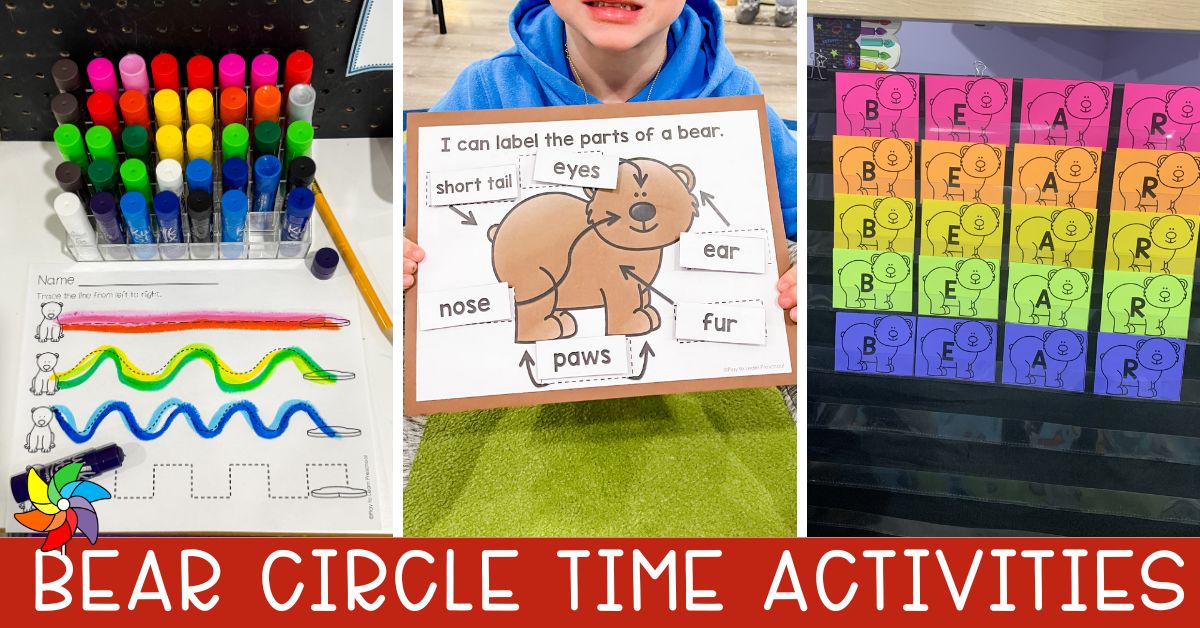
The unit typically begins with an introduction to the physical characteristics of bears. Educators utilize high-resolution imagery and tactile materials to help students identify the anatomical features that define the Ursidae family. Key identifying markers taught in these sessions include rounded ears, short tails, strong paws, thick fur, and long claws.
A common introductory activity is the "Bear or Not a Bear" sorting game. This exercise is more than a simple identification task; it is an early introduction to biological classification. By comparing a bear to a raccoon or a large dog, students must observe minute details and articulate differences. This builds descriptive vocabulary and sharpens visual discrimination skills. Educators often introduce a labeled diagram of bear parts, which serves as a pre-literacy tool, helping children understand that written labels correspond to specific physical objects.

Integrating Technology: The Virtual Field Trip
In an era where digital literacy is a required competency, preschool bear activities have evolved to include real-time observation via technology. While traditional field trips to see bears are often logistically impossible or unsafe for young children, live webcams have bridged this gap.
The Smithsonian National Zoo’s "Giant Panda Cam" and the "Brown Bear Salmon Cam" at Katmai National Park provide students with an unscripted look at animal behavior. These platforms allow children to observe bears in habitats ranging from the bamboo forests of China to the icy tundras monitored by the San Diego Zoo.

To formalize this activity, educators set up "Observation Stations" within the classroom. Equipped with clipboards, pencils, and simplified recording charts, students act as "junior biologists." They are tasked with tallying specific behaviors:
- Foraging and Eating: Observing how bears use their paws and mouths.
- Locomotion: Distinguishing between walking, climbing, and swimming.
- Resting: Understanding the sedentary nature of bears during certain times of the day.
This data collection introduces the concept of the scientific method and empirical observation, transforming passive screen time into an active, analytical exercise.

The Science of Survival: Hibernation and Adaptation
The study of hibernation provides a gateway into environmental science. Preschoolers explore how animals adapt to the changing seasons, a concept that aligns with early Earth Science standards. Educators often create "Hibernation Stations" in the science center, where children can simulate the creation of dens using natural materials like sticks, moss, and stones.
This section of the curriculum introduces sophisticated vocabulary—such as "habitat," "torpor," and "insulation"—in a context that children can grasp. By discussing why a bear sleeps through the winter, teachers can lead conversations about food scarcity, temperature regulation, and the life cycle. This biological context helps children understand that hibernation is a survival strategy, not merely a long nap, thereby deepening their comprehension of the natural world’s complexity.

Quantitative Development Through Math and Sensory Play
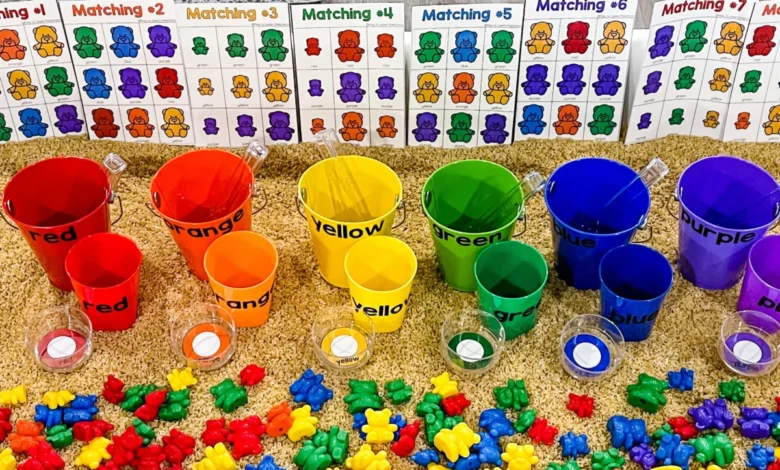
Mathematics in the bear unit is primarily delivered through "bear counters"—small, plastic manipulatives available in various colors and sizes. These tools are instrumental in teaching foundational math concepts:
- One-to-One Correspondence: Counting individual bears to match a specific numeral.
- Sorting and Classification: Grouping bears by color or size to understand sets.
- Patterning: Creating AB or ABC patterns, which is a precursor to algebraic thinking.
- Comparative Language: Using terms like "more," "fewer," "heavier," and "equal."
Sensory bins further enhance this learning. By filling a table with shredded paper (representing a forest floor) or cotton balls (representing snow), and hiding bear counters within, educators create a kinesthetic learning environment. As children dig for bears, they develop fine motor strength and hand-eye coordination. Adding measuring cups and numbered "caves" made from recycled containers allows students to explore capacity and volume while reinforcing numeral recognition.

Narrative Competency and Literacy Integration
Literacy is woven through the bear theme using both fiction and non-fiction texts. While classics like Goldilocks and the Three Bears introduce narrative structure and the concept of "the rule of three," contemporary titles like Bear Snores On by Karma Wilson provide opportunities for rhyme and prediction.
Story retelling is a critical component of this unit. Educators often use felt boards or magnetic characters to allow children to manipulate the story elements. According to literacy experts, the ability to retell a story in the correct sequence is one of the strongest predictors of future reading comprehension. By acting out the stories with stuffed animals or felt pieces, children internalize the beginning, middle, and end structure of narratives.

The classroom "Reading Nook" is typically outfitted with a variety of bear-themed books and soft plush toys. This creates a "low-stakes" environment where children can "read" to their bears, practicing the orientation of books, the turning of pages, and the verbalization of story arcs, all of which are essential pre-reading skills.
Social-Emotional Learning: The Teddy Bear Picnic
The bear unit frequently culminates in a "Teddy Bear Picnic," a social event that serves as a bridge between the school and the home. By inviting children to bring a stuffed bear from home, educators validate the child’s personal life and interests within the school setting.

This event is utilized for advanced sorting and social exercises. Students might sort their personal bears by texture (fluffy vs. smooth), accessories (clothed vs. not clothed), or size. The picnic itself, often held on a blanket on the classroom floor, encourages turn-taking, sharing, and polite social interaction. Serving "teddy bear toast"—bread decorated with fruit to resemble a bear’s face—adds a culinary and fine motor component to the celebration.
A Chronological Sample of a Bear-Themed Week
To illustrate the integration of these activities, a typical five-day curriculum might follow this progression:
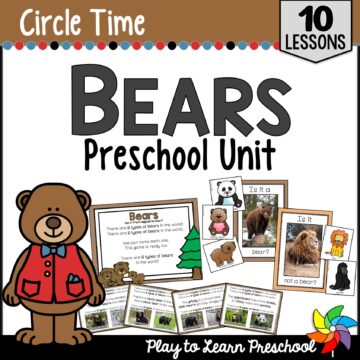
- Monday (Identification): Introduce the eight species of bears; start the "Bear or Not a Bear" sorting game.
- Tuesday (Habitat): Explore different environments via live cams; begin observation logs.
- Wednesday (Science): Focus on hibernation; build classroom "dens" and discuss seasonal changes.
- Thursday (Math/Literacy): Use bear counters for patterning; perform a felt-board retelling of a favorite bear story.
- Friday (Social/Synthesis): Host the Teddy Bear Picnic; review the week’s data and observations.
Broader Impact and Educational Implications
The implementation of such comprehensive thematic units has significant implications for long-term academic success. By providing a multi-sensory and interdisciplinary approach, educators cater to various learning styles—visual, auditory, and kinesthetic.
Furthermore, the bear theme addresses the "whole child" by balancing academic rigor with social-emotional support. The transition from the "scary" wild bear to the "comforting" teddy bear helps children process complex emotions and develop empathy for living creatures. As children observe, count, sort, and retell, they are not just learning about bears; they are developing the cognitive tools necessary for Kindergarten readiness and beyond.

In conclusion, preschool bear activities represent a sophisticated blend of traditional play and modern educational standards. By grounding abstract concepts in the tangible and fascinating world of bears, educators ensure that the learning process is not only memorable but also serves as a robust foundation for the child’s future academic journey. The success of these units underscores the importance of intentional, theme-based planning in the early childhood classroom.
Related posts: