The culinary landscape of weeknight dinners is constantly evolving, driven by the demand for speed, flavor, and family-friendly appeal. In this arena, the humble French bread pizza has emerged as a versatile and beloved option. The specific iteration of French Bread BBQ Chicken Pizza, as detailed in recent culinary spotlights, represents a significant trend in home cooking: the fusion of accessible ingredients with bold, popular flavor profiles. This approach not only simplifies meal preparation but also taps into the widespread appreciation for barbecue flavors, a staple in American cuisine that has seen a resurgence in popularity across various dining formats.
The allure of this particular recipe lies in its inherent efficiency and adaptability. By utilizing pre-baked French baguettes as the foundation, it bypasses the time-consuming and often intricate process of crafting pizza dough from scratch. This strategic choice directly addresses the primary constraint for many home cooks: time. With a preparation time of approximately 10 minutes and a cooking time of around 15 minutes, the entire meal can be on the table in under 30 minutes. This rapid turnaround is particularly advantageous for households juggling work, school, and extracurricular activities, offering a satisfying meal without the lengthy commitment often associated with traditional homemade pizza.
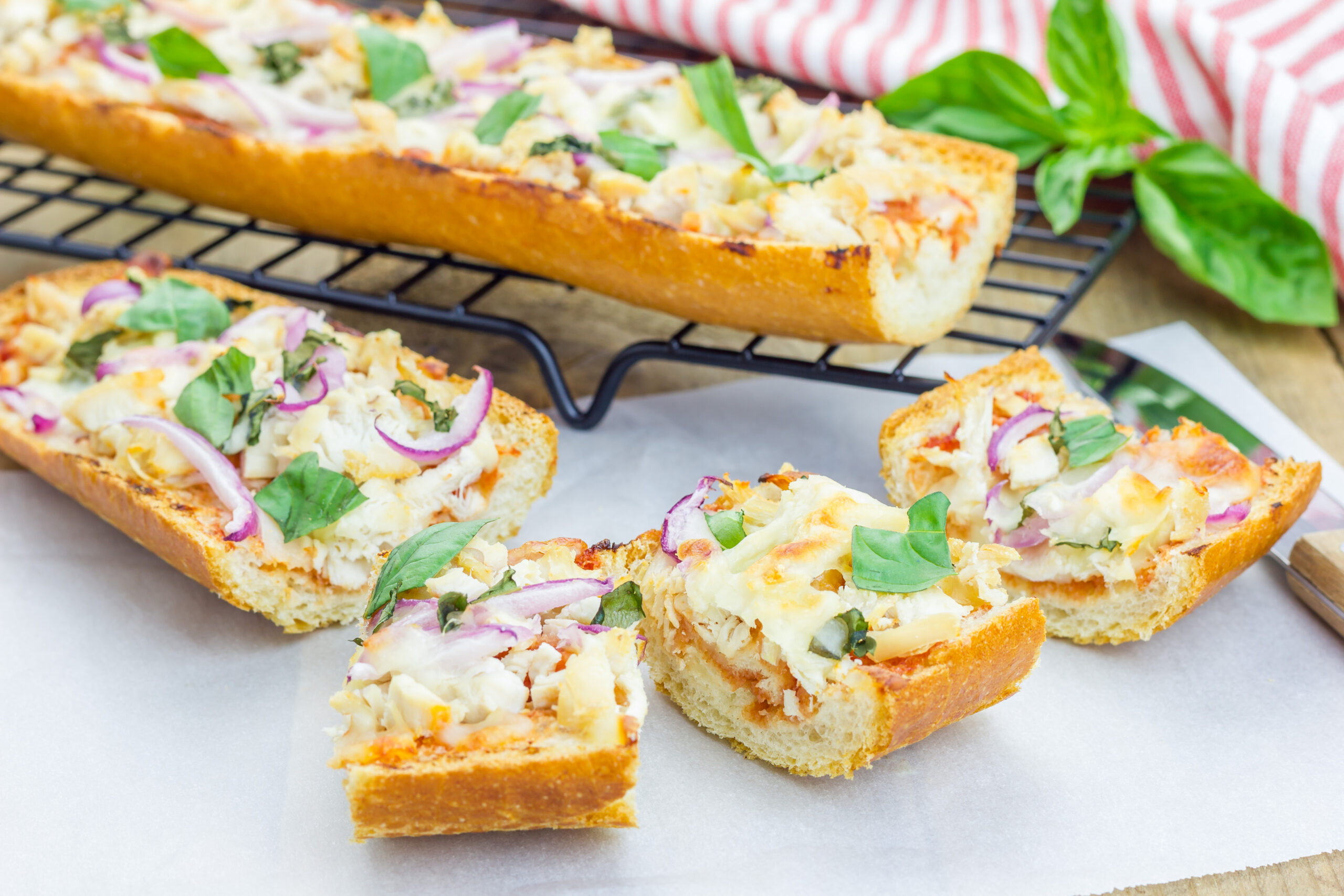
The flavor profile of BBQ chicken pizza is a well-established crowd-pleaser. The combination of sweet, tangy barbecue sauce, savory chicken, and melted cheese creates a harmonious taste experience that appeals to a wide demographic. The use of a crispy baguette base adds a textural contrast, providing a satisfying crunch that complements the softer toppings. This textural dimension is often a key differentiator in differentiating a good pizza from a great one.
The Rise of Convenience-Focused Cuisine
The popularity of recipes like the French Bread BBQ Chicken Pizza is indicative of a broader shift in consumer behavior and culinary trends. In recent years, there has been a marked increase in the demand for convenience foods that do not compromise on taste or perceived healthiness. This has fueled the growth of meal kit services, pre-prepared meal options, and, importantly, recipes that leverage readily available ingredients to create flavorful meals with minimal effort. The USDA’s Economic Research Service has noted consistent growth in the prepared foods sector, highlighting a consumer willingness to pay for meals that reduce preparation time. This French bread pizza recipe directly aligns with this market demand, offering a homemade solution that rivals the convenience of store-bought alternatives.
Furthermore, the integration of popular flavor profiles like barbecue into familiar formats like pizza is a testament to the dynamic nature of food trends. Barbecue, traditionally associated with grilling and outdoor cooking, has transcended its origins to become a versatile flavor enhancer in a multitude of dishes, from sandwiches to pasta. Its inclusion in this pizza recipe taps into this established fondness, ensuring broad appeal. Data from market research firms like Mintel has consistently shown barbecue sauce as one of the top-selling condiments, underscoring its enduring popularity and the market’s receptiveness to its flavor profile in new applications.
Strategic Simplification: The Baguette Base
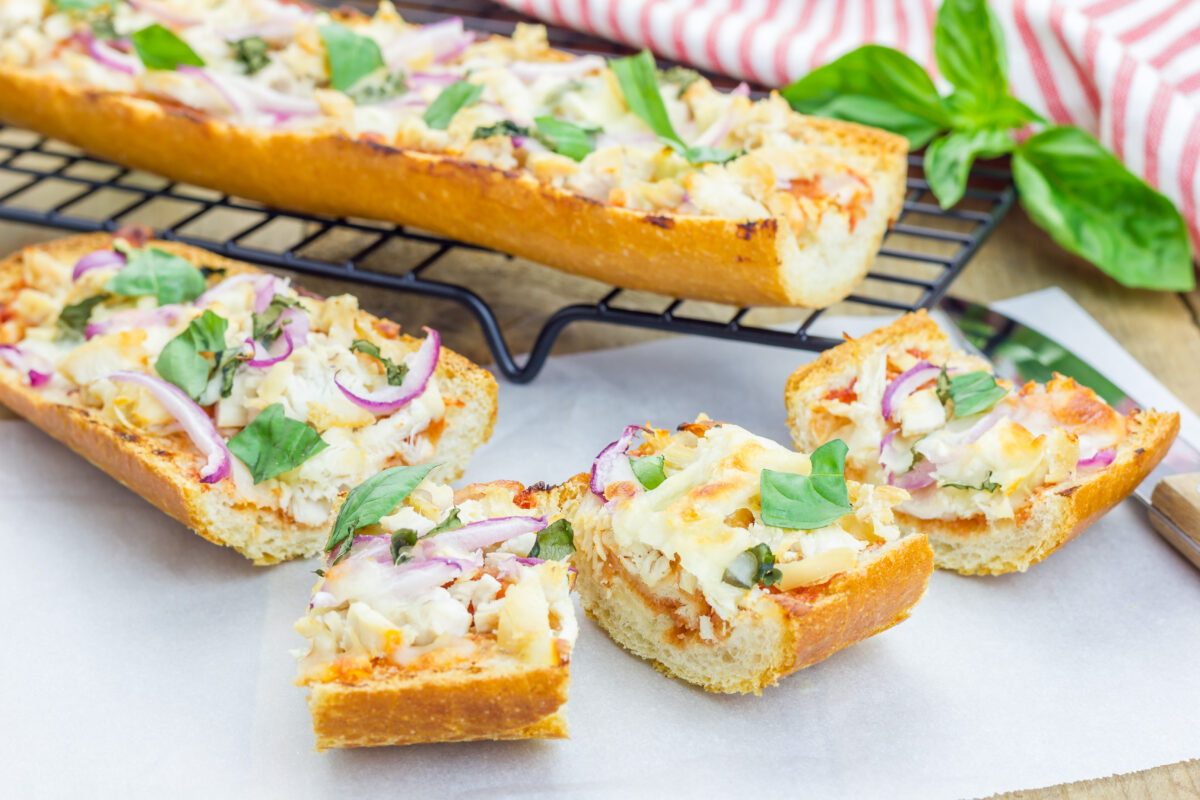
The choice of a French baguette as the pizza base is a cornerstone of this recipe’s success. Unlike traditional pizza dough, which requires proofing and stretching, a baguette offers an instant, ready-to-use canvas. Its pre-baked nature ensures a crispy crust, a characteristic that many diners find desirable in their pizza experience. The crust’s ability to hold up to toppings without becoming soggy is a critical factor, and the density of a baguette is well-suited to this task. This approach eliminates a common barrier to homemade pizza for many individuals: the perceived difficulty of making dough.
The inherent simplicity of the baguette base also contributes to the recipe’s speed. A standard baguette can be easily sliced lengthwise, creating two ready-made pizza bases. This straightforward preparation step allows cooks to move quickly to the topping stage, further contributing to the under-30-minute total time. The baguette’s cylindrical shape also lends itself to easy portioning, making it an ideal choice for individual servings or for cutting into manageable slices for sharing.
Nutritional Considerations and Adaptations
While the recipe emphasizes speed and flavor, it also offers opportunities for nutritional customization, aligning with the growing consumer interest in healthier eating habits. The core components – chicken and barbecue sauce – can be adapted to suit various dietary preferences and health goals. For instance, using lean chicken breast and opting for lower-sugar or homemade barbecue sauces can significantly enhance the nutritional profile.
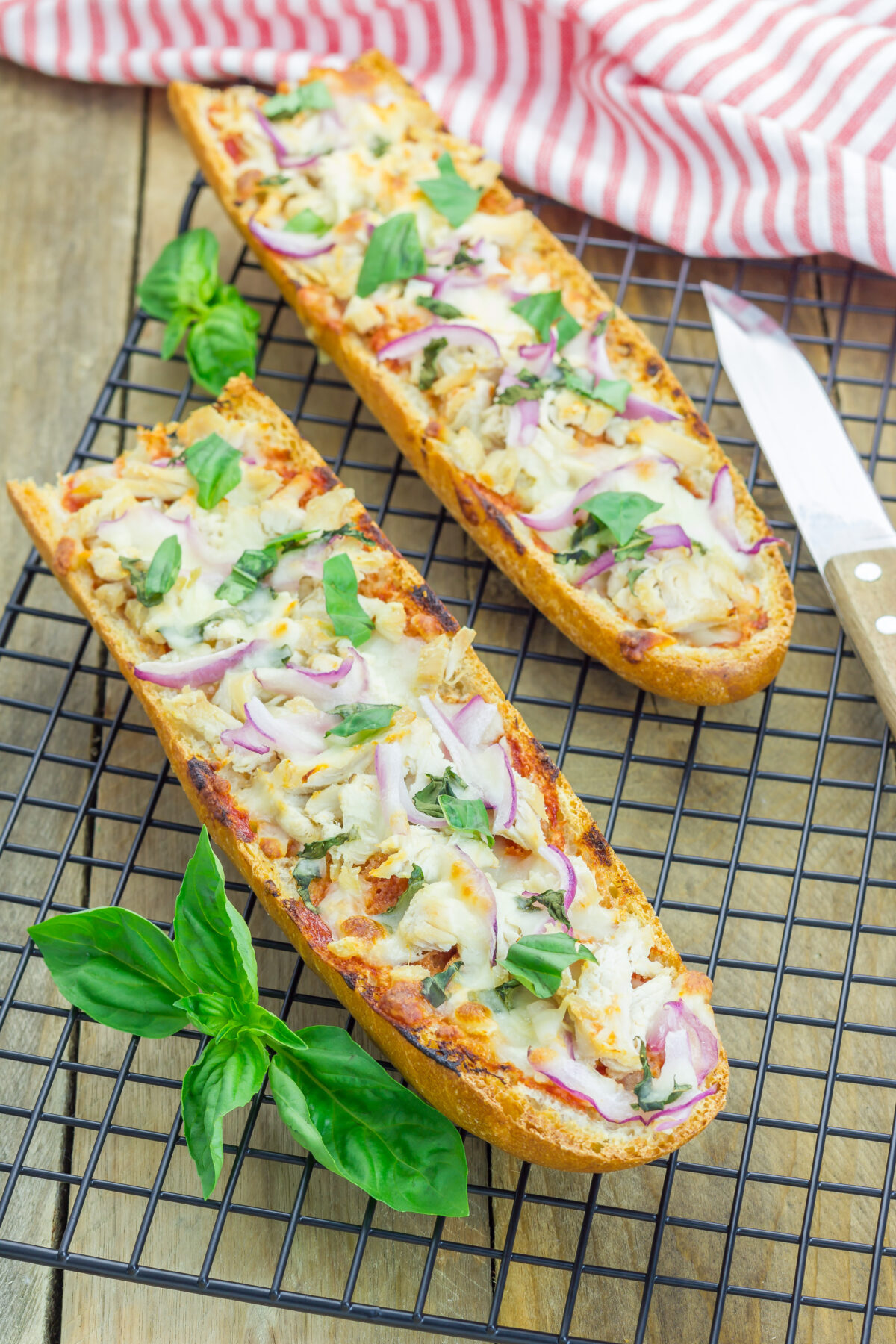
The recipe also explicitly encourages variations, a key feature that appeals to modern home cooks. These suggested adaptations highlight the flexibility of the French bread pizza format:
- Spicy Variations: Incorporating ingredients like red pepper flakes, jalapeños, or a spicier barbecue sauce caters to those who enjoy a kick. This can elevate the flavor complexity and appeal to a wider palate.
- Cheese Swaps: While mozzarella is a classic choice, suggesting alternatives like cheddar, Monterey Jack, or a blend of cheeses allows for diverse flavor profiles and textures. Different cheeses melt differently and offer distinct tastes, providing an avenue for personalization.
- Vegetable Additions: The inclusion of vegetables such as red onion, bell peppers, corn, or even spinach broadens the nutritional content and adds vibrant color and flavor. This is a crucial aspect for families aiming to increase vegetable intake. The visual appeal of colorful vegetables can also make the pizza more enticing, particularly for children.
These variations underscore the recipe’s potential as a foundational meal that can be tailored to individual needs and preferences, moving beyond a single, fixed dish to a flexible culinary concept.
Storage and Reheating Best Practices
Effective storage and reheating are crucial for maximizing the enjoyment of any prepared meal, and French bread BBQ chicken pizza is no exception. The provided guidance suggests refrigeration for leftovers for up to three days. This timeframe is consistent with general food safety recommendations for cooked foods.
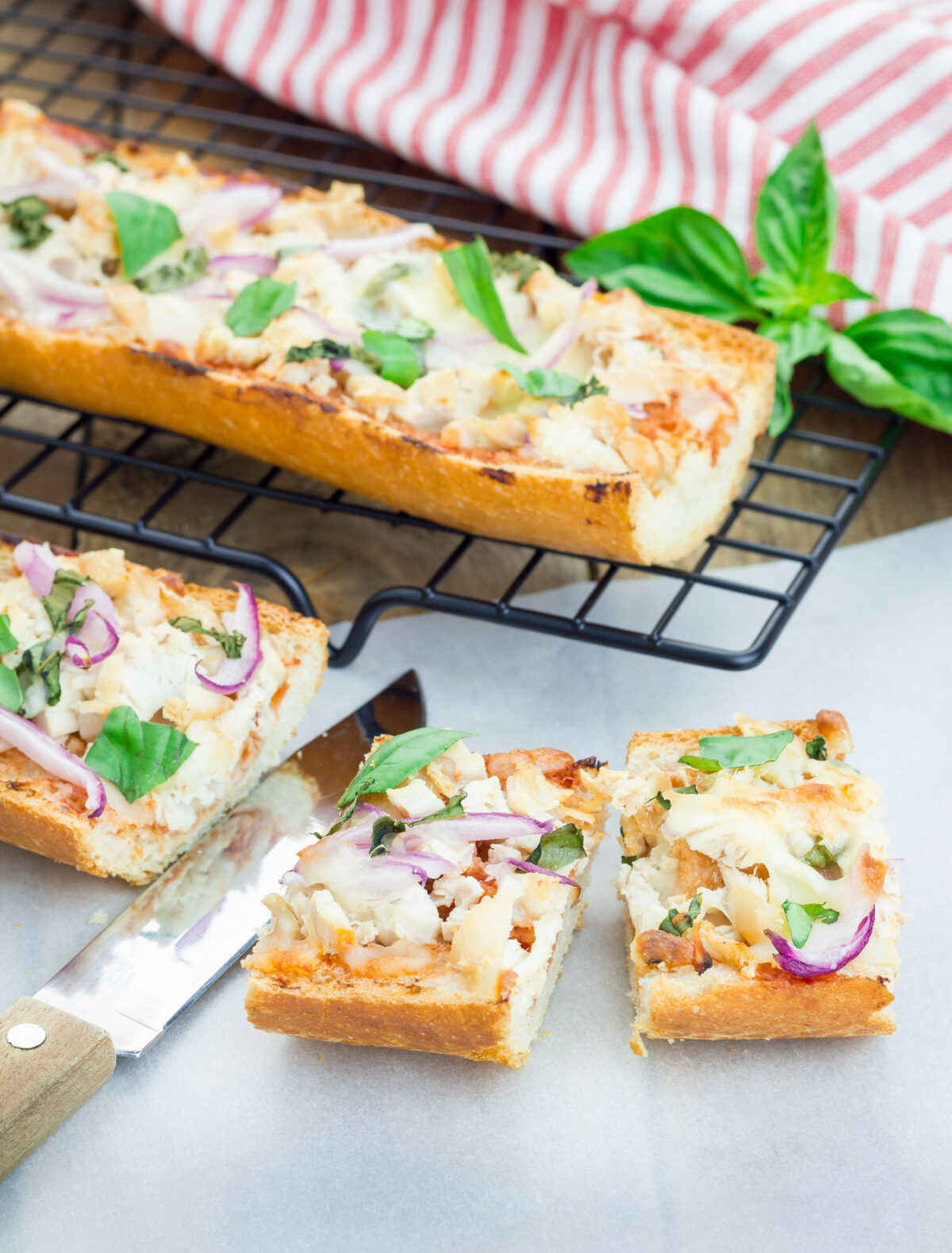
The reheating instructions are particularly important for preserving the pizza’s desirable texture. Recommending the oven or air fryer over methods like the microwave is a strategic choice. The microwave, while fast, often results in a soggy crust. Conversely, the dry heat of an oven or air fryer helps to re-crisp the baguette base and melt the cheese evenly, thereby recreating a texture close to that of freshly made pizza. This attention to reheating detail elevates the recipe from a simple quick meal to one that can be enjoyed over several days with optimal results.
Broader Impact and Future Trends
The enduring popularity of recipes like the French Bread BBQ Chicken Pizza reflects a larger narrative in contemporary home cooking. It signifies a move towards smart, efficient meal solutions that prioritize flavor and family engagement. The ability to adapt and customize such recipes also speaks to a growing desire among consumers for greater control over their food, both in terms of ingredients and taste.
As busy lifestyles continue to define modern living, the demand for quick, versatile, and crowd-pleasing recipes is likely to persist. Culinary innovation will continue to explore how to simplify complex dishes and integrate popular flavor trends into accessible formats. The French bread pizza, with its inherent adaptability and straightforward preparation, stands as a prime example of this ongoing evolution, offering a satisfying and enjoyable dining experience that meets the demands of contemporary life. This trend suggests a future where home cooking becomes even more streamlined, with an emphasis on quality ingredients and bold, familiar flavors that can be prepared with minimal fuss. The success of such recipes underscores the importance of understanding consumer needs for speed, taste, and flexibility in the kitchen.
Related posts: