The Transformative Power of Name Songs in Early Childhood Education and Literacy Development

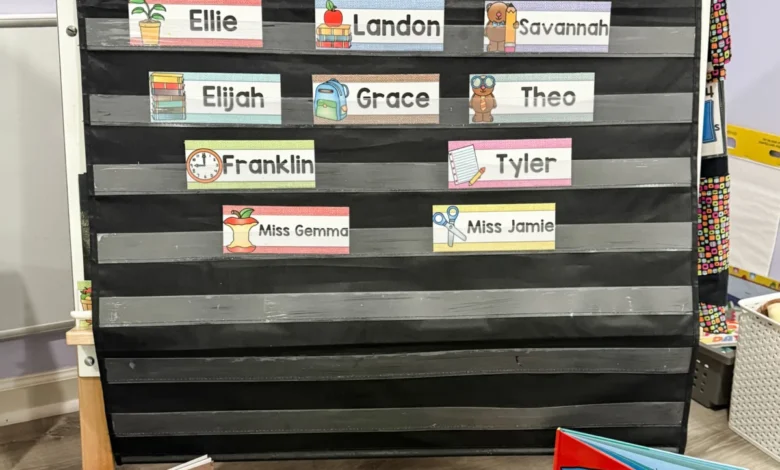
The modern early childhood classroom relies heavily on foundational strategies that bridge cognitive development, emotional security, and social integration. Among these, the integration of personalized name songs during circle time and daily transitions has emerged as a cornerstone pedagogy for preschool educators. As early literacy frameworks increasingly emphasize phonological awareness and print motivation, teachers are turning to musical routines to introduce young learners to the mechanics of language. A child’s name serves as their primary anchor in a print-rich environment, functioning as the initial recognizable word and the primary catalyst for early writing attempts.
Recent pedagogical findings underscore the efficacy of embedding names into melodic structures. When educators utilize name songs, children demonstrate heightened attention spans, greater participation rates, and a smoother transition into group learning activities. This educational approach aligns closely with developmental guidelines established by organizations such as the National Association for the Education of Young Children (NAEYC), which consistently highlights the symbiotic relationship between musical engagement and language acquisition in early childhood.
Background and Pedagogical Context
Historically, circle time has served as the anchor of the preschool day, designed to transition children from individual or family settings into a collective learning environment. However, managing the attention and emotional needs of toddlers and preschoolers during these group sessions presents a persistent challenge for educators. Early childhood development research establishes that young children thrive on predictability, which alleviates anxiety and fosters a sense of psychological safety.
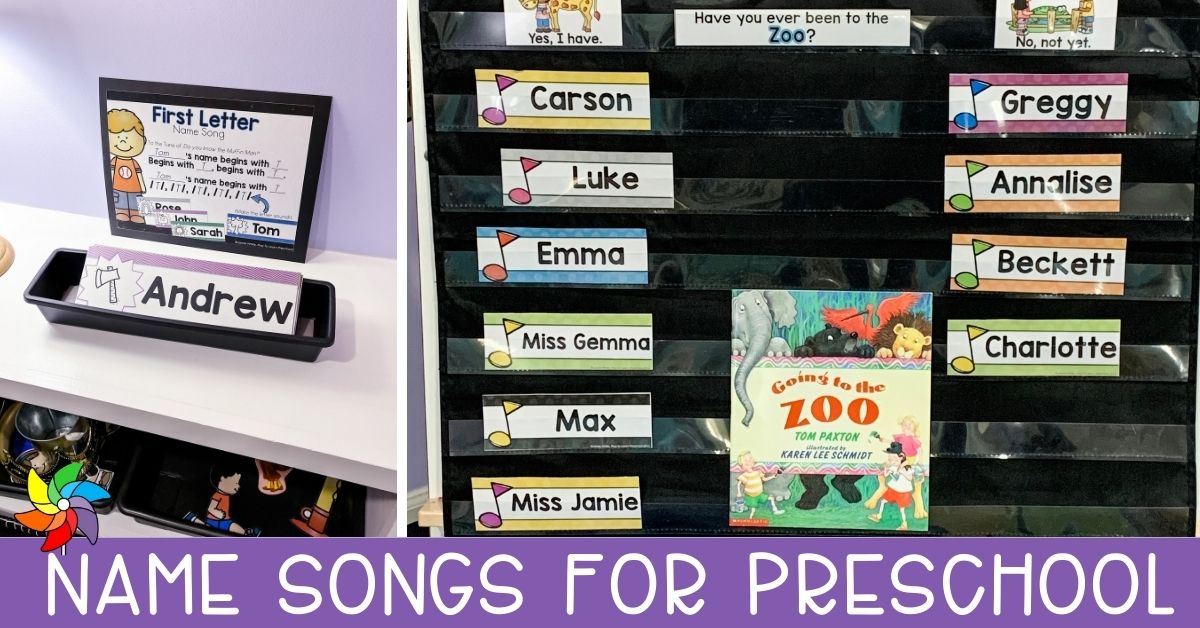
By initiating group sessions with a familiar musical greeting—such as a repetitive cadence incorporating each student’s name—teachers establish a reliable auditory cue. This predictable rhythm signals to the child that a transition is occurring, allowing them to mentally prepare for structured group participation. Over successive weeks, the consistent repetition of these melodies enables children to internalize the pattern, shifting from passive listeners to confident, active participants. Educational specialists note that maintaining a steady routine before introducing novel musical elements ensures that children remain comfortable, engaged, and receptive to new learning stimuli.
The Mechanics of Early Literacy Through Music
The cognitive bridge between music and literacy is well-documented in developmental psychology. Melody and rhythm engage multiple areas of the brain simultaneously, reinforcing memory retention and pattern recognition. When preschoolers repeatedly hear their own names and the names of their peers set to music, they naturally begin to dissect phonetic components, syllable breaks, and letter-sound correspondences.
This auditory exposure lays the groundwork for critical foundational skills, including:
- Phonemic awareness, as children isolate individual sounds within familiar words.
- Syllable segmentation, often enhanced through clapping or the use of rhythm instruments.
- Print motivation, driven by the personal relevance of seeing and hearing one’s own name.
- Vocabulary expansion and memory recall facilitated by predictable song structures.
To maximize these benefits, early childhood educators frequently integrate tactile props into musical routines. Items such as rhythm instruments, movement scarves, and personalized name tags allow children to physically manifest the rhythm and syllables of language. This multisensory approach accommodates diverse learning styles, ensuring that kinesthetic, auditory, and visual learners alike can access and internalize foundational literacy concepts without the pressure traditionally associated with formal academic instruction.

Fostering Classroom Community and Emotional Security
Beyond academic readiness, name songs play a vital role in social-emotional development. In a classroom setting comprising diverse backgrounds and temperaments, establishing a shared identity is paramount. Hearing one’s name sung in a welcoming, collective environment validates a child’s presence and individuality, cultivating a deep-seated sense of belonging.
Child development specialists emphasize that the first weeks of a school year are critical for building relational trust. Predictable daily rituals, such as personalized roll-call songs, help mitigate separation anxiety by assuring children that they are seen, valued, and anticipated by their peers and teachers. Furthermore, as children listen to the names of their classmates sung day after day, they develop peer recognition and empathy. This shared musical experience transcends mere name identification; it actively knits the classroom community together, forging interpersonal connections that support collaborative play and cooperative behavior throughout the school year.
Expanding Implementation Beyond Circle Time
While circle time remains the primary venue for name-based musical activities, educational best practices advocate for the integration of these strategies throughout the entire daily schedule. Educators are increasingly embedding name cards and song lyrics into learning centers across the classroom ecosystem.

For instance, incorporating student name cards into the writing center provides an authentic, self-directed opportunity for children to practice letter formation and name tracing. Similarly, placing name-related materials in sensory bins transforms tactile exploration into a game of letter matching and identification. During chaotic transitions—such as lining up for recess or moving between stations—utilizing familiar name songs maintains order and focus. Because the children already recognize the musical cues, they respond promptly, reducing behavioral friction and maximizing instructional time.
Administrative Tools and Resource Integration
To alleviate the administrative burden on preschool educators, who frequently spend hours generating customized materials for diverse rosters, resource developers have introduced scalable solutions. Modern curriculum packages now offer automated templates where teachers can input a class list once to generate a comprehensive suite of interactive songs and personalized student cards. These standardized yet customizable tools support foundational skill development—including spelling, rhyming, and letter recognition—while reclaiming valuable planning time for instructors.
Broader Impact and Policy Implications
The broader implications of integrating music-based literacy interventions in preschool settings point toward long-term academic advantages. Longitudinal studies in early education consistently indicate that children who enter kindergarten with a strong grasp of phonological awareness and print concepts demonstrate superior reading comprehension and academic performance in later elementary grades.

As educational policymakers continue to prioritize evidence-based practices in early childhood education, structured musical routines are increasingly recognized as cost-effective, high-impact interventions. By harnessing the innate developmental pull of personal identity and musical rhythm, educators can bridge the gap between play-based environments and formal academic readiness. Ultimately, the systematic use of name songs transcends simple classroom management, serving as a powerful, equitable tool that empowers every child to take their first confident steps into the world of literacy.
Related posts: