Mastering the Ultimate Easy Mexican Rice Recipe for Family Dinners and Meal Prep

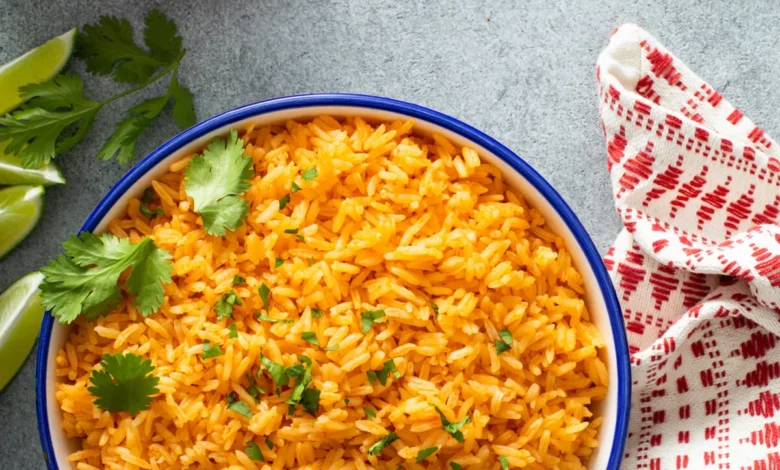
Culinary enthusiasts and home cooks searching for the quintessential accompaniment to weeknight Mexican-inspired dishes have long sought a foolproof method for preparing authentic-tasting Mexican rice. Often referred to interchangeably in the United States as Spanish rice, this vibrant, tomato-infused grain dish serves as a fundamental staple in Tex-Mex and traditional Mexican gastronomy. Food researchers and culinary historians note that while authentic regional variations across Mexico differ vastly in their use of herbs, broths, and aromatics, the standardized version popularized in modern home kitchens relies on a specific balance of pantry staples: long-grain white rice, ripe tomatoes, savory broth, onions, garlic, and mild spices. Culinary experts emphasize that achieving the ideal fluffy texture—where individual grains remain completely separate rather than clumping into a mushy mass—is a technical feat dependent on precise preparation methods, most notably the crucial step of toasting the raw grains in oil before simmering.
Historical Context and Cultural Significance of Mexican Rice
The history of rice in Mexican cuisine is deeply intertwined with global trade routes established during the colonial era. Rice (Oryza sativa) was introduced to the Americas by Spanish conquistadors in the 16th century, having previously traveled from Asia through the Middle East and the Mediterranean Iberian Peninsula. Indigenous Mesoamerican populations, who traditionally relied on maize, beans, squash, and amaranth as their primary dietary foundations, readily integrated rice into local agriculture and regional cooking styles.
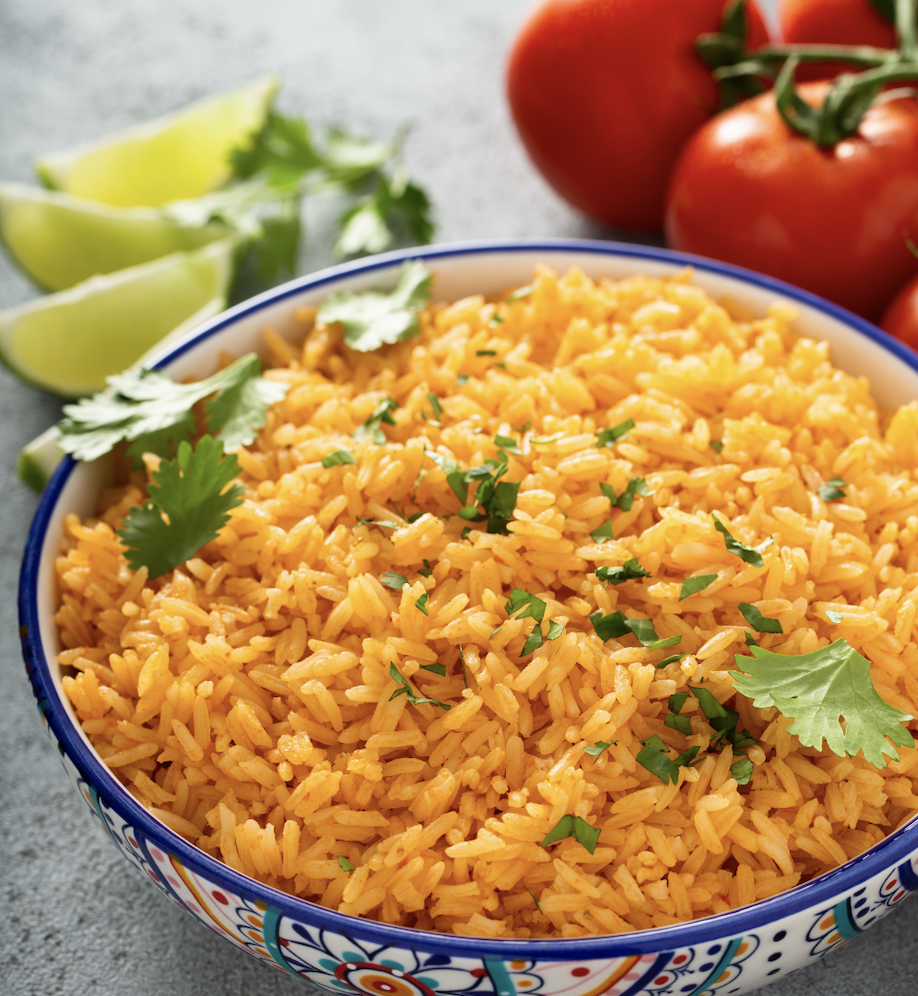
Over centuries, cooks in various regions of Mexico adapted the imported grain to local flavor profiles, combining it with native ingredients such as tomatoes, chilies, garlic, and onions. In contemporary gastronomy, Mexican rice functions far beyond a mere filler; it acts as a flavor vehicle that absorbs rich broths and spices, anchoring meals that feature grilled meats, enchiladas, tacos, and hearty burrito bowls. The distinction between true Mexican rice and traditional Spanish rice lies primarily in the use of saffron and specific regional herbs in the Iberian Peninsula, whereas the Mexican adaptation heavily emphasizes tomatoes, cumin, and garlic.
The Science Behind Fluffy, Non-Sticky Rice
For many home cooks, the primary challenge of preparing rice dishes involving liquid additions like tomato sauce or broth is avoiding a heavy, starchy, or mushy consistency. Food scientists and professional chefs point to two foundational culinary techniques that guarantee success: rinsing and toasting.
Raw white rice is coated in a layer of surface starch that, when introduced directly to boiling liquid, gelatinizes and causes the individual grains to bind together. Thoroughly rinsing the long-grain white rice under cold water until the runoff is clear removes this excess surface starch. Following the rinse, allowing the grains to drain completely is vital to maintaining the exact water-to-liquid ratio required for proper cooking.
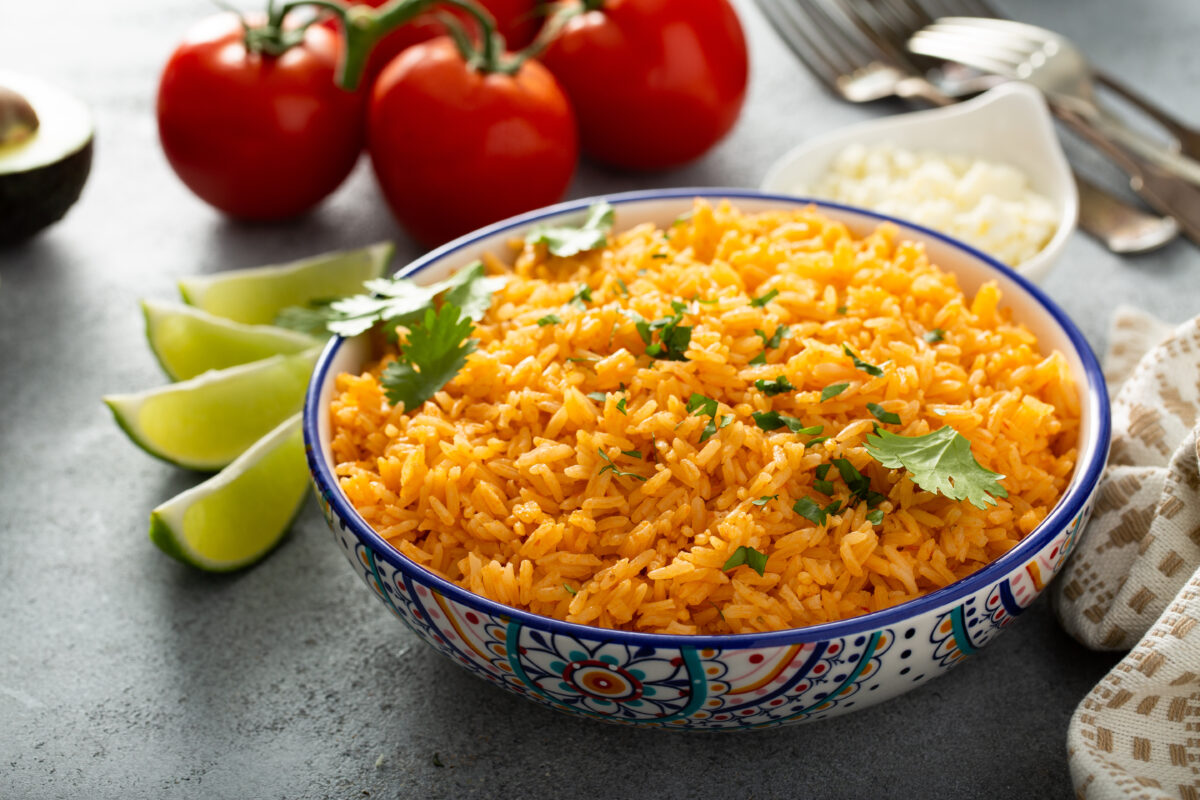
The second critical technique is toasting, a process deeply embedded in traditional culinary methods. By sautéing the rinsed and drained rice grains in a small amount of neutral oil over medium heat until they turn lightly golden and emit a nutty aroma, the outer layer of the starch is temporarily sealed. This slight roasting process not only imparts a complex, toasted flavor profile but also creates a protective barrier around each grain, ensuring that they absorb the surrounding broth evenly without breaking down or turning gummy during the simmer phase.
Step-by-Step Preparation and Optimal Cooking Chronology
Executing this recipe efficiently requires a structured timeline that ensures all components come together harmoniously within approximately 35 minutes.
The preparation phase occupies the initial 10 minutes. During this window, home cooks gather and prep the core ingredients: long-grain white rice, chicken or vegetable broth, tomato sauce or freshly blended tomatoes, minced garlic, finely diced yellow onions, a neutral cooking oil with a high smoke point, and ground spices such as cumin and mild chili powder. Rinsing and draining the rice is completed during this initial period.
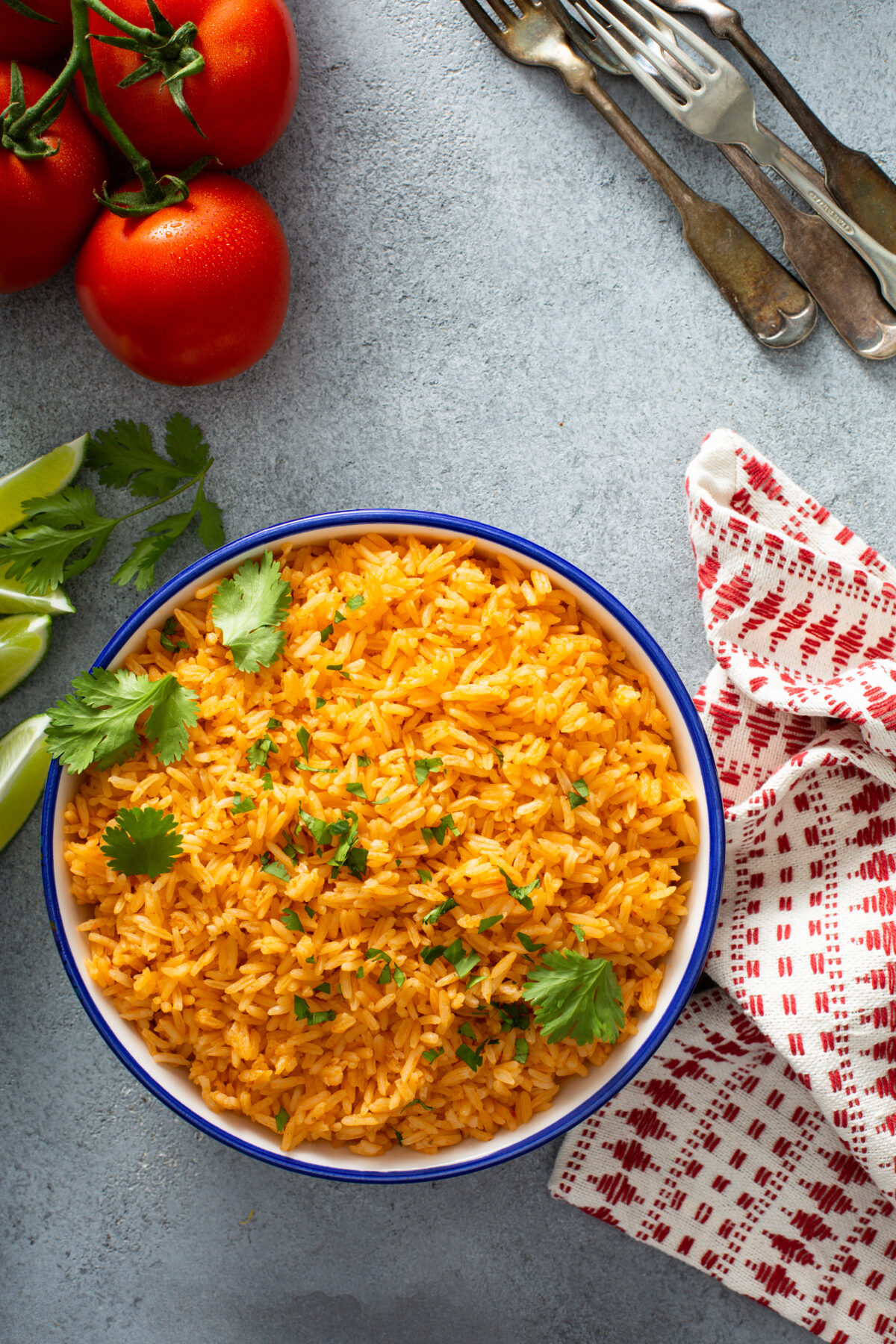
The active cooking phase spans the subsequent 25 minutes and follows a strict chronological progression:
- Aromatic Sauté (3–5 minutes): Heat the oil in a heavy-bottomed skillet or saucepan over medium heat. Add the diced onions and cook until translucent and fragrant, then stir in the minced garlic for the final minute to prevent burning.
- The Toasting Stage (4–6 minutes): Add the drained long-grain white rice directly to the pan with the aromatics and oil. Stir continuously until the edges of the rice grains turn a delicate golden-brown color and display a distinct nutty fragrance.
- Liquid Integration (2 minutes): Pour in the chicken or vegetable broth, tomato sauce, and spices (cumin, chili powder, salt, and black pepper). Stir once to combine all elements evenly.
- The Simmer and Steam (15–20 minutes): Bring the mixture to a gentle boil, immediately reduce the heat to the lowest setting, and cover the pan tightly with a secure lid. Culinary professionals stress the importance of leaving the lid completely undisturbed during this phase; lifting the lid releases vital steam and disrupts the precise thermal equilibrium necessary for even cooking.
- The Rest Period (5–10 minutes): Remove the pan from the heat source, keeping the lid securely fastened. This crucial resting window allows residual moisture to redistribute evenly throughout the grains, firming up their structure and making them exceptionally easy to fluff with a fork.
Nutritional Profile and Dietary Adaptability
As consumer demand for balanced, home-cooked family meals continues to rise, recipes that offer high nutritional adaptability without sacrificing flavor remain in high demand. This basic Mexican rice formulation provides a solid foundation of complex carbohydrates, while remaining naturally low in fat.
Nutritionists note that the dish can be easily modified to suit various dietary preferences and health requirements:
- Vegetarian and Vegan Adaptations: Substituting traditional chicken broth with a nutrient-dense vegetable stock maintains the savory umami depth while eliminating animal products.
- Fiber and Micronutrient Boosters: Incorporating diced bell peppers, sweet corn, green peas, or finely grated carrots directly into the sautéing aromatics increases the dish’s vitamin profile and dietary fiber content.
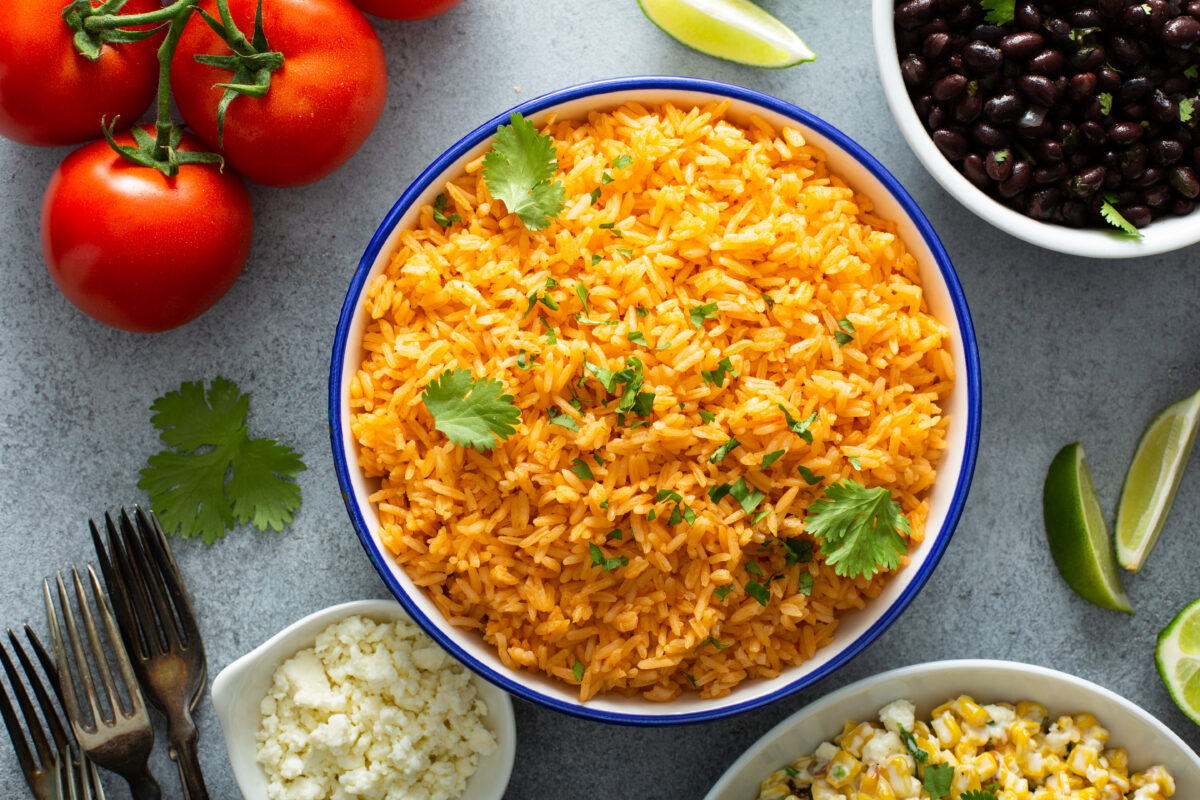
- Protein Enrichment: Transitioning the side dish into a complete, balanced one-pot meal is effortlessly achieved by folding in rinsed black beans, pinto beans, shredded chicken, or seasoned lean ground turkey during the final resting phase.
- Allergy and Sensitivity Modifications: The recipe is inherently gluten-free, provided that the chosen broths and tomato products are certified free of gluten additives. For families sensitive to capsaicin or strong spices, omitting the chili powder and jalapeños ensures a palate-friendly profile for young children.
Storage, Freezing, and Food Safety Protocols
Proper handling and storage of cooked grains are essential components of safe home meal preparation. According to food safety guidelines issued by public health agencies, cooked rice should not be left at room temperature for extended periods due to the potential proliferation of Bacillus cereus, a spore-forming bacterium commonly found in raw grains.
- Refrigeration: Leftover Mexican rice should be cooled rapidly and transferred to an airtight container within two hours of cooking. Properly sealed, the rice will maintain optimal quality and safety in the refrigerator for up to four days.
- Reheating Techniques: To restore moisture to chilled rice, sprinkle a small splash of broth or water over the grains before reheating. When microwaving, cover the container with a microwave-safe lid or a damp paper towel to trap steam. Alternatively, reheating in a covered skillet over low heat with a tablespoon of added liquid revives the original fluffy texture.
- Freezing for Meal Prep: Mexican rice freezes exceptionally well. Once cooled to room temperature, the rice can be portioned into heavy-duty freezer bags or airtight containers, where it remains viable for up to three months. Thawing should occur overnight in the refrigerator prior to reheating.
Broader Economic and Culinary Implications
The enduring popularity of easy-to-prepare regional side dishes highlights a broader shift in consumer cooking habits. Amid fluctuating economic pressures and rising grocery costs, home cooks increasingly rely on versatile, inexpensive pantry staples—such as dry rice, canned tomatoes, and dried spices—to create nutrient-dense meals that satisfy diverse household palates. Recipes that minimize cleanup by utilizing a single pan, reduce food waste through flexible ingredient substitutions, and seamlessly bridge the gap between adult preferences and child-friendly tastes represent a cornerstone of modern domestic culinary strategy. As digital recipe engagement continues to expand, standardized techniques for classic dishes ensure that cultural culinary traditions remain accessible, adaptable, and vibrant within contemporary households across the globe.