The Art and Science of Preparing Perfect Baked Peaches as a Seasonal Culinary Staple

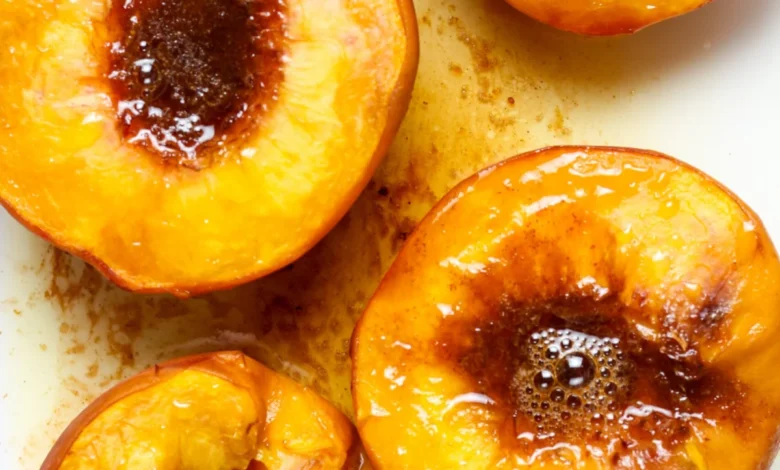
The arrival of mid-to-late summer signals the peak harvest season for stone fruits, with peaches (Prunus persica) taking center stage in both commercial produce markets and home kitchens. While fresh consumption remains the most common method of ingestion, culinary techniques such as oven-roasting or baking have gained significant traction as a method to enhance the fruit’s natural sugars and structural integrity. The preparation of baked peaches represents a sophisticated yet accessible intersection of chemistry and gastronomy, transforming the raw fruit into a tender, caramelized dessert.
Historical Context and Culinary Evolution
Peaches originated in Northwest China, evolving through thousands of years of cultivation before migrating along the Silk Road to Persia, and eventually to Europe and the Americas. Throughout history, the fruit has been celebrated for its versatility. In the 18th and 19th centuries, the practice of baking stone fruits was a staple of domestic kitchens, often serving as a primary method of preserving the harvest before the widespread availability of commercial refrigeration. Modern culinary science has refined these historical methods, focusing on the Maillard reaction—a chemical reaction between amino acids and reducing sugars that gives browned food its distinctive flavor. By subjecting peaches to consistent heat (typically 350 degrees Fahrenheit), cooks can initiate this reaction, resulting in a complex, multi-layered flavor profile that raw fruit cannot achieve.
The Chemistry of Caramelization
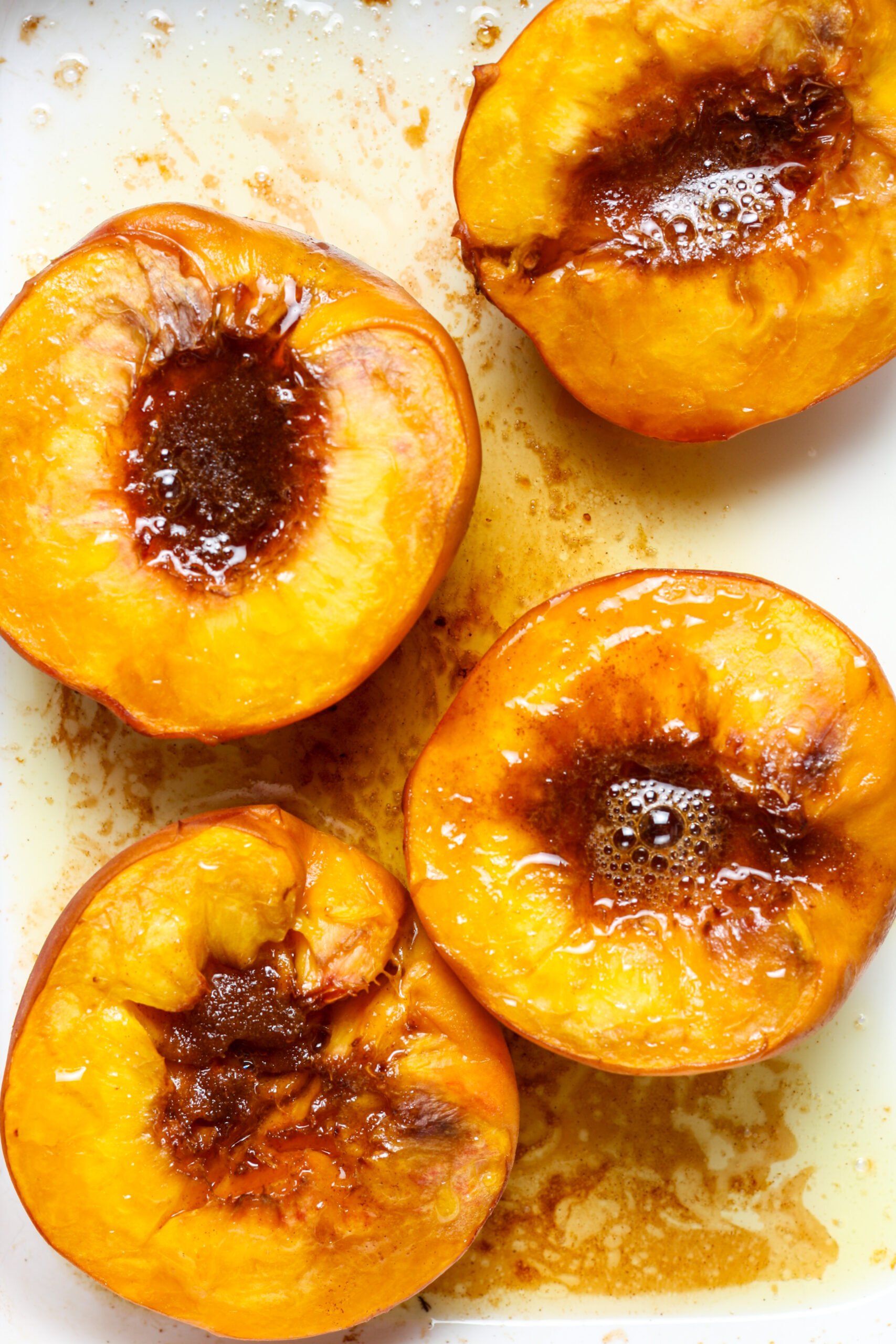
The transformation of a firm peach into a succulent dessert involves specific thermal thresholds. As the oven temperature reaches 350°F, the heat penetrates the fruit’s cell walls, causing the breakdown of pectin—the structural polysaccharide responsible for the fruit’s firmness. This process, often referred to as maceration or softening, allows the fruit to release its natural moisture.
When a mixture of butter, cinnamon, and coconut sugar is introduced, a secondary reaction occurs. The fats in the butter act as a heat-transfer medium, ensuring even cooking, while the sugars undergo caramelization. This is distinct from the Maillard reaction; caramelization involves the pyrolysis of sugar, which produces a nutty, sweet, and slightly bitter profile. The integration of cinnamon, a spice derived from the inner bark of Cinnamomum trees, introduces cinnamaldehyde, a compound that complements the peach’s natural lactones—the volatile compounds responsible for the characteristic "peach" aroma.
Standardized Preparation Protocols
To achieve optimal results, culinary professionals and home economists recommend a standardized workflow. This ensures consistency in texture and flavor:
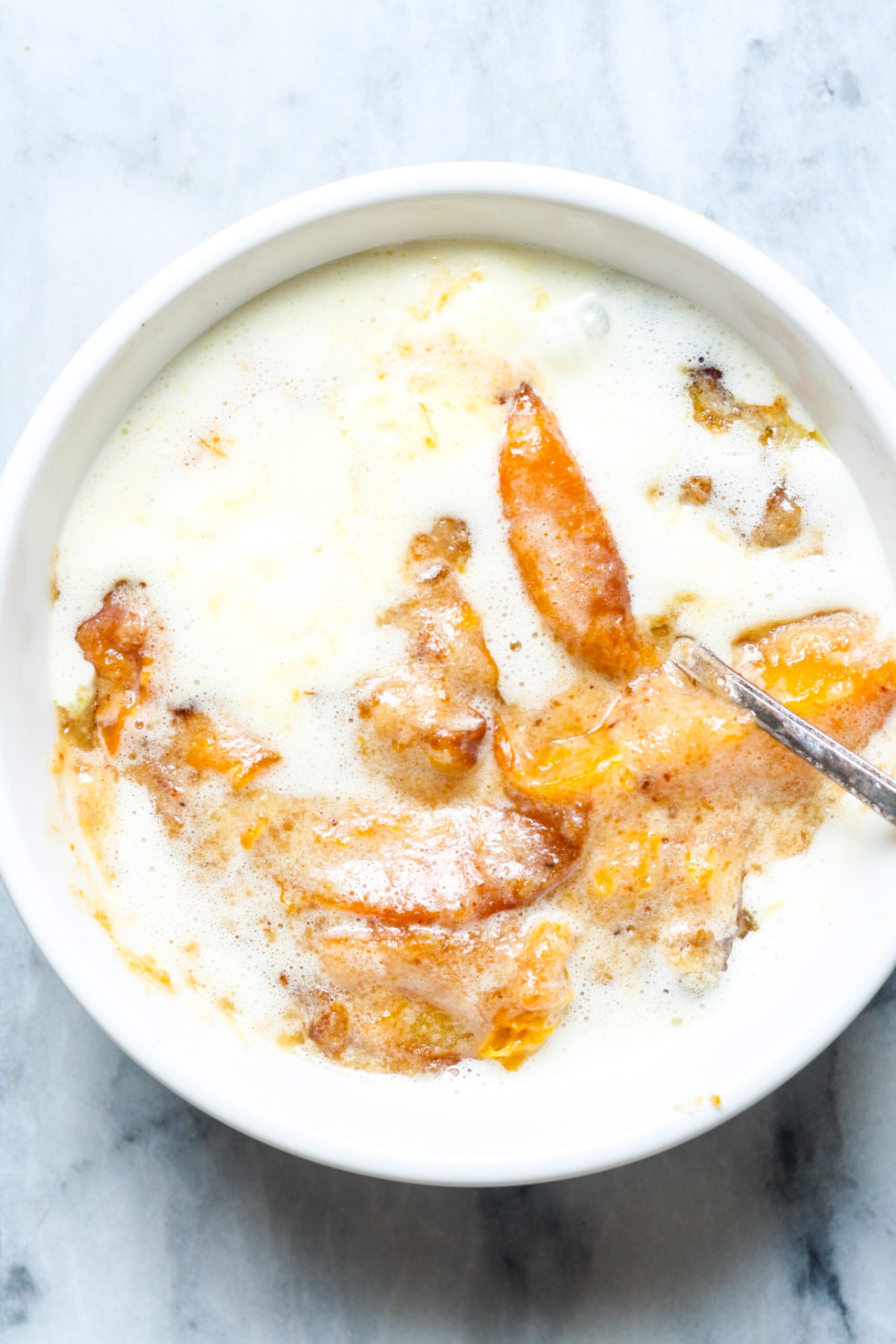
- Selection and Grading: The selection of "freestone" peaches is critical for professional-grade results. Unlike "clingstone" varieties, where the flesh adheres tightly to the pit, freestone varieties allow for clean, structural removal, which is essential for maintaining the presentation of the half-sphere.
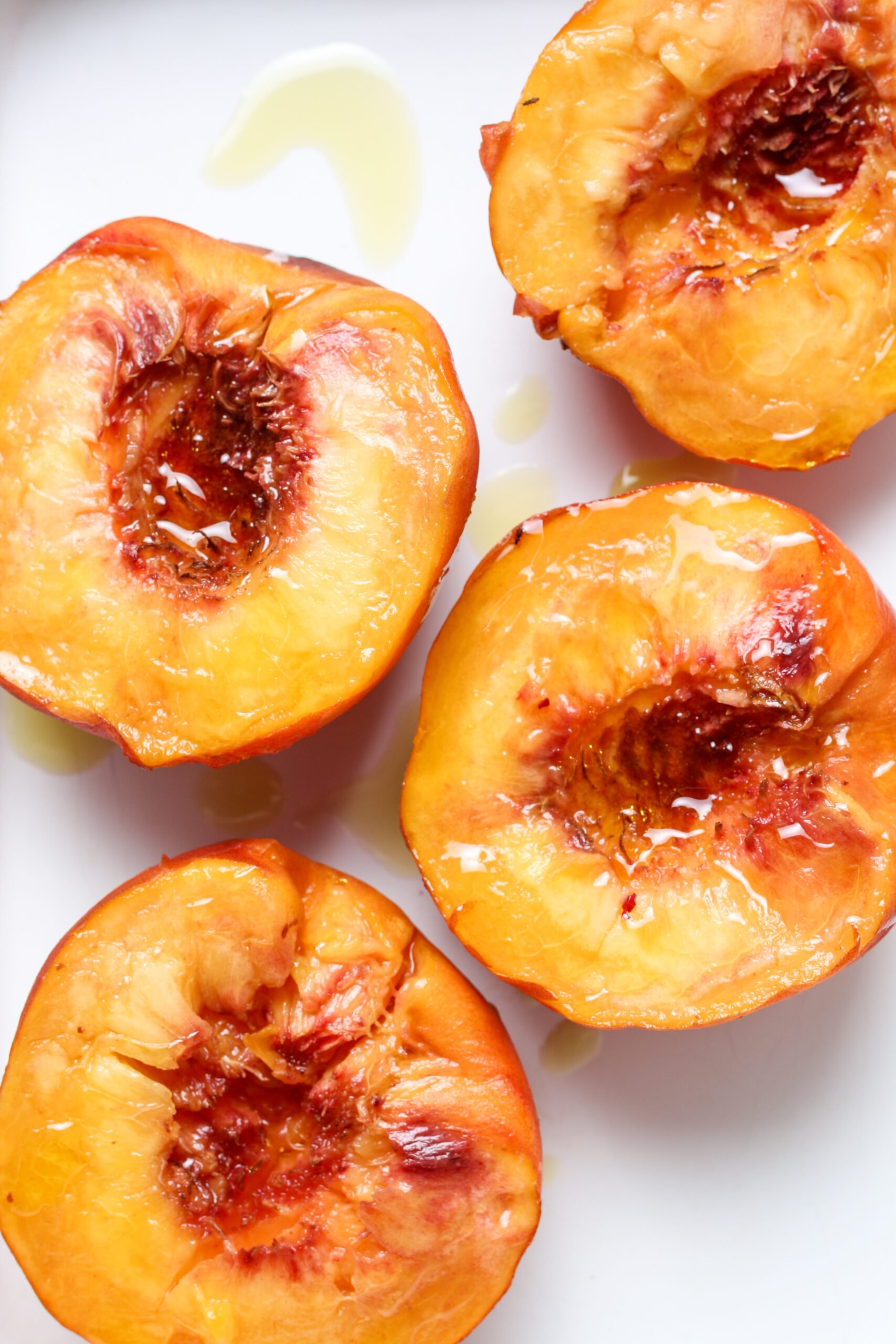
- Surface Preparation: The application of a high-smoke-point fat, such as a mild olive oil or a clarified butter, serves as a protective barrier. This prevents the delicate fruit skin from charring before the center has achieved the desired tenderness.
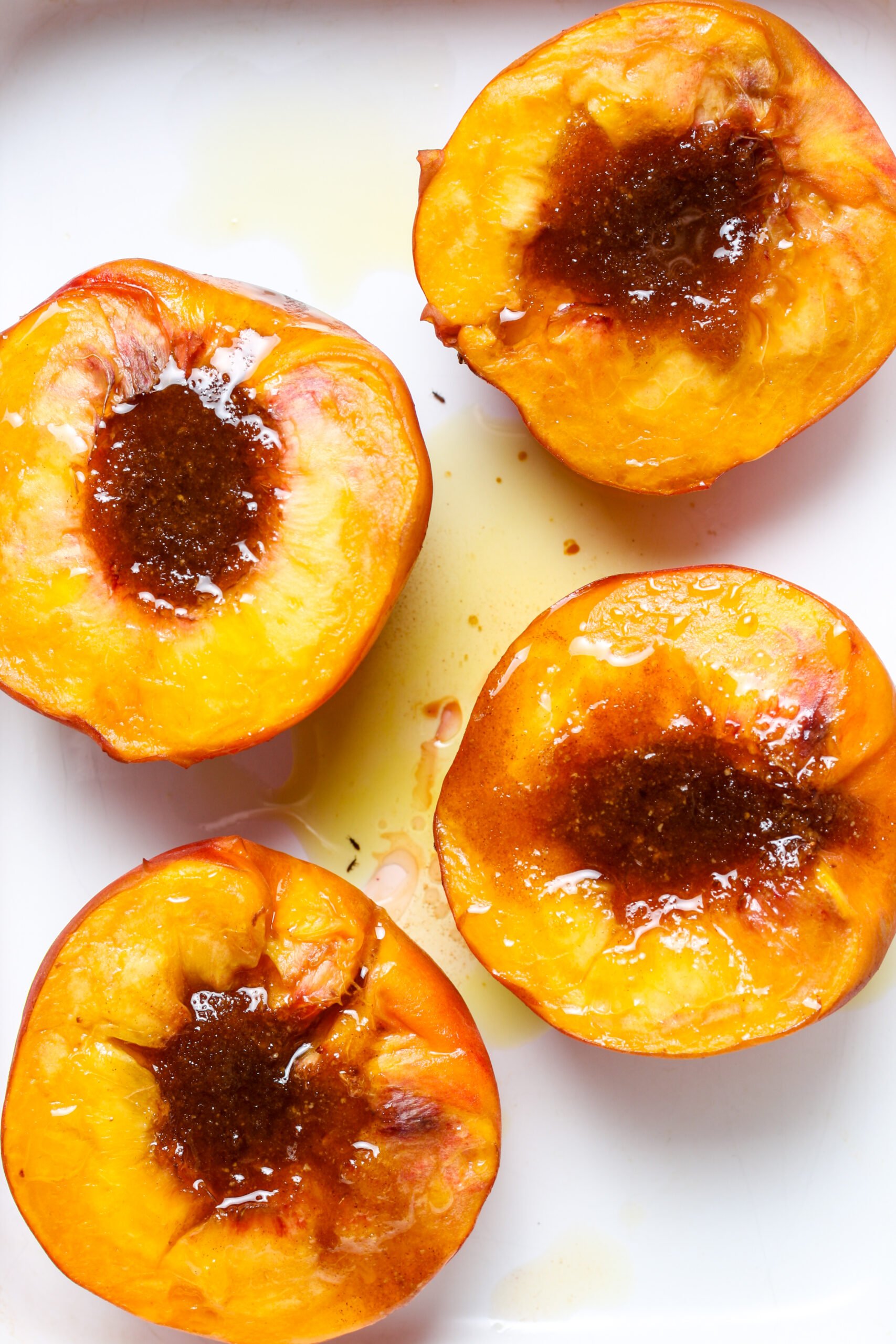
- The Thermal Interval: Industry standards for baking stone fruits suggest a two-stage heating process. An initial bake of 15 minutes allows the fruit to soften. A subsequent interval—following the addition of the sugar-cinnamon filling—of 10 to 12 minutes ensures that the filling incorporates into the cavity without causing the fruit to collapse into a purée.
Nutritional and Economic Impact
From an economic perspective, the rise of the "home-baked" dessert trend reflects a broader consumer shift toward utilizing seasonal produce. According to recent market analysis from the agricultural sector, the consumption of peaches remains high during the August peak, but waste levels also spike due to the fruit’s rapid ripening process. Baked-fruit recipes serve as an effective mitigation strategy for food waste; a peach that is slightly past its peak for raw consumption is often ideal for baking, as the increased sugar concentration in over-ripe fruit enhances the caramelization process.
Nutritionally, while the addition of butter and sugar increases the caloric density of the dish, peaches themselves provide a significant source of Vitamin C, potassium, and dietary fiber. When balanced with low-glycemic accompaniments or served in controlled portions, the baked peach is increasingly viewed by health-conscious consumers as a superior alternative to highly processed, shelf-stable confections.
Expert Recommendations for Quality Control
Culinary experts emphasize that the success of the dish is heavily dependent on the "give" of the fruit. A peach that feels rigid is under-ripe and will lack the necessary sugar concentration to caramelize effectively. Conversely, a peach that is too soft will lose its structural integrity under heat.
"The ideal state for a baking peach is a slight indentation upon gentle thumb pressure," notes industry consultant and food scientist Marcus Thorne. "This indicates that the starches have begun to convert into simple sugars, but the cellular structure remains intact enough to withstand the oven’s thermal load."
Furthermore, the choice of vessel matters. Using a rimmed baking dish is not merely a matter of oven cleanliness; it is a functional requirement. The juices released during the baking process—a syrup composed of fruit nectar, butter, and melted sugar—should be allowed to pool around the fruit, effectively poaching the base of the peach as it cooks.
Broader Implications: The "Slow Food" Movement
The renewed popularity of recipes like the baked peach aligns with the "Slow Food" movement, which advocates for the preservation of regional, seasonal culinary traditions. In an era dominated by instant-access foods, the 30-minute commitment required to properly bake a tray of peaches represents a conscious choice to engage with raw ingredients.
Retail data suggests that consumer interest in "from-scratch" dessert preparation has increased by 14% year-over-year. This is driven by both an interest in ingredient transparency—knowing exactly what additives (or lack thereof) are in one’s food—and a desire for the sensory experience of warm, home-cooked meals.
Future Outlook and Culinary Innovation
As the agricultural industry faces climate-related pressures, the variability of peach harvests may lead to new advancements in fruit preservation and culinary application. For instance, the use of alternative sweeteners, such as monk fruit or stevia-based blends, is being explored to maintain the integrity of the dessert while lowering the overall glycemic index.
The integration of technology, such as convection ovens and precision thermal probes, has also allowed home cooks to achieve results previously limited to commercial kitchens. The ability to monitor the internal temperature of the fruit—aiming for an internal temperature of approximately 185°F—ensures a consistent, repeatable outcome that avoids the risks of undercooking or over-mushiness.
Conclusion
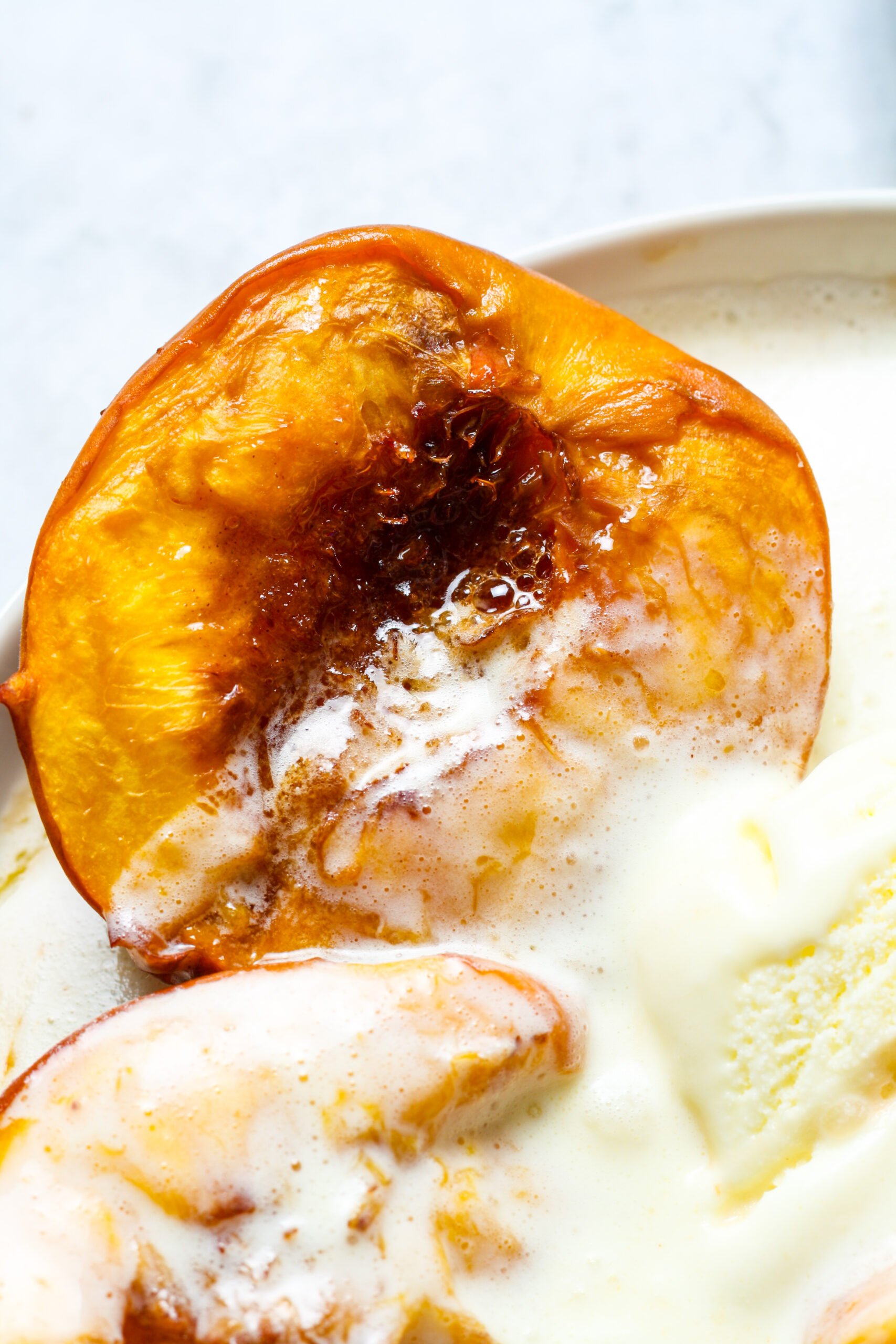
The preparation of baked peaches is more than a simple household task; it is an exercise in applied food science. By understanding the interaction between temperature, sugar content, and fruit physiology, the home cook can elevate basic produce into a gourmet experience. Whether served as a standalone dessert or paired with a cool contrast like vanilla ice cream, the baked peach remains a testament to the enduring appeal of seasonal, whole-food preparation. As consumer preferences continue to shift toward high-quality, minimally processed desserts, the techniques outlined here provide a reliable framework for maximizing the culinary potential of one of summer’s most iconic fruits.