
Understanding Hyperglycemia: The Biological Mechanics, Symptoms, and Clinical Thresholds of High Blood Sugar

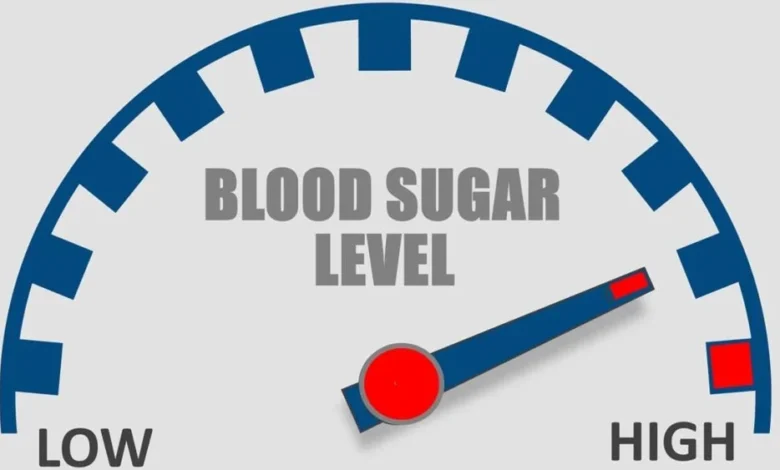
Hyperglycemia, clinically defined as elevated blood glucose levels, stands as the central physiological hallmark of all primary forms of diabetes mellitus. Whether stemming from an absolute deficiency of insulin production within the pancreatic beta cells in type 1 diabetes or from progressive peripheral insulin resistance where the body’s somatic cells fail to properly respond to circulating insulin in type 2 diabetes, the fundamental result remains consistent: glucose accumulates pathologically within the vascular system rather than being successfully translocated into tissues for cellular energy.
For millions of individuals managing diabetes globally, recognizing the warning signs of elevated blood sugar is a routine component of daily self-care. Yet, beyond the standard lists of symptoms distributed by clinical practices—such as excessive thirst, frequent urination, blurred vision, and delayed wound healing—lies a complex cascade of cellular, osmotic, and neurological reactions. Understanding the underlying physiological mechanisms provides critical context for why these symptoms manifest, how acute hyperglycemia differs from chronic elevation, and at what specific biochemical thresholds urgent medical intervention becomes necessary.
Physiological Mechanisms and the Onset of Hyperglycemia
Under normal metabolic conditions, the human body maintains tight glycemic control, keeping fasting blood glucose concentrations within a narrow, healthy range. When this homeostatic balance fails, glucose molecules build up in the bloodstream. For individuals diagnosed with diabetes, acute hyperglycemia can be precipitated by several common triggers: consuming a greater quantity of carbohydrates than accounted for in a meal plan, skipping or underdosing glycemic management medications, experiencing physical or emotional stress, battling an underlying infection or illness, maintaining a sedentary lifestyle, taking specific pharmaceuticals such as corticosteroids, or experiencing the dawn phenomenon.
The dawn phenomenon is a well-documented physiological event occurring naturally in the early morning hours, typically between 4:00 AM and 5:00 AM. During this window, circadian releases of counter-regulatory hormones—including cortisol, growth hormone, and epinephrine—signal the liver to break down and release stored glycogen into the bloodstream. For individuals without diabetes, the body responds by automatically increasing insulin secretion to maintain stable glucose levels. However, for those with impaired insulin production or action, this early morning hormonal surge leads directly to elevated fasting blood glucose upon waking.
Medical professionals generally classify blood glucose as elevated when readings exceed 130 milligrams per deciliter (mg/dL) before a meal or surpass 180 mg/dL two hours post-prandial. However, the overt clinical signs and symptoms of hyperglycemia typically remain unnoticeable until blood glucose levels cross the 250 mg/dL threshold. Clinical presentations are further categorized by duration: acute hyperglycemia develops rapidly following a missed medication dose or high-carbohydrate exposure, whereas chronic hyperglycemia represents a sustained state of long-term elevation. Chronic hyperglycemia is profoundly more hazardous, exerting direct glucose toxicity on vascular tissues, nerves, and organs over extended periods.
The Classic Triad: Polyuria, Polydipsia, and Polyphagia
The traditional diagnostic triad of uncontrolled diabetes consists of polyuria (excessive urination), polydipsia (excessive thirst), and polyphagia (excessive hunger). These symptoms are driven by precise biochemical dynamics that feed into self-reinforcing cycles within the body.
Polyuria begins within the vascular system. As glucose concentrations in the blood rise significantly, the hyperosmolar environment exerts osmotic pressure, pulling intracellular fluid out of the tissues and into the bloodstream in an attempt to dilute the circulating sugar. Simultaneously, the kidneys act as filtration units. Normally, the renal tubules reabsorb filtered glucose back into the body. However, when the glucose concentration in the fluid entering the nephrons exceeds approximately 250 mg/dL, the maximum reabsorption capacity of the renal tubules is overwhelmed. This triggers osmotic diuresis, a process resulting in the massive discharge of urine. While normal daily urine output hovers around 1.5 liters, severe hyperglycemia can drive output to 15 liters per day, causing profound systemic dehydration.
Polydipsia is a direct, compensatory response to this severe fluid loss. Osmoreceptors located in the hypothalamus monitor blood concentration and plasma osmolality. When dehydration concentrates the blood, these specialized cells activate the brain’s thirst centers, compelling the individual to seek fluids. Clinical complications often arise when thirsty individuals mistakenly consume sugar-sweetened beverages, which further elevate blood glucose and worsen dehydration through caffeine content.
Polyphagia occurs due to cellular starvation amidst abundance. Although the bloodstream is saturated with glucose, the lack of adequate insulin or functional insulin receptors prevents this sugar from entering cells. Consequently, cells starved of energy transmit hunger signals via hormones such as ghrelin. In type 2 diabetes, concurrent leptin resistance further impairs satiety signaling, leaving individuals persistently hungry despite adequate or excessive caloric intake.
Dermatological, Neurological, and Systemic Manifestations
Beyond the classic triad, prolonged or severe hyperglycemia impacts nearly every organ system, producing a wide spectrum of secondary complications.
Unexplained Weight Loss and Metabolic Decline
Despite persistent hunger, individuals with uncontrolled diabetes frequently experience rapid, unexplained weight loss. This occurs because the body, unable to utilize glucose for energy, begins catabolizing stored body fat and muscle tissue. In severe cases of type 1 diabetes, some patients dangerously omit insulin to induce weight loss—a severe psychological and physiological condition known as diabulimia, which drastically increases the risk of diabetic ketoacidosis (DKA).
Infections and Immune Impairment
Pathogens such as bacteria and yeasts thrive in high-glucose environments. Women with diabetes face a significantly elevated risk of urinary tract infections (UTIs) and yeast infections due to glucose presence in mucosal secretions and urine. Furthermore, chronic hyperglycemia impairs neutrophil function, reducing the ability of white blood cells to migrate efficiently to sites of infection and ingest bacteria through phagocytosis. Nerve damage (neuropathy) affecting the bladder can also lead to incomplete voiding, leaving residual pools of urine that foster bacterial proliferation.
Delayed Wound Healing and Vascular Complications
Elevated blood sugar compromises microvascular and macrovascular integrity. Reduced blood flow limits the delivery of oxygen and essential nutrients to soft-tissue injuries, while impaired white blood cell function slows tissue repair. Minor cuts can rapidly progress to severe skin infections like cellulitis or tissue necrosis, contributing to the tens of thousands of non-traumatic lower-limb amputations recorded annually among adults with diagnosed diabetes.
Cutaneous, Neurological, and Gastrointestinal Effects
Dry, itchy skin is common, driven by systemic dehydration and impaired sweat gland function resulting from autonomic neuropathy. Early signs of peripheral neuropathy often manifest as numbness, tingling, or a burning sensation in the feet and lower legs due to damage to long peripheral nerves. Conversely, dark, velvety skin patches known as acanthosis nigricans—frequently appearing around the neck, armpits, or groin—signal underlying hyperinsulinemia and insulin resistance. Acute hyperglycemia also causes temporary lens swelling within the eye, leading to blurred vision, while chronic elevation can cause irreversible diabetic retinopathy. Furthermore, gastrointestinal manifestations such as chronic diarrhea or constipation occur when autonomic neuropathy disrupts enteric nerve signaling throughout the small and large intestines.
Clinical Thresholds and Emergency Medical Protocols
Managing hyperglycemia requires continuous monitoring of blood glucose levels against established clinical thresholds. When readings exceed certain limits, specific preventative actions must be taken to avoid life-threatening medical emergencies.
Mildly elevated readings between 181 and 250 mg/dL require careful monitoring, hydration, and adjustments to diet, physical activity, or medication adherence. When blood glucose rises between 250 and 300 mg/dL, patients are advised to test for ketones in their blood or urine and contact their primary care team if elevations persist. Readings consistently exceeding 300 mg/dL warrant immediate medical consultation.
The two most critical emergencies associated with uncontrolled hyperglycemia are Diabetic Ketoacidosis (DKA) and Hyperosmolar Hyperglycemic State (HHS). DKA occurs primarily in type 1 diabetes, presenting with blood glucose levels above 250 mg/dL, the presence of ketones, fruity-smelling breath, rapid respiration, nausea, vomiting, and confusion. HHS is more common in type 2 diabetes, particularly among older adults, developing more slowly with extreme dehydration and blood glucose levels often exceeding 600 mg/dL. Both conditions are medical emergencies requiring immediate emergency medical services (911) and intensive hospital care.
Conclusion and Management Strategies
Recognizing the multifaceted symptoms of high blood sugar serves as an essential biological warning system. While the physiological processes behind hyperglycemia are complex—spanning osmotic shifts, nerve damage, and cellular starvation—the overarching mandate is clear: sustained glycemic control is vital for preventing permanent tissue and organ damage.
Effective management relies on a combination of regular self-monitoring of blood glucose, adherence to prescribed pharmacological therapies, routine consultations with certified diabetes educators and physicians, and structured lifestyle modifications encompassing balanced nutrition and regular physical activity. By heeding early warning signs and maintaining open communication with healthcare providers, individuals managing diabetes can significantly mitigate the risks associated with elevated blood glucose and preserve long-term health and well-being.
Related posts: