The landscape of modern home baking is undergoing a significant shift as health-conscious consumers seek to bridge the gap between traditional comfort foods and functional nutrition. Recent developments in culinary experimentation have led to the creation of high-fiber, protein-dense pumpkin muffins that incorporate non-traditional ingredients such as red lentils. This innovation represents a departure from standard muffin recipes, which are historically characterized by high refined sugar content and limited micronutrient profiles, instead offering a balanced alternative suitable for both adult diets and children’s nutrition.
The Nutritional Context of Modern Baking
The standard pumpkin muffin, often categorized as a dessert-style pastry, frequently lacks the nutritional density required for a balanced breakfast. According to dietary guidelines, the average commercial muffin can contain upwards of 30 grams of sugar and minimal fiber, leading to rapid blood glucose spikes. By integrating legumes—specifically red lentils—into the batter, home bakers are now able to significantly alter the macronutrient composition of the final product.
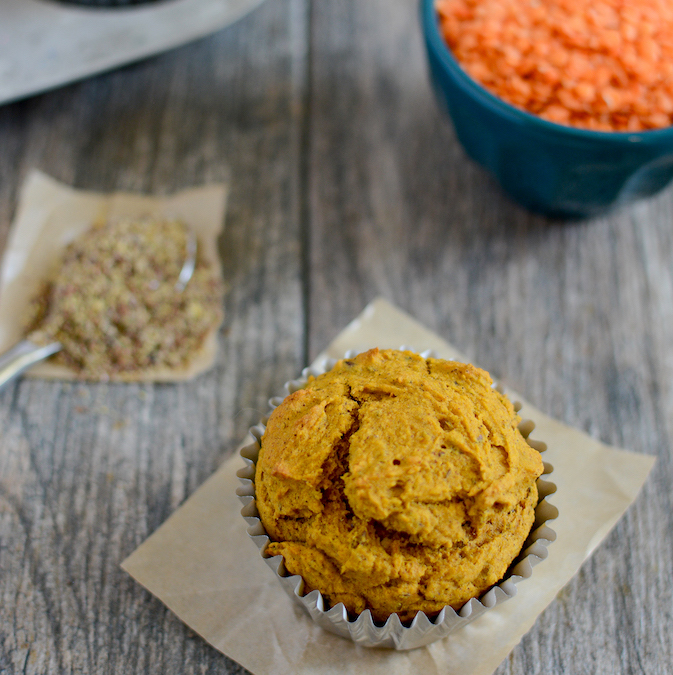
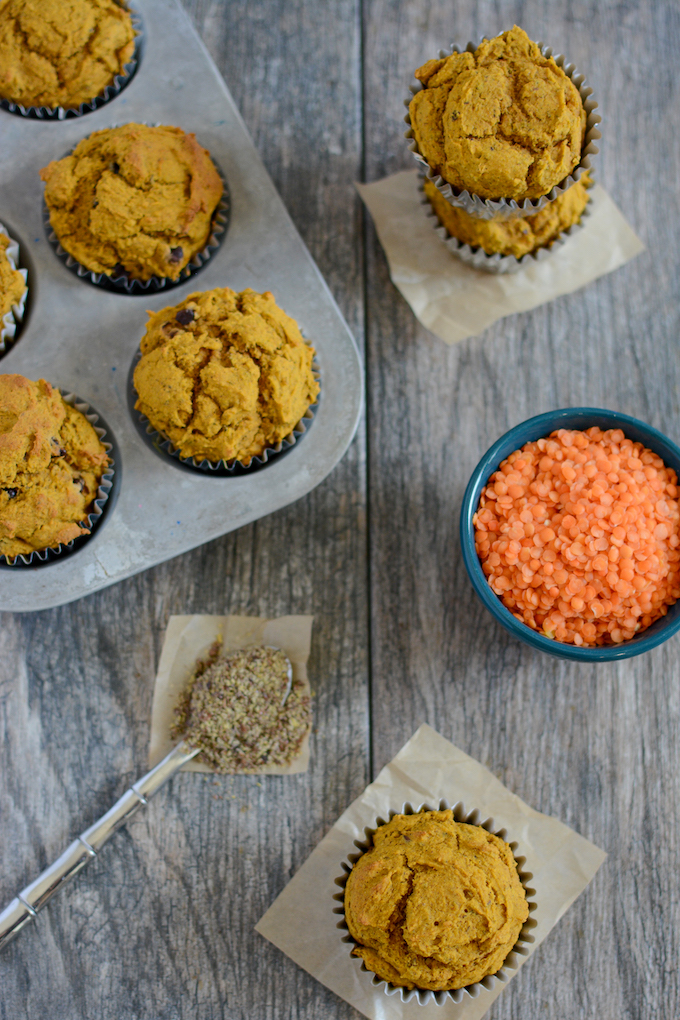
Red lentils are a potent source of plant-based protein and dietary fiber. When processed correctly, they provide a smooth, undetectable texture within the muffin crumb. Data indicates that the inclusion of one cup of cooked red lentils can add approximately 18 grams of protein and 15 grams of fiber to a standard batch. Furthermore, the addition of ground flaxseed introduces essential omega-3 fatty acids and supplementary fiber, creating a synergistic effect that enhances the satiety of the food item. This transition toward "nutrient-dense baking" mirrors a broader trend in the food industry to fortify everyday staples with legumes and whole grains.
Chronology of Culinary Innovation
The integration of pulses into baked goods has gained momentum over the last decade as dietitians and food scientists have sought ways to mitigate the nutritional drawbacks of processed flour. The specific technique of using puréed red lentils as a base for muffins was popularized in wellness circles around the mid-2010s, initially surfacing as a solution for parents attempting to increase their children’s vegetable and fiber intake without altering the flavor profiles of beloved treats.
By the early 2020s, the methodology became standardized:
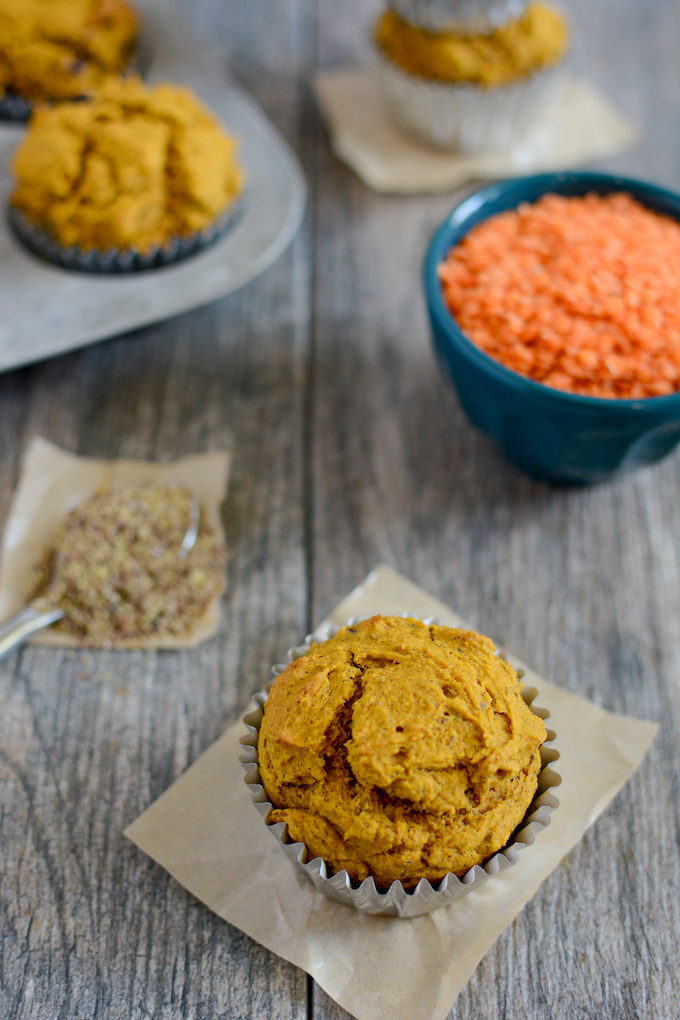
- Pulse Preparation: Red lentils are boiled until tender, ensuring they can be liquefied without leaving a gritty residue.
- Pureeing: The lentils are blended with liquid ingredients—such as pumpkin puree and eggs—to ensure a homogenous, smooth consistency.
- Flour Integration: Incorporating whole grains or oat flour in place of bleached all-purpose flour has become a common practice to further improve the glycemic index of the finished product.
Comparative Nutritional Analysis
When evaluating the nutritional profile of these enriched muffins against traditional recipes, the differences are quantifiable. A standard pumpkin muffin typically offers less than 2 grams of fiber and negligible protein. In contrast, the enriched version provides approximately 6 grams of protein and 5 grams of fiber per individual muffin.
This shift in composition has profound implications for blood sugar management. Fiber is essential for slowing the absorption of glucose into the bloodstream, making these muffins a more viable option for breakfast than their sugar-heavy counterparts. While the recipe still requires a degree of sweetness—often provided by sugar or natural alternatives like maple syrup—the higher fiber and protein content act as a buffer, preventing the post-meal lethargy often associated with high-carbohydrate breakfast options.
Expert Perspectives on Ingredient Substitution
Registered Dietitians, such as Lindsay Livingston, have noted that the success of these recipes relies heavily on the "invisibility" of the additives. For children, the sensory experience of a muffin is defined by its texture and sweetness. Because red lentils have a neutral flavor profile when cooked, they are an ideal candidate for inclusion in sweet baked goods.
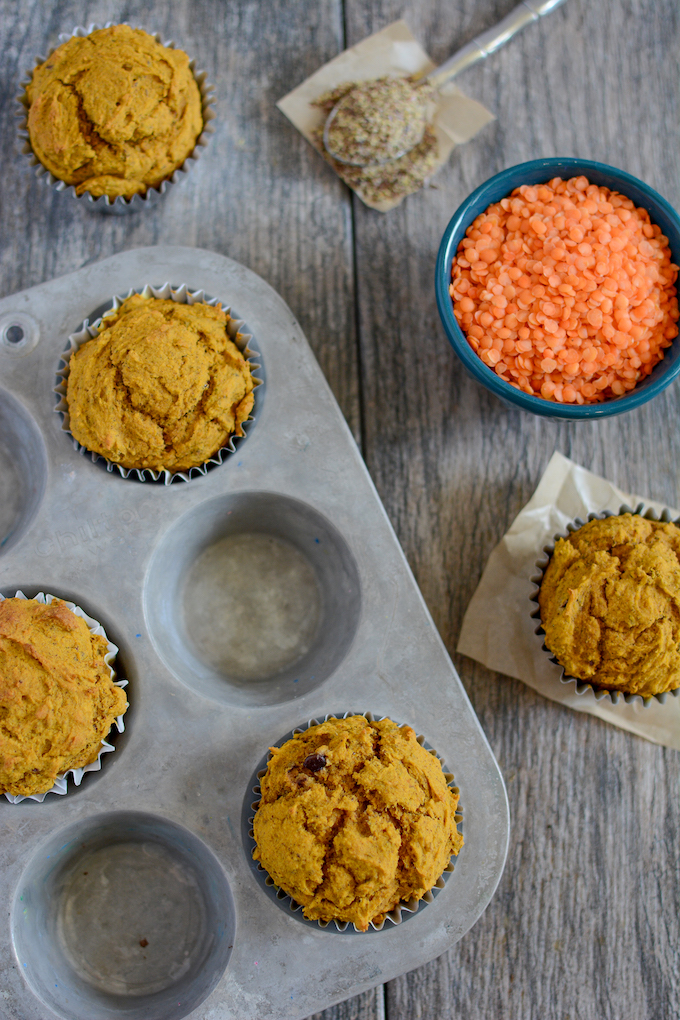
"The goal is to increase nutrient density without sacrificing the familiar joy of eating a muffin," experts suggest. The use of pure pumpkin—not to be confused with canned pumpkin pie filling, which contains high levels of added sugar and spices—is a critical component of this nutritional strategy. Pure pumpkin provides essential vitamin A and potassium, further elevating the health profile of the final product.
Broader Implications for Public Health
The rise of home-baked, nutrient-dense snacks carries broader implications for household health management. As inflation and food costs fluctuate, the ability to create cost-effective, shelf-stable, and highly nutritious snacks at home has become increasingly relevant. The shelf-life of these muffins—typically three to four days at room temperature or up to three months in a freezer—makes them a practical solution for families managing busy schedules.
Furthermore, the adaptability of the base recipe allows for individual customization. Reducing refined sugar by substituting mashed bananas or incorporating mini chocolate chips for palatability allows bakers to tailor the product to their specific dietary needs. This modular approach to cooking is reflective of a wider move toward "personalized nutrition," where individuals take greater control over the macronutrient ratios of their daily intake.
Technical Challenges and Best Practices
Achieving the desired texture in high-fiber baking requires precision. Culinary experts emphasize that the density of the final product can be influenced by the choice of flour and the method of mixing. For example, replacing wheat flour with oat flour can improve the nutritional profile but may result in a different crumb structure.
Common technical pitfalls include:
- Over-mixing the batter: This can lead to a gummy or dense texture due to excessive gluten development.
- Inadequate blending of pulses: If the lentils are not sufficiently pureed, the texture will be compromised, which may lead to rejection by picky eaters.
- Storage errors: Allowing muffins to cool completely before storage is essential to prevent moisture buildup and spoilage, particularly when using dense, fiber-rich ingredients.
Future Outlook
As consumers continue to prioritize health-conscious eating habits, the integration of legumes into traditional baking is likely to move from a niche practice to a mainstream culinary standard. The success of these pumpkin muffins serves as a case study for how simple, whole-food ingredients can be repurposed to address the nutritional deficits of modern diets.
Whether for the purpose of managing weight, improving digestive health through increased fiber intake, or simply providing a more balanced breakfast for developing children, the evolution of the pumpkin muffin demonstrates that culinary tradition and nutritional science can successfully coexist. By focusing on ingredient quality and understanding the functional properties of fiber-rich additions, the modern kitchen is becoming a laboratory for health-promoting innovation, ensuring that comfort food no longer comes at the expense of wellness.
Related posts: