The Unspoken Sisterhood of Modern Parenting: How Everyday Micro-Interventions Among Mothers Redefine Urban Travel and Community Support

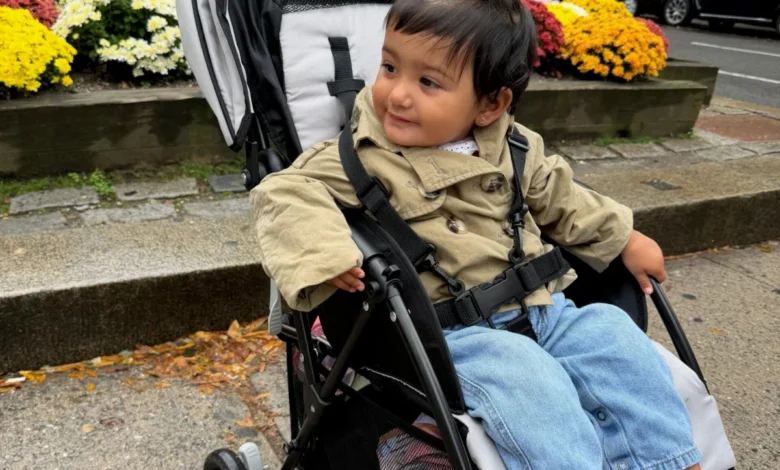
Navigating the bustling, high-stakes environment of New York City with an infant is a logistical challenge that tests the limits of even the most seasoned travelers. Earlier this month, a working mother embarked on a professional trip to Manhattan accompanied by her one-year-old daughter, Evelynn, setting off a chain of events that highlights a broader sociological phenomenon: the unwritten, highly reliable safety net formed by strangers navigating the same maternal trenches. What began as a routine minor crisis—a forgotten pacifier blocks away from a high-pressure work schedule—underscores the profound systemic reliance modern parents place on community-level micro-interventions, transforming an ordinary urban inconvenience into a case study on empathy, shared vulnerability, and the invisible infrastructure of motherhood.
The Logistics of Traveling Solo-Plus-One in Manhattan
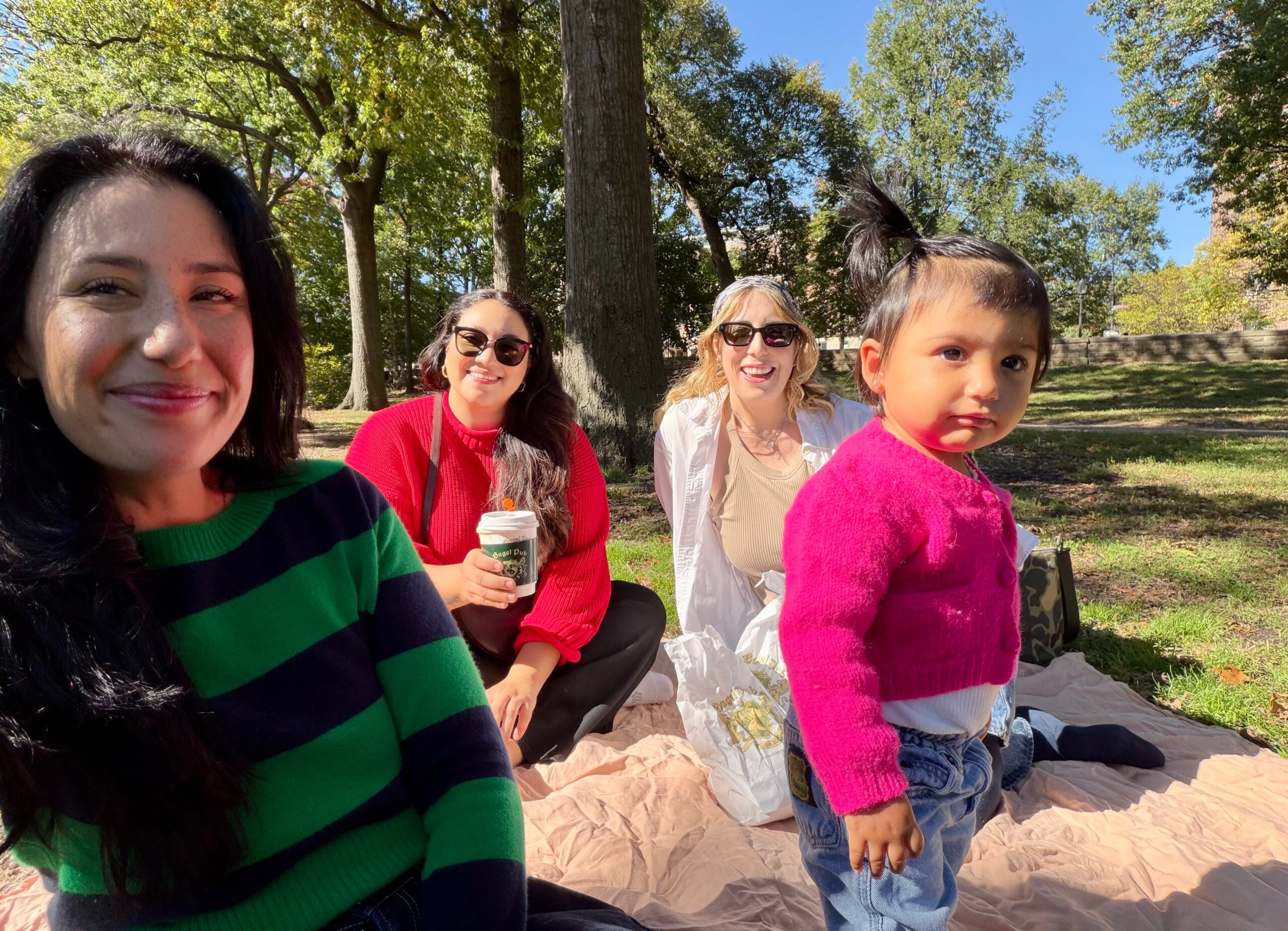
The journey began with high expectations and complex scheduling. Working mother commitments in New York require precise time management, spanning professional obligations such as team lunches at prominent culinary institutions like Sailor, conducting interviews at historic civic locations such as City Hall, and brief respites for wellness at local establishments like Blissful Spa. To manage these demands, the traveler secured the assistance of two friends, Angela and Ally, who volunteered to act as dedicated caregivers for one-year-old Evelynn during peak working hours.
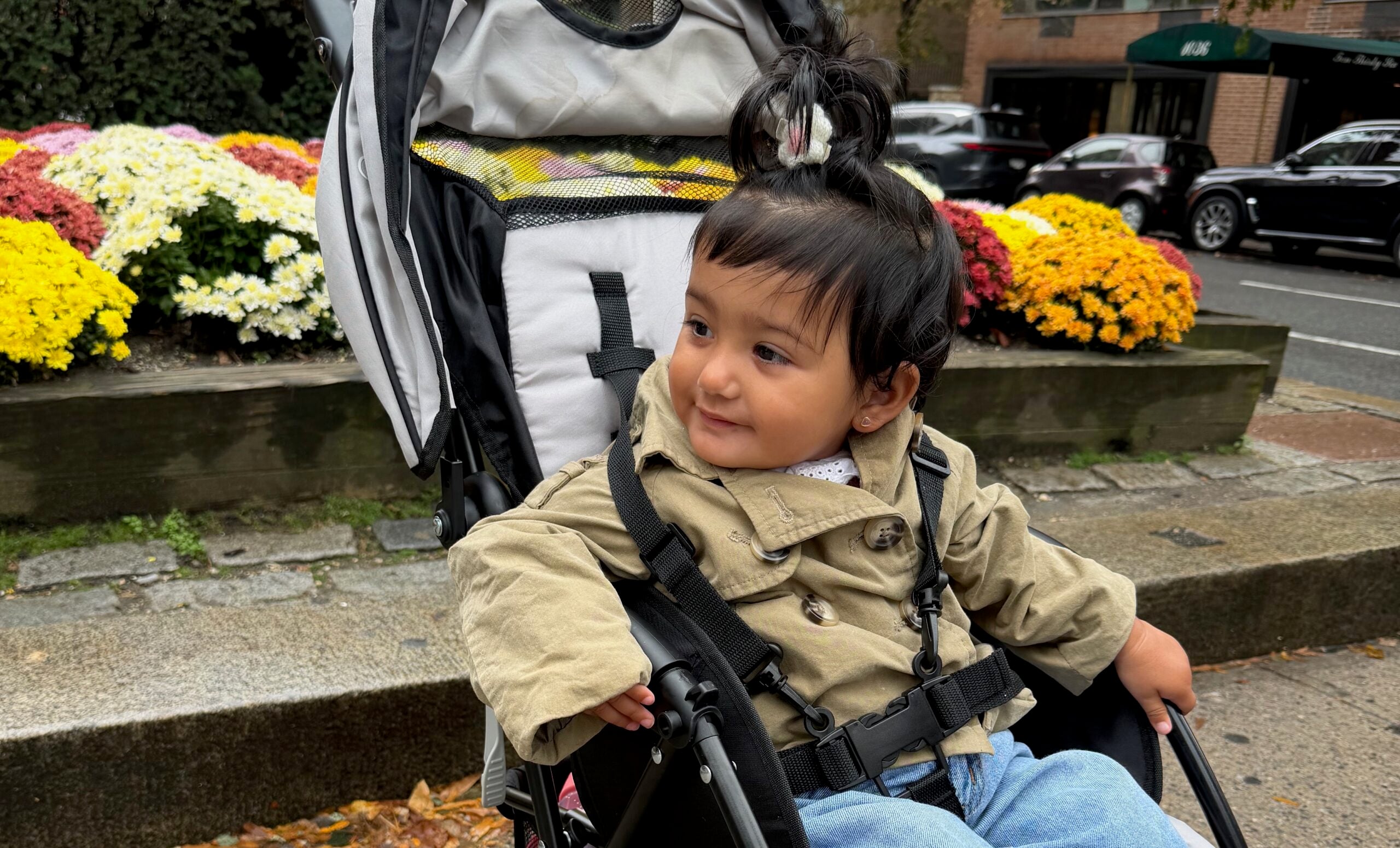
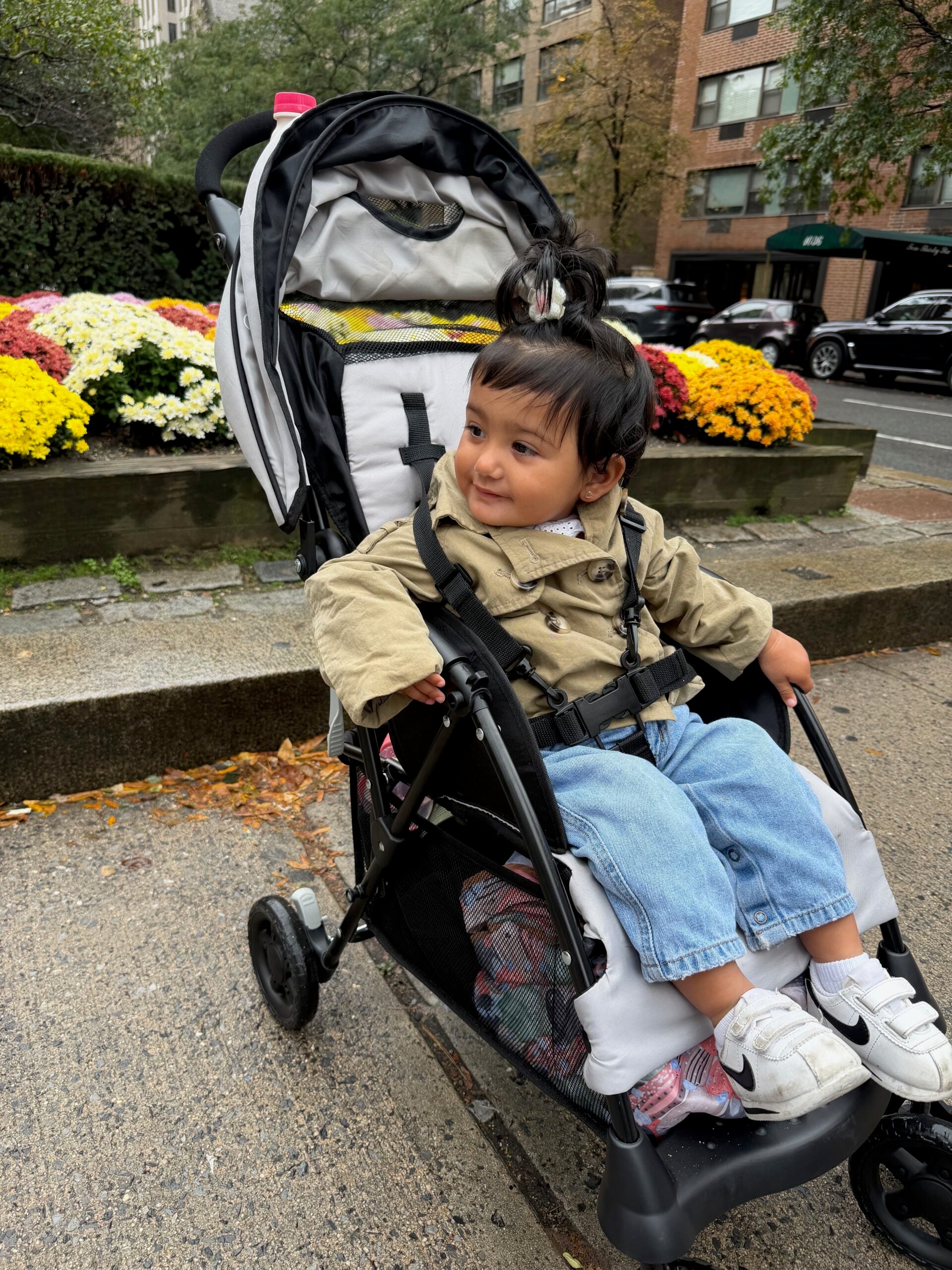
However, the intersection of career demands and infant care creates a uniquely volatile environment. On the second day of the itinerary, the structural fragility of travel routines became apparent. Following a morning stroll through a local park, the mother reached into her diaper bag to retrieve a pacifier—a critical self-soothing tool for an infant—only to discover that the items had been left behind at the hotel. The immediate physiological reaction, characterized by rising panic and the realization of potential public distress, illustrates the high anxiety associated with infant care in public spaces where quiet and compliance are socially enforced.
Chronology of an Urban Emergency
The escalation and resolution of the incident unfolded rapidly within a matter of minutes, showcasing the spontaneous nature of urban altruism:
- Morning Stroll (Approx. 9:00 AM): The mother, baby Evelynn, and caregivers utilize a local park before the primary workday commences.
- The Discovery (9:15 AM): A routine search of the bag reveals the absence of pacifiers, prompting immediate concern regarding upcoming travel and work schedules.
- The Search (9:20 AM): The mother locates a nearby neighborhood drugstore and navigates to the infant care aisle, only to find the specific item out of stock.
- The Intervention (9:25 AM): A chance encounter with an anonymous mother with a stroller leads to a collaborative search and an immediate, unprompted offer of assistance.
- Resolution (9:30 AM): The provision of a clean, spare pacifier resolves the acute crisis, averting potential public meltdowns and allowing the mother to proceed to her professional engagements on schedule.
The Sociology of Maternal Solidarity
This localized interaction is far from an isolated incident; rather, it reflects a well-documented behavioral pattern among primary caregivers in metropolitan areas. Sociological studies on modern parenting frequently highlight the concept of "maternal solidarity"—an informal mutual aid network operating on empathy and shared experiential knowledge.
When the anonymous mother in the drugstore aisle reached into her personal tote to offer a clean, spare pacifier, she was participating in an established micro-economy of care. Parenthood, particularly in densely populated urban centers like New York City, exposes individuals to acute vulnerabilities: sudden diaper blowouts, unexpected temperature spikes without adequate sun protection, forgotten nutritional supplies, and sensory overload. Because institutional support systems for parents in public spaces remain largely decentralized or insufficient, caregivers routinely rely on peer-to-peer intervention to bridge the gap.
Parenting advocates and cultural commentators have long observed this phenomenon. Reflecting on similar experiences, writer and commentator Abbey Nova noted the profound humility and gratitude inspired by the generosity of fellow mothers during transit crises. Whether assisting an overwhelmed traveler navigate luggage and a toddler on public transit or supplying essential provisions during a sudden weather shift, these anonymous actors function as an ad-hoc municipal safety net. The psychological impact of these gestures extends beyond mere practical utility; they serve to validate the caregiver’s competence and alleviate the chronic guilt often associated with modern intensive parenting models.
Broader Implications and Economic Realities of Family Travel
The incident also sheds light on the broader economic and logistical pressures faced by working parents who travel. Balancing professional obligations in high-cost, fast-paced environments like New York City requires significant emotional and financial overhead. Employers increasingly face pressure to accommodate family travel logistics, yet the daily burden of execution falls heavily on the individual.
While the travel industry increasingly markets itself as family-friendly, the reality on the ground involves navigating narrow subway staircases without elevators, crowded pedestrian corridors, and retail spaces not inherently designed for strollers. In this context, the kindness of strangers acts as a crucial human equalizer. The interaction in the Manhattan drugstore underscores that while infrastructure and planning are vital, the true resilience of a parent traveling with an infant often relies on the empathy of those walking the exact same path.
Ultimately, the episode serves as a powerful reminder of community resilience. As urban centers continue to evolve, the informal networks of trust and mutual aid established by caregivers remain one of the most reliable systems for ensuring that families can navigate the complexities of modern life with dignity and support.
Related posts: