The Ultimate Guide to Baking Mini Pumpkin Pies: A Modern Twist on a Thanksgiving Classic

As the autumn season brings cooler weather and holiday hosting preparations reach their peak, home bakers and culinary enthusiasts are increasingly turning to bite-sized innovations of traditional holiday desserts. Among the most popular seasonal baking trends this year is the adaptation of classic pumpkin pie into individually portioned servings baked directly inside standard 12-cup muffin tins. This shift toward individual portions reflects broader shifts in contemporary dining and entertaining, prioritizing ease of service, portion control, and reduced waste during major gatherings such as Thanksgiving.
Culinary Tradition Meets Modern Convenience
The evolution of pumpkin pie from a colonial-era pudding baked inside hollowed-out gourds to the iconic pastry crust-and-custard combination known today spans centuries. Historically, full-sized holiday pies have remained a staple of North American autumnal celebrations. However, traditional large-scale pies often present logistical challenges during large family gatherings, including slicing consistency, storage requirements, and plating efficiency.
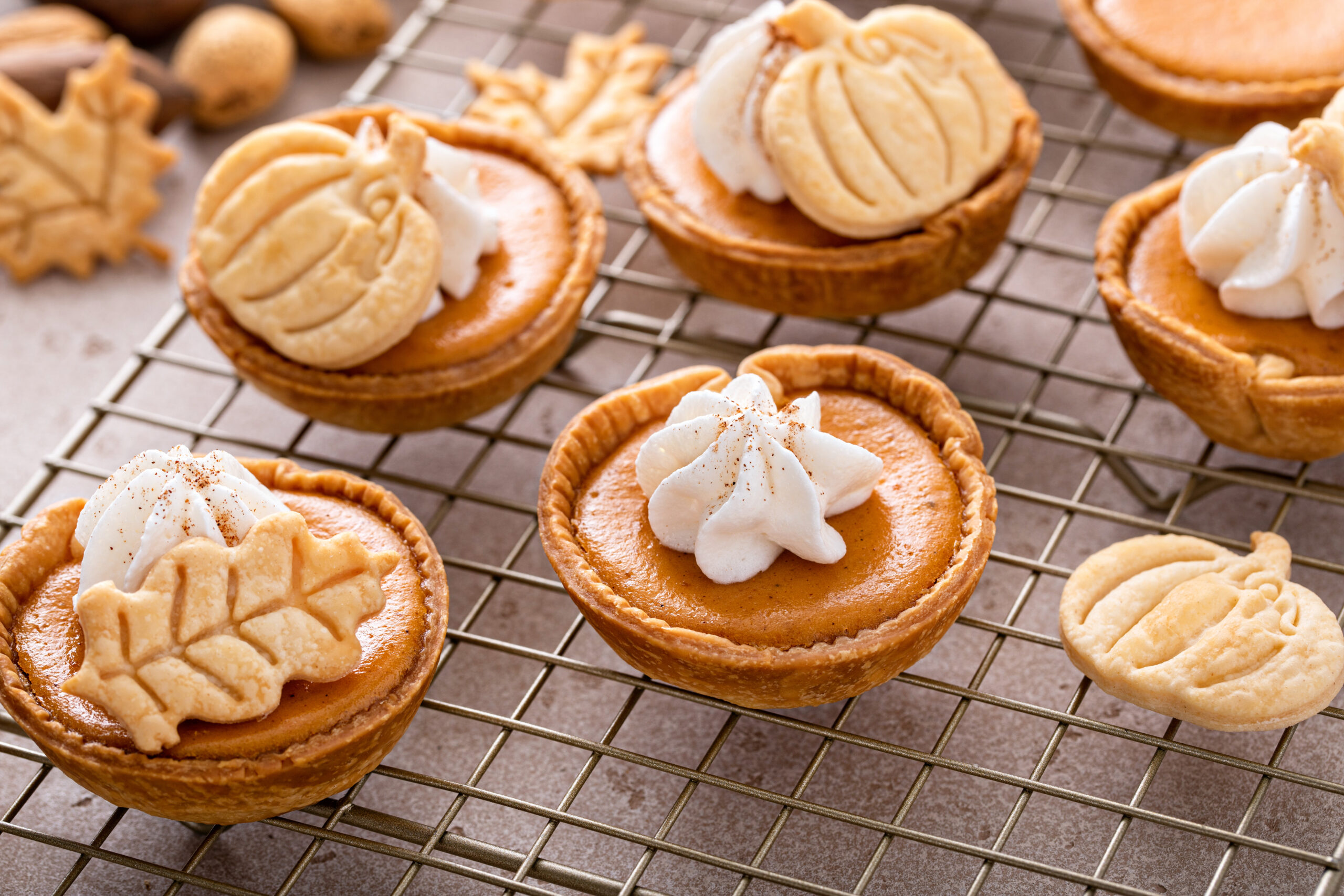
By scaling down the recipe into single-serving dimensions, home cooks retain the nostalgic flavor profile of traditional autumn spices—cinnamon, nutmeg, ginger, and cloves—while eliminating many of the complexities associated with managing a large pastry. Standardizing the portions into a muffin tin ensures uniformity, making these miniature treats particularly well-suited for households with young children or events where mingling takes precedence over formal, seated dessert courses.
Nutritional and Preparation Overview
Preparation for these miniature desserts is streamlined compared to their full-sized counterparts. A standard batch requires approximately 30 minutes of preparation time followed by 25 to 30 minutes of baking at 375°F. The ingredient profile centers on accessible, whole components: pure pumpkin puree, dairy, eggs, sweeteners such as maple syrup, and standard pastry dough.
Nutritional experts note that portion-controlled desserts naturally assist individuals in monitoring caloric intake during a holiday season notoriously rich in heavy, dense foods. Furthermore, because the baking time is significantly reduced—dropping from roughly 50 to 60 minutes for a standard nine-inch pie down to less than half an hour—energy consumption in the kitchen is minimized.
Step-by-Step Culinary Methodology
Achieving optimal results requires precise attention to technique, particularly regarding temperature control and structural integrity.
- Crust Preparation: Bakers utilize rolled pie crust dough, cutting out four-inch circles using a standard cookie cutter. These circles are pressed firmly into a greased 12-cup muffin tin to form a sturdy foundation that prevents the liquid custard from leaking during the baking process.
- Custard Formulation: The filling relies on 100% pure pumpkin puree, distinct from pre-sweetened canned pumpkin pie fillings. Whisked together with eggs, milk, maple syrup, vanilla extract, and pumpkin pie spice, the resulting emulsion achieves a smooth, uniform consistency.
- Baking Parameters: Filling each crust approximately three-quarters full prevents overflow as the custard expands slightly under heat. Bakers monitor the oven closely between the 25- and 30-minute marks, looking for a golden crust and a custard set firmly at the edges with a slight, stable jiggle in the center.
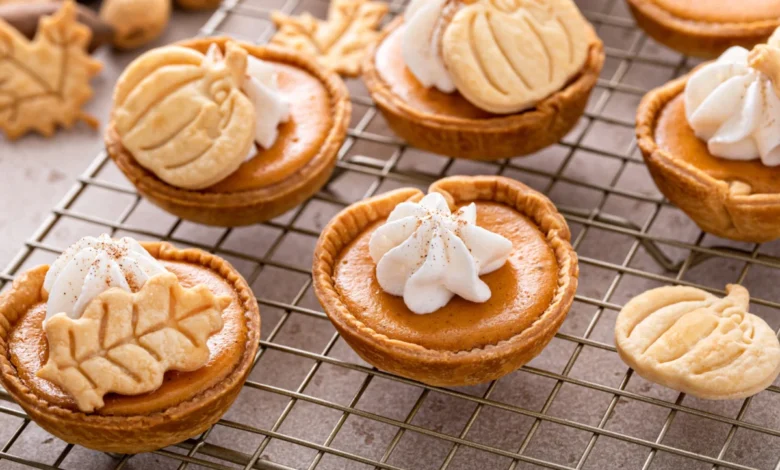
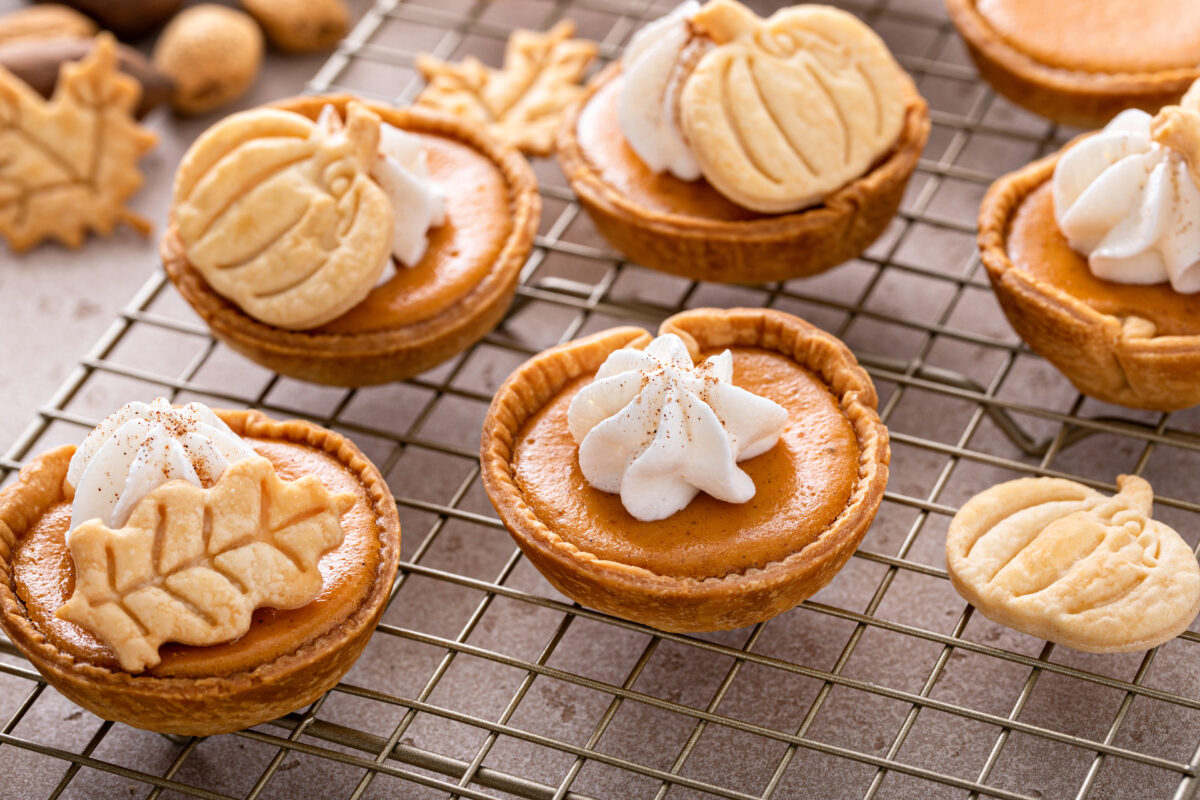
- Decorative Elements: To maintain sharp, clean lines on decorative pastry cutouts—such as autumn leaves, acorns, and small pumpkins—culinary professionals recommend baking these shapes separately on a parchment-lined sheet for 8 to 12 minutes, rather than placing raw dough directly onto the wet filling prior to baking.
- Finishing Touches: A chilled blend of heavy whipping cream, maple syrup, and vanilla extract is whipped to medium-stiff peaks, then piped onto the cooled mini pies just before presentation.
Storage, Make-Ahead Strategies, and Food Safety
Holiday hosts often face severe time constraints on Thanksgiving Day, making make-ahead recipes a vital component of successful menu planning. Food safety and quality guidelines for custard-based miniature pastries dictate specific handling protocols.
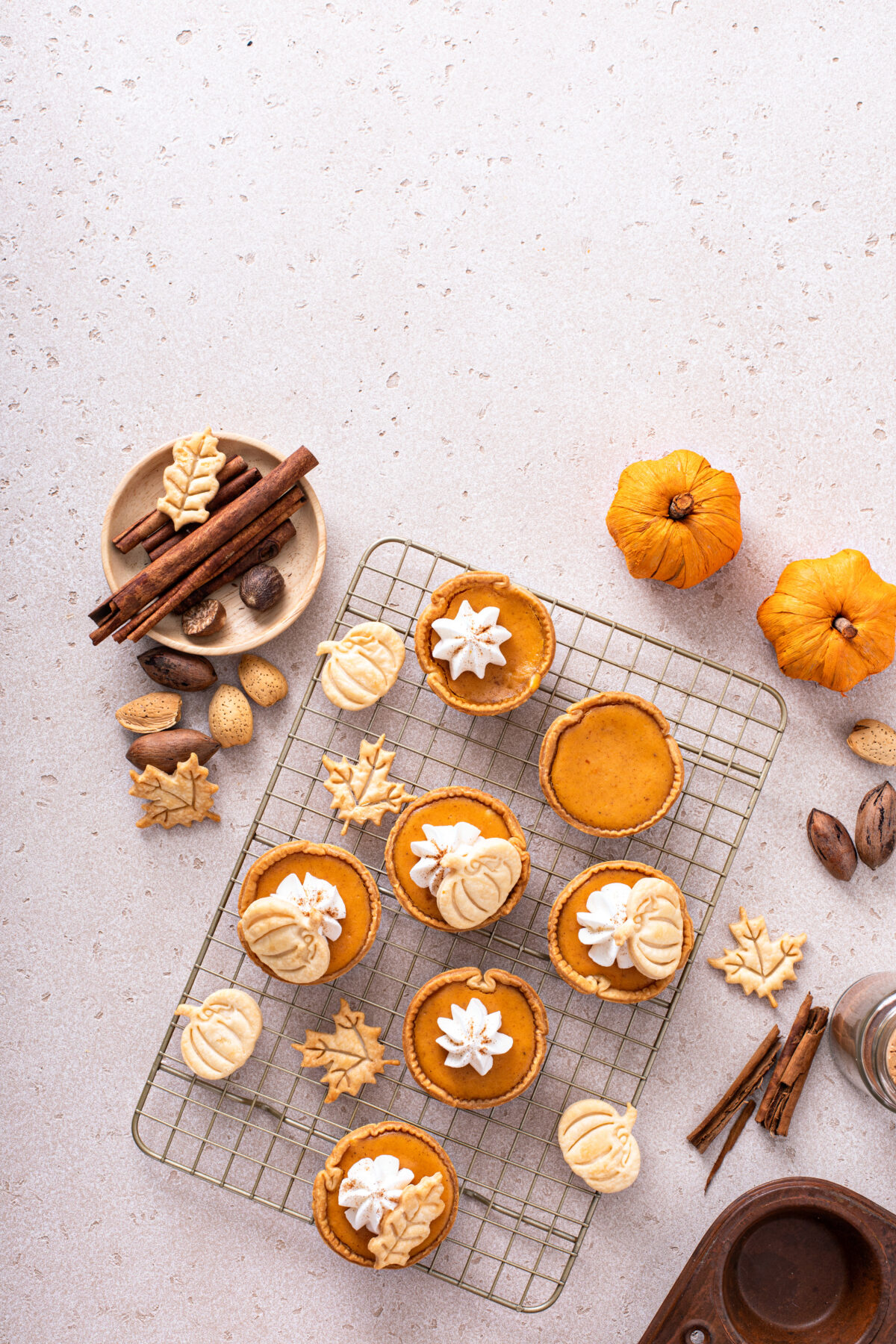
Once baked and thoroughly cooled, the mini pumpkin pies can be stored in airtight containers within a refrigerator for three to four days. To preserve optimal texture and prevent the pastry crust from becoming soggy, culinary advisors strongly recommend storing the maple whipped cream and decorative pastry cutouts separately until the final plating stage. For longer-term storage, the plain baked pies may be frozen for up to two months, provided they are separated by parchment paper in a freezer-safe container. Thawing should occur overnight inside the refrigerator to maintain food safety standards.
Industry Implications and Consumer Trends
The rising popularity of miniaturized holiday foods highlights a broader movement within the culinary sector toward functional minimalism. Food industry analysts observe that consumers increasingly favor formats that reduce food waste and accommodate diverse dietary preferences or schedules. By decoupling the baking phase from the final decoration phase, hosts can delegate tasks—such as cutting out pastry leaves or whipping cream—to family members of various ages, turning preparation into a collaborative, intergenerational holiday activity.
Ultimately, these individual-serving pumpkin desserts bridge the gap between heritage recipes and modern convenience, ensuring that time-honored autumn flavors remain accessible, visually appealing, and practical for contemporary households.