The Chaos and Comedic Reality of Multi-Child Errands: Exploring the Post-Pandemic Dynamics of Modern Parenting and Multiples

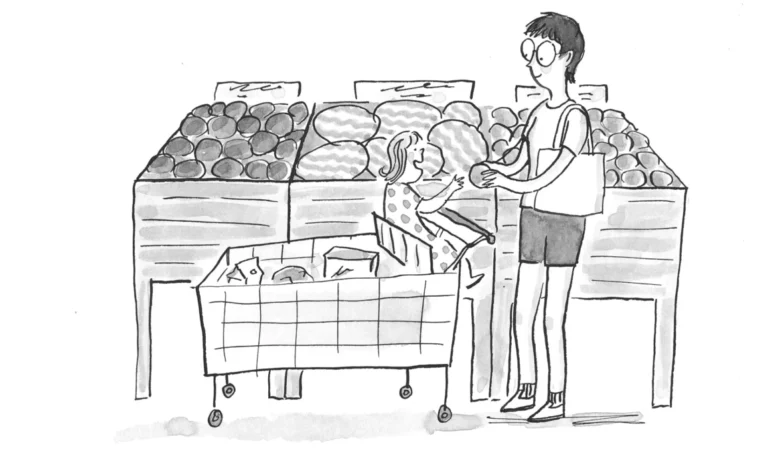
The modern retail landscape has long served as an unscripted theater for family life, but for parents navigating the delicate logistics of raising multiples, a simple trip to the grocery store often transforms into a high-stakes operational challenge. Recent community discussions among parents of twins, triplets, and large broods have cast a renewed spotlight on the hidden realities of domestic logistics, shedding light on how post-pandemic consumer habits, economic shifts, and the sheer unpredictability of toddler behavior intersect in the supermarket aisles.
While online grocery delivery and curbside pickup have surged in popularity over the past five years—becoming an indispensable lifeline for households with newborns and multiple young children—returning to physical retail spaces remains a vital milestone. For many families, stepping into a grocery store with young children is not merely a chore, but an essential developmental exercise. Yet, the transition from managing a household with single children, often referred to in medical and parenting circles as singletons, to parenting multiples introduces a vastly different operational reality.
The Logistics of Multiples: Navigating Carts, Chaos, and Community
For parents of twins and triplets, the physical constraints of standard retail infrastructure quickly become apparent. Standard shopping carts are frequently designed with a single fold-down child seat, forcing parents of multiples to improvise. Historical anecdotes from veteran parents reveal a time when managing twin toddlers required dual carts—one dedicated entirely to children and another for groceries—resulting in a coordinated effort where six small hands reached out to grab items from shelves at random.
Retail environments such as Costco and Trader Joe’s have emerged as unexpected favorites within the parenting community, largely due to structural accommodations. Costco carts equipped with dual child seating areas and spacious checkout lanes provide a rare reprieve, allowing parents a moment of structured calm while cashiers interact warmly with the children. Conversely, traditional supermarket checkouts often present narrow aisles flanked by impulse-buy confectionery displays, turning the final minutes of a shopping trip into a test of endurance.
Data from consumer behavior studies indicate that post-pandemic shopping habits have permanently altered how families utilize brick-and-mortar stores. While convenience services remain high, parents increasingly recognize the value of exposing young children to community spaces. Grocery shopping serves as a tangible lesson in commerce, social interaction, and environmental observation, offering an alternative to screen-dominated entertainment.
The Psychological Shifts of Solo Outings and the ‘Singleton’ Phenomenon
A recurring theme among parents of multiples is the psychological contrast between navigating public spaces with a full complement of children versus executing errands with a single child. Parents frequently report that taking a single twin or triplet on a solo errand feels akin to a vacation. The drastic reduction in sensory overload, meltdowns, and logistical friction highlights the heavy, often unacknowledged cognitive load carried by parents managing multiples on a daily basis.
Interestingly, this dynamic sparks unique social interactions. Parents of twins frequently find themselves compelled to announce their "veteran status" to strangers when out with only one child, driven by an unconscious desire for recognition of the labor required to raise multiples. Conversely, solo parenting outside the familiar family unit can occasionally trigger unexpected postpartum anxiety. Mental health professionals note that the intense hyper-vigilance required in early parenthood can make temporary separations from children—even for a routine grocery run—a source of acute distress for some parents, emphasizing the need for empathetic community support and open dialogue regarding parental mental health.
Chronology of Modern Family Retail Adaptation
The evolution of family shopping patterns over the past decade reflects broader economic and technological shifts:
- Pre-2020: Physical grocery shopping with young children and multiples was an unavoidable weekly necessity, heavily reliant on community help, baby-wearing gear such as ring slings, and improvised cart seating.
- 2020–2022: The COVID-19 pandemic catalyzed a massive shift toward curbside pickup and delivery services. For families expecting or raising multiples during this period, isolation became the norm, significantly delaying traditional public socialization for toddlers.
- 2023–Present: As public health restrictions lifted, families re-entered public spaces. Parents began reevaluating the balance between convenience delivery and the developmental benefits of bringing children into community retail environments. Concurrently, online parenting forums and community platforms have flourished, offering vital peer support for the unique challenges of raising multiples.
Expert Perspectives and Community Implications
Child development experts generally support the inclusion of young children in everyday errands, noting that observing community interactions and environmental stimuli contributes positively to early cognitive development. However, pediatric and family support advocates emphasize that the societal pressure on parents—particularly mothers—to "enjoy every moment" can invalidate the genuine exhaustion and sensory overload inherent in managing high-demand households.
The shared narratives within parenting communities underscore a vital shift toward authentic storytelling. By dismantling the idealized, flawless portrayal of parenthood often found in media, communities built around shared experiences provide a safety net for parents navigating the intensity of raising multiples. Whether discussing the humor of a toddler’s unscripted commentary in a produce aisle or seeking reassurance for postpartum anxiety, these spaces validate the immense effort required to guide young children into the wider world.
Ultimately, while the grocery cart remains a vessel of unpredictable chaos—hosting everything from dropped items and spontaneous tantrums to heartwarming encounters with empathetic strangers—it also serves as a microcosm of family growth. As parents transition from the survival mode of early childhood to the reflective stages of older youth, the memories forged in the busy aisles of local supermarkets endure as defining chapters of the modern parenting journey.