Government and Ofsted Commit to Enhanced Safer Sleep Protections for Babies in Early Years Settings

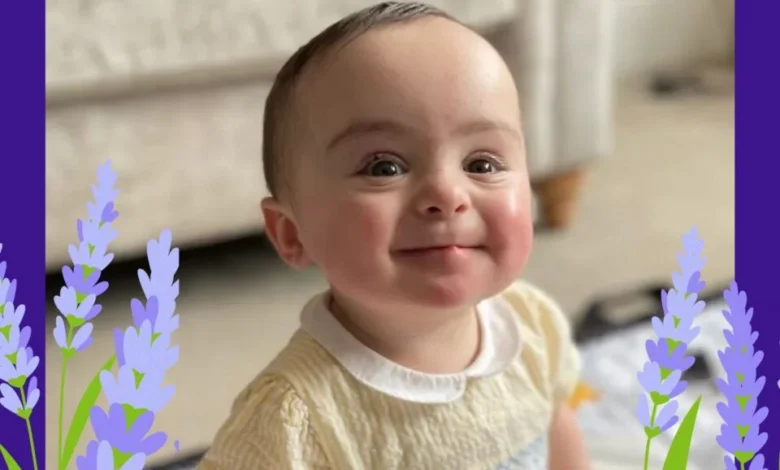
In a landmark development for child safety advocacy, the UK government and Ofsted have announced significant commitments to bolster safer sleep protections for infants and young children within early years settings across England. This crucial advancement stems from the tireless campaigning efforts of Katie and John Meehan, whose daughter, Gigi, tragically died in a childcare setting in 2022. The "Campaign for Gigi," supported by The Lullaby Trust and MP Tom Morrison, has spearheaded this initiative, aiming to prevent similar tragedies and ensure the utmost safety for children in care.
A Tragic Catalyst for Change: The Story of Gigi Meehan
The impetus for these vital reforms is rooted in the heartbreaking loss of two-year-old Genevieve "Gigi" Meehan. In 2022, Gigi died in a childcare setting under circumstances that led to a profound re-evaluation of existing safety protocols. Her parents, Katie and John Meehan, channeled their immense grief into a powerful campaign, demanding systemic improvements to safeguard other children. Their advocacy, amplified by The Lullaby Trust, a leading charity dedicated to reducing infant deaths, and supported by parliamentary figures, has now yielded tangible policy changes.
The Campaign for Gigi has been instrumental in highlighting systemic failures and advocating for concrete measures. The core of their demands centres on ensuring that every childcare setting prioritizes and rigorously implements safe sleep practices. The tragic death of Gigi underscores a critical vulnerability within the early years sector, where lapses in protocol, however unintentional, can have devastating consequences. The Meehans’ journey from personal tragedy to powerful advocacy has galvanized a movement, pushing for a future where such preventable deaths are no longer a reality.
New Safeguards: Ofsted Inspections and EYFS Framework Integration
From September 2026, a pivotal shift will occur in how Ofsted, the independent regulator of education and social care in England, assesses early years settings. Safer sleeping arrangements will become a mandatory component of every inspection. This means that every nursery, pre-school, and childminder will be evaluated on their adherence to safe sleep guidelines, with a particular focus on the needs of babies and children under the age of two.
To facilitate this, Ofsted has committed to updating its Early Years Inspection Toolkit. This revised toolkit will provide clearer, more explicit expectations regarding safe sleep practices. These updated guidelines are designed to leave no room for ambiguity, ensuring that all providers understand their responsibilities and the critical importance of implementing robust safety measures.
Furthermore, and subject to parliamentary approval, safer sleep requirements will be formally integrated into the Early Years Foundation Stage (EYFS) statutory framework from September 2026. The EYFS framework sets the standards for learning, development, and care for children from birth to five years old. Its inclusion within this foundational document signifies a long-term commitment to prioritizing child safety in sleep environments.
In anticipation of these forthcoming changes, the Department for Education (DfE) proactively communicated with all early years providers in March 2026. This communication served to reinforce existing expectations and strongly encourage settings to adopt and follow the established safer sleep guidance. This proactive step aims to allow providers time to prepare and implement necessary adjustments ahead of the formal regulatory changes.
The Broader Agenda: CCTV in Nurseries
Beyond safer sleep practices, the Campaign for Gigi has also championed the mandatory installation of CCTV in nurseries. This measure is intended to provide an additional layer of protection for babies, young children, and early years workers alike, fostering transparency and accountability within childcare settings. Recognizing the significance of this aspect of the campaign, an independent Expert Advisory Panel has been convened to thoroughly examine the role and implications of CCTV in early years settings. The findings and recommendations of this panel are anticipated to inform future policy decisions on this matter.
The push for CCTV reflects a growing concern about ensuring the highest standards of care and supervision. While not directly related to sleep safety, it aligns with the overarching goal of creating environments where children are protected from harm, whether from negligence, abuse, or accidents. The deliberations of the Expert Advisory Panel will be closely watched by parents, educators, and safety advocates.
A Legacy of Love and Advocacy: The Meehans’ Unwavering Resolve
Katie and John Meehan’s transformation of profound personal tragedy into a powerful force for systemic change is an inspiring testament to their resilience and dedication. Their campaign, conducted in Gigi’s name, represents a crucial step forward in ensuring that vulnerable infants and young children are afforded the highest possible level of safety while in the care of early years settings. These are environments where children should feel secure, nurtured, and protected.
In their own words, Katie and John Meehan stated: "We remain determined to keep pushing until every ask of Campaign for Gigi has been delivered. We are deeply grateful to everyone who has supported us throughout this journey. Every step forward is part of Gigi’s legacy." This powerful statement underscores their ongoing commitment to achieving all their campaign objectives and their profound appreciation for the widespread support they have garnered.
Understanding Safer Sleep: The Lullaby Trust’s Role and Data
The Lullaby Trust has been at the forefront of infant safety for decades, working to reduce the number of Sudden Infant Death Syndrome (SIDS) deaths and provide support to bereaved families. Their expertise and guidance are invaluable in shaping the understanding and implementation of safer sleep practices.
According to The Lullaby Trust, SIDS remains a significant concern, with many tragic deaths preventable through adherence to simple, evidence-based advice. Key recommendations for safer sleep include:
- Placing babies on their back: This is the single most effective way to reduce the risk of SIDS.
- Keeping the baby’s head and face uncovered: Loose bedding, blankets, and toys in the cot can obstruct a baby’s breathing.
- Ensuring a smoke-free environment: Exposure to cigarette smoke, both before and after birth, significantly increases the risk of SIDS.
- Sleeping on a firm, flat, and clear mattress: Soft surfaces, including sofas and armchairs, are dangerous for sleeping babies.
- Room sharing: For the first six months, babies should sleep in the same room as a parent or carer, on a separate surface like a cot.
The Lullaby Trust provides extensive resources and training for parents and professionals, aiming to educate and empower individuals to create the safest possible sleep environments for babies. Their work directly supports the aims of the Campaign for Gigi by providing the evidence base and practical guidance necessary for implementing effective safer sleep policies.
Broader Implications and the Path Forward
The integration of safer sleep assessments into Ofsted inspections and the EYFS framework marks a significant shift in regulatory oversight. This move signals a clear governmental acknowledgement of the critical importance of safe sleep in early years settings and a commitment to enforcing higher standards.
For parents, these changes offer greater reassurance that their children are being cared for in environments that adhere to best practices in infant safety. The increased scrutiny from Ofsted means that providers will be held more accountable for their sleep policies and procedures.
For early years providers, this necessitates a thorough review and potential overhaul of their existing sleep protocols. Investing in staff training, ensuring compliance with updated guidance, and fostering a culture of vigilance around sleep safety will be paramount. The Department for Education’s proactive communication and The Lullaby Trust’s resources offer valuable support in this transition.
The ongoing examination of mandatory CCTV in nurseries also points towards a broader trend of enhancing transparency and accountability in childcare. While this measure is complex and requires careful consideration of privacy and practical implementation, its inclusion in the public discourse highlights a societal demand for robust safeguarding measures.
The success of the Campaign for Gigi serves as a powerful reminder of the impact that dedicated advocacy can have on policy and public safety. The Meehans’ profound loss has catalysed a movement that will undoubtedly save lives and protect countless children. Their unwavering resolve, coupled with the support of organizations like The Lullaby Trust and legislative action from the government, paves the way for a safer future for the youngest members of society. The journey towards comprehensive child safety is ongoing, and these recent commitments represent a vital and hard-won victory.