Building Diverse Libraries: The Push for Representation in Children’s Literature

The landscape of children’s literature has long faced scrutiny regarding the demographics of its protagonists. For decades, publishing industry audits have highlighted a significant imbalance in representation, revealing that books written for young audiences overwhelmingly feature white, male characters—both human and anthropomorphic. In response to these persistent disparities, educators, librarians, and parents are increasingly curating reading lists that intentionally incorporate diversity across race, gender, ability, and sexuality. This movement seeks not only to provide mirrors for underrepresented children to see themselves in stories, but also to offer windows into the diverse experiences of the broader world.
Background and Historical Context of Representation in Publishing
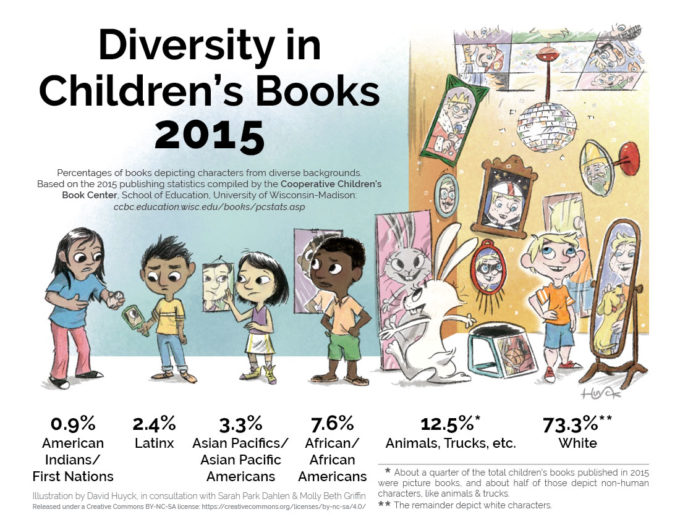
The discussion surrounding diversity in children’s literature gained significant empirical footing in the mid-2010s, driven largely by ongoing data collection from organizations such as the Cooperative Children’s Book Center (CCBC) at the University of Wisconsin-Madison. For decades, the CCBC has tracked the demographics of characters in children’s and young adult books. Their reports consistently demonstrated that characters of color were vastly outnumbered by white characters, and frequently outnumbered by animals or objects.
Parallel studies from academic institutions and media outlets highlighted similar disparities regarding gender representation. Research published by organizations like the, then, Twenty-First Century Fox and various literacy groups pointed out that male protagonists—whether in human stories or animal adventures—dominated picture books, early readers, and chapter books. This imbalance established a baseline cultural norm wherein white male experiences were positioned as universal, while diverse experiences were categorized as niche.
Statistical Insights and Industry Data
Data collected by literacy advocates and research groups underscore the scale of the imbalance. According to historical tracking from organizations monitoring children’s publishing trends, authors and illustrators of color historically accounted for a small fraction of published children’s titles—hovering around 10 to 22 percent depending on the specific year and genre.
Furthermore, gender studies on children’s literature indicate that even within books featuring animal protagonists, male characters predominate by a substantial margin. Industry analysts note that this lack of representation is often so pervasive that readers and caregivers fail to notice it without conducting a deliberate audit of their personal bookshelves. Bestselling series aimed at school-aged children, such as contemporary middle-grade fiction and graphic novels, have historically leaned heavily toward young male protagonists, reinforcing the need for intentional diversification in early childhood reading materials.
Categorized Recommendations for Diverse Youth Literature
To counteract these systemic gaps, literacy advocates have compiled curated reading lists spanning various age groups. These selections combine high literary and artistic merit with meaningful representation.
Literature for Babies and Toddlers
Early childhood literature establishes foundational cognitive and emotional associations with reading. Board books and picture books designed for this demographic utilize simple narratives, rhythmic text, and vibrant illustrations to introduce inclusive themes:
- Not Quite Narwhal explores the story of Kelp, a character navigating differences while emphasizing the all-encompassing nature of family love.
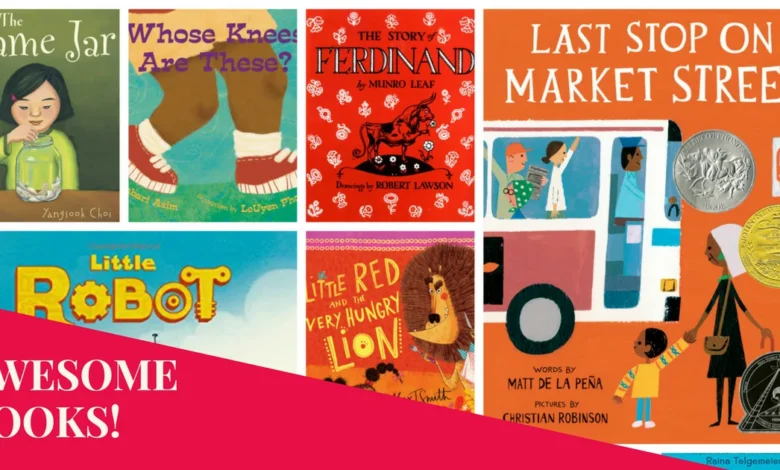
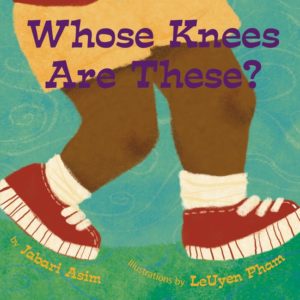
- Whose Knees are These? offers a rhythmic, interactive board book experience focused on bodily awareness and diversity in human physical features.
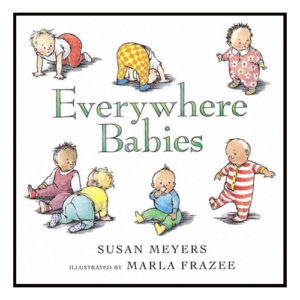
- Everywhere Babies utilizes illustrations to depict infants and families of diverse backgrounds and configurations, celebrating community and universal caregiving.
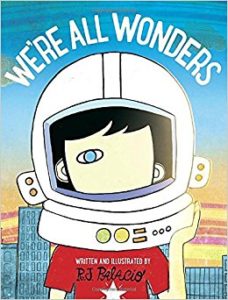
- We’re All Wonders adapts the themes of acceptance and facial difference from R.J. Palacio’s broader literary universe for younger audiences, promoting empathy regarding physical differences.
Literature for Preschoolers
As children enter preschool, narratives begin to explore social dynamics, community integration, and emotional resilience:
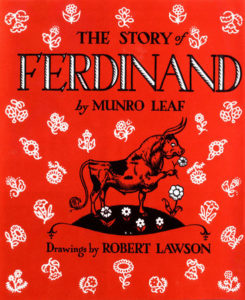
- The Story of Ferdinand remains a classic text challenging traditional expectations of masculinity and aggression through the story of a peace-loving bull.
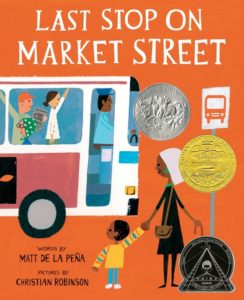
- Last Stop on Market Street follows a young boy and his grandmother on a city bus ride, highlighting urban community, socioeconomic diversity, and intergenerational connection.
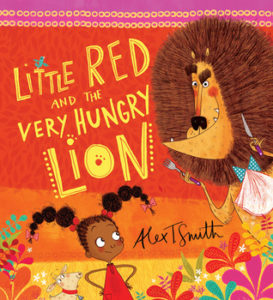
- Little Red and the Very Hungry Lion reinterprets a classic fairy tale within a vibrant jungle setting, centering diverse cultural adaptations of traditional folklore.
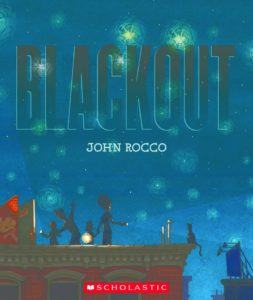
- Blackout presents a wordless narrative centered on an urban family whose members reconnect during a city-wide power outage, emphasizing familial bonds over digital distractions.
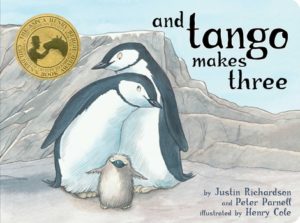
- And Tango Makes Three provides a factual, accessible exploration of non-traditional family structures through the true story of two male penguins raising a chick at the Central Park Zoo.
- The Name Jar addresses the anxieties of immigration and cultural assimilation as a young Korean girl navigates a new classroom and the pronunciation of her name.
- The Snowy Day serves as a foundational milestone in children’s literature, featuring an African American protagonist engaging in routine childhood exploration, recognized widely with the Caldecott Medal.
- Little Robot and Zita the Spacegirl offer imaginative, graphic-novel-style adventures featuring capable, resilient female protagonists navigating science-fiction landscapes.
Literature for Older Children and Middle-Grade Readers
Middle-grade literature often tackles complex social dynamics, neurodivergence, physical disabilities, and developing identities:
- Mighty Jack reimagines traditional adventure tropes while featuring a prominent supporting character with autism, highlighting sibling relationships and nonverbal communication within a fantasy narrative.
- El Deafo presents a semi-autobiographical graphic novel account of a young rabbit navigating hearing loss, the use of assistive technology, and the search for social acceptance.
- Sisters and related works by Raina Telgemeier incorporate diverse themes, including chronic illness (such as cystic fibrosis in Ghosts) and exploratory questions regarding adolescent sexuality and identity (such as in Drama), framed within relatable coming-of-age stories.
Implications and Broader Impact
The push for diverse representation in children’s literature carries significant implications for child development and educational outcomes. Psychologists and literacy experts emphasize that exposure to diverse characters fosters empathy, reduces cultural bias, and validates the lived experiences of minority children. When publishing houses, libraries, and educational institutions prioritize inclusive reading lists, they actively reshape cultural perceptions from an early age.
While industry metrics show gradual improvements in the publication of diverse titles, educators and parents continue to advocate for systemic changes in acquisition, authorship, and distribution. By maintaining an active dialogue regarding representation, the publishing ecosystem moves closer to ensuring that books reflect the full spectrum of society.
Related posts: