The Ultimate Homemade Meat Spaghetti Sauce Recipe for Family Dinners and Crowd-Pleasing Meals

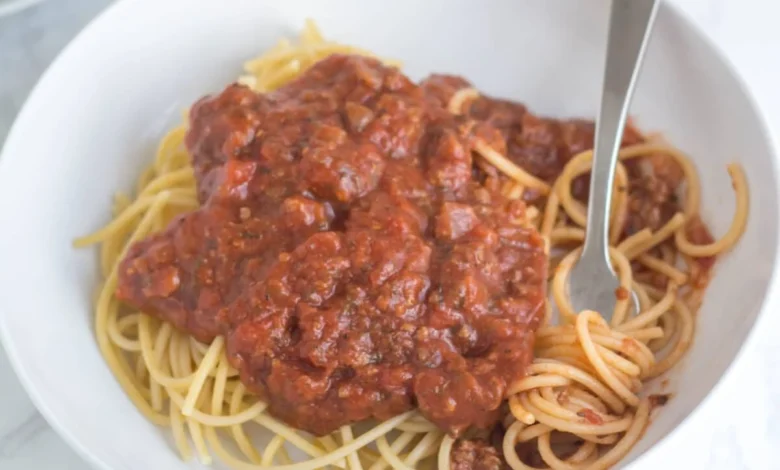
The culinary landscape of family dinners often relies on quick fixes and convenience foods, yet few dishes hold the enduring cultural and emotional significance of a slow-simmered, homemade meat spaghetti sauce. In an era dominated by processed jarred sauces containing high levels of sodium and artificial additives, culinary experts and nutritionists alike are observing a growing cultural shift toward scratch-made, comforting meals that prioritize wholesome ingredients, scalability, and freezing capabilities. This comprehensive culinary review examines a widely praised, crowd-pleasing homemade spaghetti sauce recipe that yields 8 to 10 servings, tracing its origins, nutritional profile, preparation techniques, and broader implications for modern domestic life.
Background and Cultural Context of Comfort Food
The tradition of passing down homemade recipes through social networks—such as friends offering tubs of hot food to new parents, neighbors managing a relocation, or families navigating periods of stress—remains a cornerstone of community resilience. Sociological studies on food and interpersonal relationships indicate that homemade meals function not merely as sustenance, but as tangible expressions of care and social cohesion.
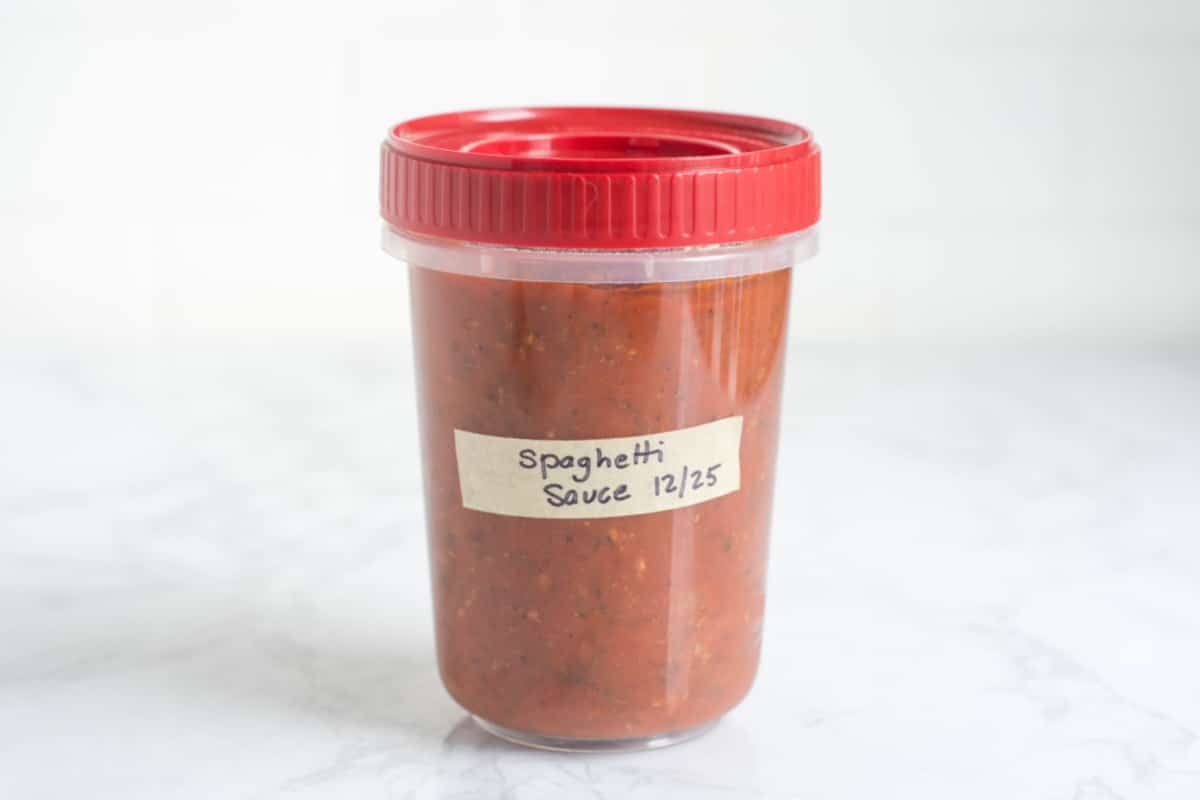
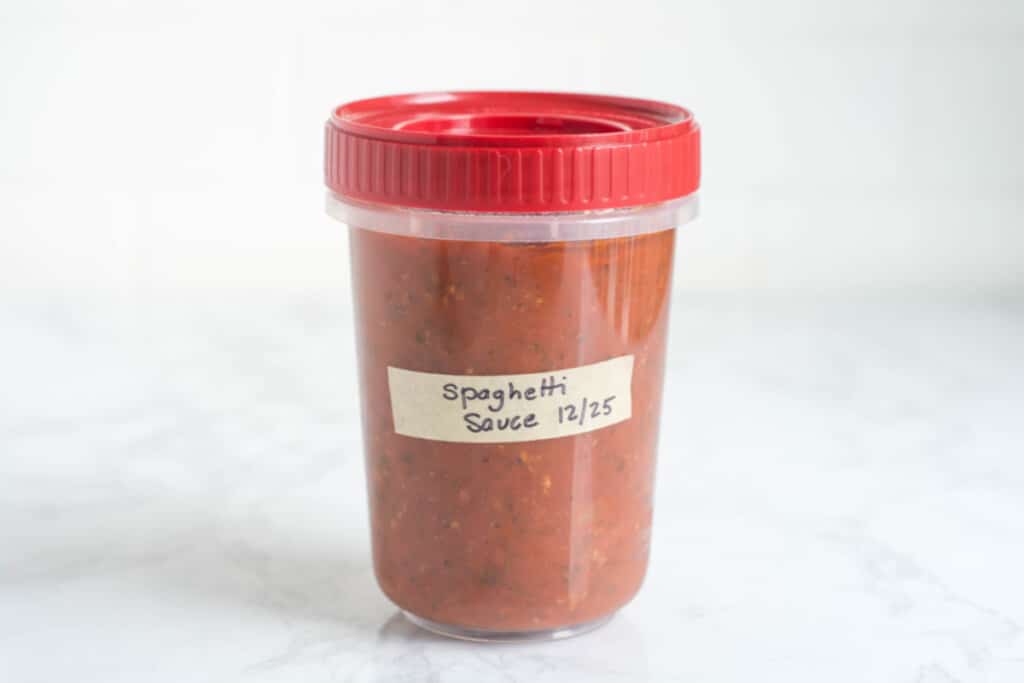
The recipe in question originated from a long-standing culinary tradition shared quietly among neighbors and friends. Initially distributed informally in reused plastic tubs labeled with masking tape, the sauce gained a local reputation for its thick consistency, comforting flavor profile, and capacity to scale up for large gatherings. Home cooks frequently encounter the logistical challenge of preparing meals that satisfy both children and adults while remaining economically viable and time-efficient. This specific meat sauce addresses those demands by combining pantry staples with straightforward preparation methods, bridging the gap between gourmet home cooking and weeknight practicality.
Ingredients and Nutritional Profile
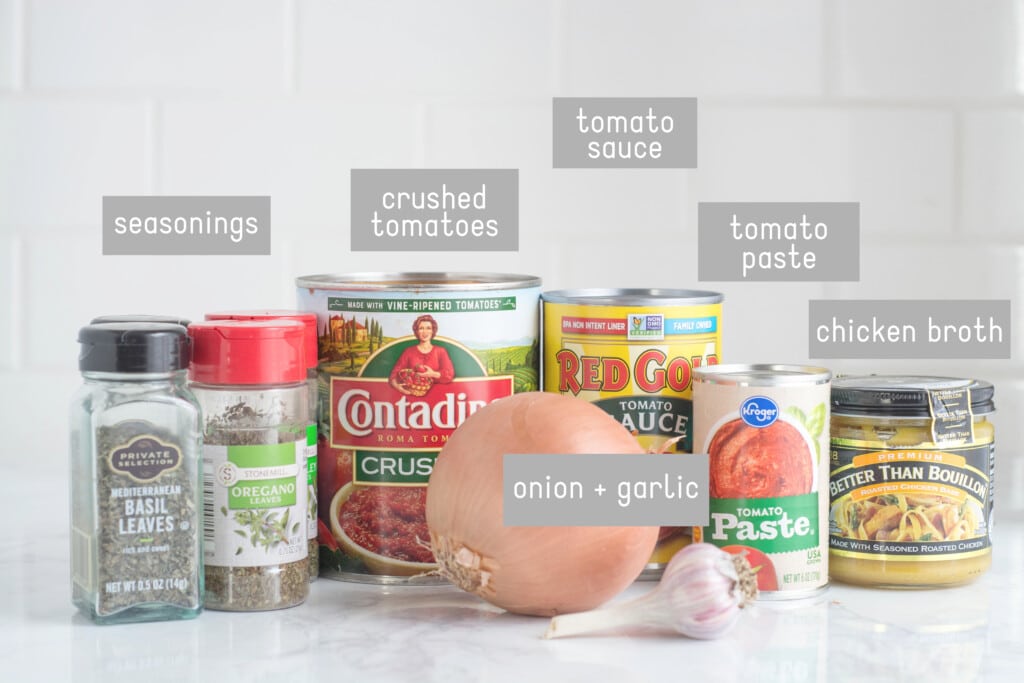
Achieving a thick, hearty consistency requires a precise balance of proteins, aromatics, and liquids. While the exact proportions of the foundational ingredients adapt to individual kitchen inventories, traditional iterations of this recipe rely on ground beef (with ground turkey serving as a popular, leaner substitution), canned crushed or diced tomatoes, tomato paste for body, and a structured blend of herbs and spices.
To evaluate the health implications of this dish, nutritional analysts have examined the per-serving data based on an 8-to-10 serving yield. Each standard serving contains approximately 232 calories, breaking down into 9 grams of total fat (3 grams of saturated fat and 6 grams of unsaturated fat), 51 milligrams of cholesterol, and 712 milligrams of sodium. The dish provides substantial nutritional value through its macronutrient profile, offering 20 grams of protein per serving alongside 19 grams of carbohydrates, 5 grams of dietary fiber, and 11 grams of naturally occurring sugars derived primarily from the tomato base.
Culinary flexibility is a hallmark of the recipe. For instance, home cooks seeking to enhance the savory depth of the sauce frequently substitute a combination of one-half cup of water mixed with one-half teaspoon of high-grade bouillon (such as Better Than Bouillon) in place of standard store-bought broth. This adjustment allows for precise sodium management while intensifying the umami characteristics of the meat.
Preparation Chronology and Cooking Methods
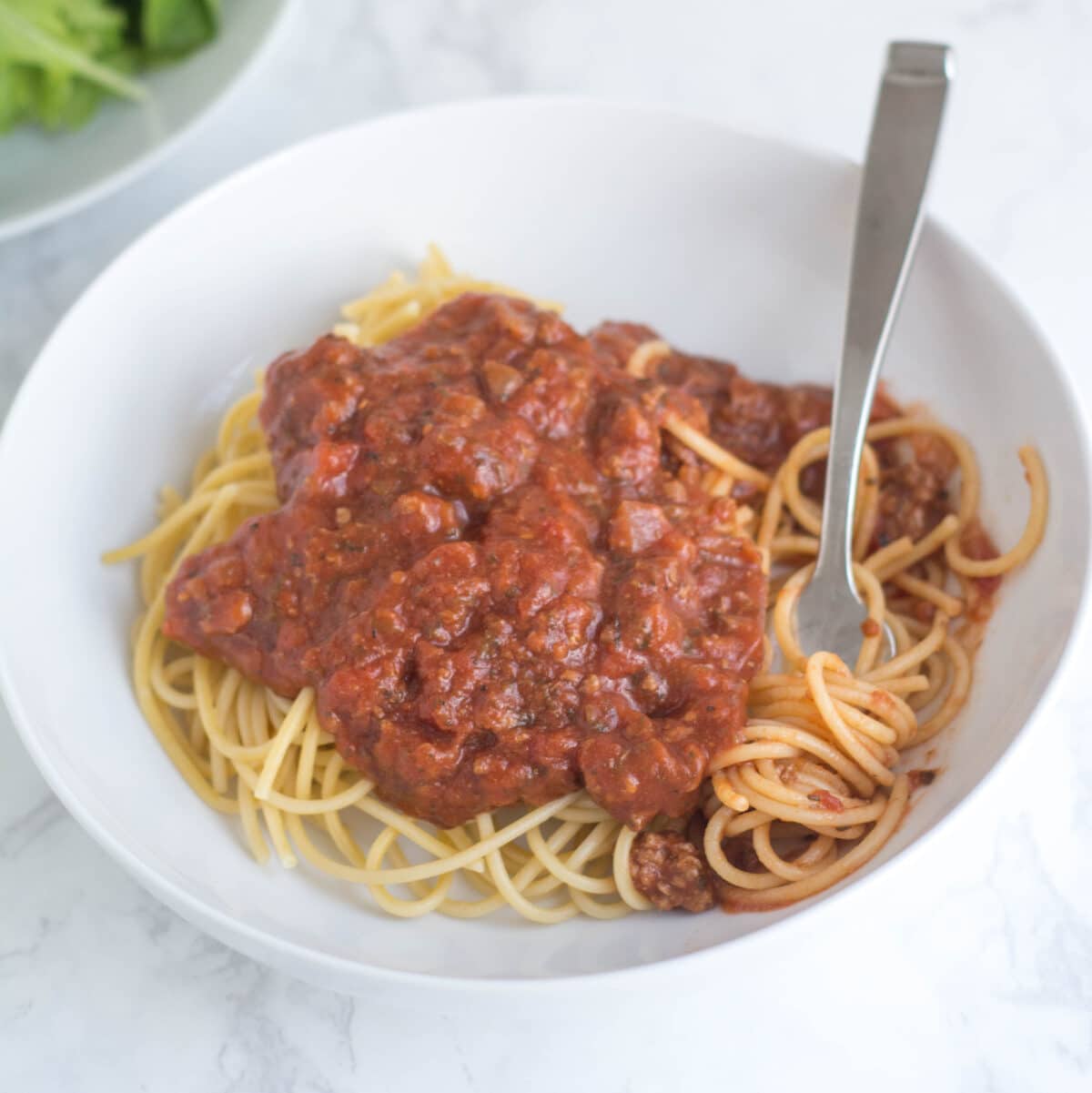
The preparation of a classic meat spaghetti sauce follows a structured culinary timeline designed to maximize flavor development through the slow breakdown of proteins and the reduction of liquids.
Phase one involves the primary protein treatment. Ground beef or turkey is browned in a heavy-bottomed Dutch oven or stockpot over medium-high heat until fully cooked, after which excess fats are drained to maintain a balanced texture. Aromatics, typically including diced onions and minced garlic, are introduced to the pan, sautéing in the residual pan juices until translucent and fragrant.
Phase two marks the incorporation of the tomato base and flavor agents. Crushed tomatoes, tomato paste, and the chosen broth or bouillon mixture are folded into the meat and aromatics. Herbs such as oregano, basil, salt, and black pepper are added at this stage.
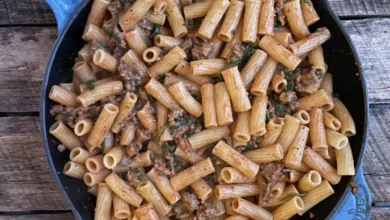
Phase three encompasses the simmering process. Traditional stovetop preparation requires the mixture to be brought to a gentle boil before reducing the heat to low, allowing the sauce to uncover-simmer for anywhere from 30 minutes to several hours. This extended cooking time enables the starches and tomato solids to thicken naturally, resulting in a rich, clinging texture that adheres effectively to long pasta varieties like traditional spaghetti, as well as robust tubular shapes such as rigatoni and penne.
Modern Adaptations: Instant Pot Integration
As domestic routines have accelerated, kitchen technology has adapted to reduce the time required for traditional slow-cooked meals. The integration of electric pressure cookers, specifically the Instant Pot, has transformed how home cooks approach rich meat sauces.
Culinary technicians note that adapting a stovetop meat sauce for the Instant Pot requires careful sequencing to prevent scorching. By utilizing the sauté function for browning the meat and aromatics, followed by sealing and pressure cooking the tomatoes and spices under high pressure for a fraction of the traditional simmering time, cooks can achieve a comparable depth of flavor in under an hour. This technological adaptation has broadened the accessibility of scratch-made meals for time-pressed working parents and individuals managing demanding schedules.
Storage, Preservation, and Food Safety Protocols
Proper food storage is a critical component of meal planning, particularly for recipes designed to yield large quantities. According to food safety guidelines established by agricultural extension services and health authorities, cooked meat sauces must be cooled rapidly and transferred to airtight containers—such as tempered glass storage dishes—within two hours of cooking.
Refrigerated storage maintains the quality and safety of the sauce for 3 to 4 days. For long-term preservation, freezing offers an optimal solution. Home cooks frequently store the sauce in heavy-duty freezer bags pressed flat to maximize freezer space or in rigid, airtight containers. When stored at or below zero degrees Fahrenheit, the sauce retains optimal flavor and textural integrity for 2 to 3 months. This freezer-friendly nature supports broader household economic strategies, allowing families to buy ingredients in bulk, reduce food waste, and maintain a ready supply of emergency meals.
Broader Implications and Modern Domestic Trends
The enduring popularity of scratch-made meat spaghetti sauce highlights a broader cultural resistance against hyper-processed convenience foods. Market researchers tracking consumer behavior have identified a sustained post-pandemic resurgence in home cooking, driven by a desire for ingredient transparency, financial prudence, and psychological comfort.
By utilizing scalable recipes that cater to larger households or provide leftovers for future consumption, modern home cooks achieve greater control over their dietary intake while participating in a communal food culture. Whether shared with a neighbor experiencing a life transition, stored in the freezer for a busy weeknight, or served at a large family gathering, the traditional meat spaghetti sauce remains a resilient staple of contemporary culinary life, proving that simple, quality ingredients prepared with care continue to hold profound value in modern society.