Summer with a newborn isn’t all sunshine—moms are quietly struggling with this unexpected shift

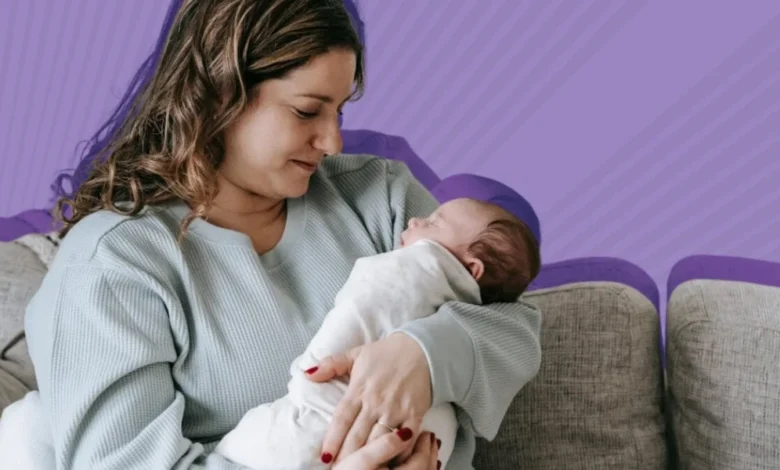
The transition into motherhood is widely romanticized as a period of blissful bonding and gentle discovery. However, for many women, the reality of the first summer with a newborn is fraught with complex, often silent, emotional and physical challenges. As social media feeds fill with idealized images of beach days and sunny stroller walks, a growing number of parents are voicing the hidden difficulties of this season, highlighting a stark disconnect between public perception and the reality of the fourth trimester.

The phenomenon, recently highlighted by viral testimonials on platforms like TikTok, points to a broader systemic issue: the lack of adequate societal support for new parents. While the "summer glow" narrative persists, the reality often involves sleep deprivation, recovery from birth, and the isolating nature of caring for a highly dependent infant during what is traditionally considered a time for social activity.

The Reality of the Fourth Trimester
The term "fourth trimester"—the first 12 weeks following childbirth—is gaining traction in medical and parenting circles as a way to acknowledge the intense physiological and psychological shifts occurring during this time. Experts emphasize that this period is not merely a "recovery phase" but a critical window for neurological development in infants and emotional regulation in parents.

Mothers report that the expectations of summer—a season defined by mobility, outdoor gatherings, and social spontaneity—clash violently with the rigid, indoor-centric requirements of newborn care. The physical exhaustion of healing, compounded by the constant demand for feeding and soothing, leaves little room for the leisure typically associated with the warmer months. This mismatch can lead to a profound sense of loss, as mothers feel they are missing out on a season they once enjoyed, creating a cycle of guilt and isolation.

The Economic and Structural Factors
The struggle is not merely psychological; it is deeply rooted in structural inequities. According to data from the U.S. Bureau of Labor Statistics, the lack of federally mandated paid parental leave forces many women to return to the workforce shortly after birth. This transition often occurs precisely during the summer months for those who delivered in the spring.

The financial burden of early parenthood is significant. Studies indicate that the average cost of raising a child in their first year, excluding housing and transportation, can exceed $10,000 to $15,000, depending on childcare arrangements and healthcare access. When mothers are faced with the "motherhood tax"—a term describing the loss of income and career advancement opportunities following childbirth—the emotional load becomes inextricably linked to financial anxiety.

Furthermore, the recent $17 billion Meta lawsuit regarding social media’s impact on children has brought renewed attention to how digital environments influence parental expectations. The constant exposure to "perfect" parenting portrayals on platforms like Instagram can exacerbate feelings of inadequacy, leading to what psychologists call "comparison fatigue."

A Chronology of the Struggle
The path from pregnancy to the first summer is marked by several distinct stages of adjustment. In the weeks immediately following birth, the primary focus is survival—establishing feeding routines and managing physical recovery. As the baby approaches three or four months, which often coincides with the peak of summer, there is an expectation that the "hard part" is over.

However, this is precisely when the social expectations of summer intensify. Invitations to outdoor events, family vacations, and community gatherings increase, while the infant’s need for consistency remains high. This creates a "social deficit" for the parent, who may struggle to balance the baby’s needs with their own desire to reintegrate into adult social spheres. By the time the child approaches the six-month mark, many mothers report a sense of burnout, having spent the entire summer in a state of hyper-vigilance.

The Role of Support Systems
Research consistently shows that the presence of a strong "village"—whether in the form of partners, grandparents, or professional support—is the single most significant factor in mitigating postpartum depression and anxiety. A recent study indicated that fathers who take at least two weeks of paternity leave contribute to a 31% increase in the likelihood of successful breastfeeding at the eight-week mark, demonstrating how shared domestic responsibility impacts maternal health.

Despite this, societal structures often lag behind. Legislative progress, such as Alabama’s recent steps toward state-level paid parental leave, represents a monumental, albeit localized, victory. Yet, these gains are often inconsistent across the United States. Without nationalized standards, the "luck of the draw"—your employer, your state, and your financial status—dictates the quality of your fourth trimester.

Addressing the Mental Load
Mental health professionals are increasingly advocating for a shift in how we approach the "identity rebirth" of new motherhood. This involves moving away from the notion of "bouncing back" to pre-pregnancy routines and instead embracing the transition as a permanent shift in identity.

Practices that help ground new parents—such as setting firm boundaries regarding visitors, prioritizing postpartum nutrition, and seeking professional help for anxiety—are now being framed as medical necessities rather than luxuries. Experts argue that treating rest as a "prescription" rather than an "afterthought" is essential for long-term health.

Broader Implications and Policy Needs
The discourse surrounding the "summer struggle" is a microcosm of a larger, systemic crisis. If society continues to treat parental leave as a corporate perk rather than a public health imperative, the struggle will persist. The economic, social, and medical implications are clear:

- Healthcare Costs: Untreated postpartum mental health issues contribute to long-term health disparities for both parent and child.
- Workforce Participation: Rigid workplace policies lead to the attrition of talented women who cannot reconcile the demands of early parenthood with the rigidity of professional environments.
- Child Development: The stress levels of primary caregivers directly correlate to the developmental outcomes of infants.
To address these issues, policy experts suggest several actionable shifts:

- Normalization of Paid Leave: Transitioning from elective corporate policies to a universal, federally funded model that covers all workers, regardless of company size.
- Redefining Success: Moving the cultural narrative away from "bouncing back" and toward a model of supported recovery and slow, intentional reintegration.
- Investing in the "Village": Expanding support services for grandparents and other family caregivers who act as the invisible scaffolding for new parents.
Conclusion
As we look toward future summers, the conversation must move beyond viral social media trends and toward meaningful change. The struggle of the modern mother is not a personal failure; it is a symptom of a society that has yet to reconcile its economic demands with the biological and emotional realities of human development.

Recognizing that the first summer with a newborn is a period of "hard love"—a blend of profound growth and intense difficulty—is the first step toward building a system that truly supports families. By validating these experiences, we can begin to dismantle the unrealistic expectations that force mothers to struggle in silence and, in their place, create an environment where parents are supported, valued, and given the time they need to heal and thrive. The shift in our culture is happening, but the pace must accelerate to match the urgent needs of the families currently navigating these turbulent, sun-drenched, and difficult months.