The Ultimate Guide to Making Crispy, Family-Friendly Sweet and Sour Chicken at Home

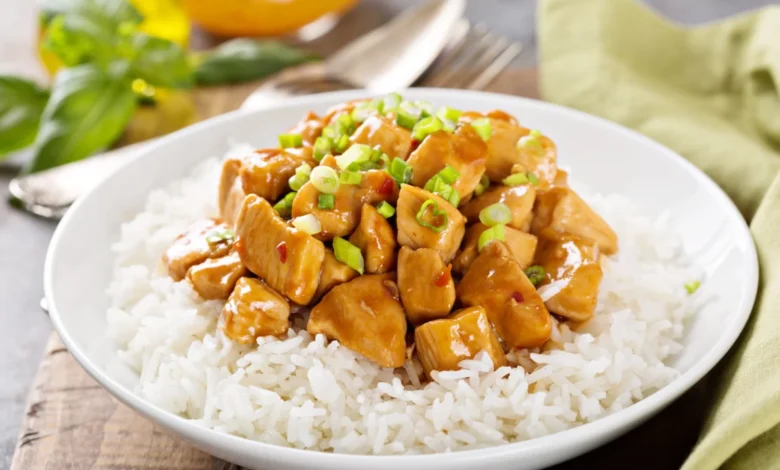
In the modern culinary landscape, balancing the demands of a busy weeknight schedule with the desire for wholesome, restaurant-quality meals remains a persistent challenge for households across North America. As consumers increasingly look for alternatives to costly and often sodium-heavy restaurant takeout, home cooking has evolved to embrace quick, adaptable recipes that satisfy both adventurous adult palates and selective children. Among the most enduring favorites of Asian-inspired comfort food is sweet and sour chicken—a dish defined by its contrasting textures of crispy fried poultry coated in a vibrant, glossy, tangy sauce. A newly released home-cooking guide from culinary platform Super Healthy Kids details a streamlined approach to this classic favorite, offering a 35-minute recipe engineered specifically for families seeking a balance of nutrition, speed, and bold flavor.
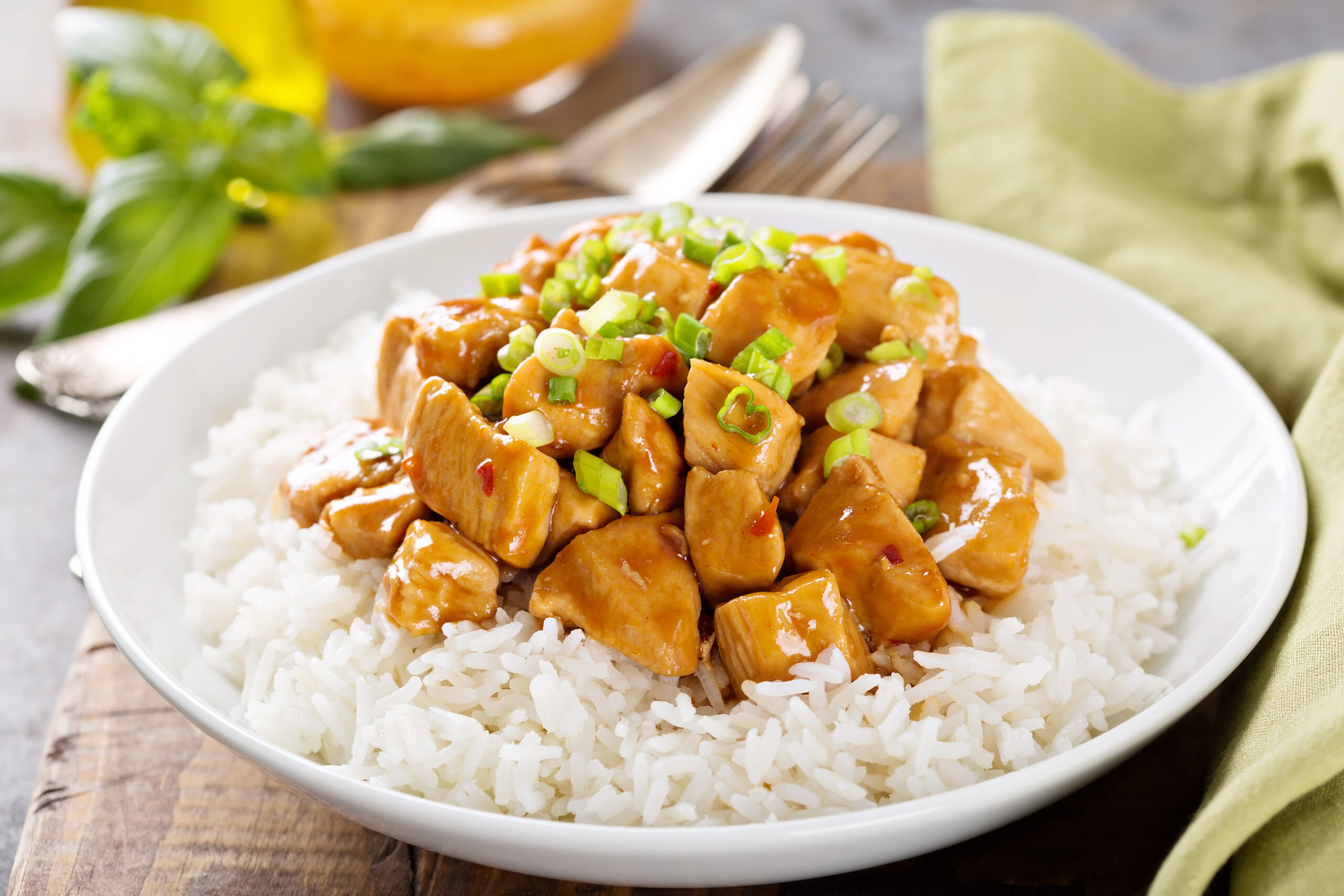
The culinary origins of sweet and sour dishes trace back centuries, finding their roots in the Cantonese cuisine of China, where pork was traditionally paired with a tart vinegar and sugar sauce. When Chinese immigrants moved abroad, particularly to Western nations throughout the 19th and 20th centuries, the recipe underwent significant adaptation to match local ingredients and preferences. The substitution of pork with chicken, alongside the incorporation of bell peppers, onions, and canned pineapple chunks, became a staple of North American Chinese-American restaurants by the mid-20th century. While these commercial versions often rely on deep-frying and heavy corn syrup-based glazes, contemporary home-cooking initiatives focus on reclaiming these traditional flavors through lighter preparation methods, fresh produce, and controlled sodium levels, transforming an occasional restaurant indulgence into a feasible weeknight staple.
The newly published recipe simplifies this heritage into an efficient timeline designed for evening preparation. Requiring just 15 minutes of active preparation followed by 20 minutes of cooking time, the 35-minute process begins with dicing and coating the protein. Culinary experts emphasize the importance of technique during the cooking phase, specifically advising home cooks to avoid overcrowding the frying pan. By cooking the chicken in smaller batches, moisture is prevented from accumulating, ensuring that the pieces develop a golden, crispy exterior rather than steaming in the pan. Once the protein achieves optimal texture, a quick-acting cornstarch slurry is introduced to the simmering sauce, creating the signature glossy finish that adheres evenly to every bite.
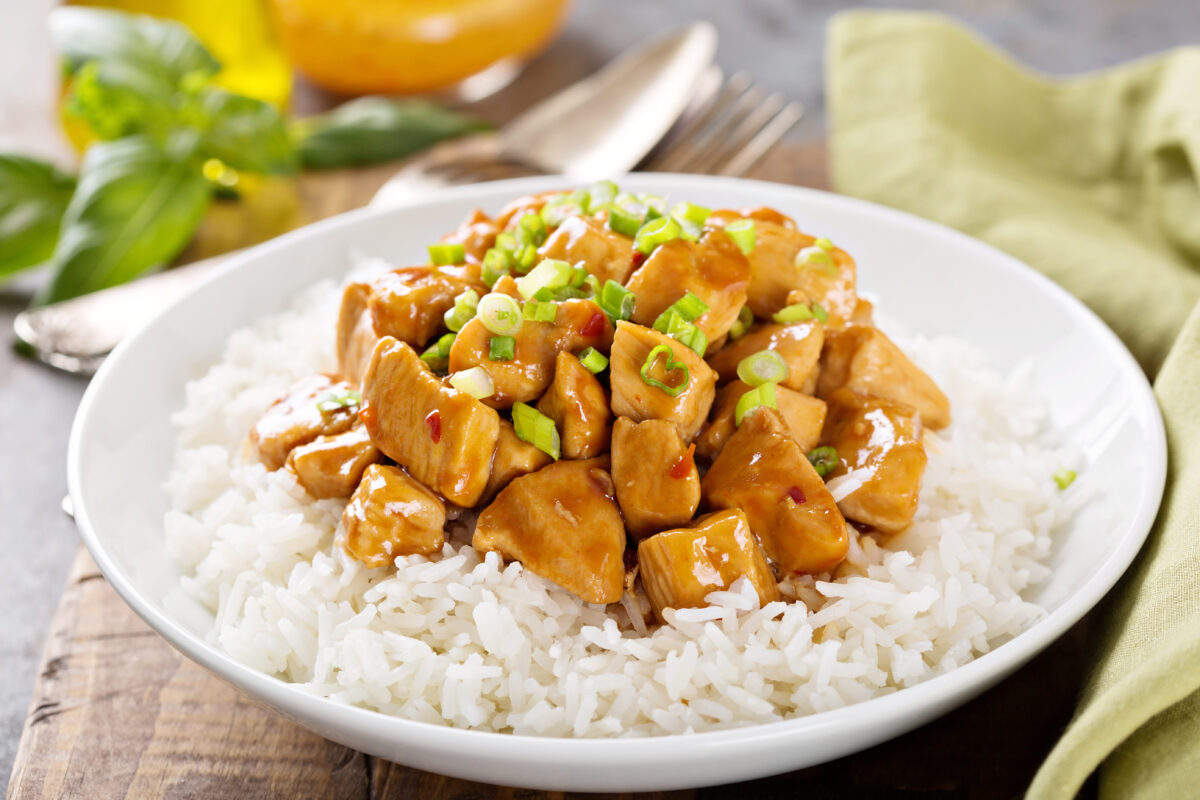
Nutritional and culinary analysis of the recipe highlights its adaptability, addressing a common pain point in family meal planning: accommodating diverse dietary preferences and spice tolerances. The foundational sauce relies on pineapple juice—providing natural acidity and sweetness—supplemented by balanced savory elements. For households with young children or spice-sensitive eaters, the inclusion of red pepper flakes can be easily scaled back or entirely omitted during the initial cooking phase, with extra heat applied individually at the table via sriracha or chili garlic sauce. Furthermore, the recipe supports nutritional enrichment through the integration of customizable vegetables, allowing parents to effortlessly fold in bell peppers, broccoli florets, snap peas, and carrots to boost fiber and micronutrient intake.
Industry trends indicate a significant rise in demand for adaptable, multi-use recipes as inflation and shifting lifestyle habits prompt consumers to dine out less frequently. According to recent consumer food behavior reports, weeknight dinners that mimic the sensory appeal of takeout while utilizing accessible supermarket ingredients have seen a surge in popularity. Nutritionists and family food advocates note that dishes like this sweet and sour chicken serve a dual purpose: they introduce children to global flavor profiles in an approachable format, and they empower parents to control the exact quality of oils, sugars, and salts entering their households.
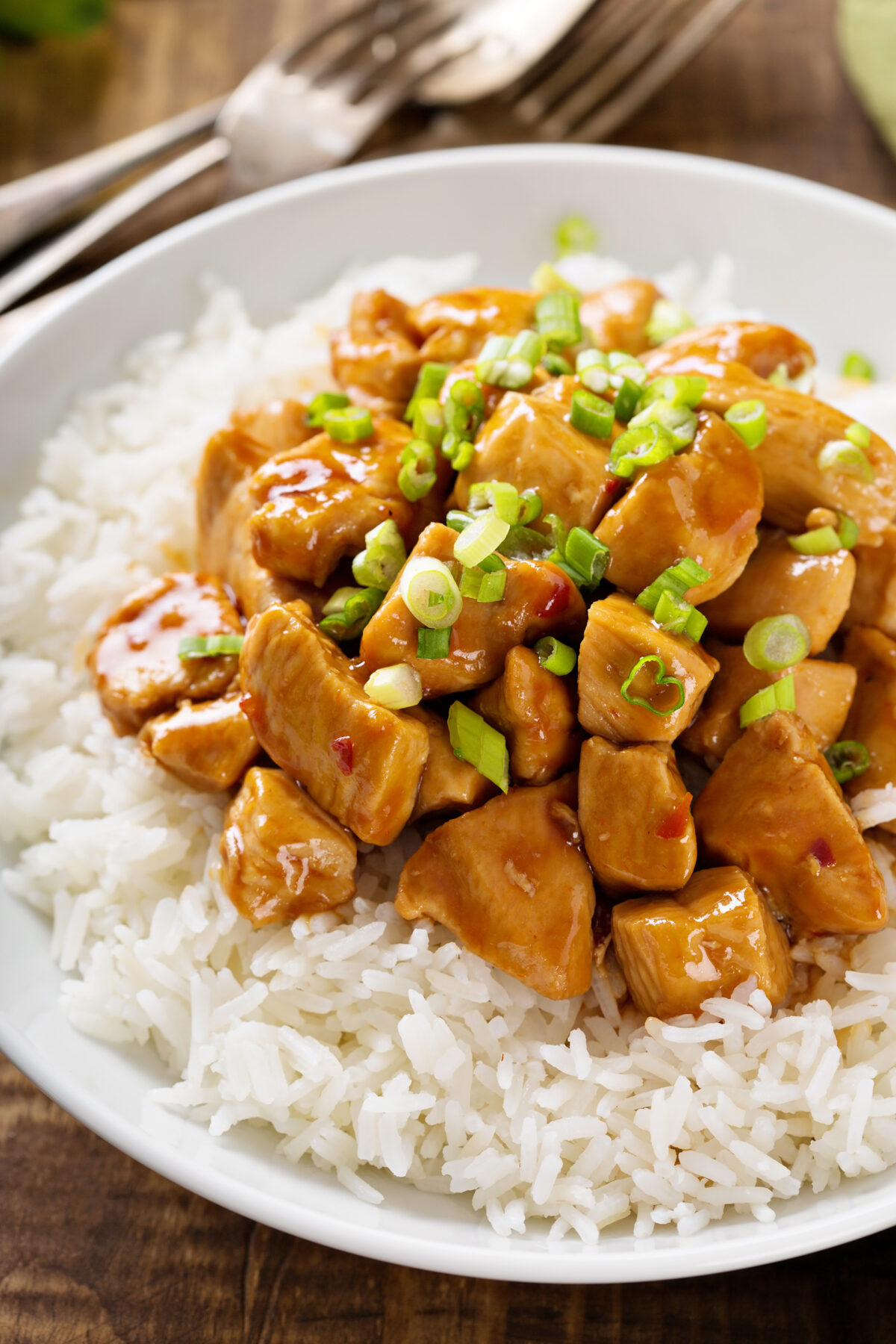
Culinary professionals and family nutrition specialists emphasize that the broader implications of home-cooking innovations extend beyond immediate financial savings. By teaching fundamental kitchen techniques—such as maintaining oil temperatures, managing pan density to achieve browning, and utilizing slurries for sauce viscosity—home cooks build foundational skills that translate to broader culinary confidence. As platforms continue to publish streamlined adaptations of restaurant classics, the modern family kitchen increasingly bridges the gap between fast-paced convenience and intentional, health-conscious dining, ensuring that traditional comfort foods remain vibrant, accessible, and nourishing for generations to come.