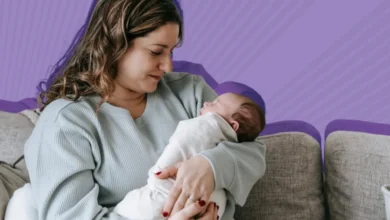
The Evolution of Modern Motherhood: Navigating Health Innovations Economic Pressures and the Changing Political Landscape for Families

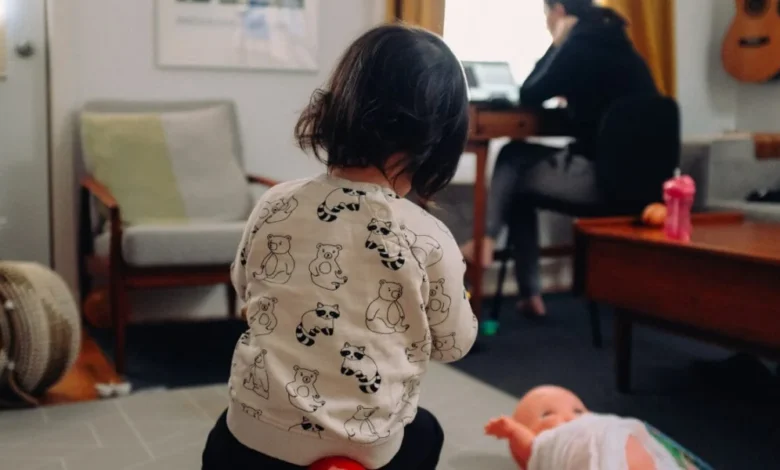
The landscape of parenting in the mid-2020s is undergoing a profound transformation, driven by a convergence of shifting economic realities, advancements in neonatal health, and a burgeoning movement for political representation that prioritizes family-centric policy. As parents navigate an era defined by both record-high costs of living and a greater understanding of maternal mental health, the traditional "village" is being rebuilt through digital networks, specialized healthcare services, and grassroots political activism. From the rise of donor milk usage in the home to the emergence of the first children’s literature addressing postpartum depression, the modern mother’s experience is increasingly characterized by a move away from "perfection" and toward a model of sustainable, evidence-based care.

Political Shifts: The Rise of the Mother-Legislator
A significant component of the changing family landscape is the increasing number of mothers seeking high-level political office with platforms centered on the "care economy." In Minnesota, Lieutenant Governor Peggy Flanagan, a citizen of the White Earth Nation of Ojibwe, has transitioned her advocacy for paid leave and affordable childcare into a historic run for the U.S. Senate. Flanagan’s candidacy represents a pivotal moment in American politics; if elected, she would become the first Native American woman to serve in the Senate. Her campaign emphasizes that the struggles of the household—such as the "bedtime conversations" about making ends meet—are inherently political issues that require federal intervention.

Similarly, in Iowa’s northeast district, State Representative Lindsay James has secured a primary victory and is now campaigning for a seat in the U.S. Congress. A minister and mother of teenagers, James’s platform focuses on the unique pressures facing families in the Midwest, where the loss of rural healthcare and the rising cost of education have created a "squeeze" on the middle class. The rise of candidates like Flanagan and James suggests a shift in political strategy, where the "motherhood identity" is no longer a liability to be managed but a credential of lived experience that resonates with a frustrated electorate.

The Economics of the Fourth Trimester and the Motherhood Tax
Despite political gains, mothers in 2025 continue to face a steep "motherhood tax," a phenomenon where women experience a significant drop in lifetime earnings following the birth of a child. Economic data indicates that this tax manifests in three distinct ways: lower salary trajectories, higher costs for female-targeted household goods, and a disproportionate share of unpaid labor. Research from the National Bureau of Economic Research (NBER) suggests that the "motherhood penalty" can account for as much as 80% of the remaining gender pay gap in developed nations.

To combat these financial stressors, financial experts are advocating for "small money shifts" rather than radical overhauls. These include automating college savings, renegotiating insurance premiums during maternity leave, and utilizing mindful money practices during the fourth trimester—the first 12 weeks after birth. During this period, families often face unexpected costs related to recovery and neonatal care. Financial analysts note that the mental load of managing a household budget is inextricably linked to emotional well-being; when the budget is thin, the cognitive labor required to sustain a family increases, leading to higher rates of burnout.

Health and Wellness: Beyond the "Bounce Back" Narrative
Medical professionals and maternal advocates are successfully challenging the "bounce back" culture that has dominated the postpartum narrative for decades. Instead, a new consensus is emerging that views postpartum recovery as a long-term medical necessity rather than a luxury. This shift is exemplified by the increasing popularity of donor milk for use at home. Once reserved strictly for Neonatal Intensive Care Units (NICUs), donor milk is now being utilized by parents facing low supply or those who choose not to breastfeed but want the immunological benefits of human milk. Companies like Maia Milk are facilitating this transition, though health experts emphasize the importance of using regulated milk banks to ensure safety and nutritional integrity.

Furthermore, the clinical understanding of postpartum depression (PPD) is reaching younger audiences. The release of the first children’s picture book specifically designed to explain PPD to toddlers marks a milestone in de-stigmatizing maternal mental health. By providing language for children to understand why a parent may be "away" emotionally, these resources aim to break the cycle of shame and isolation. Physical therapists are also contributing to this holistic reset, recommending five-minute daily movement patterns to counteract "postpartum back," a common ailment caused by the repetitive motions of infant care.

Reimagining Family Dynamics and the "Invisible Scaffolding"
The modern family structure is increasingly reliant on "invisible scaffolding," primarily provided by grandparents. Research into multi-generational dynamics shows that grandparents provide more than just childcare; they act as a stabilizing force that reduces maternal stress and improves child outcomes. However, this relationship requires clear boundaries to prevent overstepping and resentment. Experts suggest six key ways grandparents can help, ranging from providing logistical support (meals and errands) to offering emotional validation for the new parents’ choices.

The landscape of family creation is also expanding, with surrogacy and adoption becoming more visible and supported. Gestational surrogacy, often described as a "village act," requires extensive legal and emotional coordination. Surrogates increasingly advocate for journeys built on mutual respect and clarity, while intended parents are encouraged to build their support villages early. In the realm of adoption, there is a growing emphasis on "adoption anniversaries" as a tool for building a child’s identity. When handled thoughtfully, these milestones honor the child’s entire story—including their birth family—strengthening the attachment between the adoptive parents and the child.

Navigating the Developmental Milestones of Childhood
As children grow, the challenges of parenting shift from physical care to emotional navigation. One of the most significant hurdles for parents of adolescents is the "pulling away" phase. Developmental psychologists note that this distance is a healthy and necessary part of identity formation. Instead of reacting with defensiveness to a closed bedroom door, parents are encouraged to use "better questions"—prompts that invite open conversation without putting a teenager on the defensive.

Sibling rivalry is another area being re-evaluated through a research-based lens. Rather than a sign of a dysfunctional household, bickering is often a sign of connection and a training ground for empathy. By coaching siblings through conflict without taking sides, parents can help children develop the resilience and problem-solving skills they will need in adulthood. Resilience is also being fostered through low-lift, playful activities that allow children to "stumble" in a safe environment, such as kid-led meditation or unstructured outdoor play.

Practical Life: Travel, Nutrition, and the Summer Reset
The practicalities of daily life continue to be a primary focus for parents looking to optimize their time and resources. In the travel sector, Brian Kelly, founder of The Points Guy, reports that despite rising costs, family vacations remain a top priority. Kelly suggests that the internet’s claim that kids "age out" of family trips at 13 is a myth; instead, travel styles simply evolve to include more autonomy for teens. To manage costs, he recommends leveraging credit card rewards and "off-peak" destination planning.

On the home front, summer boredom and bedtime battles are being met with "no-cost fixes" that emphasize simplicity over programmed entertainment. This "core memory summer" movement encourages parents to retreat to the home as a destination rather than a staging ground for external activities. In terms of nutrition, the focus has shifted toward snacks that meet functional goals—high protein, fiber, and iron—to sustain growth and stabilize energy levels in toddlers, moving away from the high-sugar processed options that have historically dominated the market.

Broader Impact and Future Implications
The synthesis of these trends suggests a future where motherhood is increasingly supported by systemic changes rather than individual grit. The move toward electing mother-legislators likely heralds a new era of policy debates surrounding the "care economy," which could eventually lead to the nationalization of paid parental leave and subsidies for childcare that align the U.S. with other developed nations.

Furthermore, the integration of mental health education into early childhood literature and the medicalization of postpartum rest indicate a society that is becoming more compassionate toward the biological and psychological realities of birth. As the "motherhood tax" is quantified and discussed more openly, employers may face increasing pressure to design parental leave policies that are not merely "perks" but essential protections for employee health and retention.

In conclusion, the state of modern motherhood in 2025 is one of transition. While economic and physical pressures remain significant, the tools available to mothers—from political advocacy and research-backed parenting strategies to specialized healthcare and community support—are more robust than ever before. The "village" of the future is being built on a foundation of transparency, evidence, and a collective recognition that the well-being of the mother is the primary determinant of the well-being of the family.