
The transition from infancy to toddlerhood is marked by a significant physiological shift that frequently leaves parents questioning their child’s nutritional intake. Around the first birthday, the rapid, linear growth patterns characteristic of the first 12 months begin to decelerate. While an infant may triple their birth weight in a single year, a toddler’s weight gain slows to an average of approximately five pounds between the ages of one and two. This biological recalibration is a primary driver behind the sudden, and often alarming, decline in appetite that many parents observe. When a toddler who once readily consumed a variety of foods begins to reject meals in favor of specific items—or none at all—it is rarely a sign of an underlying health issue; rather, it is a normal developmental phase that necessitates a recalibration of parental feeding strategies.

Understanding the Biological Basis of the Toddler Shift
From a clinical perspective, the "toddler shift" is rooted in reduced metabolic demand. As the body’s requirement for high-calorie fuel to support rapid tissue synthesis decreases, a child’s caloric intake naturally fluctuates. Parents often misinterpret this as a failure to thrive or a sign of picky eating, but research suggests that toddlers are remarkably adept at self-regulating their energy intake based on their internal growth signals.

Simultaneously, children between 12 and 24 months are navigating a critical period of cognitive development characterized by an increasing desire for autonomy. The dinner table frequently becomes the primary stage for this newfound independence. Because toddlers have little agency over their sleep, clothing, or daily schedules, they often exercise control by refusing food. This behavior is a developmental milestone rather than a behavioral problem, serving as a functional, albeit frustrating, way for the child to assert their individuality.
The Evolution of Food Neophobia

What many caregivers identify as "picky eating" is often a protective evolutionary mechanism known as food neophobia—the fear of new or unfamiliar foods. As children become mobile, their innate instinct to avoid potentially dangerous items—such as toxic plants—kicks in. In a modern domestic setting, this manifests as a suspicion toward new colors, textures, or flavors.
Dietitians emphasize that this is a temporary phase. To navigate it successfully, parents are encouraged to employ a "low-pressure" approach. By continuing to offer a variety of foods without coercion, parents provide the repeated, safe exposures necessary for a child to eventually develop a tolerance for new items. Strategies such as serving a "safe food"—a familiar item the child is known to accept—alongside a new or rejected food, can reduce the child’s anxiety and create a more hospitable environment for exploration.

Prioritizing the Big Three: Fat, Fiber, and Protein
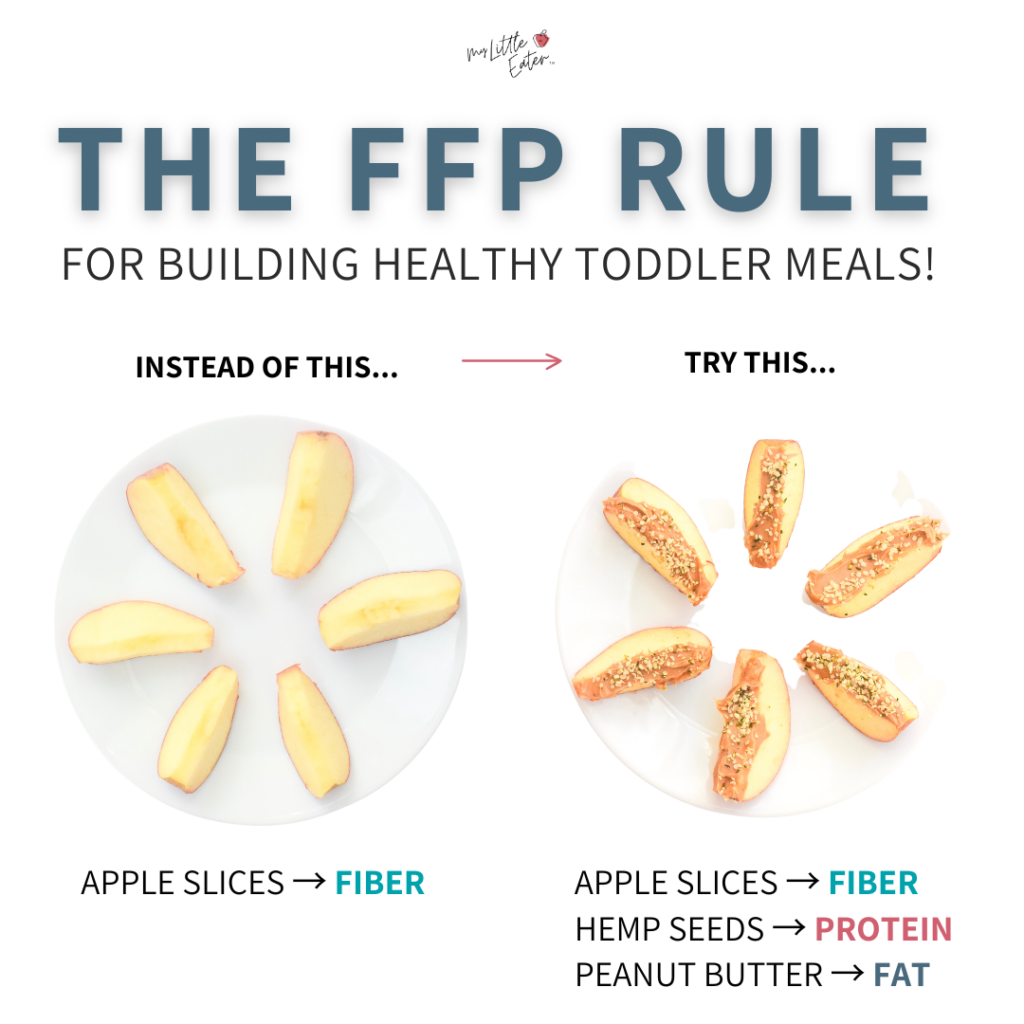
As nutritional requirements evolve, the focus must shift from total volume to the quality of the caloric intake. Pediatric nutritionists advocate for a "Big Three" focus: Fat, Fiber, and Protein (FFP). These three components are essential for neurodevelopment, sustained energy, and gastrointestinal health.
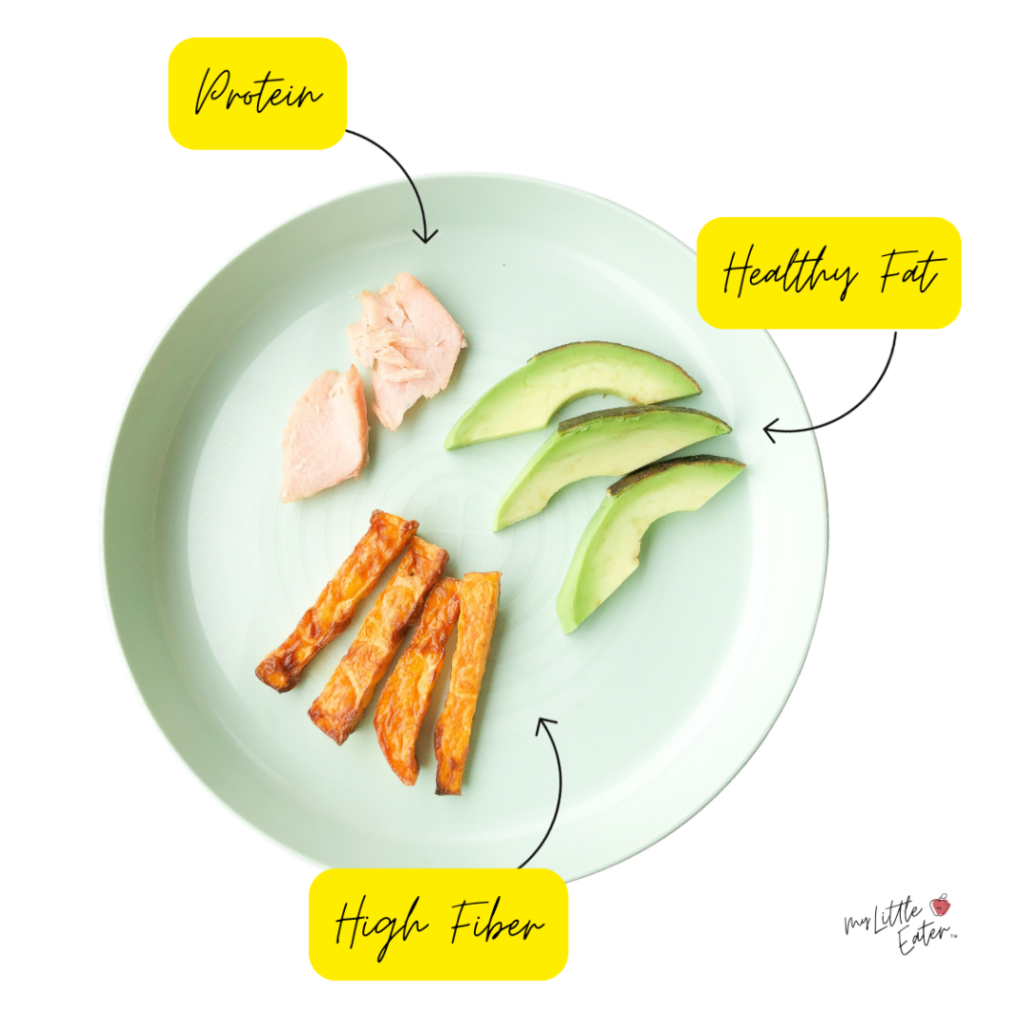
Protein remains a critical pillar of toddler nutrition. As infants transition away from breastmilk or formula, there is a heightened risk of iron deficiency. A common pitfall is the excessive consumption of cow’s milk. Clinical guidance, including standards supported by the Centers for Disease Control and Prevention (CDC), suggests that toddlers between 12 and 24 months should be limited to approximately 16 ounces (two cups) of milk per day. Consuming more than this amount can lead to the displacement of iron-rich solid foods and may potentially block iron absorption due to the high calcium and casein content.
Healthy fats, such as those found in avocado, nut butters, and full-fat dairy, are vital for brain development and provide necessary satiety. Fiber, sourced from fruits with their skins intact, vegetables, and whole grains, is equally essential to prevent the cycle of constipation that can lead to further mealtime refusal.

Implementing the Division of Responsibility
To mitigate mealtime conflict, experts often recommend the Division of Responsibility (DOR), a framework pioneered by feeding expert Ellyn Satter. This method establishes a clear, professional boundary: the parent is responsible for the "what," "where," and "when" of feeding, while the child is responsible for the "if" and "how much."
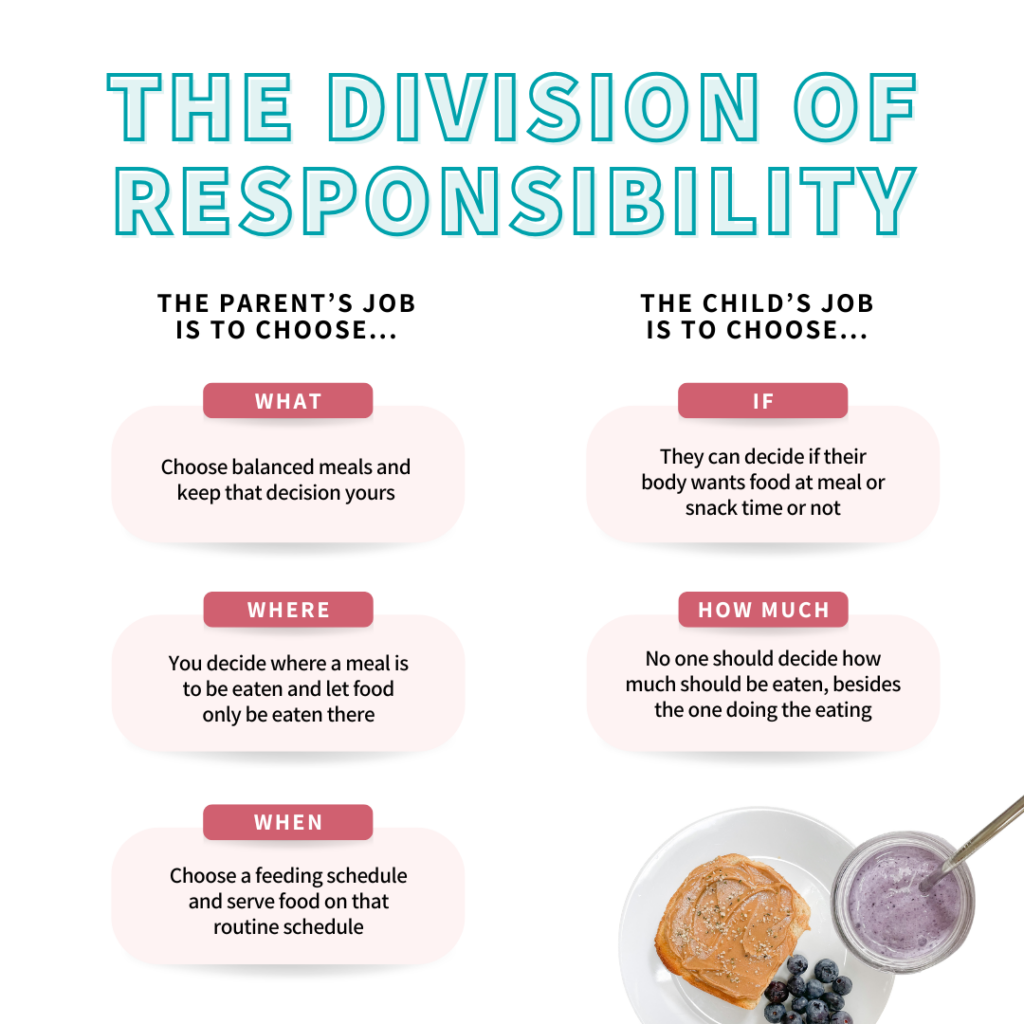
Under this model, the parent decides which nutritious foods are served and at what time, ensuring a predictable routine. Once the food is served, the parent’s role in the decision-making process concludes. The child, by choosing whether to eat and how much, is empowered to listen to their own hunger and fullness cues. Research indicates that this approach reduces the risk of long-term negative associations with food and helps prevent the development of emotional eating habits. Pressuring a child to consume "one more bite" often backfires, causing the child to ignore their internal signals in favor of parental approval, a habit that can persist into adulthood.
Portion Sizes and the Weekly Perspective

A frequent source of anxiety for parents is the discrepancy between adult and toddler portion sizes. A standard rule of thumb for toddlers is to offer approximately one tablespoon of each food group per year of age. Starting with these smaller, manageable portions reduces food waste and ensures the child does not feel overwhelmed by a large plate.
Furthermore, parents are encouraged to view nutritional balance over the course of a week rather than a single day. A child may prefer high-carbohydrate, "beige" foods on Tuesday and seek out fruit and vegetables on Wednesday. This fluctuating pattern is normal. As long as the environment remains consistent, the child will receive the necessary nutrients over time.
When to Seek Professional Intervention
While most feeding challenges are developmental and temporary, there are indicators that warrant a consultation with a pediatrician or a registered dietitian. Red flags include a diet limited to fewer than 10 foods, persistent weight loss, extreme emotional distress, or physiological reactions such as severe gagging or vomiting when exposed to specific textures.
In such cases, personalized counseling can provide a structured roadmap to address potential sensory processing issues or nutritional deficiencies. For the vast majority, however, the strategy remains consistent: provide a structured, neutral, and supportive environment that trusts the child’s innate ability to self-regulate.
Implications for Long-Term Health

The broader impact of these feeding strategies extends far beyond the toddler years. By fostering an environment of food neutrality—where foods are not labeled as "good" or "bad"—parents can prevent the "forbidden fruit" effect. This neutrality, combined with the encouragement of intuitive eating, sets the foundation for a lifetime of healthy nutritional habits.
Ultimately, the goal is to transform the dinner table from a space of conflict into a space of connection. By adhering to established guidelines regarding portion sizes, maintaining a consistent mealtime schedule, and respecting the Division of Responsibility, parents can navigate the toddler years with confidence. As research continues to confirm, the most successful approach to toddler nutrition is one that prioritizes patience, consistency, and a deep respect for the child’s developing autonomy. Through these evidence-based practices, the stress associated with mealtime can be effectively managed, allowing for a more harmonious family experience.