The Evolution of Home Cooking: The Rise of Efficient One-Pan Meals and the Popularity of Chicken Taco Pasta

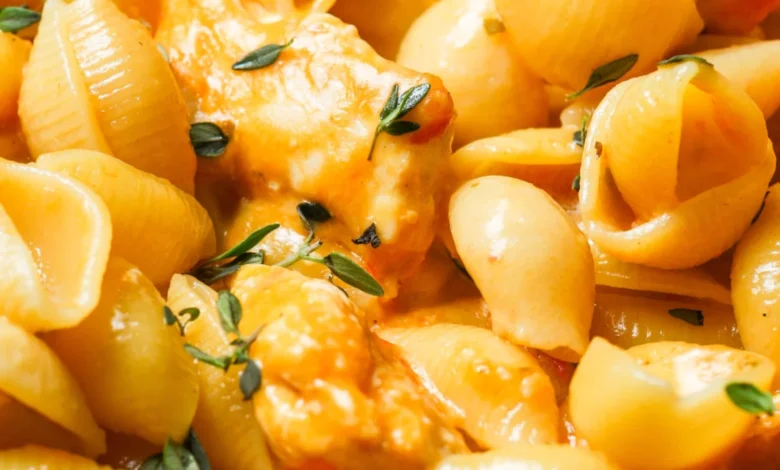
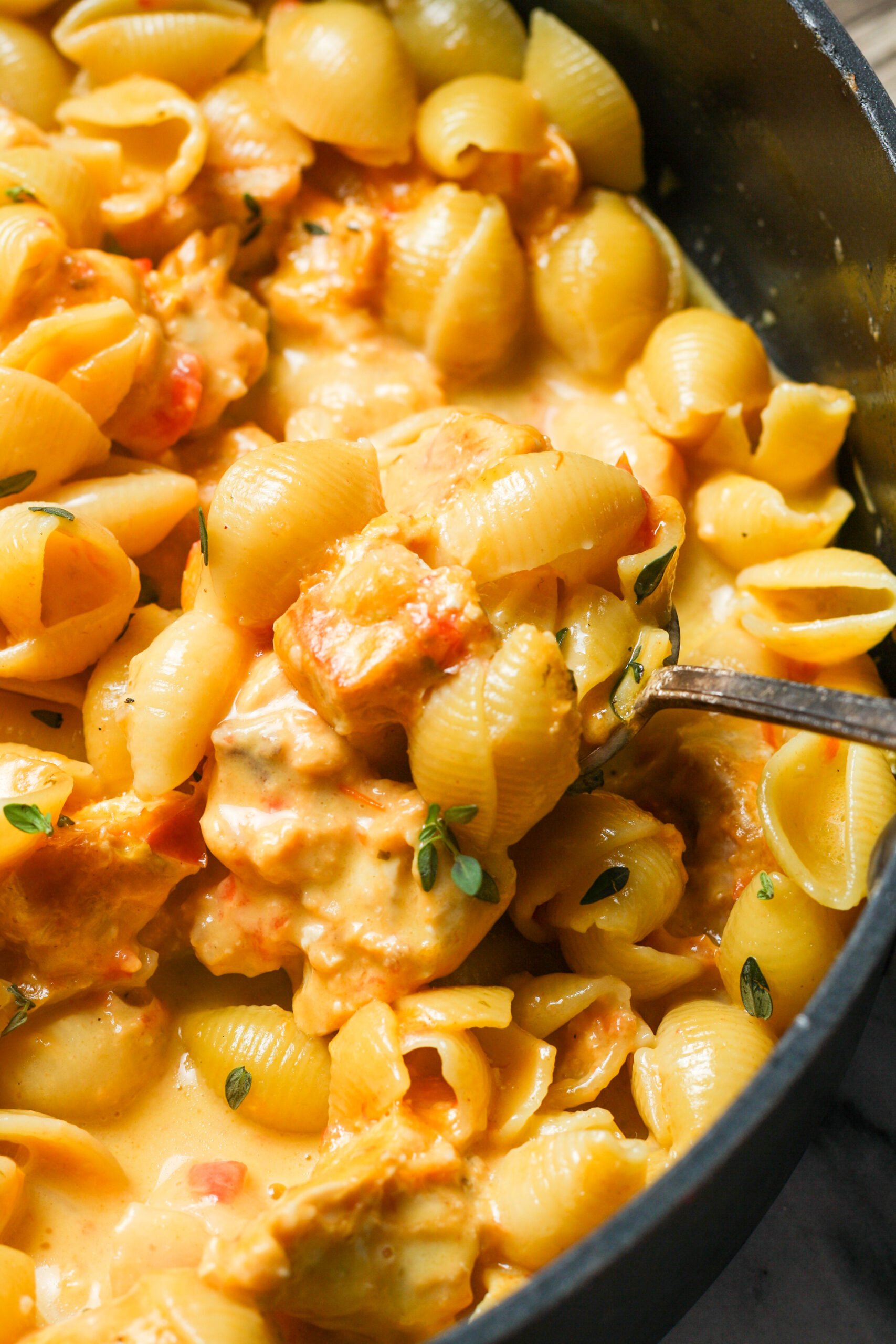
In the contemporary culinary landscape, the intersection of convenience and nutrition has become the primary driver of household meal planning. As families navigate increasingly busy schedules, the demand for "one-pan" cooking methods has surged, fundamentally altering how professional chefs and home cooks approach dinner. Among the most recent trends to emerge from this shift is the popularity of Chicken Taco Pasta, a fusion dish that synthesizes the robust, spice-forward profile of traditional Tex-Mex cuisine with the comforting, high-carbohydrate appeal of Italian pasta. This dish has gained significant traction not merely as a novelty, but as a systematic solution to the modern problem of balancing complex flavors with minimal preparation and cleanup time.
The rise of such recipes is supported by recent data from consumer culinary surveys, which indicate that over 65% of households prioritize "time-saving" as the most critical factor in their weeknight dinner selections. The Chicken Taco Pasta serves as a case study for this phenomenon, utilizing a streamlined cooking process that eliminates the need for multiple pots and strainers, thereby reducing the average dishwashing time by approximately 20 minutes per meal.
The Genesis of the Fusion Concept
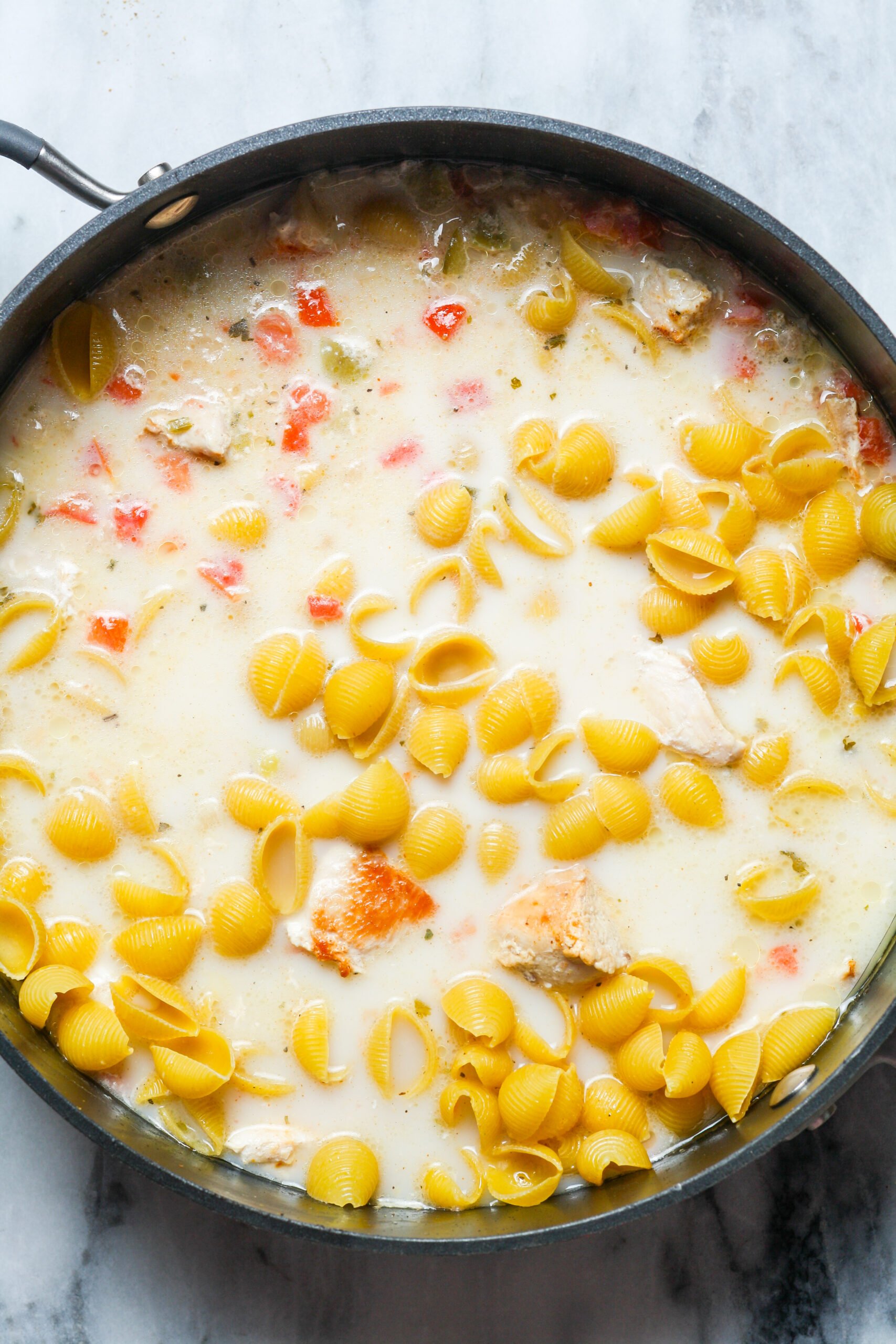
The concept of merging taco-inspired flavor profiles with pasta is not entirely new, but its recent refinement into a cohesive, one-pan format marks a departure from earlier, more cumbersome variations. Historically, pasta dishes required boiling water in a separate vessel, while taco fillings were prepared in a skillet. By utilizing a "one-pan" technique—where the pasta is cooked directly in the sauce, broth, and dairy mixture—the starch from the pasta is released into the liquid, naturally thickening the sauce without the need for additional roux or flour-based thickeners.
This culinary technique, often referred to as "pot-pasta" or "one-pan pasta," was popularized in the early 2010s by food journalists and has since been adapted to include diverse international flavor profiles. The application of this method to the Chicken Taco Pasta allows for the absorption of cumin, chili powder, and garlic directly into the pasta shells, ensuring a consistent flavor profile throughout the dish.
Chronology of the Recipe’s Development
While the exact origin of the modern, refined version of Chicken Taco Pasta is difficult to pinpoint, its mainstream adoption can be traced through several phases over the last five years:
- 2020-2021: The Pandemic Shift. During the global health crisis, home cooking frequency increased significantly. Data shows that households sought recipes that utilized pantry staples, such as dried pasta, canned tomatoes, and shelf-stable broths, all of which are key components of this dish.
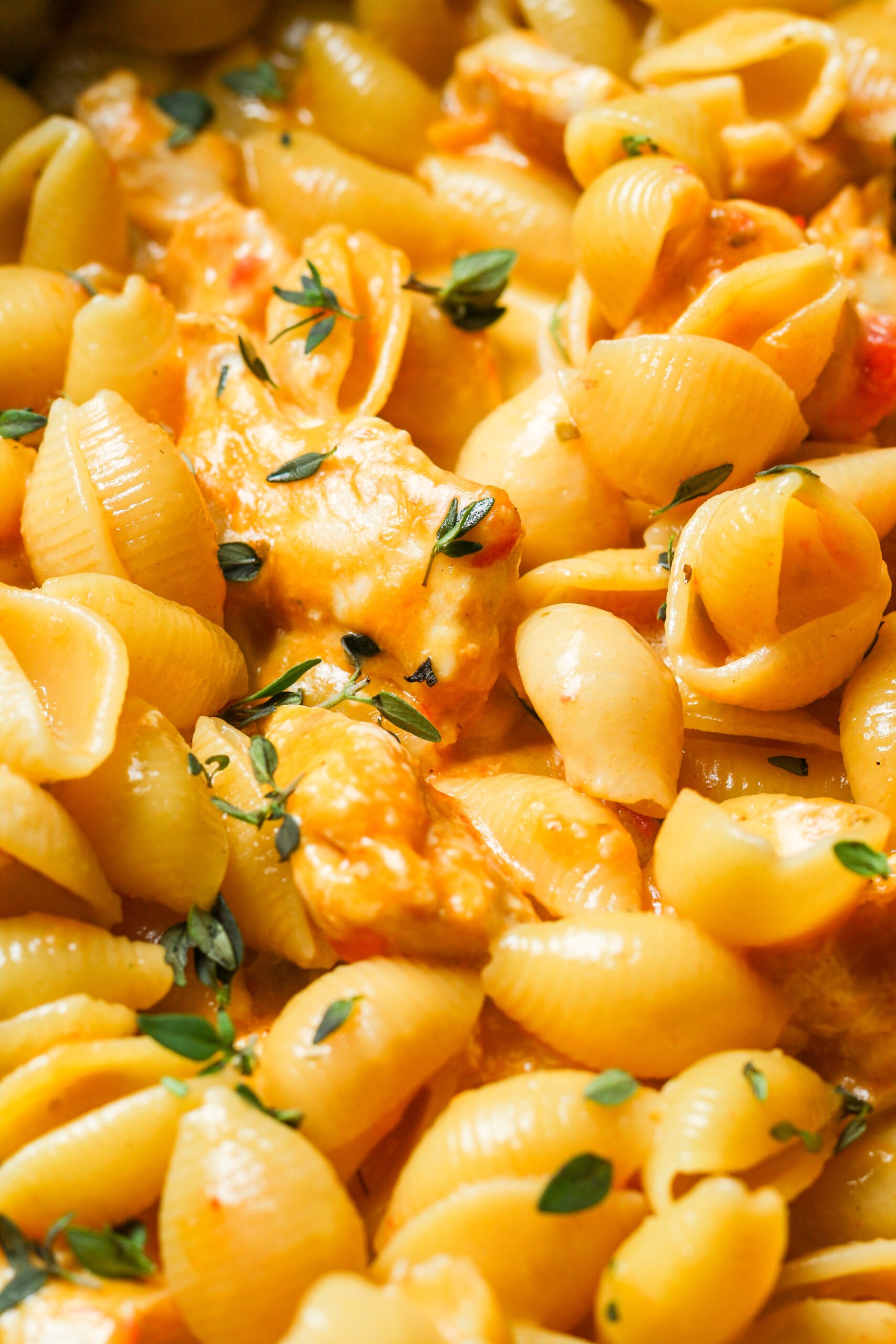
- 2022-2023: The Rise of Short-Form Culinary Media. Platforms like TikTok and Instagram Reels accelerated the visibility of this dish. Its visual appeal—characterized by the melting of cheese into a creamy, vibrant sauce—made it a viral candidate for "easy dinner" content series.
- 2024-2025: Nutritional Optimization. Recent iterations of the recipe have shifted toward "real food" standards, emphasizing the use of whole-wheat pasta, sugar-free tomato products, and fresh, lean chicken breasts. This aligns with a broader consumer movement toward cleaner ingredient labels and reduced reliance on processed seasoning packets.
Technical Breakdown and Ingredient Analysis
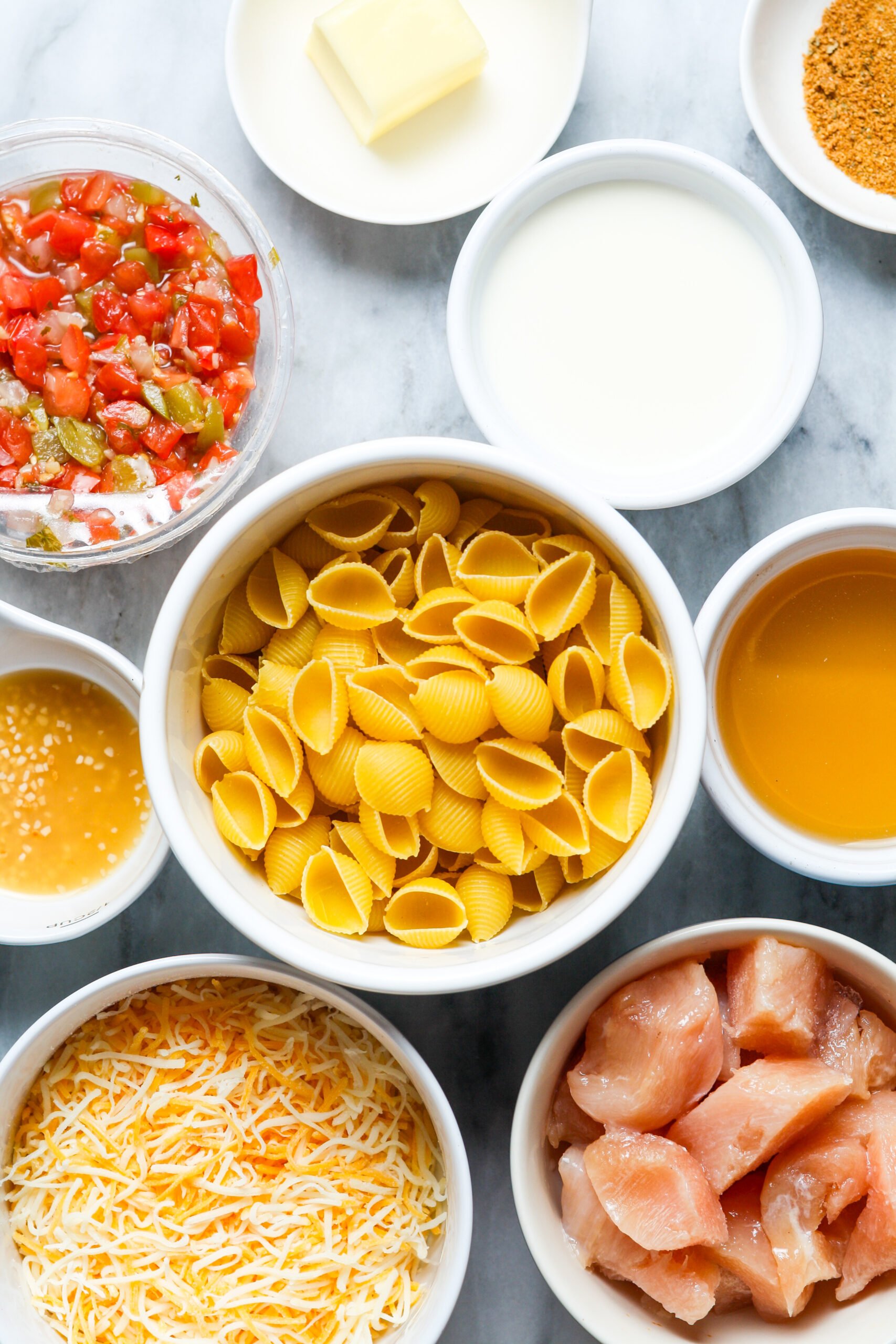
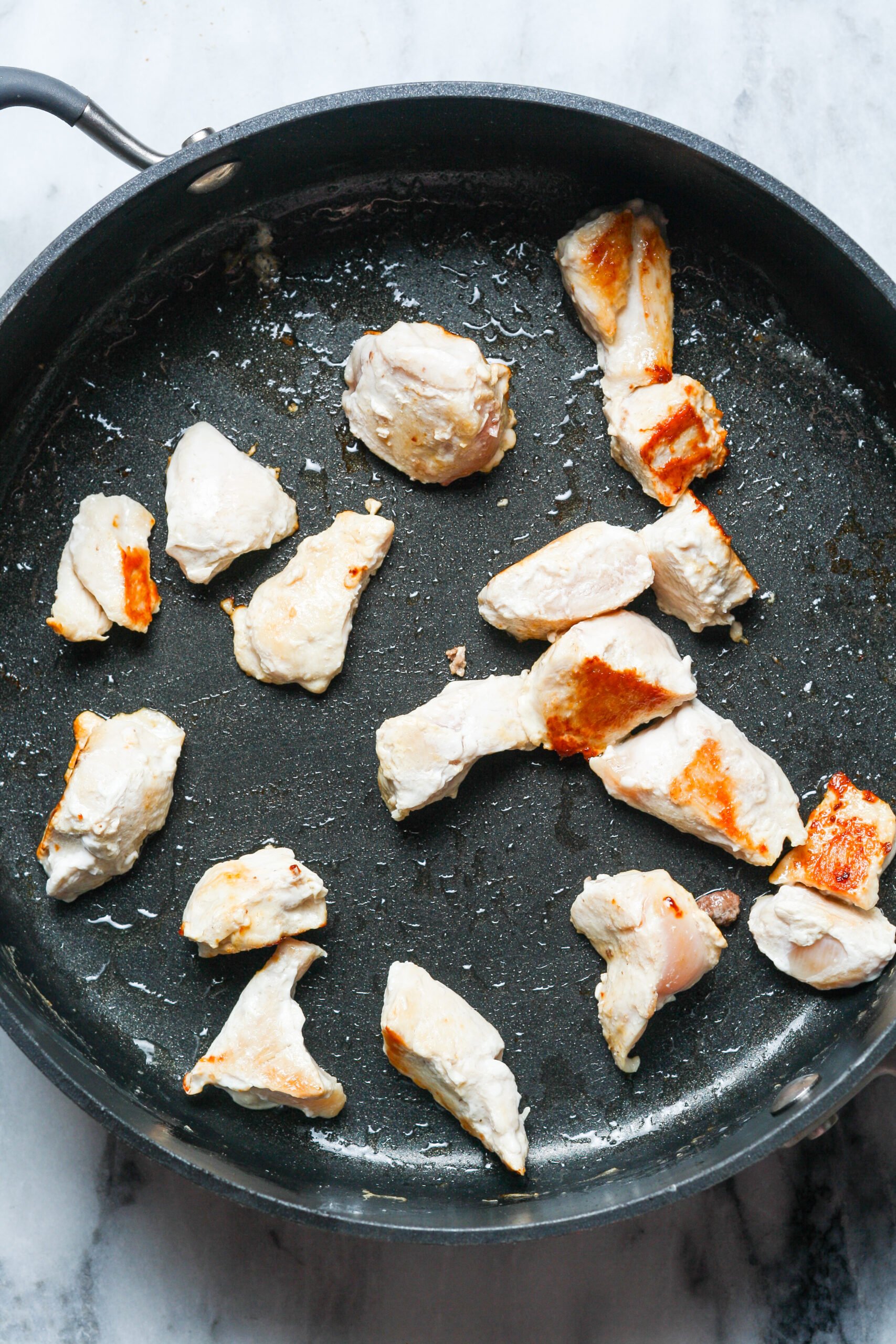
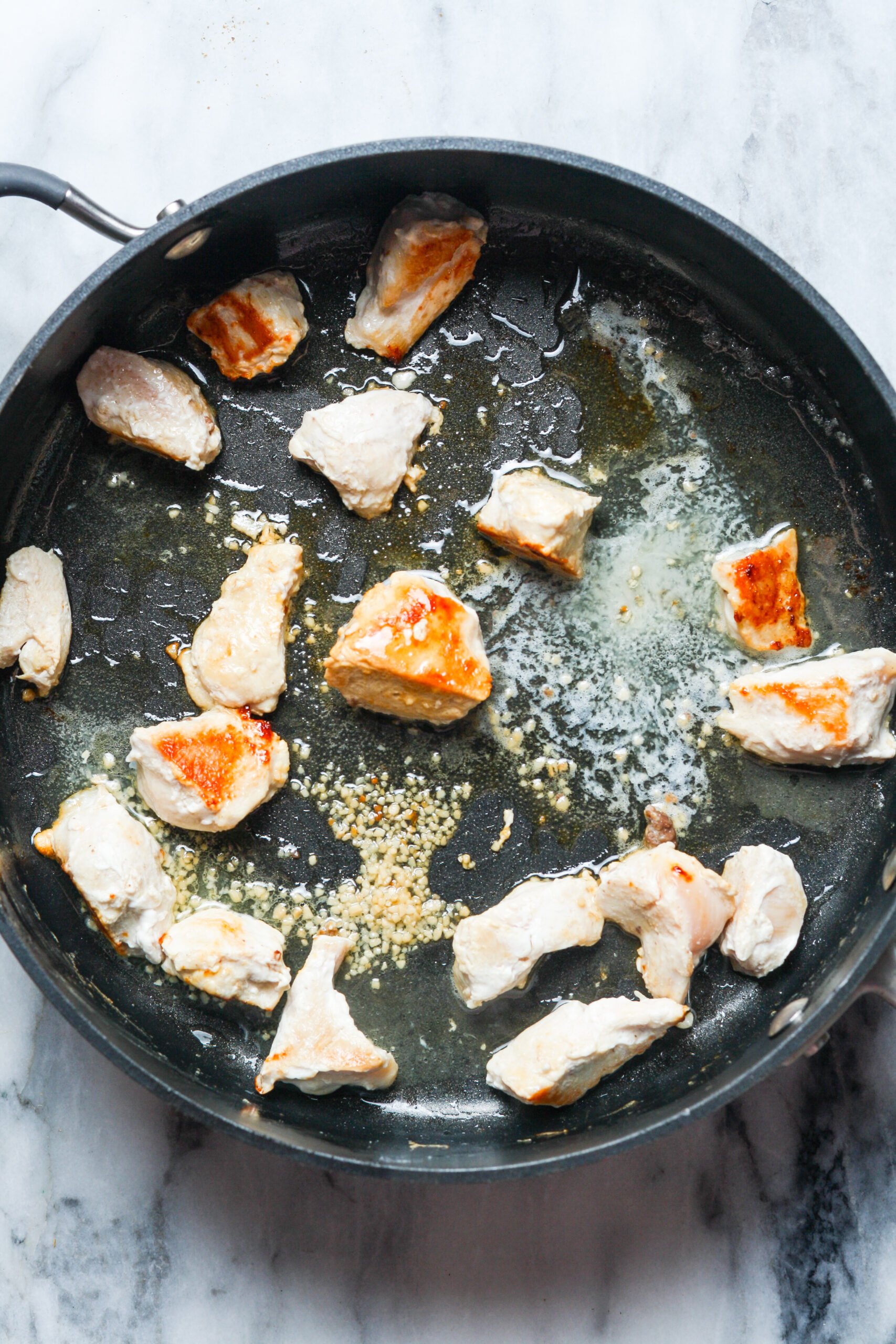
The efficacy of the Chicken Taco Pasta lies in the strategic interaction of its ingredients. The process begins with the browning of protein, usually boneless, skinless chicken breast or thighs, which provides the Maillard reaction necessary for depth of flavor.
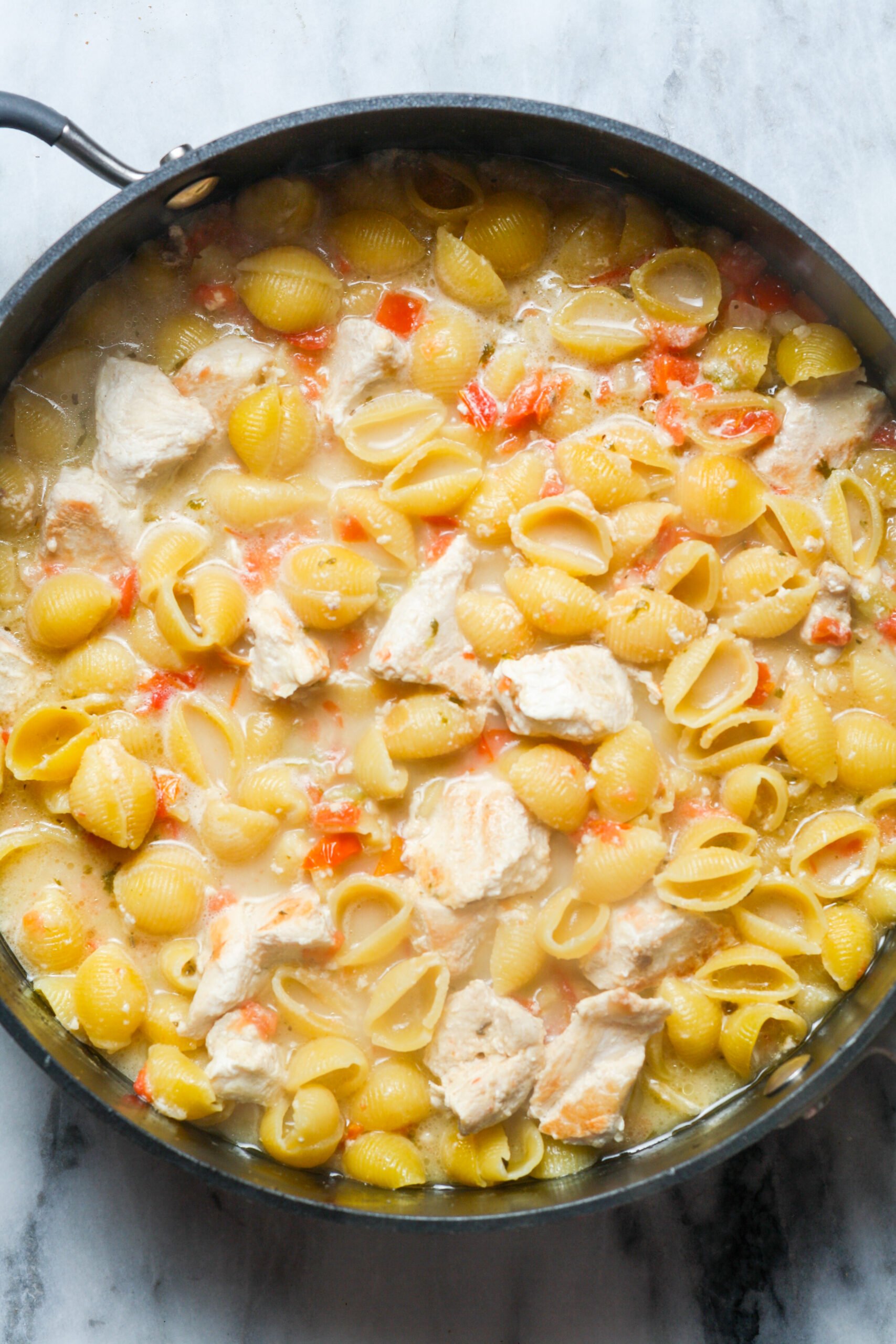
The substitution of traditional heavy cream with a combination of whole milk and chicken broth represents a calculated nutritional choice. By controlling the liquid ratio, the cook can ensure that the pasta shells achieve an al dente texture while the sauce reaches an ideal viscosity. The inclusion of shredded cheese—specifically varieties like Monterey Jack or sharp cheddar—acts as an emulsifier. The proteins and fats in the cheese stabilize the liquid base, preventing the sauce from breaking and ensuring a silky, cohesive mouthfeel.
Economic and Practical Implications
The popularity of this meal format has significant implications for the grocery retail sector and family budgeting. A single-skillet meal reduces the requirement for specialized equipment, making it accessible to demographics with limited kitchen space or resources. Furthermore, the ability to utilize bulk-purchased ingredients—such as large bags of pasta and multi-packs of chicken—aligns with consumer trends toward mitigating the impact of food inflation.
From an environmental standpoint, the one-pan approach also contributes to water conservation. By eliminating the secondary pot of boiling water, households can save several gallons of water per cooking session. While these savings are incremental on a per-meal basis, the aggregate impact across millions of households represents a meaningful shift in domestic resource management.
Culinary Perspectives and Professional Reception
Professional chefs have largely responded to the "one-pan" trend with a blend of professional curiosity and pragmatic approval. While purists may argue that cooking pasta in a sauce limits the texture to a softer consistency compared to traditional boiling, the consensus among food science professionals is that the technique is a valid evolution of home-cooking methodology.
"The goal is accessibility," says an industry consultant specializing in food media. "When a recipe can maintain high flavor standards while reducing the barrier to entry—which is the mess and the cleanup—it is destined to become a staple. The Chicken Taco Pasta is successful because it addresses the emotional need for comfort food while respecting the functional reality of a busy work-life balance."
Nutritional Considerations
In the broader context of dietary health, this dish can be highly versatile. The base recipe is easily modified to increase fiber and micronutrient intake. The addition of black beans, corn, or bell peppers effectively increases the fiber content, which is a major point of focus for health-conscious consumers. The shift away from pre-packaged, high-sodium taco seasoning toward homemade blends—typically consisting of chili powder, cumin, smoked paprika, and sea salt—allows for greater control over sodium intake, a critical factor in managing cardiovascular health.
Future Outlook of Domestic Cooking Trends
The success of the Chicken Taco Pasta suggests that the future of home cooking will continue to lean toward "fusion-convenience." As consumer technology, such as smart induction cooktops and high-efficiency nonstick surfaces, continues to evolve, the "one-pan" method will likely become even more sophisticated.
Furthermore, the integration of digital meal planning tools means that recipes like this are now being automatically scaled and adjusted based on the size of the household, further reducing food waste. The ability to easily substitute proteins—such as switching from chicken to ground turkey or plant-based alternatives—ensures the dish remains relevant to a diverse range of dietary preferences and restrictions.
Conclusion
The Chicken Taco Pasta is a quintessential example of how traditional culinary boundaries are being redefined by the requirements of modern life. By successfully bridging the gap between the complex, vibrant flavors of international cuisine and the logistical needs of a fast-paced society, the recipe has earned its place as a contemporary household staple. Its continued popularity underscores a broader trend: the desire for meals that are not only efficient to prepare but also provide a high degree of satisfaction, versatility, and nutritional value. As households continue to refine their approach to the nightly dinner routine, the principles that make this dish a success—simplicity, flavor, and adaptability—will remain the gold standard for home cooking in the years to come.