Cultivating Character: The Imperative of Sportsmanship and Resilience in Youth Athletics

In an increasingly competitive landscape, youth sports are far more than mere contests of physical prowess; they represent a foundational arena for the development of character, emotional intelligence, and resilience. While the thrill of victory and the pursuit of athletic achievement are undeniable draws, a growing consensus among educators, psychologists, and sports organizations underscores that the true win in youth athletics lies in fostering sportsmanship, accountability, and respect. These invaluable traits, meticulously cultivated through intentional parenting and coaching, extend well beyond the playing field, shaping well-adjusted individuals prepared to navigate life’s broader challenges.
The Evolving Landscape of Youth Sports: A Call for Character
The contemporary youth sports environment is marked by heightened specialization, intense pressure, and significant financial investment from families. Participation rates are robust, with millions of children engaging in organized sports annually across various disciplines. However, alongside this widespread engagement, concerns about athlete burnout, injury rates, and a decline in enjoyment are also prevalent. Studies by organizations like the Aspen Institute’s Project Play have consistently highlighted that a significant percentage of children drop out of organized sports by early adolescence, often citing a lack of fun, excessive pressure, or a negative environment. This backdrop makes the emphasis on sportsmanship and holistic development not merely a noble ideal but an urgent necessity.
For decades, the focus in many youth sports programs leaned heavily on winning, often inadvertently overshadowing the educational and developmental aspects. However, a cultural shift is underway, driven by research demonstrating the profound impact of a positive sports environment on a child’s psychological and social well-being. This shift advocates for a paradigm where sports are seen as a vehicle for teaching life lessons, where the process of growth, effort, and respectful competition takes precedence over the final score. Parents, as primary caregivers and influential figures, are now increasingly recognized as critical partners in this endeavor, holding the power to shape a child’s athletic journey and character trajectory.
Defining Sportsmanship: More Than Just a Handshake
True sportsmanship in youth athletics transcends superficial gestures like a post-game handshake. It encompasses a complex set of behaviors and attitudes that reflect an athlete’s integrity and respect for the game and all its participants. At its core, sportsmanship involves:
- Emotional Regulation: The ability to manage one’s feelings—disappointment, frustration, excitement—in high-pressure situations, avoiding outbursts or disrespectful actions.
- Accountability: Taking responsibility for one’s actions and performance, without blaming teammates, coaches, officials, or external circumstances.
- Respect: Demonstrating deference to teammates, opponents, coaches, referees, and the rules of the game, irrespective of the outcome.
- Empathy: Understanding and sharing the feelings of others, whether it’s recognizing an opponent’s good play or supporting a struggling teammate.
- Humility in Victory and Grace in Defeat: Celebrating success modestly and accepting losses with dignity, learning from mistakes rather than dwelling on blame.
These attributes are not innate but are learned and reinforced through consistent guidance. Research in developmental psychology indicates that children who consistently practice these forms of sportsmanship exhibit higher self-esteem, better conflict resolution skills, and a more positive outlook on challenges, translating directly into academic and social success.
The Parental Playbook: Ten Strategies for Cultivating Character
Parents are arguably the most influential "coaches" in a young athlete’s life. Their actions, reactions, and priorities fundamentally shape how a child experiences and learns from sports. Here are ten critical strategies, refined and expanded from expert recommendations, for parents aiming to foster a respectful and resilient athlete:
1. Shift the Focus from Winning to Growing:
While winning is inherently enjoyable, overemphasizing it can inadvertently foster anxiety and a fear of failure. Instead, parents should celebrate effort, perseverance, learning from mistakes, and teamwork. Phrases such as, "I noticed how you kept hustling even when the team was behind," or "You stayed calm under pressure today," redirect a child’s focus towards controllable aspects of their performance and character development. Data from sports psychology consistently shows that a growth mindset—believing abilities can be developed through dedication and hard work—leads to greater persistence and long-term enjoyment in sports, as opposed to a fixed mindset that prioritizes inherent talent or immediate results.
2. Make Teamwork a Family Value:
The principles of teamwork learned on the field have direct parallels in family life and broader society. Parents can model this by actively encouraging children to cheer for teammates, assist others during practice, and acknowledge the strengths of every player, not just their own child. Extending this gratitude to coaches, referees, and volunteers through respectful engagement further reinforces the value of collective effort and community. By instilling the belief that the team’s success is as important as individual achievement, parents teach cooperation and shared responsibility, crucial elements of both athletic and social success.
3. Practice Sportsmanship at Home:
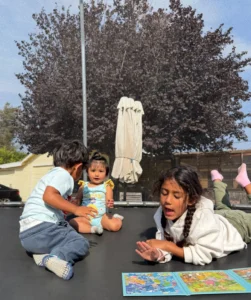
Character development is a continuous process that extends beyond the sports arena. Everyday interactions, particularly during family games or friendly competitions, offer invaluable training grounds for sportsmanship. Board games, card games, or even video games can simulate winning and losing scenarios, providing opportunities to practice losing graciously and winning humbly. Parents can guide children through the emotions associated with losing, helping them articulate disappointment without resorting to blaming. This consistent practice at home builds emotional intelligence and resilience, enabling children to regulate their emotions effectively when faced with real-game pressure.
4. Teach Kids to Self-Advocate:
Empowering children to articulate their concerns respectfully is a vital life skill. When a child is upset about playing time, a coach’s decision, or a perceived injustice, the parental instinct might be to intervene. However, a more beneficial approach is to guide them in self-advocacy. Role-playing conversations or helping them draft what they want to communicate fosters independent problem-solving and strengthens communication skills. This process builds confidence and creates a resilient athlete capable of navigating conflict constructively, rather than relying on others to resolve their issues.

5. Avoid the Blame Game:
Mistakes, bad calls, and tough losses are inherent to sports. When a child blames external factors—the referee, the weather, a teammate—parents have a critical opportunity to redirect focus. Instead of validating blame, gently shift the conversation towards what the child could control: their effort, attitude, and sportsmanship. Asking, "What do you think you could do differently next time?" cultivates accountability, a cornerstone of character development. This simple question encourages introspection and a proactive approach to improvement, fostering a sense of personal agency.
6. Be Their Emotional Anchor After the Game:
A parent’s post-game reaction can significantly influence a child’s emotional processing. Regardless of the score, maintaining a calm, positive, and supportive demeanor is paramount. Resist the urge to critique performance immediately. Instead, offer simple affirmations like, "I loved watching you play today," or "You gave it your all out there." If the child initiates a discussion about mistakes or frustrations, listen with empathy, validate their feelings, and ask open-ended questions. This creates a safe space for honest reflection, allowing the young athlete to process both successes and setbacks without fear of judgment.
7. Save Coaching for the Coaches:
Parental instructions shouted from the sidelines, however well-intentioned, often distract children, undermine the coach’s authority, and add unnecessary pressure. A key tenet of positive youth sports parenting is to model respectful sideline behavior. This means cheering enthusiastically for all players, not critiquing, and trusting the designated coach to provide technical instruction. Observing parents who maintain composure and respect for officials and opponents sets a powerful example for children, teaching them the importance of adhering to roles and demonstrating respect within a structured environment.
8. Show Emotional Regulation in Action:
Children are keen observers, and parental reactions to difficult situations in sports are closely watched. If a parent loses composure after a contentious call or a tough loss, it presents a unique teaching opportunity. Taking responsibility by saying, "I got frustrated, and I didn’t handle that well. Here’s what I should have done," demonstrates emotional maturity and vulnerability. This transparency is a powerful lesson in self-awareness and the process of recovering from emotional missteps, authentically modeling the resilient mindset parents wish to cultivate in their children.
9. Look for Teachable Moments in Media:
Sports movies, documentaries, and televised games offer rich content for discussions about character, strategy, and sportsmanship without the immediate pressure of personal involvement. Parents can pause the action and ask questions like, "What do you think that player did well?" or "How do you think their teammate felt in that moment?" These low-stakes conversations provide a natural platform to explore values such as empathy, accountability, and the complexities of human interaction within a competitive context, fostering critical thinking and moral reasoning.
10. Make Fun the Priority When Parenting Young Athletes:
The primary reason children engage in sports is for enjoyment. When the pressure to perform or win overshadows the inherent fun, children often lose interest and disengage. Parents should vigilantly monitor their child’s enthusiasm. Is practice still exciting? Do they smile while playing? A decline in joy can be a clear indicator that the experience has become overly stressful. Emphasizing fun as the core motivation not only sustains engagement but also forms the foundation for long-term participation and success, reinforcing the positive associations with physical activity and teamwork. Studies show that "fun" is consistently ranked as the top reason children play sports, and its absence is a leading cause of attrition.
Bonus Tip: Know When to Step Back
Even the most supportive parents can sometimes overstep. If a child consistently expresses frustration, anxiety, or a desire to quit, these signals should be taken seriously. Resilience in youth sports is not synonymous with never quitting; rather, it involves the self-awareness to recognize when an activity no longer serves one’s well-being and the confidence to pivot. Facilitating a discussion to reassess goals and explore alternative interests, rather than forcing continued participation, teaches invaluable lessons about self-care, decision-making, and adapting to change. This empowers children to make choices aligned with their genuine interests and well-being.
Broader Implications and Stakeholder Engagement
The emphasis on sportsmanship and resilience has far-reaching implications, extending beyond individual athletes to the broader community. Youth sports organizations, such as the Positive Coaching Alliance (PCA), have emerged as significant advocates for this philosophy, providing resources and training for coaches, parents, and athletes. PCA’s "Double-Goal Coach" philosophy, for example, emphasizes striving to win while simultaneously teaching life lessons, directly aligning with the principles discussed.
Coaches, as front-line mentors, frequently express the challenges of managing parental expectations, but also the immense rewards of witnessing character development. They often emphasize that a supportive and sportsmanlike parental presence makes their job significantly more effective, allowing them to focus on instruction and positive reinforcement rather than conflict resolution.
Ultimately, the skills cultivated through a positive youth sports experience—emotional regulation, accountability, teamwork, and resilience—are highly transferable. They prepare young people for academic challenges, future careers, and healthy personal relationships. These are the attributes that contribute to the formation of responsible, empathetic citizens who can navigate complex social environments and contribute positively to society. The investment in fostering sportsmanship in youth sports is thus an investment in the future well-being of individuals and communities alike.
Final Thoughts
Raising a respectful and resilient athlete demands patience, consistent modeling, and a steadfast commitment to a long-term vision that values character above competitive outcomes. The scoreboard, with its fleeting triumphs and immediate disappointments, will eventually fade from memory. However, the foundational values and life skills—empathy, perseverance, integrity, and grace—that children internalize through a positive sports experience are indelible. These are the true legacies of youth sports, enduring far beyond any trophy or championship, shaping not just great players, but great humans ready to face the complexities of life with confidence and integrity.