The ongoing debate surrounding the use of "bad language" in children’s development and its management by parents and educators remains a complex and multifaceted issue. While definitions of "bad language" vary significantly across cultures, generations, and individual households, the core challenge for caregivers lies in establishing coherent and effective policies that foster responsible communication without stifling expression. This article delves into the sociological, psychological, and developmental aspects of language acquisition, particularly concerning profanity and slang, and explores various approaches to navigating this linguistic minefield.
Understanding the Nuances of "Bad Language"
The term "bad language" itself is inherently subjective. It typically encompasses profanity, vulgarisms, derogatory terms (including those rooted in ableism, racism, sexism, or homophobia), and sometimes even slang or informal expressions deemed inappropriate for certain contexts. Historically, the classification of "bad words" often stemmed from religious proscriptions, social class distinctions, or cultural taboos. For instance, many common English expletives have origins in religious blasphemy, while others are rooted in terms related to bodily functions or sexual acts, deemed uncouth or disrespectful.
In contemporary society, the understanding of "bad language" has broadened. While traditional profanity continues to be a point of contention, increasing awareness of social justice issues has brought terms like "dumb," "crazy," or "lame" under scrutiny due to their ableist connotations. Similarly, words that were once common, like certain racial or ethnic slurs, are now widely recognized as deeply offensive and harmful. This evolving landscape means that parental and educational policies must be dynamic, adapting not only to a child’s developmental stage but also to societal shifts in linguistic sensitivity.
Developmental Stages and Language Acquisition
Children’s understanding and use of "bad language" evolve significantly with age, mirroring their broader cognitive and social development.
Early Childhood (Ages 0-5)
In their earliest years, toddlers and preschoolers often mimic sounds and words without fully grasping their meaning or social impact. A child might repeat a curse word heard from an adult or on television, not out of malice, but out of curiosity or a desire to imitate. Research in child linguistics suggests that at this stage, the primary driver is often experimentation with language boundaries and a nascent understanding that certain words elicit strong reactions. A study published in the Journal of Child Language indicated that children as young as three can begin to differentiate between "acceptable" and "unacceptable" words based on adult reactions, even if the underlying semantic content is still unclear to them. Parental responses during this phase are critical in establishing initial boundaries.
School Age (Ages 6-12)
As children enter school, their understanding of language becomes more sophisticated. They learn about social rules, context, and the power of words. Peer influence becomes a significant factor, with children often experimenting with slang and profanity as a means of social bonding, asserting independence, or challenging authority. They begin to understand that certain words are taboo and can be used to provoke, express strong emotions, or signify group membership. This is often the period where parental policies are most actively tested. The challenge for parents is to explain why certain words are deemed inappropriate, moving beyond simple prohibition to address the social, emotional, and ethical implications of language use.
Adolescence (Ages 13-18)
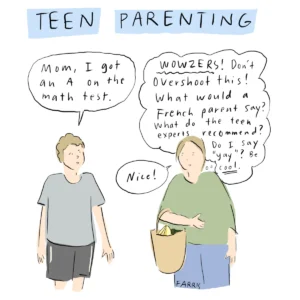
During adolescence, language use becomes a powerful tool for identity formation and social differentiation. Teenagers may use profanity to express rebellion, solidify peer relationships, or cope with stress. They are often acutely aware of the nuances of language, distinguishing between casual swearing among friends and formal communication. Policies during this stage often shift from strict prohibition to guidance on appropriate contexts and the potential consequences of language choices in broader social and professional settings. Educational institutions frequently have clear codes of conduct regarding language, reflecting the need for respect and inclusivity in diverse environments.
Parental and Educational Approaches: A Spectrum of Policies
Parental policies on "bad language" typically fall along a spectrum, ranging from strict prohibition to more permissive, context-dependent guidance.
The Prohibitive Approach
Some parents adopt a strict no-tolerance policy, banning all forms of profanity and certain slang words from the home. This approach often stems from personal upbringing, religious beliefs, or a desire to maintain a perceived standard of decorum. Advocates of this method believe it instills discipline, teaches respect for language, and prevents children from developing habits that could be socially detrimental later in life. However, critics suggest that an overly strict approach can lead to children using forbidden words covertly, feeling misunderstood, or struggling to express strong emotions appropriately.
The Contextual Approach
A more common modern approach involves teaching children about the context and impact of language. This policy often distinguishes between truly harmful words (like slurs or ableist terms) which are strictly forbidden, and other forms of profanity or slang, whose use might be restricted based on location (e.g., not at school, not in front of grandparents) or audience. This method emphasizes critical thinking, emotional intelligence, and social awareness. For instance, parents might explain that while a word like "damn" might be used in a movie, it is not appropriate for everyday conversation due to its potential to offend or appear disrespectful. The challenge here is the complexity of explaining nuanced rules to younger children.
The "Harmful vs. Harmless" Distinction
Many parents and educators prioritize the distinction between words that are genuinely hateful or harmful and those that are merely considered vulgar or informal. This approach often involves a firm stance against slurs, derogatory terms, and language that promotes discrimination, while allowing for more leniency regarding common profanity used for emphasis or frustration. The rationale is that the intent and impact of language are more important than the words themselves. Child development experts often support this, stressing that teaching empathy and respect for others is paramount. For example, the statement in the original article about "nothing hateful or harmful, which includes words rooted in ableism, like ‘dumb’ or ‘crazy’," aligns with this progressive approach.
The "Age-Appropriate" Guideline
Another widely adopted strategy is to introduce different rules for different age groups. Younger children might face stricter prohibitions, while older children and teenagers are given more autonomy, coupled with discussions about responsible language use. This acknowledges the evolving cognitive abilities of children and prepares them for the diverse linguistic environments they will encounter as adults. The idea of telling a six-year-old that some words are "for Alexander Hamilton’s age" (implying adulthood) is a lighthearted example of this principle.
Broader Implications and Societal Impact
The policies adopted by families and schools regarding "bad language" have broader implications for children’s development and societal norms.
Emotional and Social Development
How children learn to navigate "bad language" can impact their emotional and social development. Restricting all forms of expressive language, even mild slang, might hinder a child’s ability to communicate strong emotions or connect with peers. Conversely, an absence of any boundaries could lead to children struggling with social cues, offending others unintentionally, or facing negative consequences in formal settings. Striking a balance allows children to understand the power of words – both to connect and to alienate.
Linguistic Evolution and Cultural Norms
Language is dynamic, and societal views on what constitutes "bad language" are constantly evolving. Words once considered taboo might become more mainstream, and vice versa. Media, particularly digital platforms and popular culture, plays a significant role in this evolution, exposing children to a wide array of linguistic styles. This dynamic context necessitates that parental policies remain flexible and open to adaptation, fostering a dialogue with children about the changing nature of language and its social function.
The Role of Education
Schools often serve as a microcosm of society, and their policies on language reflect broader educational goals of fostering respectful and inclusive environments. While schools typically ban profanity and offensive language, they also play a crucial role in educating children about the impact of their words, promoting critical thinking about media content, and teaching effective communication strategies that do not rely on derogatory or vulgar terms. Many educational programs now include modules on digital citizenship and respectful online communication, which inherently address the responsible use of language.
Expert Consensus and Practical Strategies
While no single "one-size-fits-all" policy exists, child development specialists, linguists, and educators offer several widely accepted guidelines for parents:
- Prioritize Harmful Language: Unanimous agreement exists that derogatory, discriminatory, or hateful language should be strictly forbidden and explained as such. Focus on the impact these words have on others.
- Explain the "Why": Instead of simply saying "no," explain the reasons behind language rules. Discuss social appropriateness, respect for others’ feelings, and potential consequences.
- Be Consistent: Children thrive on consistency. Whatever policy is adopted, apply it uniformly. Inconsistent rules can lead to confusion and testing of boundaries.
- Model Appropriate Language: Children learn primarily by observing adults. Parents and caregivers who model respectful and thoughtful language use provide the most effective lessons.
- Acknowledge Emotional Expression: Understand that profanity can sometimes be an outlet for strong emotions. Teach children alternative, constructive ways to express anger, frustration, or excitement.
- Context Matters: Discuss with children that different settings (home, school, playground, public) and different audiences require different language choices.
- Address Media Influence: Engage with children about the language they encounter in movies, music, video games, and online content. Discuss the difference between fictional narratives and real-life communication.
- Be Prepared for Testing: Children will inevitably test boundaries. Approach these moments with calm, clear reinforcement of established rules.
The journey of establishing a policy on "bad language" is often a dynamic and evolving process for parents. From the initial childhood misconception of "Vulgaria" to the complex realities of modern communication, the challenge lies in guiding children to become articulate, respectful, and socially aware communicators. As children transition into first grade and beyond, encountering diverse social environments and linguistic influences, the need for a well-considered and adaptable strategy becomes increasingly pressing. Ultimately, the goal is not merely to suppress certain words, but to cultivate a deeper understanding of language’s power and responsibility.
Related posts: