The definitive guide to ethical and sustainable knitwear brands in the UK for conscious consumers

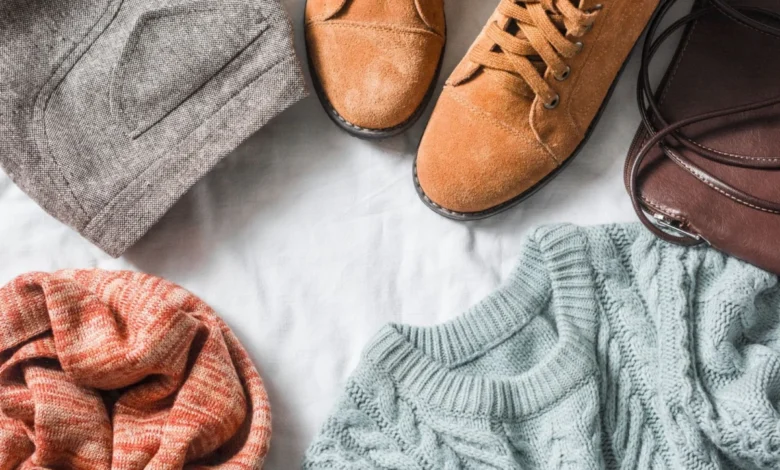
As winter approaches, the demand for knitwear surges, yet the environmental and ethical costs of the fashion industry remain a critical point of concern for modern consumers. While wool is traditionally viewed as a renewable, natural resource, the contemporary garment industry often obscures the environmental degradation and animal welfare issues inherent in mass-market production. From the widespread use of plastic-based synthetic blends to controversial animal husbandry practices, the path to a sustainable wardrobe requires a nuanced understanding of supply chains, fiber composition, and circularity.

The current landscape of knitwear is dominated by "fast fashion" retailers that prioritize low manufacturing costs over ecological integrity. This has led to the proliferation of wool-synthetic blends, primarily utilizing acrylic and polyester. While these materials are marketed as solutions to "bobbling" or shape retention, they are fundamentally derived from fossil fuels. Furthermore, these synthetic fibers are significant contributors to microplastic pollution; a single wash of a synthetic garment can release thousands of microfibers into the water system, eventually reaching the oceans.
Beyond the synthetic issue, the wool industry itself faces significant scrutiny. Animal welfare remains a primary concern, specifically regarding the practice of mulesing. This procedure, performed on merino sheep to prevent flystrike, involves the removal of strips of skin from the lamb’s hindquarters, often without the use of anesthesia. Despite international outcry and bans in countries like New Zealand, other major wool-producing nations, including Australia, continue to allow the practice, making transparency in the supply chain a vital requirement for ethical shoppers.

The Evolution of Sustainable Wool Production
The shift toward sustainable knitwear is not merely a trend but a necessary response to the ecological crisis driven by the fashion sector. Historically, the textile industry relied on natural, locally sourced materials. However, the mid-20th century saw a dramatic pivot toward synthetic polymers due to their cost-effectiveness and mass-production capabilities.
In recent years, a counter-movement has emerged. The focus has shifted back to the "Responsible Wool Standard" (RWS), an international certification that ensures sheep are treated humanely and that the land they graze upon is managed with sustainable practices. Brands that prioritize RWS-certified wool are at the forefront of this shift, ensuring that the entire lifecycle of the garment—from the farm to the final retail shelf—is documented and audited.

Market Leaders in Ethical Knitwear
Several UK-based companies have distinguished themselves by rejecting the fast-fashion model in favor of long-term sustainability, transparency, and ethical labor practices.
BAM (Bamboo Clothing)
While initially recognized for its bamboo-based apparel, BAM has successfully integrated high-quality, RWS-certified wool into its collections. The company utilizes the Circular Textiles Foundation certification, which guarantees that garments are designed for recyclability. Their "73 Zero" take-back scheme exemplifies the industry shift toward a circular economy, where the brand takes responsibility for the item even after it has reached the end of its useful life. By 2030, BAM aims to achieve a zero-waste, carbon-neutral production model, setting a high standard for corporate environmental accountability.

ERIBÉ Knitwear
Operating out of Scotland, ERIBÉ has maintained a commitment to traditional manufacturing since its founding in 1986. By utilizing only natural fibers, including non-mulesed merino lambswool, the brand avoids the synthetic traps of contemporary fashion. Their production model emphasizes small-batch manufacturing and made-to-order services, which significantly reduces excess inventory and textile waste. Their transition to biodegradable packaging further underscores a holistic approach to environmental stewardship.
Herd
Herd represents a localized solution to the globalized textile trade. The company is actively working to revive the British wool industry, which has seen a sharp decline in demand over the past two decades. By sourcing 100% Bluefaced Leicester fleece from the Northern Uplands of England—specifically Yorkshire, Lancashire, and Cumbria—Herd ensures a minimal carbon footprint. Their "sheep-to-garment" journey spans a mere 230 miles, a stark contrast to the thousands of miles involved in traditional international supply chains. Furthermore, their use of plant-based dyes ensures that the toxic runoff common in commercial garment dyeing is entirely eliminated.

Komodo
Established in 1988, Komodo has remained a pioneer in the ethical fashion space. The company maintains a strict "no synthetic" policy, focusing exclusively on organic cotton and premium wool. As a member of the "1% for the Planet" initiative, Komodo demonstrates that financial success can be coupled with environmental advocacy, specifically through their contributions to the Sumatran Orangutan Society, which focuses on the restoration of rainforests degraded by the palm oil industry.
The Role of the Circular Economy
The second-hand market has become a cornerstone of sustainable fashion, offering a way to extend the lifespan of existing garments and keep textiles out of landfills.

Oxfam Online
Oxfam has revolutionized the charity shop model by moving its inventory online. This digital shift provides consumers with a sophisticated, searchable interface for high-quality, preloved knitwear. By purchasing from Oxfam, consumers not only prevent the manufacture of new, resource-intensive items but also contribute directly to global poverty alleviation efforts. The convenience of this platform—paired with comprehensive photography and a professional returns policy—has made it a viable alternative to high-street shopping.
The Nearly New Cashmere Co.
This enterprise specifically addresses the waste associated with high-end luxury textiles. By rescuing discarded, damaged, or unwanted cashmere garments, the company restores them to a "like-new" state. Their repair services ensure that even the most delicate wools remain in circulation for decades, proving that the most sustainable item is the one that has already been produced.

Rokit
Rokit combines the aesthetic appeal of vintage fashion with the necessity of sustainability. Their "Rokit Originals" line involves the manual deconstruction and reconstruction of vintage pieces, creating modern silhouettes from historical garments. This approach not only preserves the craftsmanship of the past but also ensures that textile waste is minimized at scale.
Future Implications and Policy Considerations
The broader implication of this movement is a fundamental restructuring of the consumer-retailer relationship. As regulations around greenwashing tighten—particularly with the EU’s Strategy for Sustainable and Circular Textiles and similar initiatives being discussed in the UK—brands will be increasingly forced to substantiate their sustainability claims.

Data from the Textile Exchange suggests that the adoption of preferred fibers, including responsibly sourced wool and recycled alternatives, is growing, yet it remains a small fraction of total global production. The challenge for the next decade will be scaling these ethical practices to meet the needs of a global population without sacrificing the welfare of the animals or the health of the planet.
For the individual consumer, the message is clear: the most sustainable purchase is one that is informed by an understanding of the supply chain. By prioritizing natural fibers, seeking out independent certifications, and supporting circular businesses, consumers can significantly reduce their personal environmental footprint. As the fashion industry continues to face pressure to reform, the brands that prioritize transparency and ecological health are likely to emerge as the long-term leaders of the global textile market.
Related posts: