The Science and Practice of Therapeutic Detox Baths in Modern Wellness Routines

The utilization of therapeutic baths, commonly referred to as detox baths, has emerged as a significant trend within the global wellness industry, offering a multi-faceted approach to skin health, stress reduction, and physiological support. As modern lifestyles increasingly expose individuals to environmental pollutants and high-stress environments, proponents of holistic health advocate for the integration of specialized bathing rituals to assist the body’s innate filtration systems. While the human body possesses a sophisticated detoxification network involving the liver, kidneys, and lymphatic system, external support through balneotherapy—the treatment of disease by bathing—seeks to optimize these natural processes through the use of minerals, clays, and botanical agents.
The Evolution of Therapeutic Bathing: A Historical Chronology
The practice of using water for healing is not a modern invention but a refinement of ancient traditions spanning millennia. To understand the current popularity of detox baths, one must examine the chronological development of hydrotherapy.
In ancient civilizations, such as those in Greece, Rome, and Egypt, public and private baths were central to social and medical life. Hippocrates, often cited as the father of modern medicine, prescribed saline baths to treat various ailments, recognizing the therapeutic potential of mineral-rich waters. By the 17th century, the discovery of magnesium sulfate in Epsom, England, revolutionized the practice. Epsom salts became a staple of British wellness, valued for their ability to soothe muscle aches and improve skin conditions.
The 19th and early 20th centuries saw the rise of European spa towns, where individuals sought "cures" through mineral immersion. In the modern era, this tradition has transitioned from clinical spa settings to the home environment. The contemporary "detox bath" incorporates a wider array of ingredients, reflecting a synthesis of traditional herbalism, dermatology, and biochemistry.
Scientific Foundations of Bathing Ingredients
The efficacy of detox baths is grounded in the properties of the substances added to the water. Each ingredient serves a specific physiological purpose, ranging from osmotic pressure changes to pH regulation.
Magnesium Sulfate (Epsom Salt)
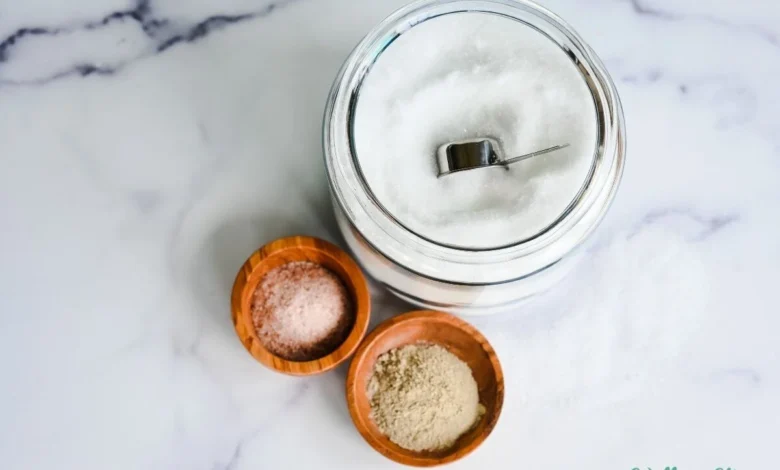
Epsom salt remains the foundational component of most detox bath recipes. Composed of magnesium and sulfate, these minerals are believed to be absorbed transdermally, although scientific debate continues regarding the extent of this absorption. Magnesium is a critical cofactor in over 300 enzymatic reactions, including those responsible for energy production and muscle function. High-stress levels are known to deplete magnesium stores; therefore, immersion in a magnesium-rich solution is theorized to replenish these levels, promoting relaxation and reducing systemic inflammation.
Bentonite Clay
Bentonite clay, formed from volcanic ash, is characterized by its high cation exchange capacity. When hydrated, it develops a strong negative electrical charge, which allows it to attract and bind to positively charged toxins, such as heavy metals and pesticides. In a bath setting, bentonite clay acts as a molecular sponge, potentially drawing impurities from the skin’s surface and pores.
Sodium Bicarbonate (Baking Soda)
Baking soda is utilized primarily for its alkalizing properties and its ability to neutralize chlorine in municipal water supplies. By softening the water and balancing the skin’s pH, sodium bicarbonate can alleviate irritation and promote a smoother cutaneous texture.
Acetic Acid (Apple Cider Vinegar)
Apple cider vinegar (ACV) is valued for its antimicrobial properties and its ability to restore the skin’s acid mantle. The skin’s surface is naturally acidic, a state that protects against pathogenic bacteria. Factors such as harsh soaps and environmental pollutants can disrupt this balance. An ACV bath provides a corrective environment for conditions like eczema, dandruff, and general skin dryness.
Detailed Methodologies for Home Detoxification
To achieve the desired therapeutic effects, specific protocols are recommended based on the individual’s health goals. Medical professionals, including Dr. Madiha Saeed, a board-certified family physician, emphasize that while these baths are generally safe, they should be approached as a structured health practice.
The Standard Mineral Immersion
The most common protocol involves dissolving two cups of Epsom salt in warm water. This bath is primarily used for magnesium replenishment and general relaxation. Experts suggest a minimum soak time of 20 minutes to allow for optimal osmotic exchange.
The Heavy Metal Chelation Bath
This method utilizes bentonite clay. Practitioners recommend two techniques: either mixing the clay into a paste and applying it to the body before immersion or dissolving the clay directly into the water. Because clay can settle and harden, the use of a drain filter is a critical technical requirement to prevent plumbing obstructions. This bath is specifically targeted toward individuals concerned with environmental heavy metal exposure.
The Oxygen and Thermogenic Bath
Incorporating ginger and hydrogen peroxide, this protocol is designed to stimulate circulation and support the immune system. Gingerol, the active component in ginger, has thermogenic properties that increase body temperature and promote sweating—a primary route for the excretion of water-soluble toxins. Hydrogen peroxide serves as an oxygenating agent, which some proponents suggest can assist the body during periods of viral or bacterial illness.
The Ancient Mustard Bath
Drawing from Ayurvedic and traditional European remedies, the mustard bath utilizes organic mustard powder to stimulate blood flow to the skin’s surface. This "rubefacient" effect is used to alleviate congestion and muscle soreness. When combined with essential oils like eucalyptus or rosemary, it creates an aromatic experience that supports respiratory health.
Data on Toxin Exposure and the Skin’s Role
The rationale for detox baths is supported by data regarding the skin’s function as an excretory organ. Research indicates that the skin can excrete a variety of substances, including heavy metals like arsenic, cadmium, lead, and mercury, through sweat. A study published in the Journal of Environmental and Public Health highlighted that certain toxins are more concentrated in sweat than in blood or urine, suggesting that induced perspiration—such as that achieved in a warm detox bath—is an effective supplementary route for detoxification.
Furthermore, the prevalence of "endocrine disruptors" in modern environments has increased the demand for accessible detoxification methods. Phthalates, parabens, and bisphenol A (BPA) are frequently found in household products. While the liver processes the majority of these compounds, supporting the skin’s barrier function and its ability to shed dead cells through mineral baths can reduce the overall toxic burden on the body.
Safety Protocols and Official Medical Recommendations
Despite the benefits, medical experts urge caution for certain demographics. The following safety guidelines are standard in professional wellness circles:
- Hydration: The process of sweating and osmotic exchange can lead to dehydration. It is recommended to consume significant amounts of filtered water before and after the bath.
- Temperature Regulation: Baths should be warm but not scalding. Excessive heat can cause dizziness or a dangerous spike in heart rate, particularly in individuals with cardiovascular conditions.
- Pregnancy and Nursing: Pregnant women are advised to consult with their obstetricians before engaging in detox baths, as certain essential oils and high temperatures can be contraindicated.
- Post-Bath Care: The body often enters a state of deep relaxation or fatigue following a detox bath. Integrating the practice into a bedtime routine is advised to facilitate the body’s repair phase during sleep.
Economic and Psychological Implications of the Bathing Ritual
The rise of the "home spa" has significant economic implications. The global bath and shower product market is projected to continue its growth, driven by a consumer shift toward "self-care" as a necessity rather than a luxury. This trend reflects a broader societal movement toward proactive health management.
Psychologically, the act of a detox bath serves as a "digital detox." The requirement to remain in the water for 20 to 40 minutes encourages a period of mindfulness and sensory deprivation from electronic stimuli. Clinical psychologists note that such rituals can significantly lower cortisol levels, the body’s primary stress hormone, thereby improving long-term mental health outcomes.
Analysis of Future Trends in Balneotherapy
As research into the human microbiome and transdermal absorption advances, the formulation of detox baths is likely to become more specialized. We may see the integration of probiotics into bath salts to support the skin’s bacterial ecosystem or the use of targeted peptide complexes for anti-aging.
In conclusion, while the term "detox" is often debated in clinical circles, the physiological benefits of mineral immersion, pH balancing, and thermogenic stimulation are well-documented. By combining ancient wisdom with modern dermatological understanding, detox baths provide an accessible, inexpensive, and effective tool for maintaining health in an increasingly complex environmental landscape. Whether used for muscle recovery, skin soothing, or mental clarity, the practice represents a vital intersection of tradition and science in the pursuit of holistic well-being.
Related posts: