Pressure Cooker Chicken Soup with a Whole Chicken: A Guide to Comfort and Convenience

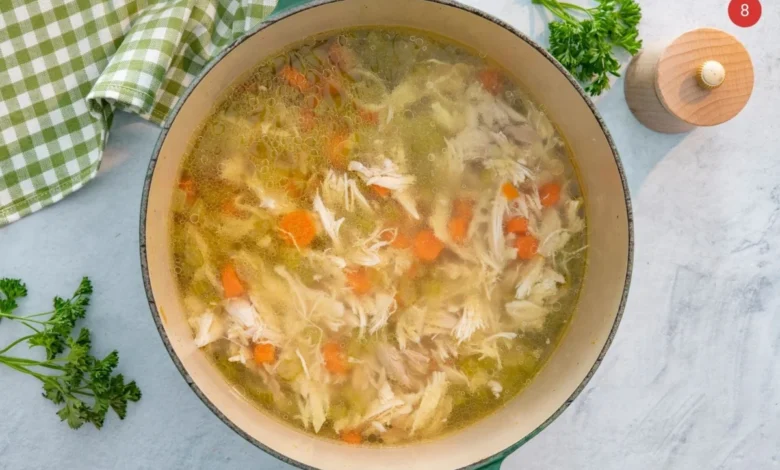
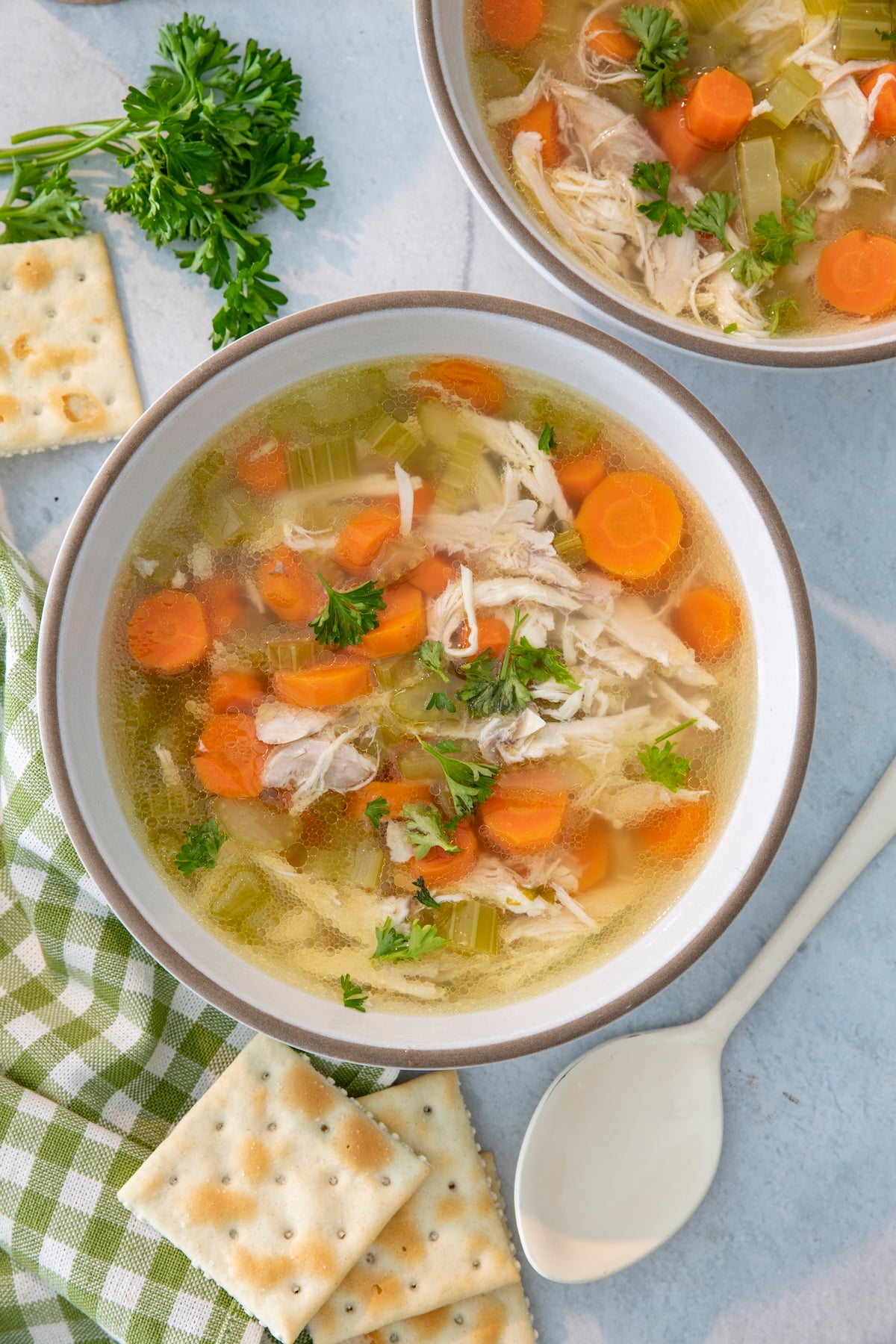
This pressure cooker chicken soup recipe offers a comforting and nourishing meal, achievable in a fraction of the traditional time. Utilizing a whole chicken and simple vegetables, it yields a rich, homemade broth that is ideal for chilly evenings, recovery from illness, or simply as a comforting staple. The recipe is compatible with both Instant Pot and other electric pressure cooker models, highlighting its versatility and ease of use.
The Enduring Appeal of Homemade Chicken Soup
Homemade chicken soup has long been a cornerstone of comfort food, often associated with feelings of warmth, care, and well-being. Its therapeutic qualities are widely recognized, making it a go-to meal when individuals are feeling unwell or simply seeking solace in a bowl. This particular recipe taps into that tradition by leveraging the efficiency of a pressure cooker to deliver exceptional flavor and texture.
A Culinary Innovation: Pressure Cooking a Whole Chicken
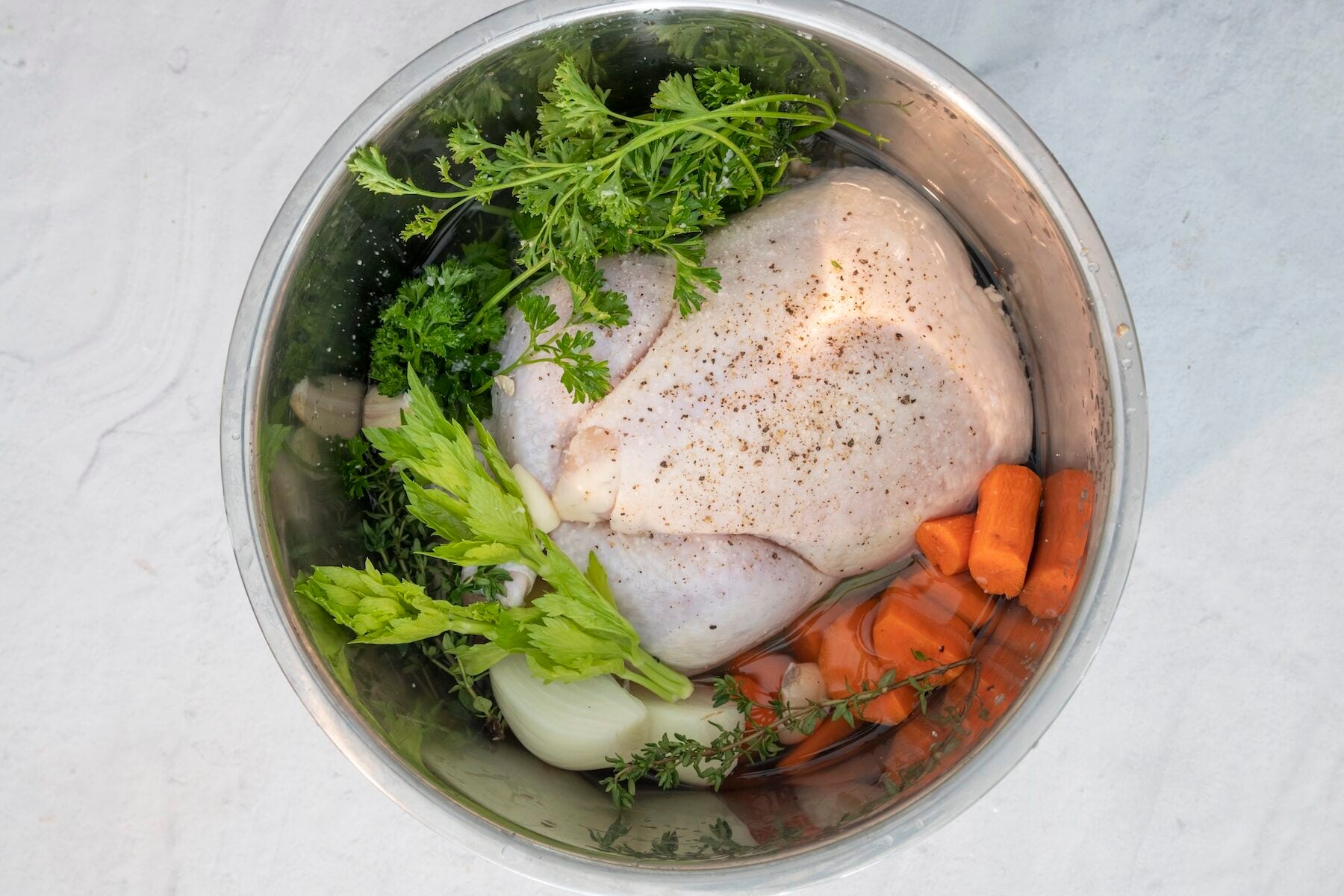
The core innovation of this recipe lies in its use of an entire chicken within the pressure cooker. This method significantly enhances the broth’s quality by allowing the bones to release collagen and natural flavors during the cooking process. This results in a deeply savory and nourishing liquid, often described as the foundation of truly exceptional homemade soup. The pressure cooker accelerates this extraction process, transforming what would typically be a lengthy stovetop simmer into a significantly shorter cooking cycle.
Furthermore, the recipe introduces a remarkable convenience: the ability to cook a chicken directly from a frozen state. This capability is a significant advantage for busy households, eliminating the need for advance thawing and streamlining the preparation process. This adaptability makes the recipe a practical solution for impromptu meals or when time is of the essence.
Batch Cooking for Future Needs
The generous yield of this pressure cooker chicken soup makes it an ideal candidate for batch cooking. Prepared in larger quantities, the soup can be stored in the refrigerator for immediate consumption or frozen for later use. This foresight ensures that a comforting and nutritious meal is readily available, reducing the stress of meal planning during demanding periods. The ability to freeze the soup without noodles or rice, which can be added upon reheating, further enhances its long-term storage viability and preserves texture.
Nutritional Considerations and Broader Health Implications
Chicken soup, particularly when made with a whole chicken, offers a range of nutritional benefits. The collagen released from the bones can contribute to joint health and gut integrity, aligning with growing consumer interest in functional foods. The vegetables incorporated into the soup provide essential vitamins, minerals, and fiber. In contexts of illness, the warm broth can aid hydration and soothe sore throats, while the overall nutritional profile supports the body’s recovery processes. The inclusion of fresh herbs adds not only flavor but also potential antioxidant properties.
The Efficiency of Pressure Cooking Technology
The rise of electric pressure cookers, such as the Instant Pot, has revolutionized home cooking by significantly reducing preparation times for traditionally slow-cooked dishes. These appliances operate by increasing the internal pressure within the cooking vessel, which raises the boiling point of water. This higher temperature allows food to cook more rapidly while retaining moisture and flavor. For a whole chicken, this translates to tender, fall-off-the-bone meat and a deeply flavored broth in a matter of minutes rather than hours.
Addressing Common Culinary Inquiries
A frequent question surrounding this recipe pertains to the feasibility of cooking a frozen whole chicken in a pressure cooker. The answer is a resounding yes. The process involves placing the frozen chicken directly into the pressure cooker with other ingredients, with a recommended adjustment to the cooking time. An increase from the standard 45 minutes to approximately 60 minutes on high pressure is suggested to ensure the chicken is thoroughly cooked and tender.
The total time commitment for this soup is also a point of interest. While the actual pressure cooking time is around 45 minutes (or 60 minutes for a frozen chicken), this is complemented by the time required for the pressure to build and release, as well as a brief simmering period for the vegetables. The overall process, however, remains considerably faster than conventional stovetop methods.
Ingredient Spotlight: The Building Blocks of Flavor
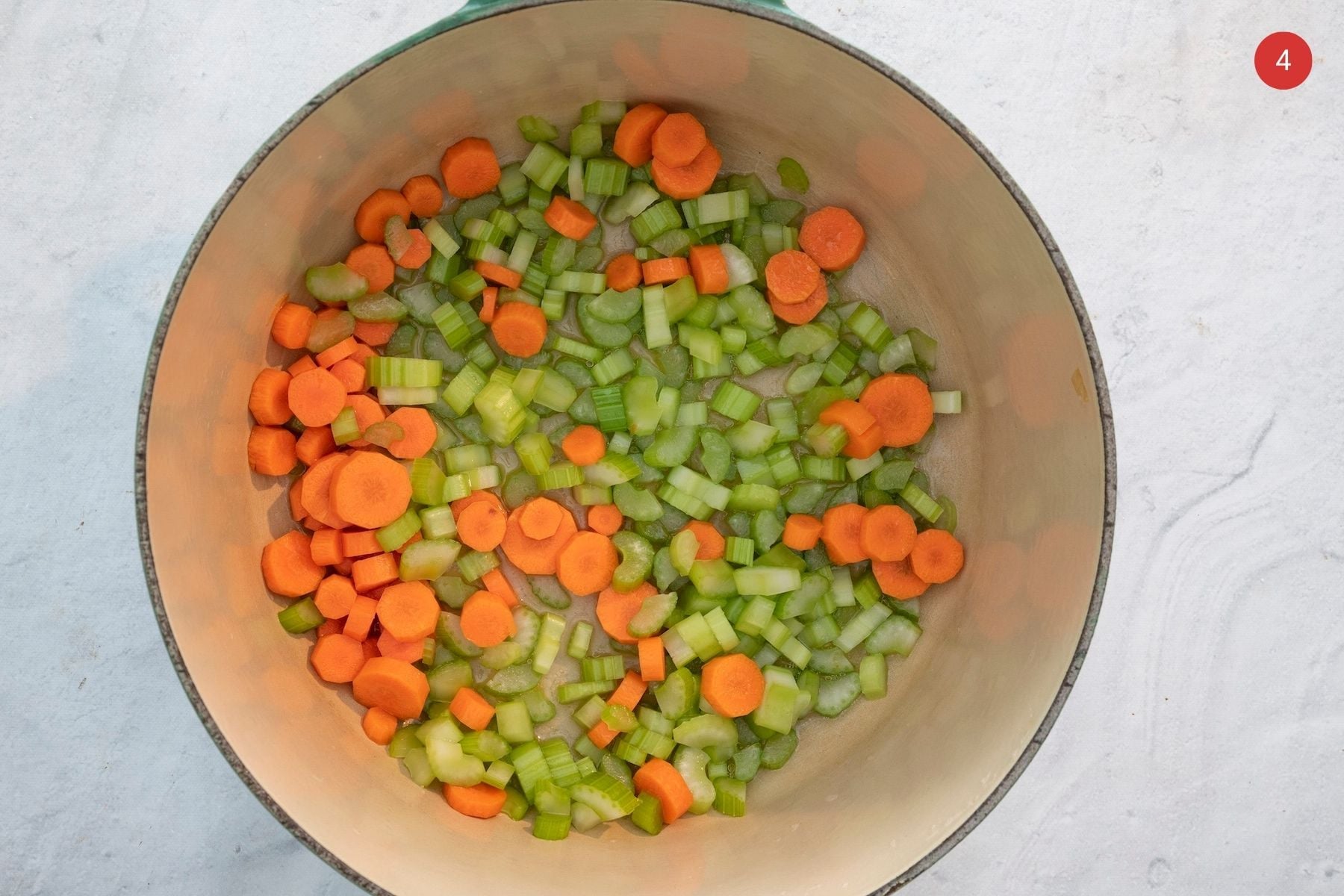
The foundation of this exceptional chicken soup is built upon a carefully selected set of ingredients, designed to maximize flavor and nutritional value. The star of the show is, of course, a whole chicken, chosen for its ability to render a rich, collagen-infused broth. Complementing the chicken are classic mirepoix vegetables: carrots, celery, and onions. These aromatic vegetables provide a sweet and savory base, contributing depth and complexity to the soup. Fresh herbs, such as thyme and bay leaves, are integral to achieving that authentic homemade taste, infusing the broth with their distinct aromas and flavors. Garlic cloves add a pungent warmth, further enhancing the savory profile. Water serves as the cooking liquid, and salt and freshly ground black pepper are used to season the soup to perfection.
A Two-Stage Culinary Process
The preparation of this pressure cooker chicken soup is thoughtfully divided into two distinct stages, ensuring optimal texture and flavor in the final dish. The initial phase involves cooking the whole chicken with aromatic vegetables and herbs under pressure. This step is crucial for extracting the maximum flavor from the chicken and bones, creating a robust and deeply satisfying broth.
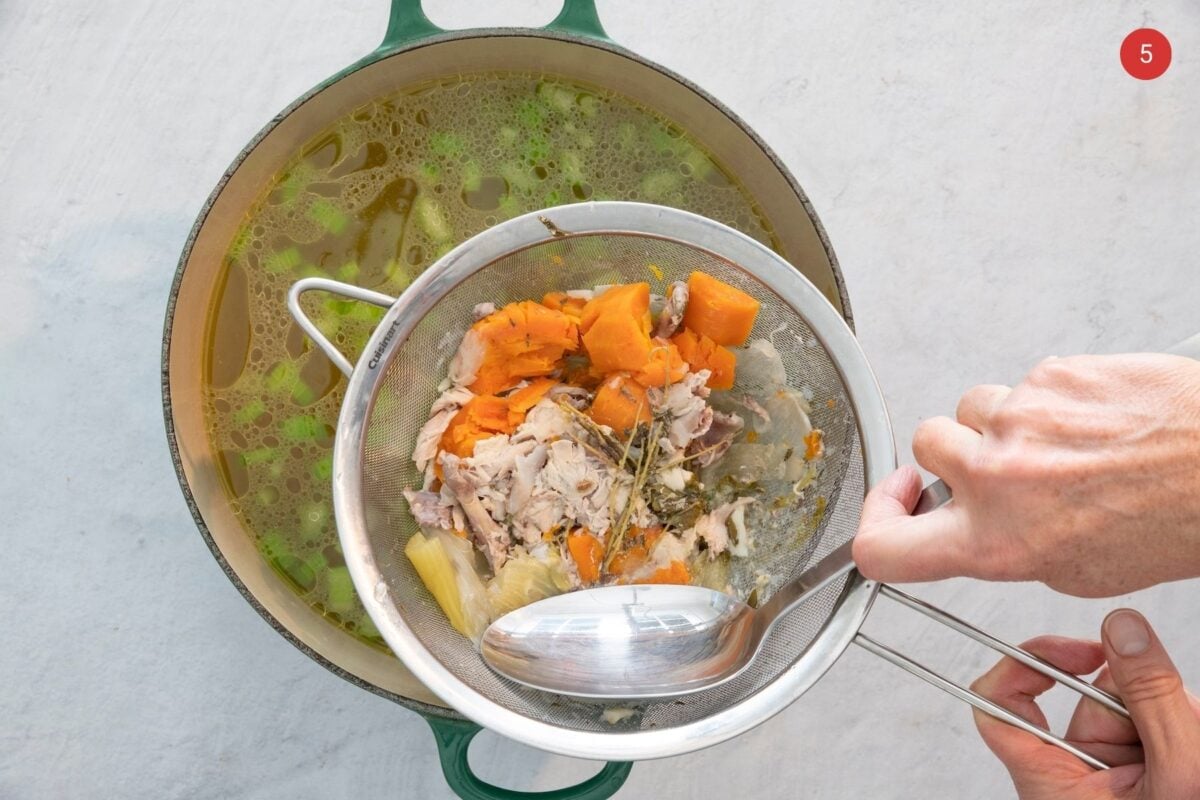
Following the pressure cooking cycle, the broth is strained, and the chicken is removed to be shredded. The second stage involves returning the broth to the pressure cooker or a pot and simmering it with freshly added vegetables and the shredded chicken. This ensures that the vegetables retain a pleasant al dente texture and that the chicken is integrated into the soup without becoming overcooked. This meticulous approach guarantees a soup that is both rich in flavor and appealing in texture.
Tips for Culinary Excellence
To elevate the pressure cooker chicken soup experience, several key tips can be employed. Utilizing a whole chicken is paramount for achieving the most flavorful and nourishing broth, thanks to the collagen released from its bones and connective tissues. For those opting for chicken pieces instead of a whole bird, approximately three-quarters of a pound of bone-in chicken parts, such as thighs or drumsticks, can be substituted.
The recipe’s compatibility with any electric pressure cooker, including Instant Pots, underscores its user-friendly design. For those seeking an extra layer of brightness and acidity, a teaspoon or two of fresh lemon juice can be stirred in just before serving. This simple addition can cut through the richness of the broth and enhance the overall flavor profile.
Customization: Tailoring the Soup to Individual Palates
The beauty of this pressure cooker chicken soup lies in its inherent adaptability. It serves as an excellent canvas for a variety of additions and modifications, allowing individuals to tailor it to their specific preferences and dietary needs.
- Noodle Variations: For a classic chicken noodle soup experience, cooked noodles can be added just before serving. Options range from traditional egg noodles to gluten-free alternatives.
- Grain Inclusion: Rice, quinoa, or other grains can be incorporated to add substance and heartiness. It is often recommended to cook these separately and add them upon reheating to maintain optimal texture.
- Vegetable Additions: Beyond the core mirepoix, a wide array of vegetables can be introduced. Peas, corn, green beans, spinach, kale, or diced potatoes can all contribute to the soup’s nutritional content and visual appeal.
- Herbaceous Enhancements: Fresh dill, parsley, or chives can be added at the end of cooking for a burst of fresh flavor and color.
- Spicy Undertones: For those who enjoy a bit of heat, a pinch of red pepper flakes or a dash of hot sauce can be incorporated.
- Creamy Texture: A swirl of heavy cream or a dollop of sour cream can transform the soup into a richer, creamier rendition.
- Baby and Toddler Adaptation: For younger diners, the chicken can be finely shredded, and added salt can be omitted. Vegetables can be mashed into the broth to create a smoother consistency.
Storage and Preservation: Ensuring Long-Term Enjoyment
The practicality of this recipe extends to its storage capabilities.
- Refrigeration: Leftover chicken soup can be stored in an airtight container in the refrigerator for up to four days. It is advisable to let the soup cool completely before refrigerating to prevent condensation from affecting its quality.
- Freezing: For longer-term storage, the soup can be frozen for up to four months. It is crucial to fill freezer-safe containers about three-quarters full to accommodate the expansion of the liquid during freezing. As previously noted, it is best to omit noodles or rice before freezing and add them when reheating to maintain their texture.
Frequently Asked Questions
- Can you cook a whole chicken in a pressure cooker? Yes, cooking a whole chicken in a pressure cooker is an effective method for creating a rich, flavorful broth. The bones release collagen and essential nutrients, contributing to a more nourishing soup.
- How long does chicken soup take in a pressure cooker? The active pressure cooking time for this recipe is approximately 45 minutes, with an additional 60 minutes if using a frozen chicken. This is followed by natural pressure release and a brief simmering period, making the total preparation time significantly shorter than traditional methods.
- Can you freeze homemade chicken soup? Absolutely. Homemade chicken soup freezes exceptionally well for up to four months, making it an excellent candidate for meal prep.
- Should noodles be cooked in the soup? For the best texture, it is recommended to cook noodles separately and add them to individual bowls just before serving. This prevents them from becoming mushy during storage.
Conclusion: A Recipe for Sustenance and Satisfaction
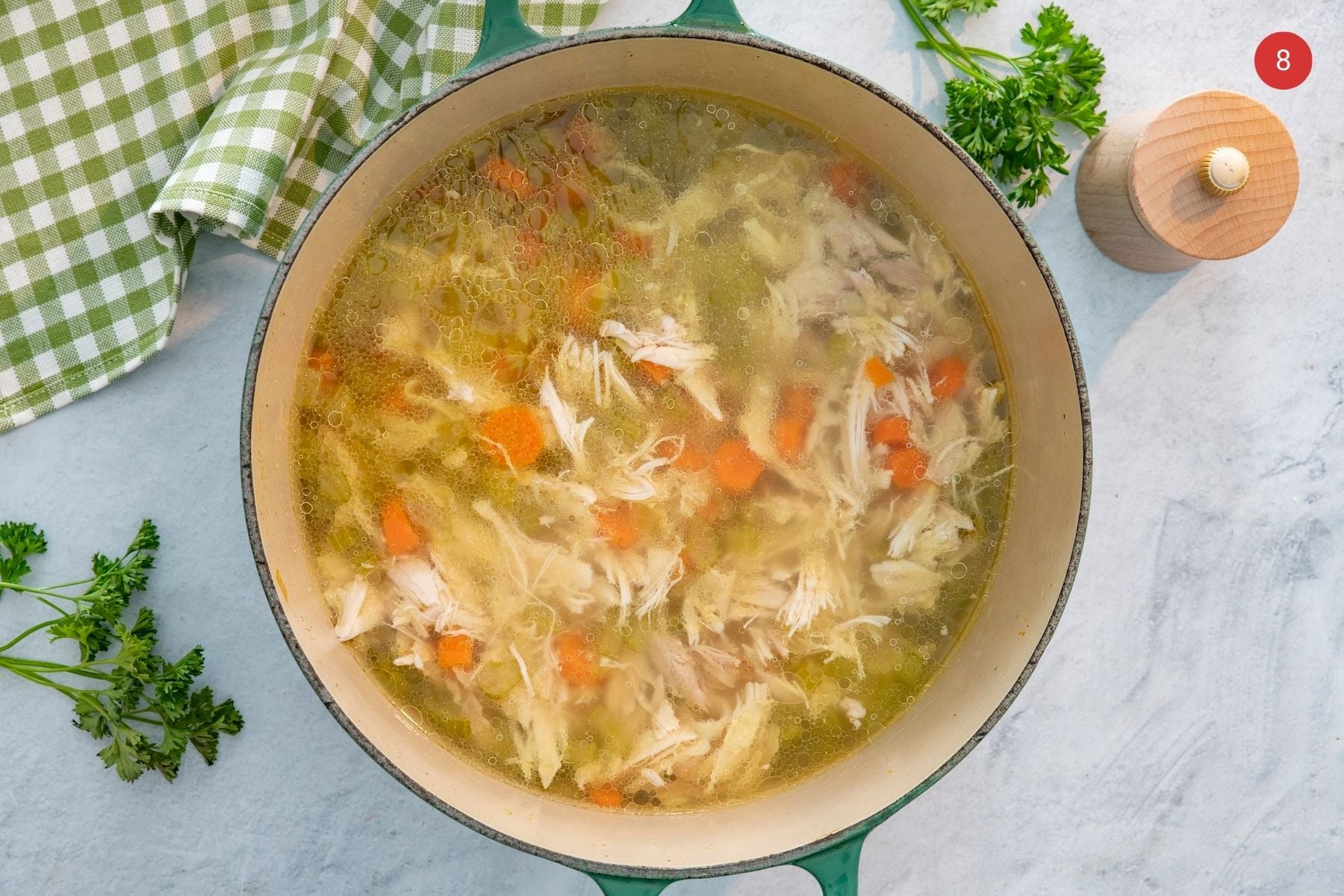
This pressure cooker chicken soup with a whole chicken is poised to become a cherished recipe in any home kitchen. Its ability to deliver a deeply comforting, nourishing, and flavorful meal with remarkable efficiency makes it an indispensable asset for busy individuals and families. Whether seeking a remedy for a cold, a warm meal on a winter’s night, or simply a wholesome dish to share, this recipe offers a reliable and satisfying solution. Its adaptability and straightforward preparation ensure that the time-honored tradition of homemade chicken soup is more accessible than ever before.