The 60 Day Baby Meal Plan A Dietitian’s Guide to Stress-Free Starting Solids


The transition to solid foods is a pivotal developmental milestone in an infant’s life, representing the bridge between exclusive milk feeding and the adoption of a diverse, lifelong dietary pattern. For many parents, this period—typically occurring around the six-month mark—is characterized by significant anxiety regarding nutritional adequacy, choking hazards, and the complex landscape of allergen introduction. To address these concerns, pediatric nutrition experts have developed structured, evidence-based frameworks to guide families through this critical transition. Among these is the 60-day structured meal plan, a strategy designed to demystify infant feeding by focusing on developmental readiness, palate training, and systematic nutrient intake.

The Biological Context of the Flavor Window
Current research in pediatric nutrition emphasizes the existence of a "Flavor Window," a transient biological phase occurring roughly between six and nine months of age. During this period, infants exhibit a heightened physiological openness to accepting new and complex flavor profiles, including bitter, earthy, or savory tastes that might be rejected later in development.
The rationale behind a 60-day structured approach is to capitalize on this neurodevelopmental sensitivity. By consistently exposing infants to a wide variety of ingredients during this specific window, parents can effectively shape future preferences. Clinical data suggests that it can take up to 15 exposures for a child to accept a new flavor; therefore, a structured plan ensures that variety is not an occasional occurrence but a foundational element of the daily routine. This methodology serves as a deliberate intervention against the development of "picky eating" habits, which often stem from a limited initial diet dominated by sweet fruits or "beige" processed foods.
Navigating the Developmental Roadmap
The first 60 days of solid food introduction are categorized into two distinct, yet complementary, phases. The first 30 days are primarily exploratory. At this stage, the infant is developing essential motor skills, such as grasping food, bringing items to the mouth, tongue-lateralization, and learning to manage different textures. Pediatricians stress that at this point, caloric intake from solids is secondary to the developmental process of learning how to eat.
The second 30 days mark a transition toward higher consumption and nutritional density. As the infant becomes more adept at managing textures, the meal plan expands to include a broader array of ingredients. This two-month window is critical for hitting nutritional benchmarks, specifically regarding iron, which becomes a limiting nutrient as prenatal iron stores begin to deplete around the six-month mark.
Nutritional Priorities and Iron-Rich Foundations
The 2024 American Academy of Pediatrics (AAP) guidelines, alongside the 2026 allergen introduction protocols, highlight the necessity of prioritizing nutrient-dense foods from the onset of solids. Iron is paramount for cognitive development and oxygen transport. While breast milk and infant formula remain the primary sources of nutrition for infants under one year, solids function as a necessary "nutritional top-up."
To optimize iron absorption, dietitians recommend a dual approach: providing high-bioavailability animal proteins, such as lean meats, fish, and eggs, while pairing plant-based iron sources (such as lentils, beans, and tofu) with Vitamin C-rich foods. For example, the acidity of tomato sauce or a small amount of citrus can significantly increase the absorption rate of non-heme iron found in legumes. This strategic pairing is a cornerstone of professional dietary planning for infants.
Addressing Allergen Introduction Protocols
One of the most significant shifts in pediatric nutrition over the last decade is the move away from the delayed introduction of high-allergen foods. The 2026 guidelines from the USDA and the Australasian Society of Clinical Immunology and Allergy (ASCIA) strongly advocate for the early and frequent introduction of common allergens—including peanut, tree nuts, egg, dairy, soy, wheat, fish, shellfish, mustard, and sesame.
Systematic introduction is essential. By integrating these allergens into a 60-day plan, parents can identify potential reactions more easily while adhering to current clinical advice that early exposure may help prevent the development of severe food allergies. It is important for parents to distinguish between a true allergic reaction (such as hives, swelling, or vomiting) and common, non-allergic skin sensitivities, such as contact rashes from acidic foods like tomatoes or citrus.
The Role of Oral Motor Development and Texture
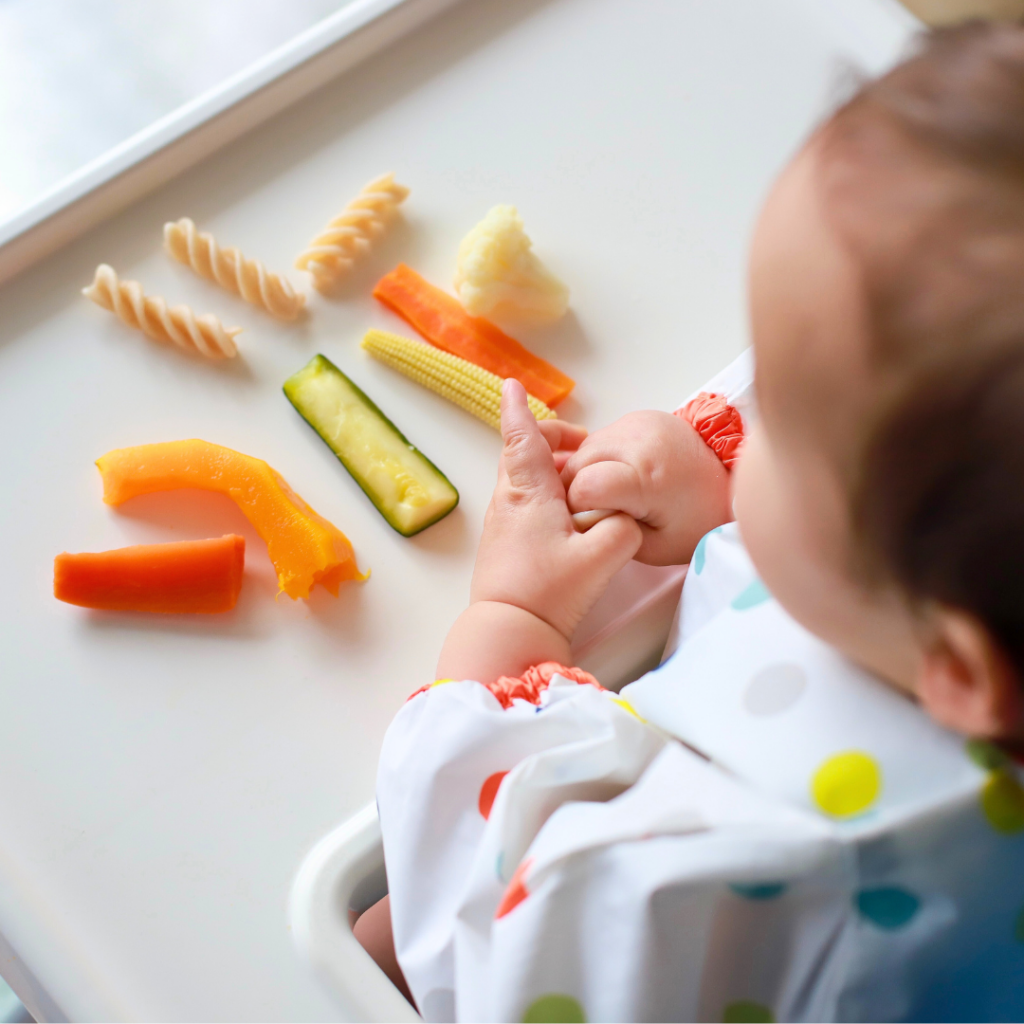
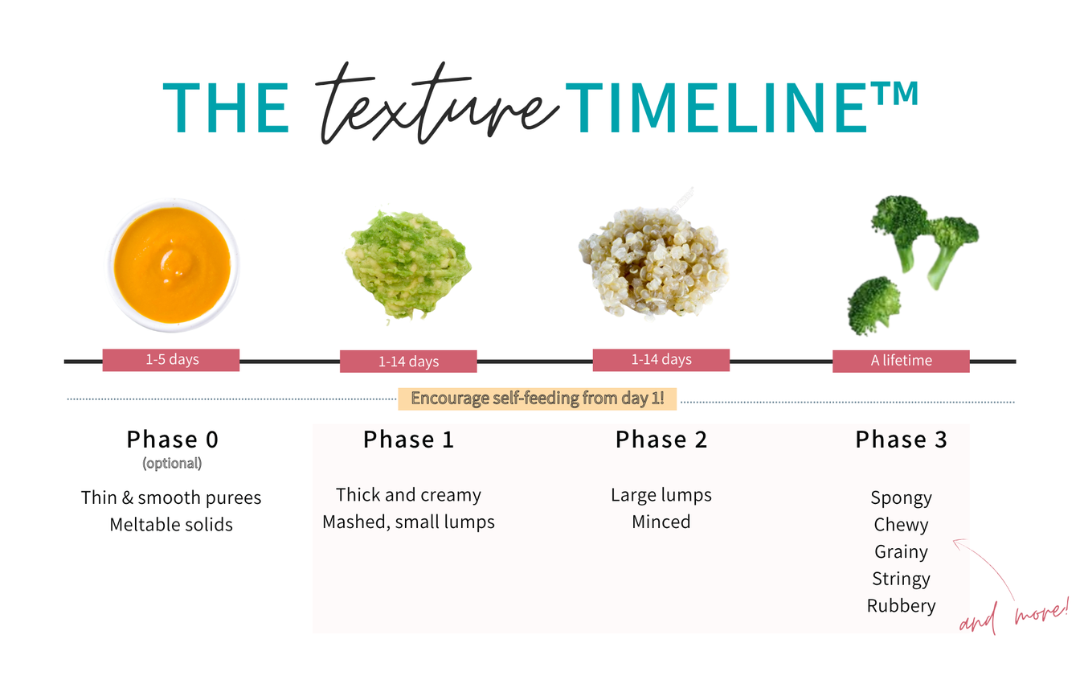
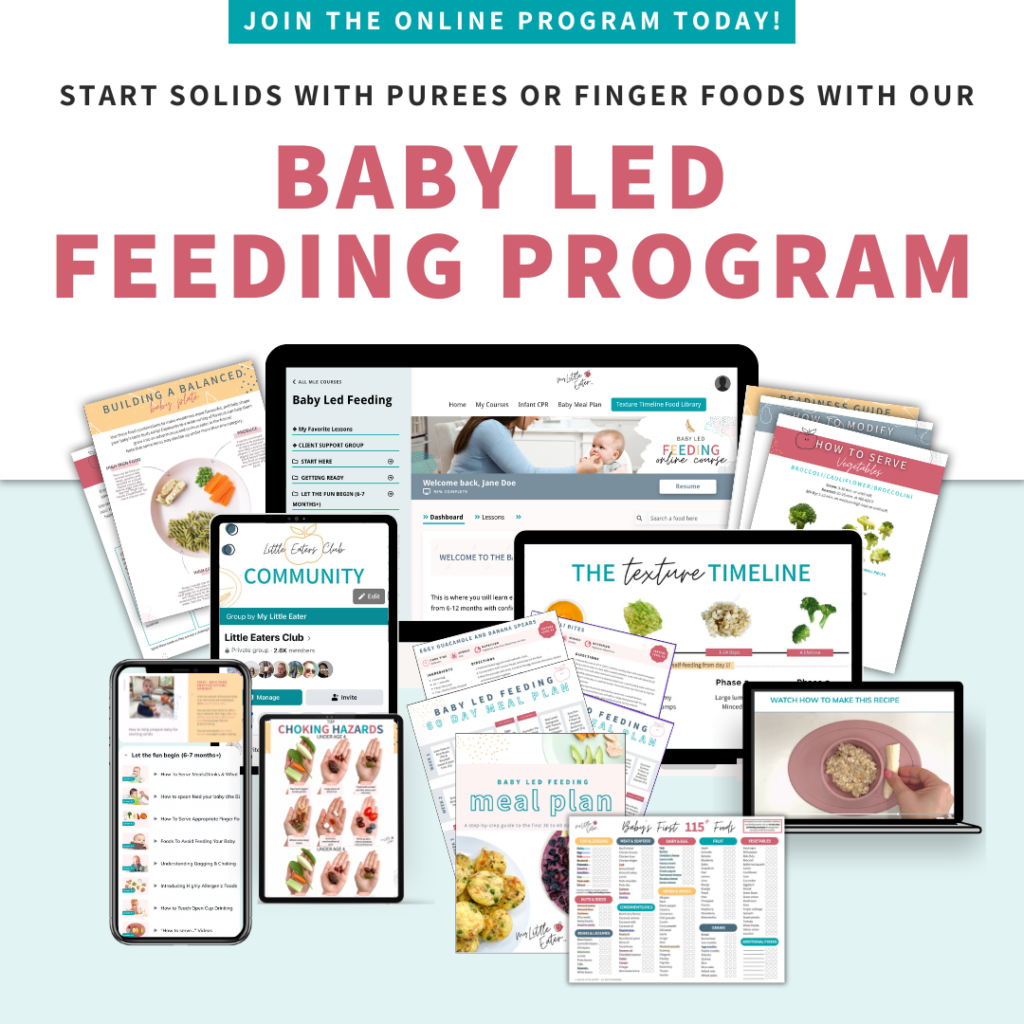
The debate between traditional purée-feeding and Baby-Led Weaning (BLW) has often caused unnecessary friction among caregivers. However, clinical consensus is shifting toward a "texture-inclusive" approach. Rather than choosing one method exclusively, the most effective feeding strategies utilize a "Texture Timeline." This allows for a gradual progression from smooth, thin purées to lumpy, mashed textures, and eventually to finger foods.
This progression ensures that the infant develops the necessary oral-motor coordination to handle increasingly complex textures safely. The goal is to avoid the "all-or-nothing" trap, which can leave infants unprepared for the transition to family meals by their first birthday. By aligning with CDC infant nutrition guidelines, this phased approach mitigates the risk of choking while building the confidence required for independent eating.

Implementing the Division of Responsibility
A frequently cited challenge in pediatric feeding is the emotional toll of mealtime, often manifested through food refusal or the child throwing food. To manage this, experts advocate for the "Division of Responsibility" model. In this framework, the caregiver is responsible for the "what, where, and when" of the meal—selecting the menu, timing the feeding, and choosing the environment.
The infant, conversely, is responsible for the "if and how much." By ceding control over the quantity of food consumed, parents can significantly lower the stress levels in the feeding environment. When the pressure to consume a specific amount is removed, the child is more likely to explore foods out of curiosity rather than fear or compulsion. This shift in power dynamics is critical for establishing a healthy, long-term relationship with food.

The Anatomy of the Gag Reflex
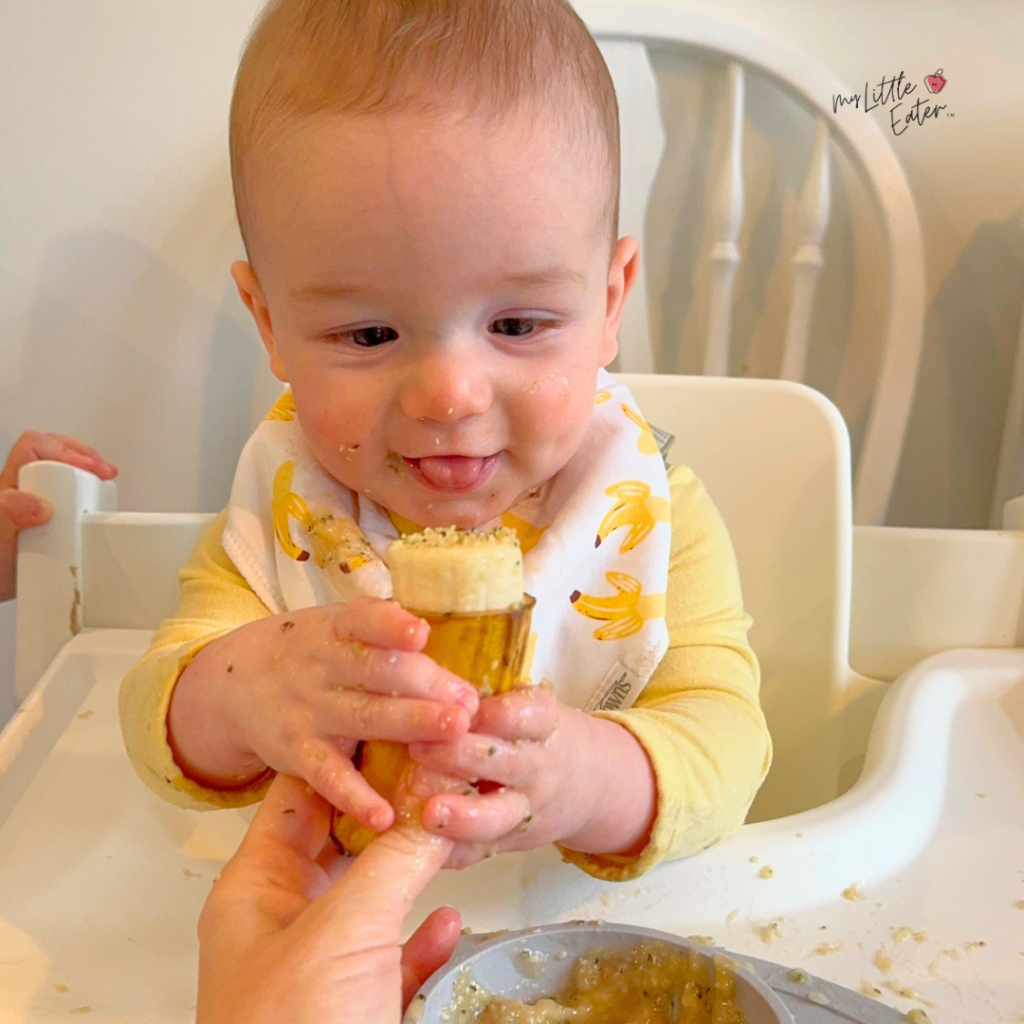
Caregivers are often alarmed by an infant’s gag reflex, frequently misinterpreting it as a choking event. It is essential to understand that in infants, the gag reflex is triggered much further forward on the tongue than in adults. This is a protective, biological mechanism designed to ensure that food is pushed forward and out of the mouth before it reaches the airway.
A "wait and see" approach is recommended when observing a gag. If the infant is making noise, coughing, or effectively moving the food with their tongue, they are navigating the learning process. A calm, neutral response from the caregiver reinforces that eating is a safe and positive experience. However, caregivers must remain vigilant regarding true choking hazards, such as whole grapes, nuts, seeds, and popcorn, which require specific modifications or should be avoided entirely until the child is older.
Implications for Long-Term Health
The implications of a well-structured, 60-day introduction to solids extend well beyond the first year of life. By focusing on flavor diversity—including the introduction of savory, bitter, and complex tastes—parents can effectively expand their child’s palate. This reduces the likelihood of the "picky eater" phase often observed in toddlers.
Furthermore, the integration of family-style meals, where the infant consumes modified versions of the same ingredients eaten by the rest of the household, fosters a sense of inclusion and social learning. This practice aligns with the broader goal of pediatric nutrition: to move the child toward a balanced, varied diet that mirrors the nutritional intake of the family unit.
Practicality and Sustainability for Parents
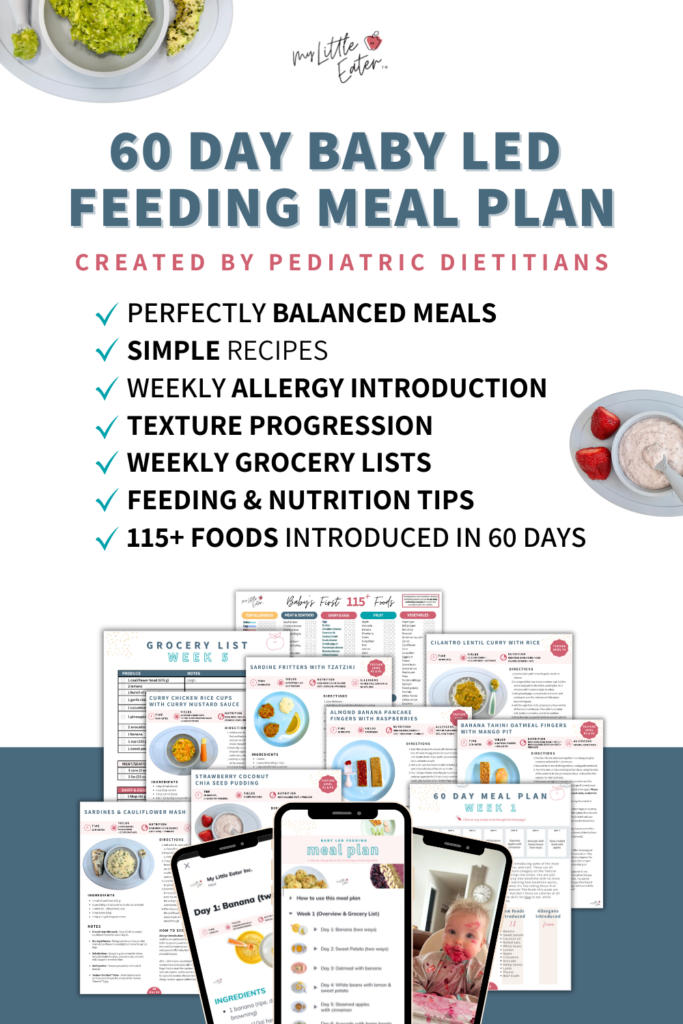
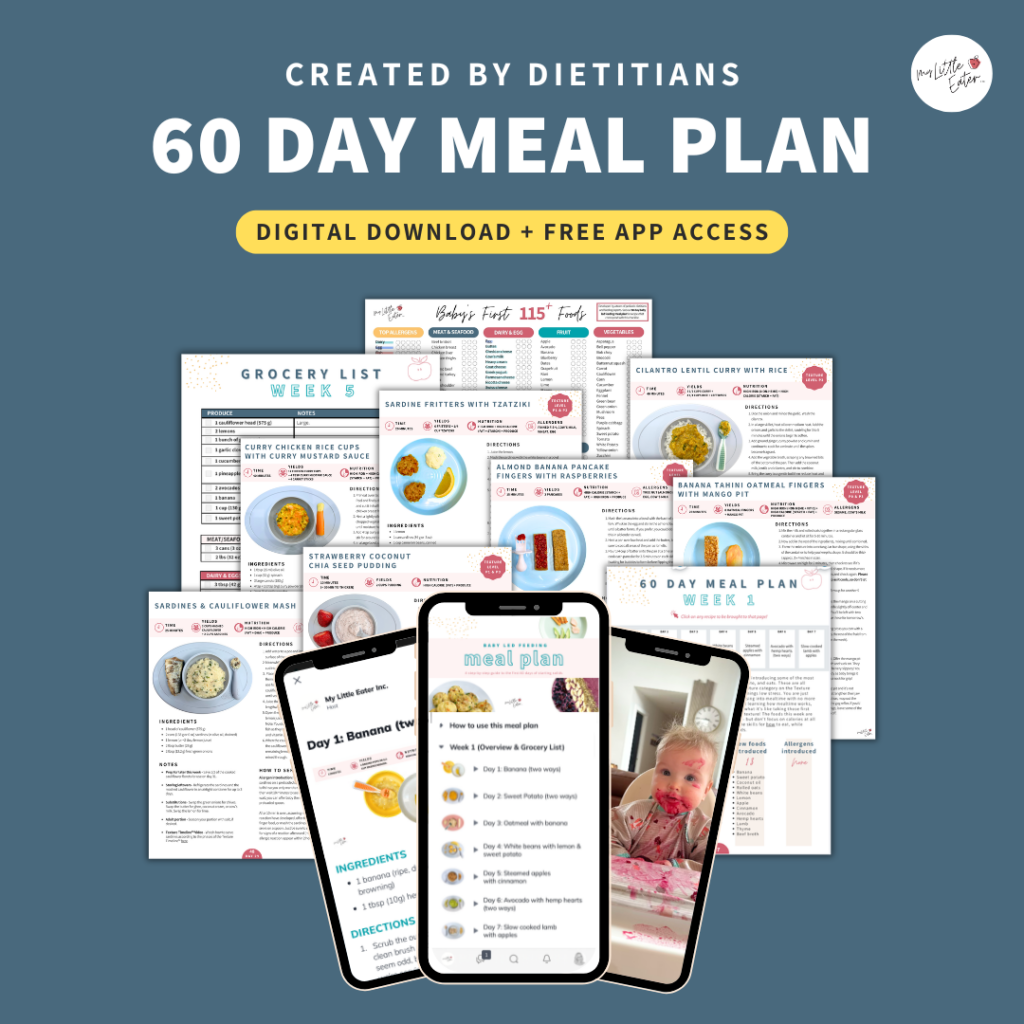
For many, the primary barrier to optimal infant nutrition is "decision fatigue." The task of sourcing, preparing, and timing meals for an infant, while simultaneously managing allergen protocols and texture progression, can be overwhelming. A 60-day plan serves as a logistical tool that simplifies these variables.
By utilizing standardized grocery lists and simplified, nutrient-dense recipes, parents can reduce the time spent on meal preparation. This efficiency is vital; when the logistics of feeding are managed through a clear, evidence-based plan, caregivers are better positioned to focus on the emotional and developmental aspects of the mealtime experience.
Conclusion
Starting solids is an inevitable, albeit complex, phase of infant development. While the sheer volume of information regarding nutrition, safety, and timing can be daunting, the implementation of a 60-day structured roadmap provides a clear path forward. By prioritizing iron-rich, nutrient-dense whole foods, adhering to modern allergen introduction protocols, and respecting the infant’s natural developmental milestones, parents can navigate this transition with confidence. Ultimately, the objective is not perfection, but consistent exposure, fostering a positive environment that builds the foundation for a lifetime of healthy, adventurous eating habits. Through patience, observation, and the use of professional guidelines, the transition to solids can be a rewarding experience for both parent and child.