Bridging the Gap: How Lived Experience is Reshaping Type 1 Diabetes Research and Clinical Trials

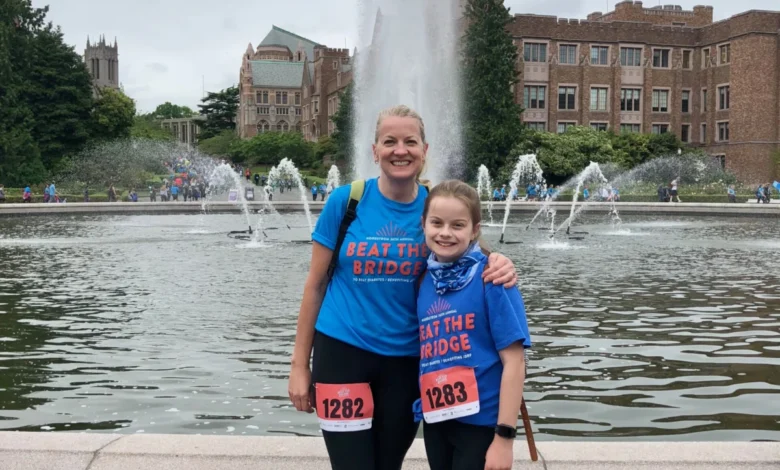
The landscape of medical research is undergoing a quiet yet profound revolution, moving away from closed-door laboratory trials toward a collaborative model that places patients and their families at the center of scientific discovery. Nowhere is this transformation more evident than in the realm of chronic condition management, particularly within the type 1 diabetes (T1D) community. For families navigating the relentless demands of the condition, bridging the gap between clinical intent and daily reality has become a vital frontier. At the forefront of this movement are advocates like Loraine Brogan and her daughter, Natalie, whose personal journey from an overwhelming diagnosis to high-level advocacy exemplifies how the integration of lived experience can fundamentally improve medical research, study design, and clinical trial accessibility.
Main Facts of the Patient-Centric Research Movement
Type 1 diabetes is a chronic autoimmune condition characterized by the body’s failure to produce insulin, a hormone essential for converting food into energy. Unlike type 2 diabetes, which is often linked to lifestyle and genetic factors and managed through diet, oral medications, or insulin, type 1 diabetes requires an immediate, lifelong regimen of exogenous insulin delivery. Managing the condition demands constant, round-the-clock vigilance. Patients and caregivers must continuously monitor blood glucose levels, calculate precise carbohydrate-to-insulin ratios, administer multiple daily injections or manage complex insulin pump therapy, and respond swiftly to unpredictable fluctuations in blood sugar.
The physical routine, however, represents only a fraction of the burden. The invisible mental load—comprising chronic sleep disruption, the constant background anxiety of nocturnal hypoglycemia, and the social pressures of feeling different—exacts a heavy emotional toll on both patients and their families. Recognizing these multifaceted challenges, organizations such as Breakthrough T1D have pioneered initiatives like the Participant Advisory Council (PAC). The PAC serves as a formal bridge connecting research institutions, pharmaceutical developers, and clinical investigators with the people who live with T1D every day. By embedding patient perspectives directly into the protocol-development phase, the council ensures that clinical trials account for human realities, such as clinic visit frequencies, the emotional weight of participation, and the logistical hurdles families face.
Chronology of a Journey: From Crisis to Advocacy
The trajectory from initial shock to active advocacy is a path walked by thousands of families worldwide. For the Brogan family, this journey began abruptly when Natalie was diagnosed with type 1 diabetes at nine years old.
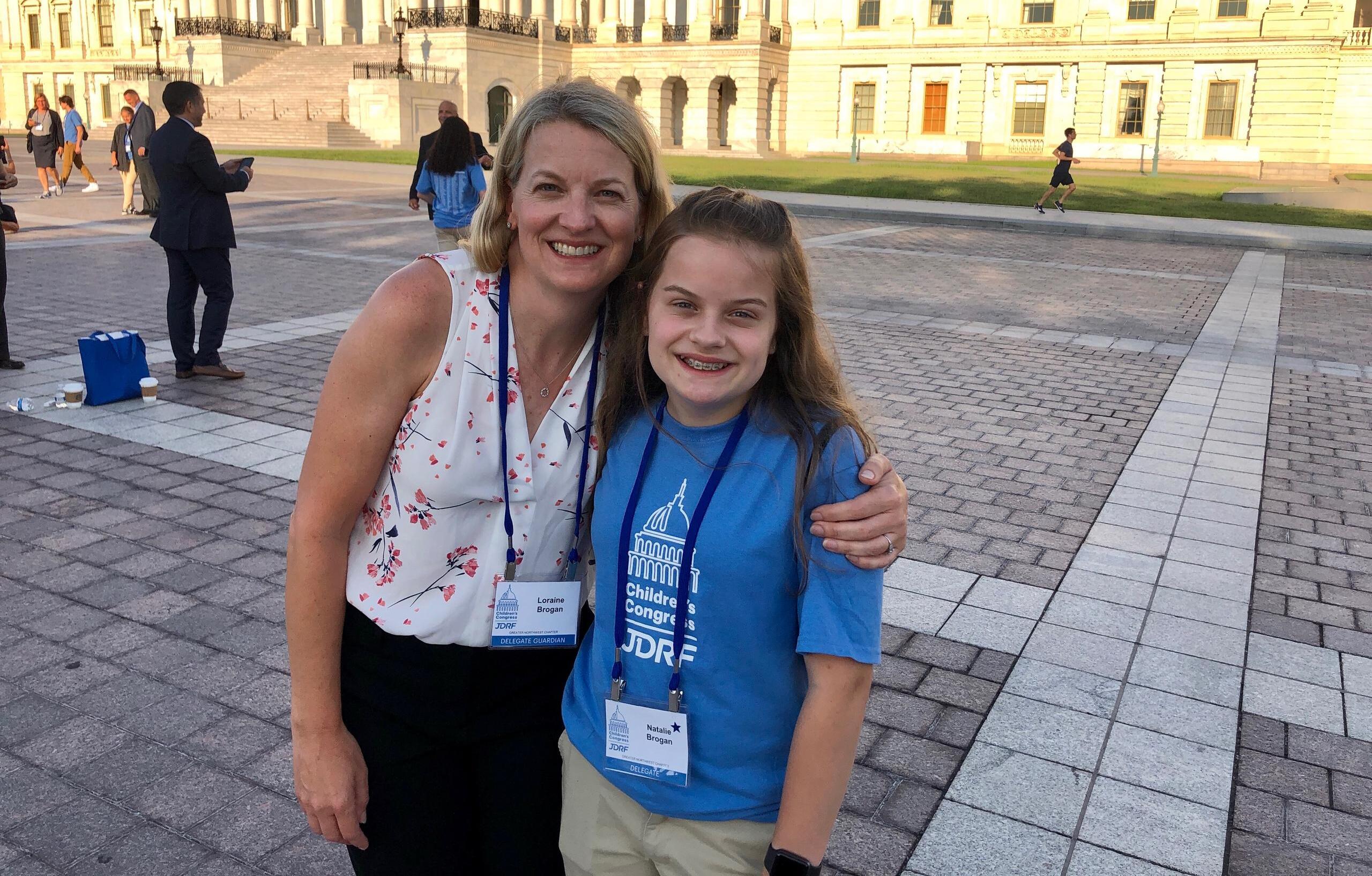
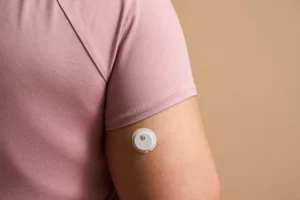
In the immediate aftermath of the diagnosis, the family was thrust into a steep learning curve. The household dynamic shifted overnight as they learned to master continuous glucose monitor (CGM) alarms, carbohydrate math, and emergency protocols. Nothing in their previous experience could have prepared them for the sudden shift toward hyper-vigilance.
As Natalie transitioned from childhood into her teenage years, the family confronted the delicate balance between ensuring medical safety and fostering adolescent autonomy. This period of adaptation laid the groundwork for a broader engagement with the T1D community. Recognizing that progress relies heavily on scientific advancement, the family embraced research not merely as an abstract academic pursuit, but as a tangible source of hope for the future.
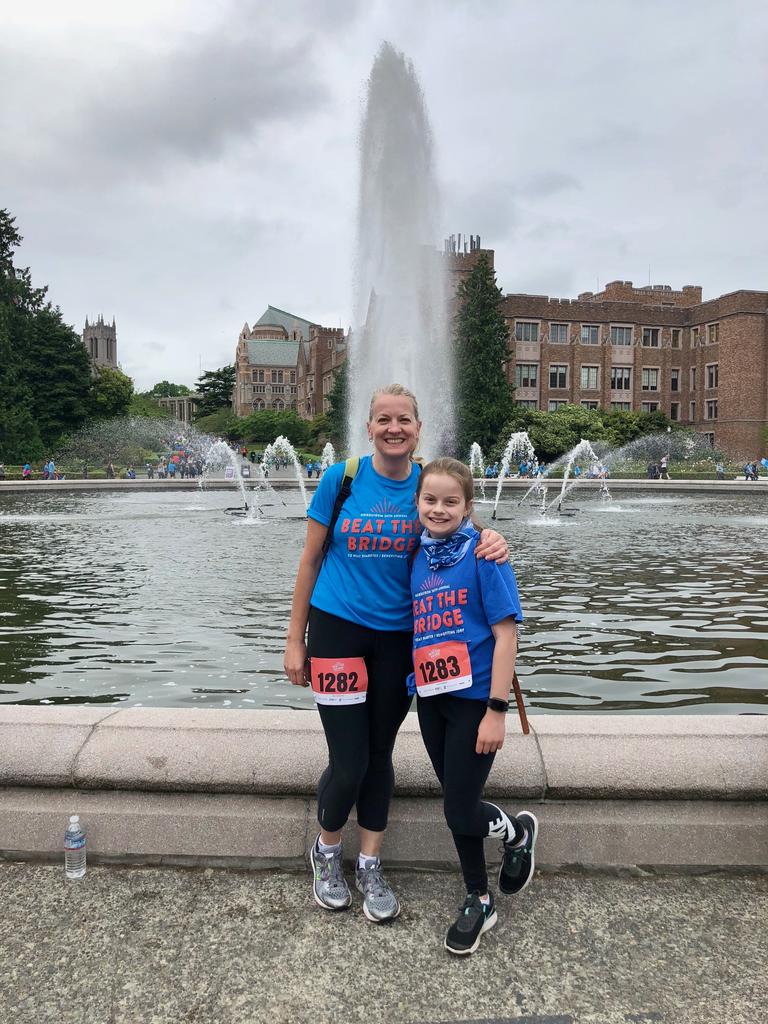
Natalie’s engagement deepened significantly when she participated in a two-year pilot project at Seattle Children’s Research Institute. In this collaborative space, she contributed to the development of youth-centered educational curricula. Working alongside researchers, she gained a first-hand understanding of how thoughtfully designed studies can support rather than overwhelm participating families. This immersive experience altered her career trajectory, sparking an ambition to pursue pediatric endocrinology. It also provided a foundation for her subsequent appointment to the Breakthrough T1D Participant Advisory Council, where she and her mother now serve as dual-perspective advocates, combining the direct experience of a young patient with the seasoned oversight of a caregiver.
Supporting Data and the Clinical Trial Landscape
The imperative for patient-centric trial design is underscored by broader public health data concerning clinical trial recruitment and retention. Historically, clinical research in chronic diseases has suffered from high attrition rates and recruitment bottlenecks. According to industry analyses, nearly 85% of clinical trials fail to retain enough patients, and roughly 30% of phase III clinical trial sites fail to enroll a single patient. In pediatric populations, these challenges are magnified exponentially by parental hesitation, logistical constraints, and the sheer fatigue of managing an already demanding daily medical regimen.
When clinical protocols are designed without consulting the end-user, requirements such as excessive clinic visits, rigid scheduling windows, or cumbersome data-entry tasks frequently render studies inaccessible to working families and school-aged children. By contrast, initiatives driven by groups like the Breakthrough T1D Participant Advisory Council have demonstrated tangible improvements in study execution. When researchers solicit feedback on protocol burdens—such as the frequency of required blood draws or the emotional impact of study procedures—adjustments can be made early in the design phase. Feedback loops that lead to greater visit flexibility and streamlined communication approaches have been shown to directly enhance participant recruitment, improve compliance, and reduce dropout rates. Through tools like Breakthrough T1D’s clinical trial matching resources and networks of Clinical Trial Education Volunteers, families are increasingly empowered to navigate these opportunities with institutional support.
Official Responses and Institutional Perspectives
Major research institutions and advocacy organizations increasingly view patient advisory boards not as optional outreach components, but as essential methodological partners. Investigators working in pediatric endocrinology and immunology note that clinical protocols benefit immensely from early-stage consultations with advisory councils.
From the perspective of health economists and clinical trial coordinators, integrating patient insights addresses a critical blind spot in translational science: the translation of bench science into real-world adherence. When an advisory council reviews trial materials, its members evaluate whether the language used is empathetic, whether the study timeline respects family schedules, and whether the emotional burden of participation has been adequately considered. Responses from research teams who have engaged with the PAC highlight a growing recognition that patient advocacy groups provide crucial quality control. By pointing out impractical demands before a trial launches, these councils save institutions valuable time and resources while safeguarding the mental and physical well-being of the participants.
Broader Impact and Implications for the Future of T1D Care
The shift toward collaborative, patient-integrated research carries profound implications for the future of chronic disease management. As medical science advances toward disease-modifying therapies, cellular therapies, and next-generation artificial pancreas systems, the speed and success of these innovations will depend heavily on clinical trial participation.
When communities feel respected, heard, and valued as true partners in research rather than passive subjects, trust in the medical establishment grows. This trust is particularly vital in pediatric medicine, where parents must make complex decisions regarding experimental treatments on behalf of their children. The mother-daughter advocacy model exemplifies how diverse viewpoints—combining the lived reality of juvenile-onset diabetes with the historical memory of parental caregiving—create a comprehensive framework for evaluating medical interventions.
Ultimately, the ultimate objective of this collaborative ecosystem extends beyond the optimization of current clinical trials. The shared vision animating organizations like Breakthrough T1D, and the tireless efforts of families participating in advisory councils worldwide, remains fixed on a singular horizon: accelerating the pace of discovery until type 1 diabetes is eradicated entirely. Until that future is realized, the active integration of patient voices ensures that the path forward is guided by those who know the condition best, transforming the daily struggle of managing T1D into a powerful engine for systemic medical progress.