The One-Pot Taco Pasta Revolution: A Shift Toward Simplified Home Cooking

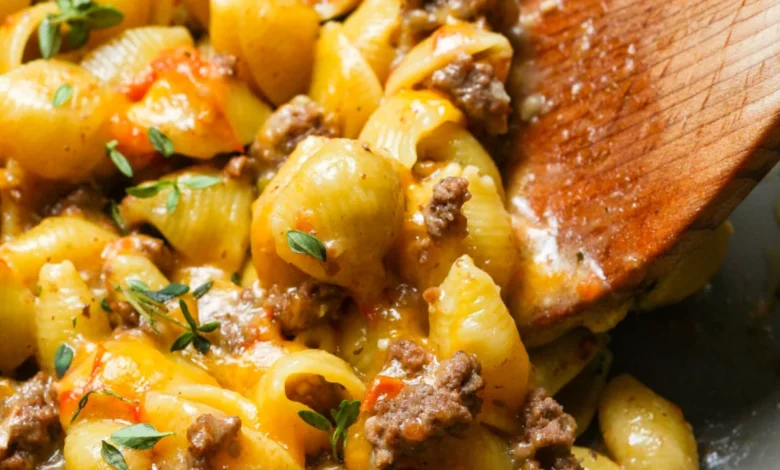
The landscape of modern family dining is currently undergoing a significant transformation, characterized by a growing consumer preference for "one-pot" cooking methodologies. Among the most prominent examples of this trend is the emergence of the One-Pot Taco Pasta, a dish that bridges the gap between traditional Mexican-inspired flavors and the convenience of modern, time-efficient culinary techniques. By consolidating multiple cooking steps into a single vessel, this recipe format addresses a primary concern for time-constrained households: the minimization of post-meal cleanup and the streamlining of food preparation.
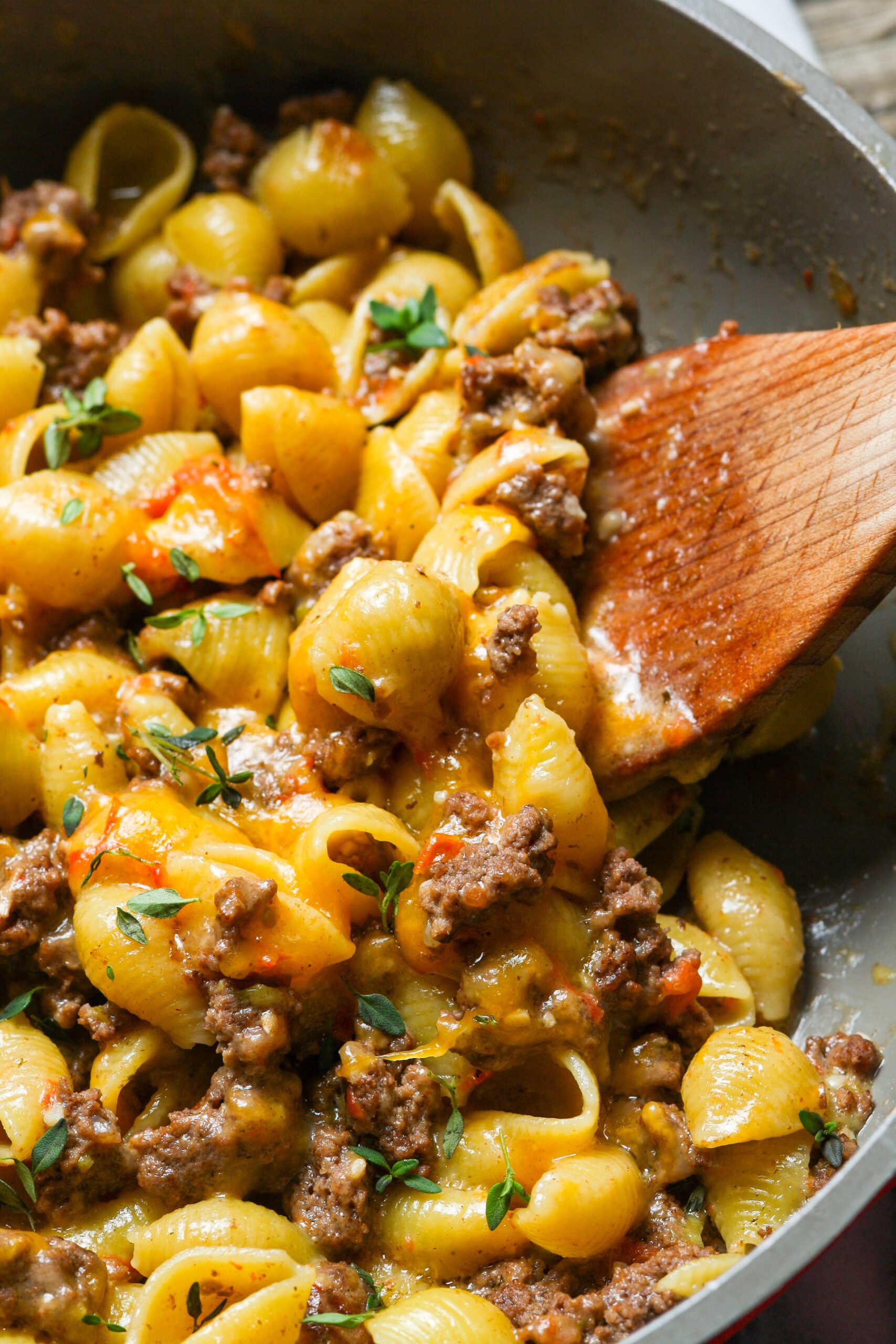
Culinary Evolution and the Rise of One-Pot Methodology
The rise of the one-pot meal is not merely a passing trend but a response to shifting socioeconomic conditions. Recent consumer behavior surveys indicate that the average time spent on active food preparation for weeknight dinners has decreased by approximately 15% over the last decade. As households navigate increasingly busy schedules, the demand for "low-labor, high-flavor" meals has surged.
The concept of integrating pasta directly into a skillet with a protein base and a liquid medium—the hallmark of this taco pasta recipe—represents a departure from the traditional Italian method of boiling pasta in a separate pot of salted water. This "absorption" technique, where pasta releases its starch directly into the sauce as it cooks, results in a naturally thickened, cohesive texture that requires fewer thickening agents, such as flour or cornstarch.
Ingredient Composition and Nutritional Considerations
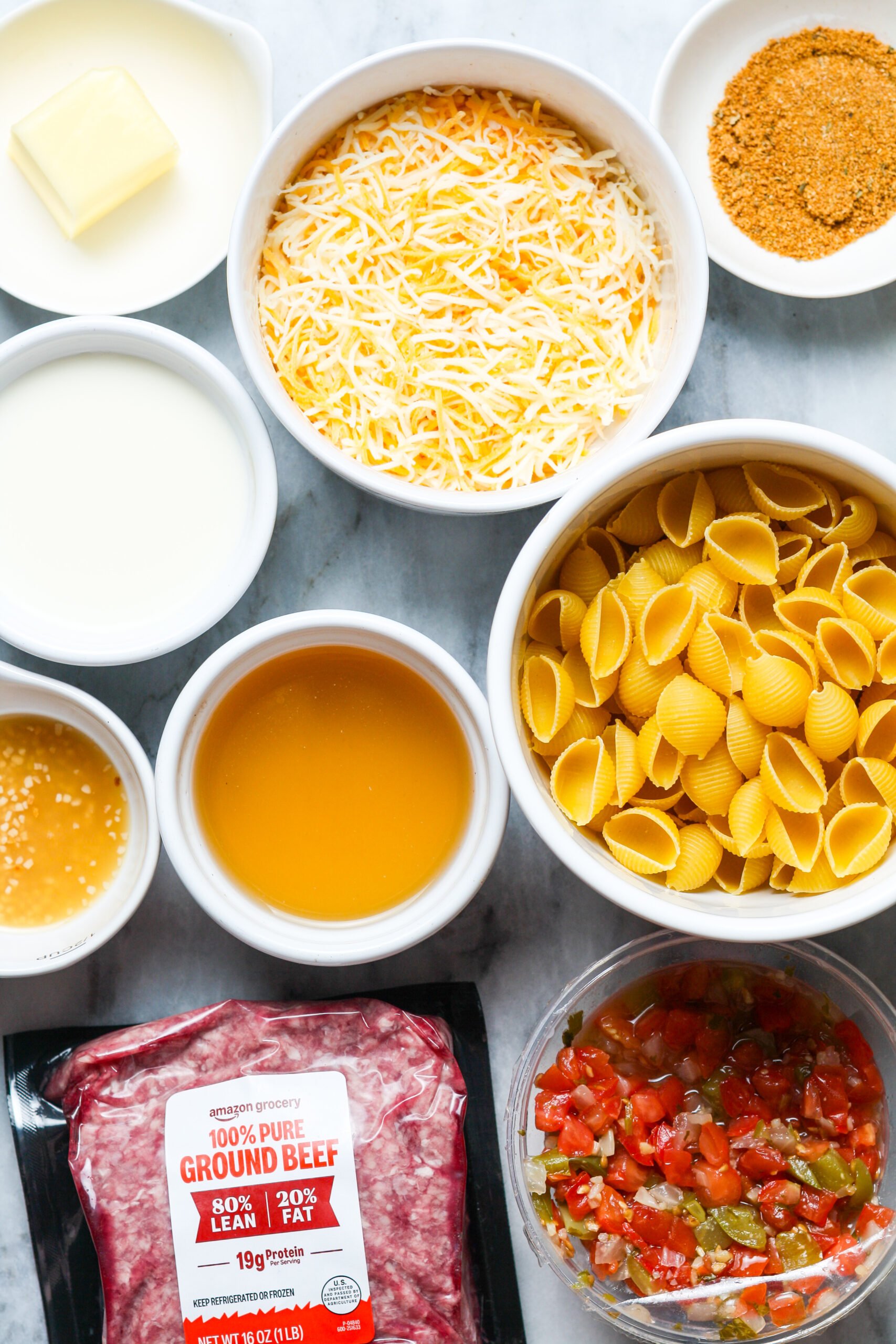
A standard preparation of this dish includes ground beef, which remains the primary protein source for a majority of American households, though culinary data shows an increasing pivot toward leaner alternatives like ground turkey or chicken. The integration of Rotel-style diced tomatoes and green chilies provides a necessary acidity profile, balancing the heavier fats found in cheese and dairy components.
From a nutritional standpoint, the use of whole-wheat pasta shells offers a higher fiber content compared to traditional semolina varieties, contributing to better glycemic control. Industry experts note that the inclusion of shelf-stable pantry staples, such as canned tomatoes and boxed broth, has bolstered the resilience of home cooking against supply chain fluctuations, making this dish a reliable option for families looking to manage their grocery budgets while maintaining nutritional quality.
Procedural Chronology: The Mechanics of Efficiency
The preparation process for one-pot taco pasta follows a strictly linear, logical chronology designed for efficiency:
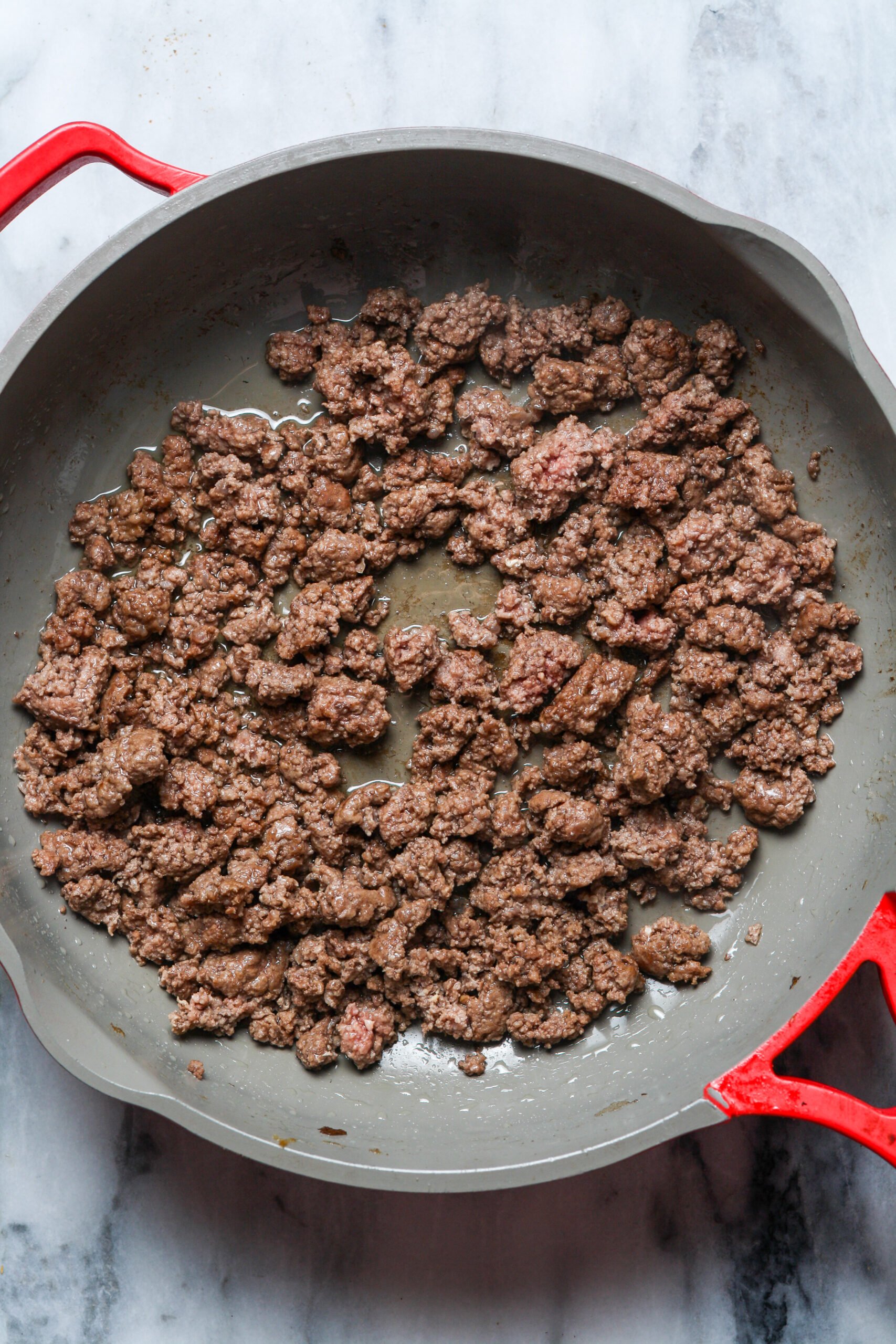
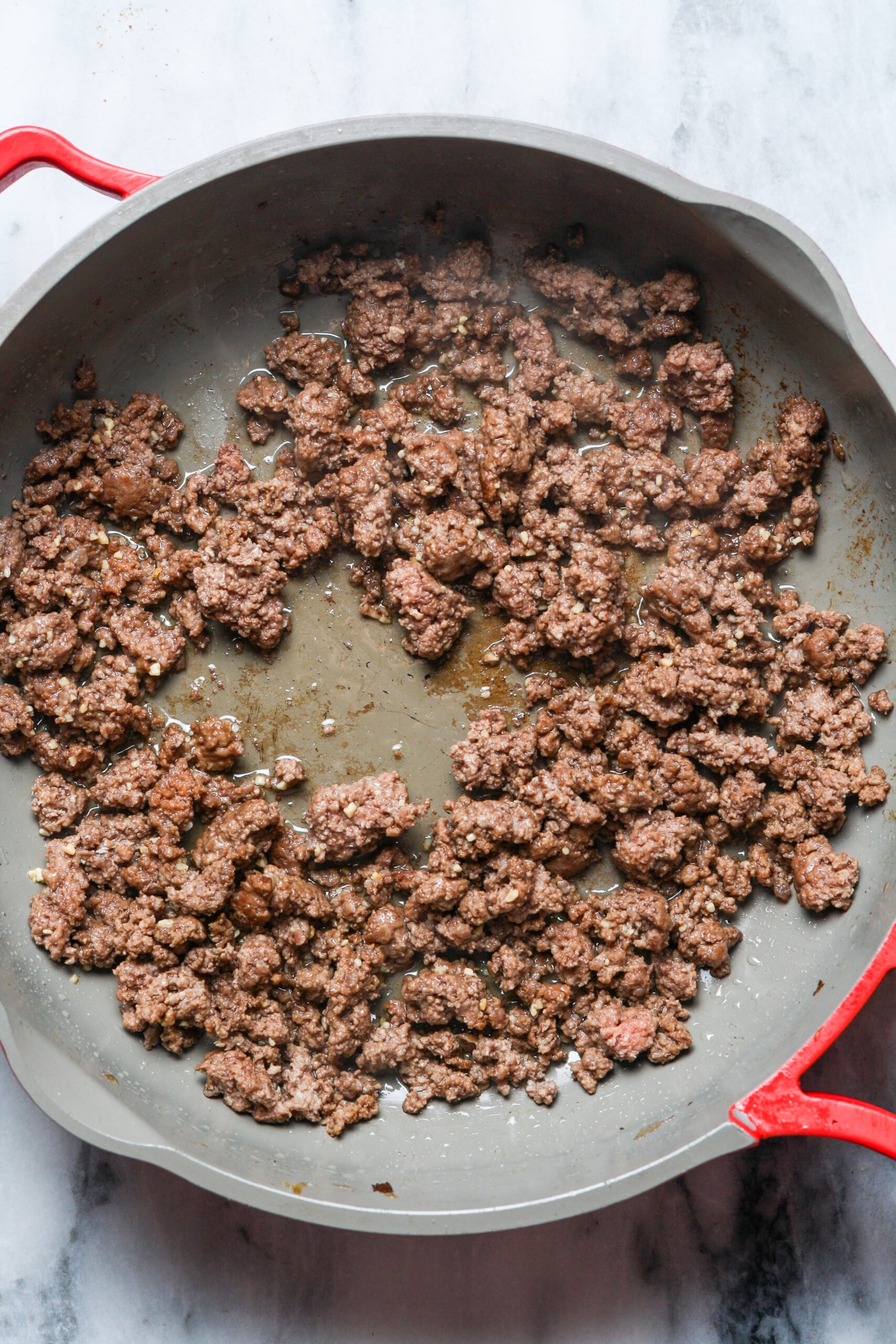
- Protein Searing: The process begins by browning the ground meat in a large, heavy-bottomed skillet. This stage is critical for the Maillard reaction, which develops the savory, roasted notes essential to the dish’s flavor profile. Excess lipids are typically drained to ensure the final sauce does not break or separate.
- Aromatic Infusion: The introduction of butter and minced garlic occurs immediately following the protein stage. The residual heat from the skillet is sufficient to toast the garlic, releasing volatile oils that form the aromatic foundation of the dish.
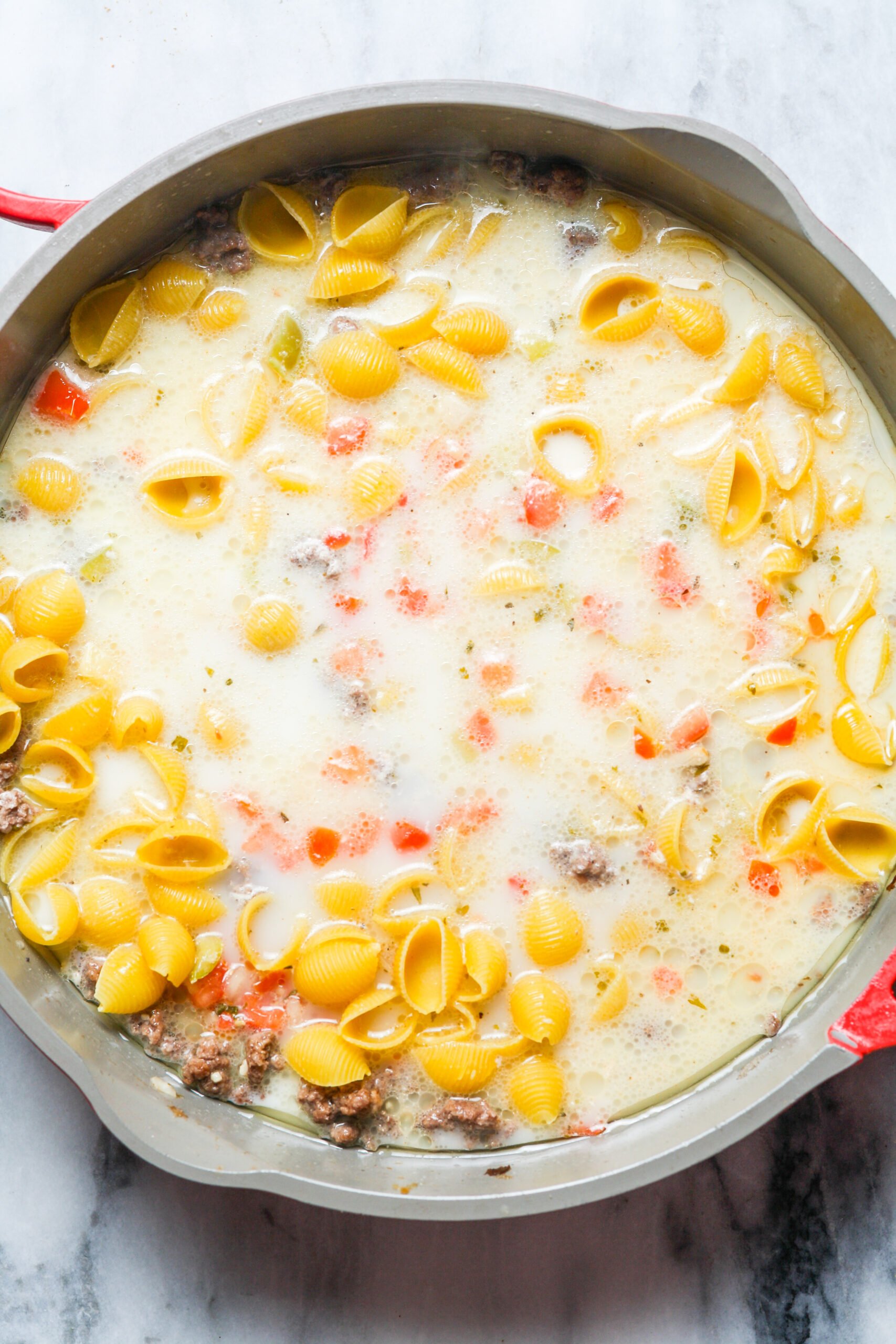
- Liquid Incorporation: The addition of chicken broth and milk—or half-and-half—is calculated to provide exactly enough moisture to hydrate the pasta to an "al dente" state.
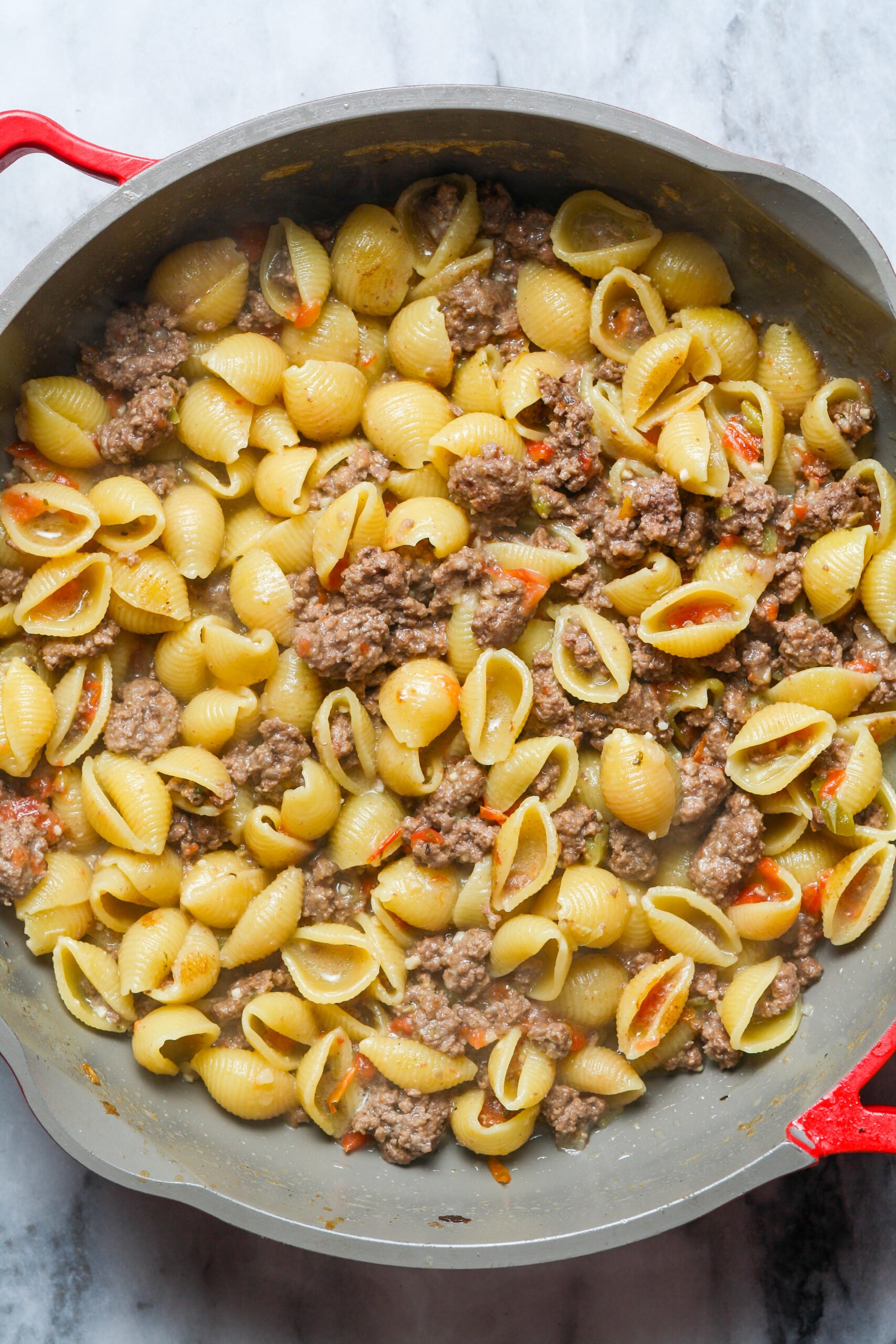
- Simmering and Emulsification: The pasta is introduced directly into the boiling liquid. As the starch hydrates, the liquid reduces, creating an emulsion.
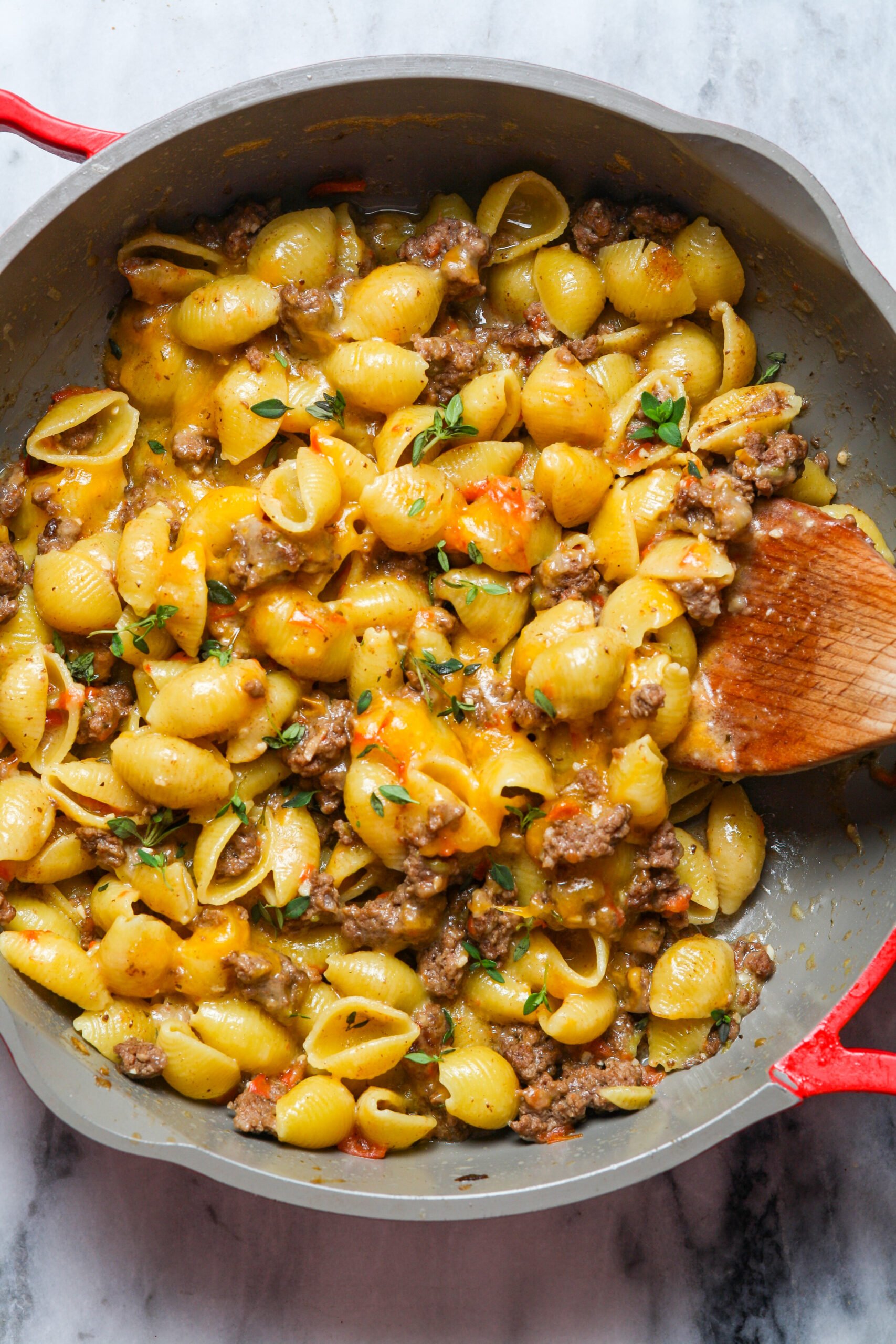
- Final Binding: The addition of shredded cheese at the final stage acts as a binder. By lowering the heat before adding the cheese, cooks prevent the protein in the dairy from curdling, ensuring a smooth, gooey texture that defines the comfort-food experience.
Market Trends and Consumer Reception
Food analysts suggest that the success of such recipes is closely linked to the "comfort food" phenomenon, which has seen a resurgence in popularity since 2020. As external stresses have risen, consumer demand for meals that offer psychological comfort—often associated with high-protein, cheesy, and carb-forward profiles—has reached an all-time high.
Data from social media culinary trends indicates that "taco-flavored" variations of international dishes are among the most searched and saved recipes annually. This indicates a strong consumer preference for familiar flavor profiles—cumin, chili powder, and garlic—applied to diverse formats like pasta, rice, and even breakfast casseroles.
Professional Perspectives on Home Cooking Efficiency
Nutritionists and culinary educators often cite the one-pot method as an effective way to control portion sizes and ingredient quality. By avoiding pre-packaged, "boxed" pasta kits, consumers retain control over sodium levels and the quality of fats used in the preparation.
"The ability to prepare a balanced meal—incorporating protein, carbohydrates, and vegetables—in under 30 minutes is the ‘holy grail’ of domestic management," says Dr. Elena Rossi, a culinary researcher. "When we observe the adoption of these one-pot methods, we are seeing a conscious attempt by the modern family to reclaim the dining room table without the heavy burden of hours spent in the kitchen."
Broader Implications for Food Waste and Sustainability
The environmental implications of the one-pot cooking model are also noteworthy. By using a single pan, households significantly reduce the amount of water and detergent required for cleanup. Furthermore, these recipes are inherently modular, allowing for the inclusion of "leftover" vegetables—such as wilting spinach, half-used bags of corn, or onions—which helps mitigate household food waste.
This, combined with the versatility of the recipe, makes it a cornerstone of sustainable home economics. The ability to substitute ground pork, chicken, or plant-based crumbles depending on availability or sale prices allows the recipe to remain a constant in the home kitchen, regardless of market volatility.
Future Outlook: The Role of Simplified Gastronomy
As the industry moves forward, the trend toward simplified, one-vessel cooking is expected to expand. Culinary technology is already shifting to accommodate this, with cookware manufacturers prioritizing high-sided, non-stick, and induction-ready pans that can handle both the searing and the braising required for these recipes.
In conclusion, the one-pot taco pasta is more than just a quick dinner solution; it is a microcosm of current culinary values. It emphasizes the importance of efficiency, the reliability of familiar flavors, and the necessity of sustainable, budget-conscious meal preparation. As busy households continue to seek out ways to balance the demands of modern life with the desire for home-cooked nutrition, the methodology behind this dish will likely remain a foundational skill for the contemporary home cook. By mastering the balance of heat, moisture, and emulsification, the home kitchen becomes a place of both high-quality output and minimal stress, ensuring that the act of dining remains a source of connection rather than a source of labor.