As temperatures rise across the Northern Hemisphere in the summer of 2026, consumer demand for chilled, convenient snacks has shifted significantly toward products that emphasize clean-label ingredients and reduced sugar profiles. For health-conscious parents and individuals monitoring their glycemic intake, the traditional grocery store freezer aisle has evolved, moving away from high-fructose corn syrup and artificial dyes toward options utilizing whole-fruit purees and natural colorants. This analysis examines the current landscape of the frozen confection market, detailing nutritional standards, industry trends, and the specific brands currently meeting these heightened consumer expectations.
The Evolution of the Frozen Confection Industry
Historically, the frozen popsicle category was dominated by products containing 20 to 25 grams of added sugar per serving, often paired with synthetic dyes such as Red 40 or Yellow 5. However, the last three years have marked a period of rapid product reformulation. Driven by data from the FDA’s updated nutrition labeling requirements—which now mandate the clear disclosure of "added sugars"—manufacturers have been under pressure to provide transparent nutritional data.
Industry analysts observe that this shift is not merely aesthetic; it is a response to a broader public health movement advocating for lower sugar consumption. According to recent market research, there is a measurable correlation between the rise of "no-added-sugar" product lines and a decline in sales for legacy brands relying on high-fructose corn syrup.
Defining Nutritional Standards for Healthy Frozen Treats
To differentiate between a processed treat and a nutritionally superior option, nutritionists recommend a multi-factor evaluation of the product label. The primary metric is the distinction between total sugar and added sugar. While fruit inherently contains fructose, the nutritional profile of a whole-fruit puree is markedly different from the metabolic impact of concentrated syrups.
- Ingredient Sourcing: The most favorable products utilize fruit purees—which retain fiber and pulp—over filtered fruit juices. Puree provides a higher satiety factor, which may assist in stabilizing blood glucose levels compared to clear juice extracts.
- The Role of Stabilizers: Consumers often encounter ingredients such as guar gum or xanthan gum. While some shoppers view these with skepticism, they serve a functional purpose: preventing the formation of large ice crystals. From a manufacturing standpoint, these additives are essential for maintaining a desirable mouthfeel in products that lack the heavy fats found in traditional ice cream.
- Natural Colorants: The industry is increasingly replacing petroleum-based food dyes with concentrated plant extracts. Spirulina, beet juice, and turmeric are now common in the ingredient lists of premium popsicle brands to achieve vibrant colors without the potential behavioral or allergic implications associated with synthetic dyes.
Market Leaders and Brand Performance
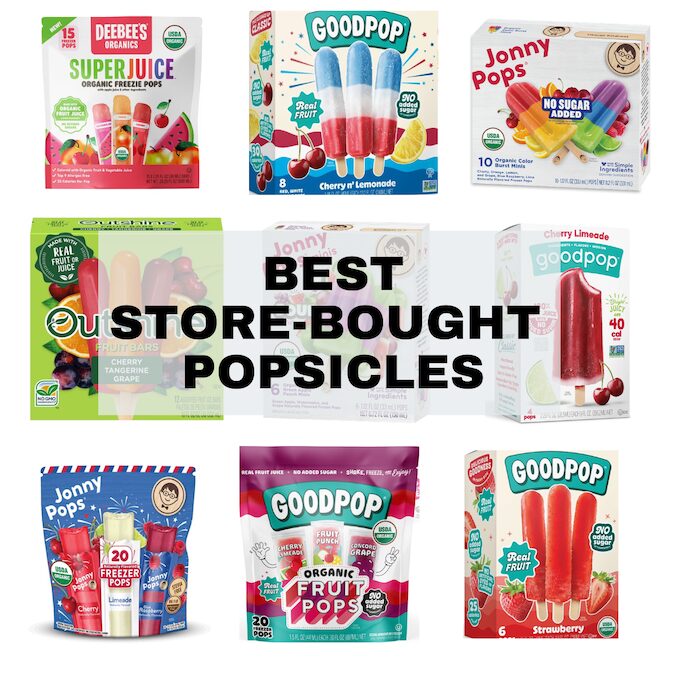
Several companies have gained significant market share by positioning themselves as "better-for-you" alternatives. The following brands have demonstrated the most consistent adherence to the nutritional criteria favored by dietetic associations.
DeeBee’s Organics
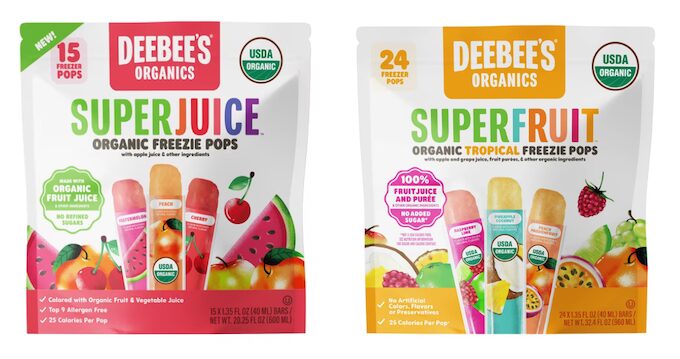
DeeBee’s has established itself as a frontrunner in the no-added-sugar segment. Their "SuperFruit" line utilizes organic juice and puree, effectively capturing a demographic that prioritizes certified organic ingredients. Their market entry shifted the standard for freezer pops, proving that shelf-stable, water-based treats could be produced without artificial sweeteners or high-sugar syrups.
GoodPop
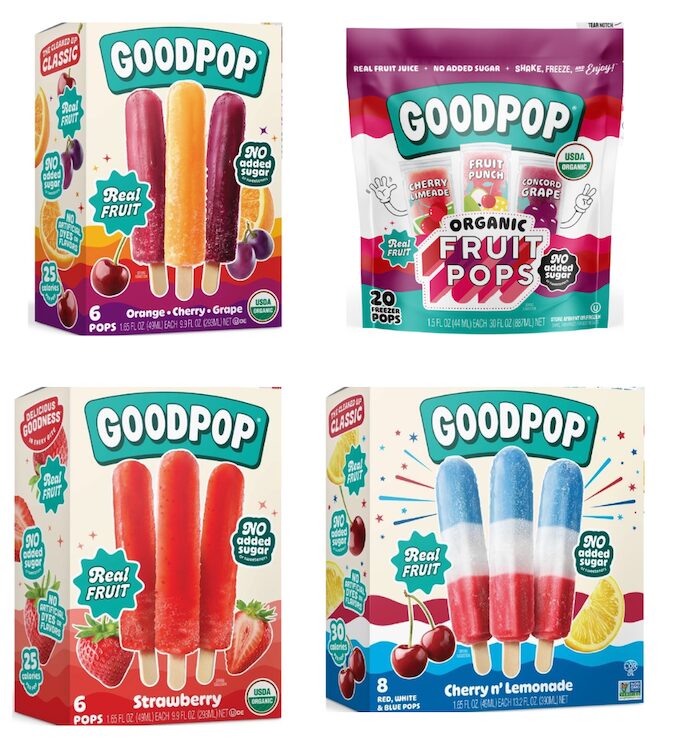
GoodPop has been noted for its diverse product range, which spans from traditional juice-based pops to creamier, dairy-free alternatives. Their commitment to clean-label standards—specifically the exclusion of high-fructose corn syrup—has made them a staple in natural food stores and mainstream retailers alike. Consumers are advised, however, to scrutinize the labels, as the brand maintains two distinct lines: one with no added sugar and a secondary line designed for indulgence that contains moderate amounts of organic cane sugar.
JonnyPops
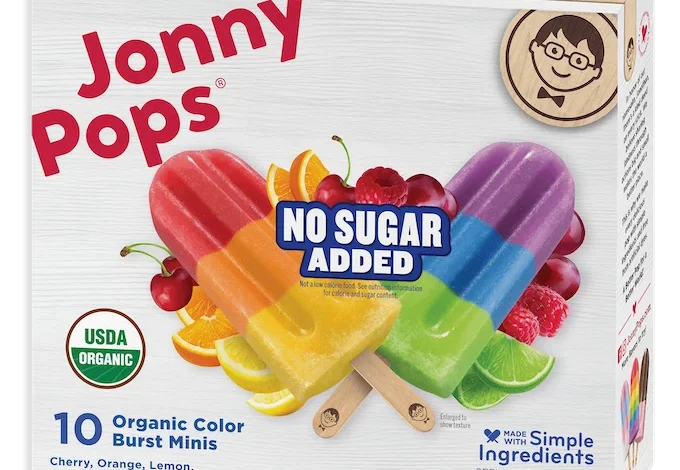
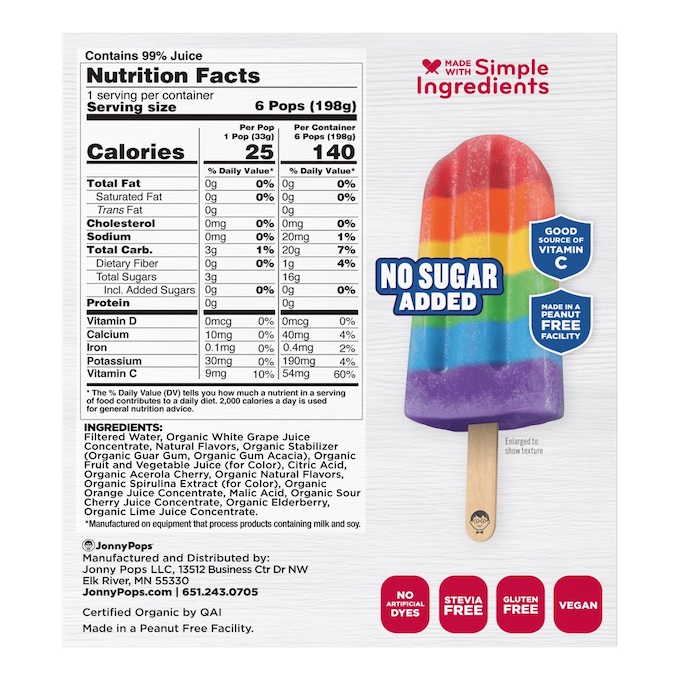
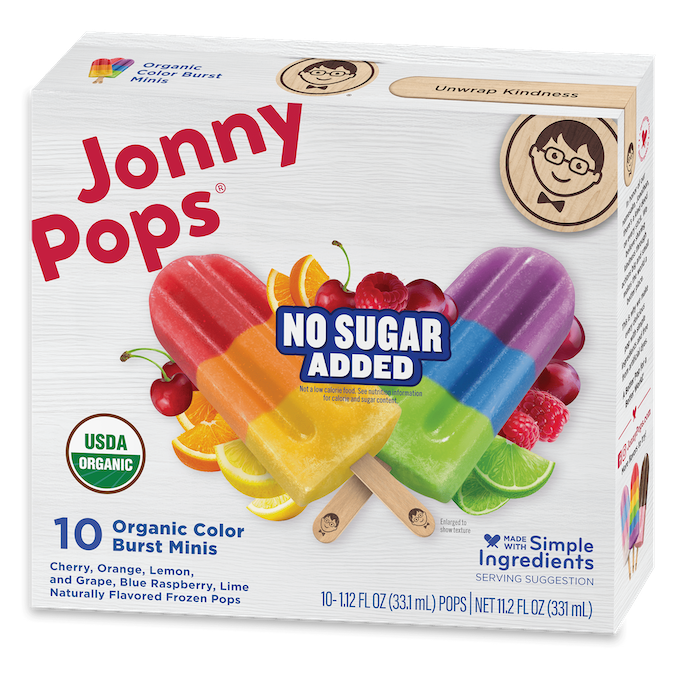
Known for their "Rainbow Mini Pops," JonnyPops offers a tiered sugar approach. By providing smaller serving sizes, they lower the absolute volume of added sugar per unit, which is a strategic approach to portion control. Their products, which often contain between 5 and 10 grams of added sugar, serve as a middle ground for consumers who are not strictly avoiding sugar but wish to moderate their daily intake.
Yasso Bars
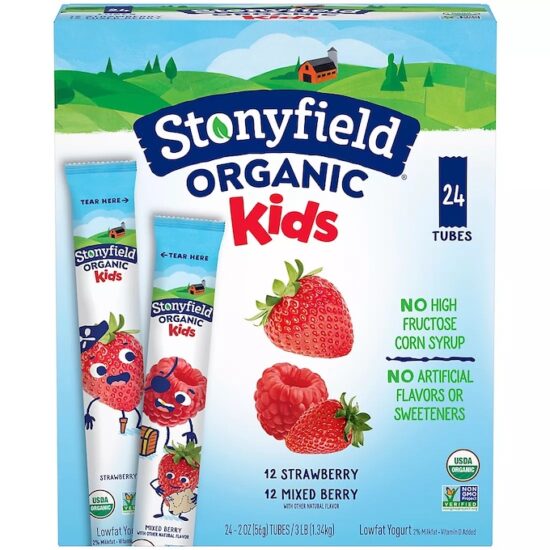
For those seeking a more substantial, creamy experience, Yasso has successfully disrupted the ice cream category. By using Greek yogurt as the primary base rather than heavy cream, these bars offer an elevated protein content—typically 4 to 5 grams per serving—which helps mitigate the blood sugar spike typically associated with frozen desserts.
Procurement Trends: Costco, Target, and Walmart
The availability of these premium products varies by retail chain. Costco has trended toward bulk packaging of organic, juice-based options, often featuring DeeBee’s Organics and JonnyPops in their seasonal freezer sets.
Target has curated a wider selection, catering to a broader demographic by stocking both the premium, low-sugar brands and standard alternatives. Their "Good & Gather" private label has also introduced fruit bars with simplified ingredient lists, providing a more accessible price point for the average consumer. Walmart, as the largest retailer, has significantly expanded its frozen footprint, now regularly stocking brands like Outshine—specifically their Mini Fruit Pops—which offer a balanced profile of flavor and portion size.
DIY Alternatives: The Homemade Movement
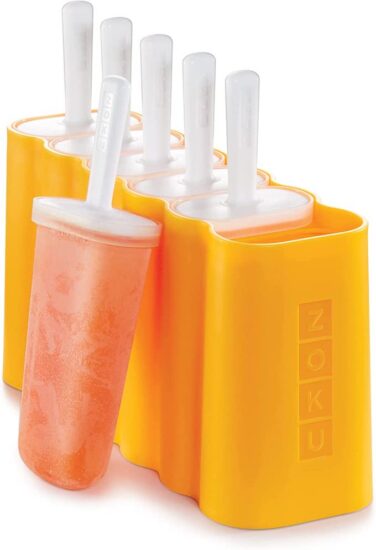
For consumers who prioritize total control over their dietary intake, the DIY popsicle movement remains a significant trend. The use of home-freezing kits and silicone molds has gained traction as households look to utilize excess fruit or high-quality, low-sugar smoothies. This method effectively eliminates the additives and stabilizers used in mass production. By freezing blended, nutrient-dense ingredients like Greek yogurt mixed with berries, consumers can ensure their frozen treats align with specific nutritional goals, such as increasing fiber or probiotic intake.
Broader Implications for Public Health
The ongoing shift in the popsicle industry reflects a wider trend of "stealth health" marketing, where consumers are increasingly educated about the long-term impact of sugar intake. The decline of the high-sugar, dye-heavy freezer pop signals a significant change in consumer behavior. Retailers are responding to this by prioritizing shelf space for brands that emphasize transparency and ingredient quality.
Furthermore, the integration of protein-rich options like yogurt-based bars into the popsicle category represents a blurring of lines between snacks and desserts. As the summer of 2026 continues, industry analysts expect this trend to accelerate, with further innovations likely in the areas of prebiotic-infused frozen treats and vegetable-based fruit blends.
For the average consumer, the message is clear: the modern freezer aisle is no longer a monolith of sugar and artificiality. By checking the nutrition label for added sugar content and identifying brands that utilize fruit puree over juice or syrup, consumers can continue to enjoy the convenience of a frozen treat without compromising their nutritional priorities. Whether through mass-market brand choices or homemade, nutrient-dense creations, the tools for making an informed, healthier decision are more accessible today than at any point in the previous decade.