Precious Little Sleep Author Announces Highly Anticipated Second Edition and Free Upgrade Program for Families

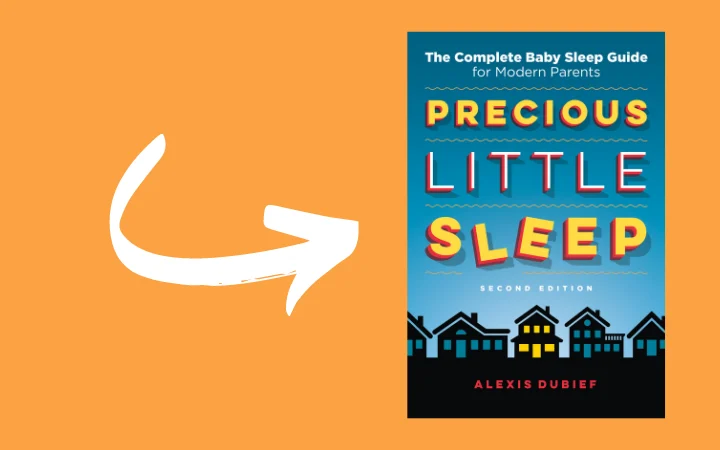
After three years of guiding exhausted parents through the often tumultuous journey of infant and toddler sleep training, the bestselling resource Precious Little Sleep is receiving a comprehensive update. The author has officially announced the upcoming release of the second edition, designed to reflect the latest insights, feedback, and developmental research accumulated since the publication of the original volume. To ensure that the updated material remains accessible during challenging economic times, the author has simultaneously launched a limited-time promotional initiative, offering one hundred free digital upgrades to existing readers.
This announcement marks a significant milestone for a publication that has established itself as a staple in modern parenting literature. Since its initial release, the book has garnered a dedicated following by offering pragmatic, no-nonsense advice that bridges the gap between rigid sleep-training philosophies and the real-world exhaustion experienced by caregivers. The forthcoming second edition promises to build upon this foundation, incorporating refined methodologies and clearer guidance to assist families in establishing healthy sleep habits.
Background and Context of the Publication
The landscape of early childhood literature is vast, frequently overwhelming new parents with conflicting advice regarding sleep hygiene, nocturnal waking, and behavioral conditioning. When the first edition of Precious Little Sleep entered the market three years ago, it differentiated itself through an accessible, humorous, and fundamentally realistic approach to infant biology and behavioral psychology. Rather than promoting a single, inflexible methodology, the text empowered parents to understand the physiological mechanisms of sleep, enabling them to make informed decisions tailored to their unique family dynamics.
Over the ensuing three years, pediatric sleep science and parental feedback have continued to evolve. The author noted that the decision to compile a second edition stemmed from a desire to integrate these advancements, addressing recurring questions and providing nuanced solutions to common developmental hurdles. Publishing a revised edition allows authors in the parenting genre to address shifts in cultural expectations, incorporate updated safety guidelines, and refine explanations that may have caused confusion in earlier iterations.
Structure of the Free Upgrade Program
Recognizing that financial constraints can often prevent families from accessing crucial parenting resources—particularly within the context of recent economic fluctuations—the author has structured the launch to prioritize accessibility. The initiative offers one hundred complimentary digital copies of the second edition to owners of the original publication.
Participation in the upgrade program requires a straightforward verification process designed to confirm prior ownership of the book, whether in physical print, digital e-reader format, or audiobook edition. Interested participants are directed to complete a designated online submission form before the strict deadline of October 1, 2020. Acceptable forms of verification are intentionally flexible, ranging from photographs of physical bookshelves to screenshots of digital library accounts or purchase receipts.
Logistics and Timeline for Distribution
The rollout of the second edition follows a carefully managed timeline to accommodate commercial publication schedules and the distribution of promotional copies. The deadline for submitting verification through the online portal is set for October 1, 2020, after which the intake form will close. This cutoff coincides with the transition of the book into widespread commercial distribution, at which point promotional distribution channels must cease in compliance with publishing agreements.
Following the verification phase, successful applicants will receive detailed instructions via electronic mail regarding how to download their complimentary second edition ebook. Distribution of these instructions is scheduled to conclude by October 15, 2020. This structured approach ensures that current supporters of the work receive timely access to the updated material prior to the broader public launch.
Broader Impact on the Parenting Resource Sector
The decision to offer complimentary updates to loyal readers reflects a growing trend among independent authors and specialized publishers to foster community goodwill and prioritize consumer value. In an industry where revised editions frequently require a full repurchase from existing supporters, this initiative establishes a consumer-centric precedent. By absorbing the cost of the digital upgrade for a select group of readers, the author mitigates the financial barrier to entry that often accompanies educational and caregiving literature.
Furthermore, the release of an updated edition of a prominent sleep-training manual holds broader implications for pediatric wellness discussions. Sleep deprivation among new parents is a well-documented public health concern, linked to postpartum depression, impaired cognitive function, and increased domestic stress. Accessible, evidence-based literature serves as a critical intervention tool, empowering families to navigate developmental milestones safely and effectively. As the second edition prepares to enter the market, its reception will likely underscore the enduring demand for empathetic, scientifically grounded guidance in the realm of early childhood care.
Related posts: