Sheet Pan Miso Roasted Cabbage with Crispy Chickpeas Transforms Weeknight Dinners into Plant-Forward Masterpieces

The evolution of modern home cooking has increasingly prioritized efficiency, sustainability, and bold flavor profiles that elevate humble vegetables into center-plate attractions. In this culinary landscape, cruciferous vegetables—long relegated to the status of bitter side dishes or shredded coleslaw bases—are experiencing a renaissance. A prime example of this gastronomy shift is the growing popularity of conehead cabbage, particularly varieties like sugarcone cabbage cultivated by innovative agricultural companies such as Row 7 Seeds. When paired with an umami-rich miso glaze, roasted chickpeas, and tangy labneh, this once-overlooked vegetable is redefining what a satisfying, vegetarian sheet-pan meal can achieve in a domestic kitchen.
The Rise of Conehead Cabbage and Plant-Forward Dining
The culinary trajectory of cabbage has undergone a significant transformation over the past decade. Traditionally valued for its long shelf life and high yields, standard round green and red cabbages frequently suffered from a reputation for strong sulfurous odors and dense, unyielding textures when improperly cooked. However, the introduction of specialized cultivars, most notably the pointed conehead or sugarcone cabbage, has altered consumer perceptions.
First popularized at regional agricultural hubs such as the Hollywood Farmers Market, conehead cabbage distinguishes itself through a pale green exterior, tender cell structure, and a pronounced natural sweetness. Agricultural developers and seed innovators have championed these specialty crops to bridge the gap between small-scale farming aesthetics and home-kitchen accessibility. Unlike traditional varieties, sugarcone cabbage lacks the aggressive bitterness that deters many diners, making it an ideal candidate for high-heat roasting methods that caramelize natural sugars and impart a silky, buttery texture.
Culinary Mechanics: Why Low-and-Slow Roasting Matters
According to culinary experts and recipe developers specializing in family-friendly nutrition, the primary pitfall in preparing roasted cabbage lies in undercooking. Standard roasting protocols often remove cruciferous vegetables from the heat source prematurely, resulting in a dish that retains an unpleasant crunch and an overpowering sulfur profile.
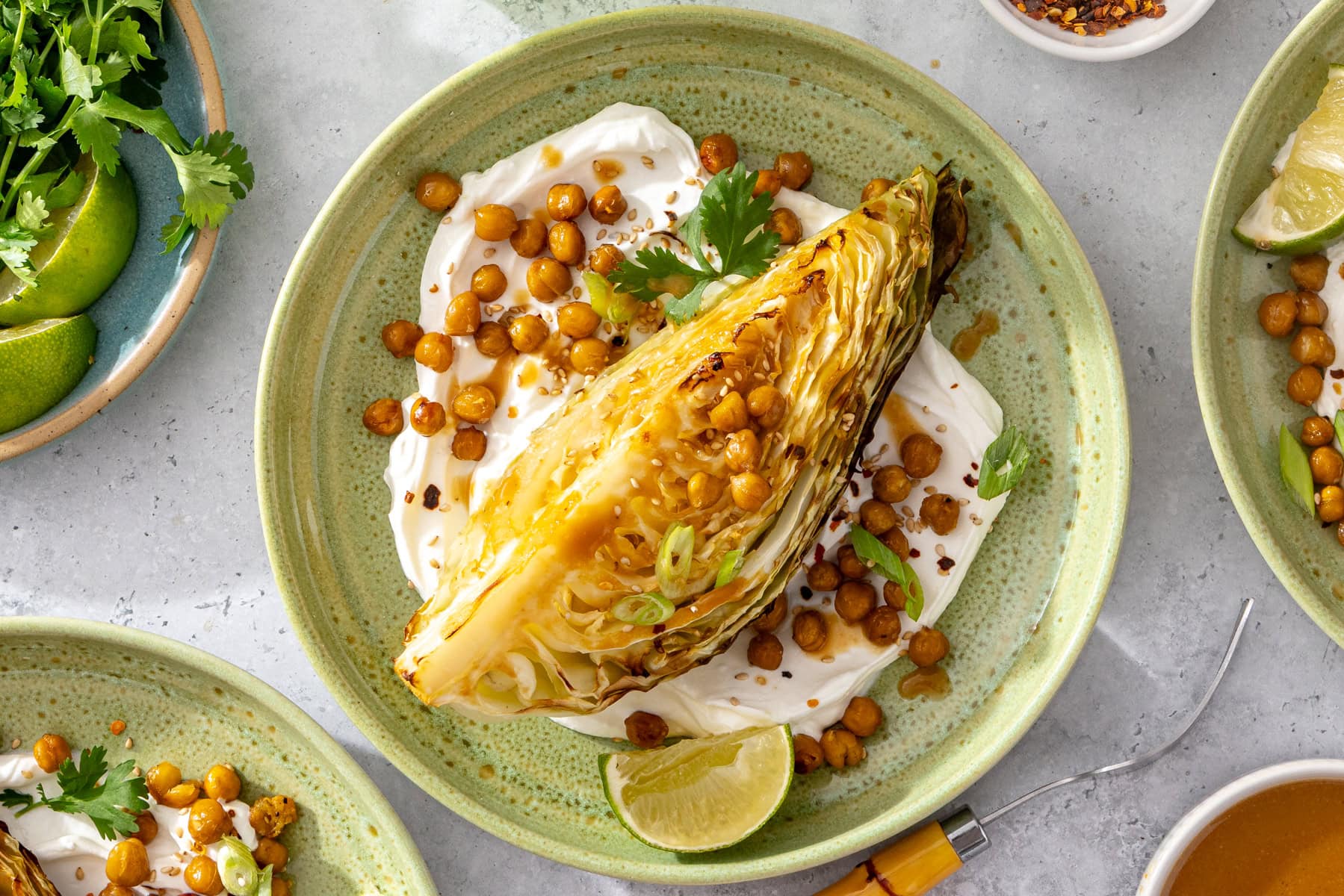
Achieving the optimal texture for a sheet-pan cabbage entrée requires a dedicated thermal timeline. Culinary testing indicates that thick cabbage wedges must roast for approximately 40 minutes at elevated oven temperatures. This extended cooking window allows the thermal energy to break down the tough cellular walls of the vegetable, transforming the interior into a meltingly tender consistency while developing a deeply golden, caramelized exterior.
If structural disparities arise on the sheet pan—such as smaller chickpea proteins finishing their dehydration process before the dense cabbage wedges reach peak tenderness—kitchen protocols recommend separating the ingredients temporarily. Moving the caramelized cabbage to a resting plate while allowing the chickpeas to achieve optimal crispness ensures that neither component is compromised. A final exposure to high broiler heat for one to two minutes adds aesthetic contrast through charring without overcooking the core.
Nutritional Profile and Dietary Accessibility
In an era where consumers actively seek nutrient-dense meals that minimize preparation time and cleanup, sheet-pan cooking has emerged as a dominant methodology. The combination of roasted cabbage, protein-rich chickpeas, and fermented dairy products like labneh offers a balanced nutritional framework suitable for various dietary requirements.
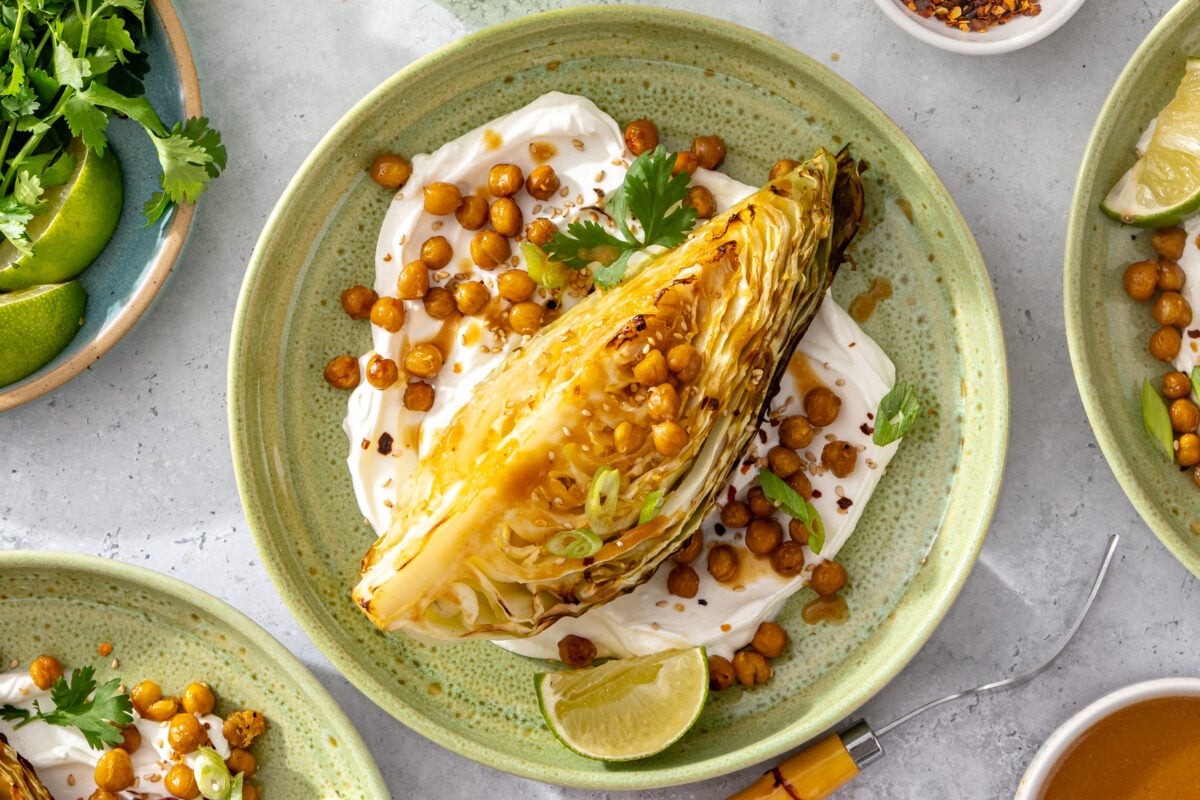
Standard nutritional analyses for a single serving of this plant-forward dish highlight its efficient macro-nutrient distribution:
- Calories: Approximately 169 kcal
- Carbohydrates: 9 grams
- Dietary Fiber: 1 gram
- Protein: 7 grams
- Total Fat: 12 grams (dominated by heart-healthy monounsaturated fats at 8 grams, with minimal saturated fat content at 2 grams)
- Sodium: 587 milligrams
The inclusion of chickpeas introduces plant-based amino acids and complex carbohydrates, while labneh—a strained yogurt originating from Middle Eastern cuisine—contributes probiotics, calcium, and creaminess without overwhelming the dish with heavy fats. Furthermore, the minimalist use of a single baking sheet streamlines the post-cooking cleanup process, a factor that market research consistently links to higher consumer adoption rates for homemade weeknight dinners.
Global Flavor Integration and Textural Contrast
The success of modern vegetarian entrees frequently hinges on the principle of sensory layering, a culinary technique that combines contrasting temperatures, textures, and flavor profiles within a single dish. The miso-roasted cabbage assembly relies heavily on this balance.
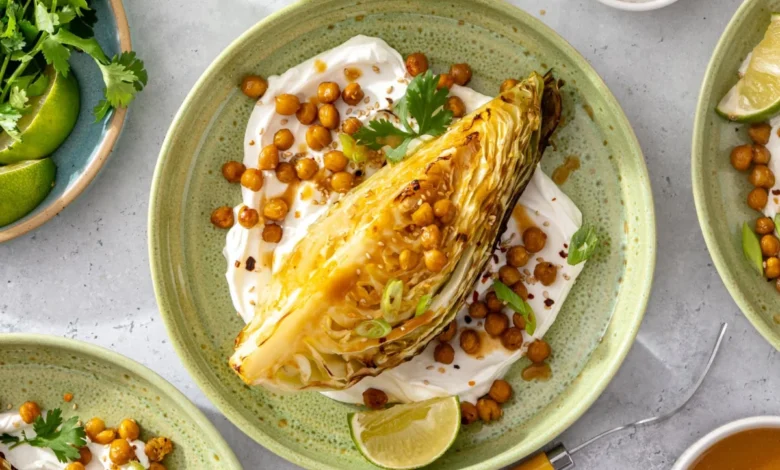
The foundation of the plate utilizes cool, tangy labneh spread across the base, providing a creamy thermal barrier to the warm, caramelized cabbage wedges. Crispy chickpeas deliver an essential element of physical crunch, while the miso glaze imparts a sophisticated savory, salty-sweet dimension rooted in Japanese culinary traditions. Finishing elements—such as toasted sesame seeds, chopped scallions, fresh cilantro, a dollop of chili crisp for heat, and a finishing squeeze of fresh lime juice—allow home cooks to customize their dining experience according to personal preference.
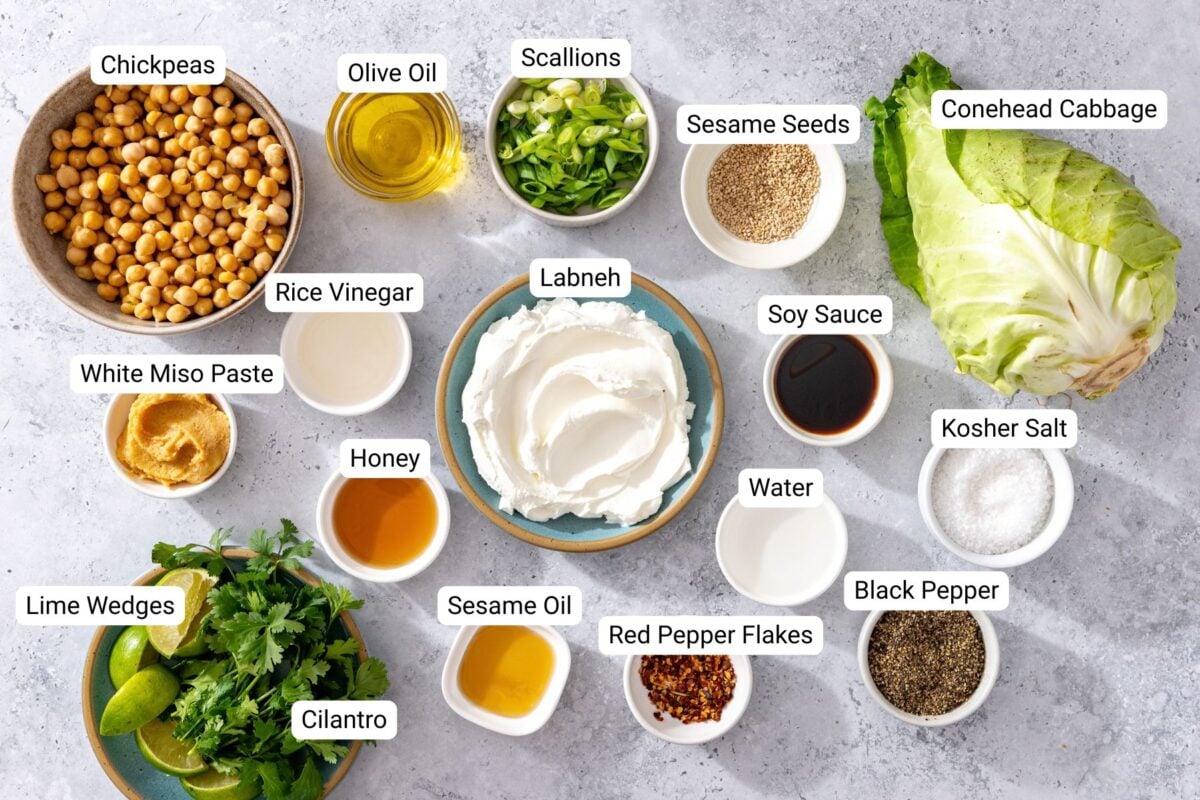
This modular approach to plating reflects broader trends in contemporary home economics, where recipes are designed to be adaptable rather than rigid. By empowering home cooks to modify finishing touches based on pantry availability, culinary creators foster higher rates of kitchen experimentation and reduce food waste.
Broader Implications for Sustainable Home Cooking
The mainstream adoption of specialty produce and global condiments reflects a shifting demographic in domestic kitchens. Consumers are increasingly willing to invest in high-quality, specialty seeds and artisanal ingredients—such as fermented soybean pastes and strained yogurts—to recreate restaurant-quality experiences at home.
Public health advocates and culinary educators emphasize that encouraging vegetable-centric meals is a vital step toward improving dietary habits across families. By transforming vegetables from peripheral side dishes into the undisputed main event, home cooks can naturally increase their intake of dietary fiber, vitamins, and minerals without relying on heavily processed meat alternatives.
As agricultural innovators continue to develop flavorful produce varieties and home kitchens embrace efficient cooking techniques like sheet-pan roasting, the boundary between everyday weeknight cooking and gourmet gastronomy continues to narrow. The enduring popularity of dishes featuring caramelized cabbage and crispy legumes signals a permanent shift toward resourceful, flavorful, and health-conscious home dining.