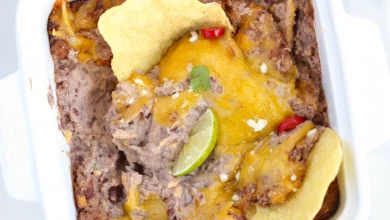
The Rise of the Air Fryer Quesadilla as a Culinary Staple in Modern Home Cooking

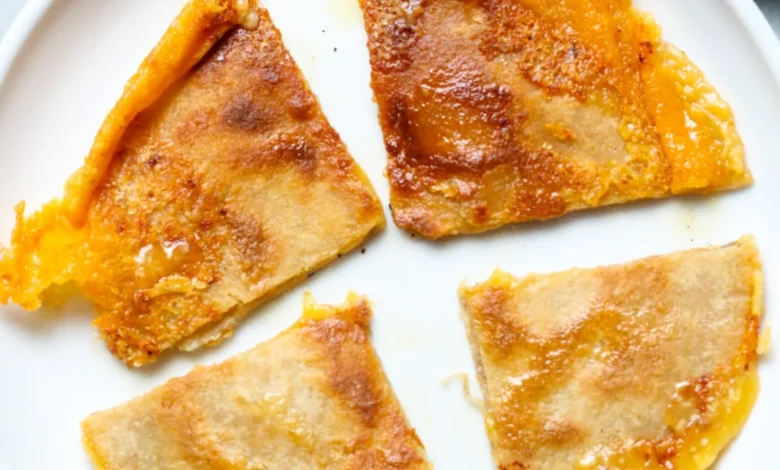
The rapid evolution of domestic kitchen technology has fundamentally altered how households approach meal preparation, with the air fryer emerging as the centerpiece of this shift. Among the most popular applications for this appliance is the air fryer quesadilla, a dish that has transitioned from a simple snack to a hallmark of efficient, time-conscious cooking. As consumer demand for "quick-prep" meals continues to climb in a post-pandemic landscape, culinary analysts note that the air fryer’s ability to replicate the Maillard reaction—the chemical process responsible for browning and crisping—without the need for traditional deep-frying has positioned it as a dominant tool in the modern kitchen.
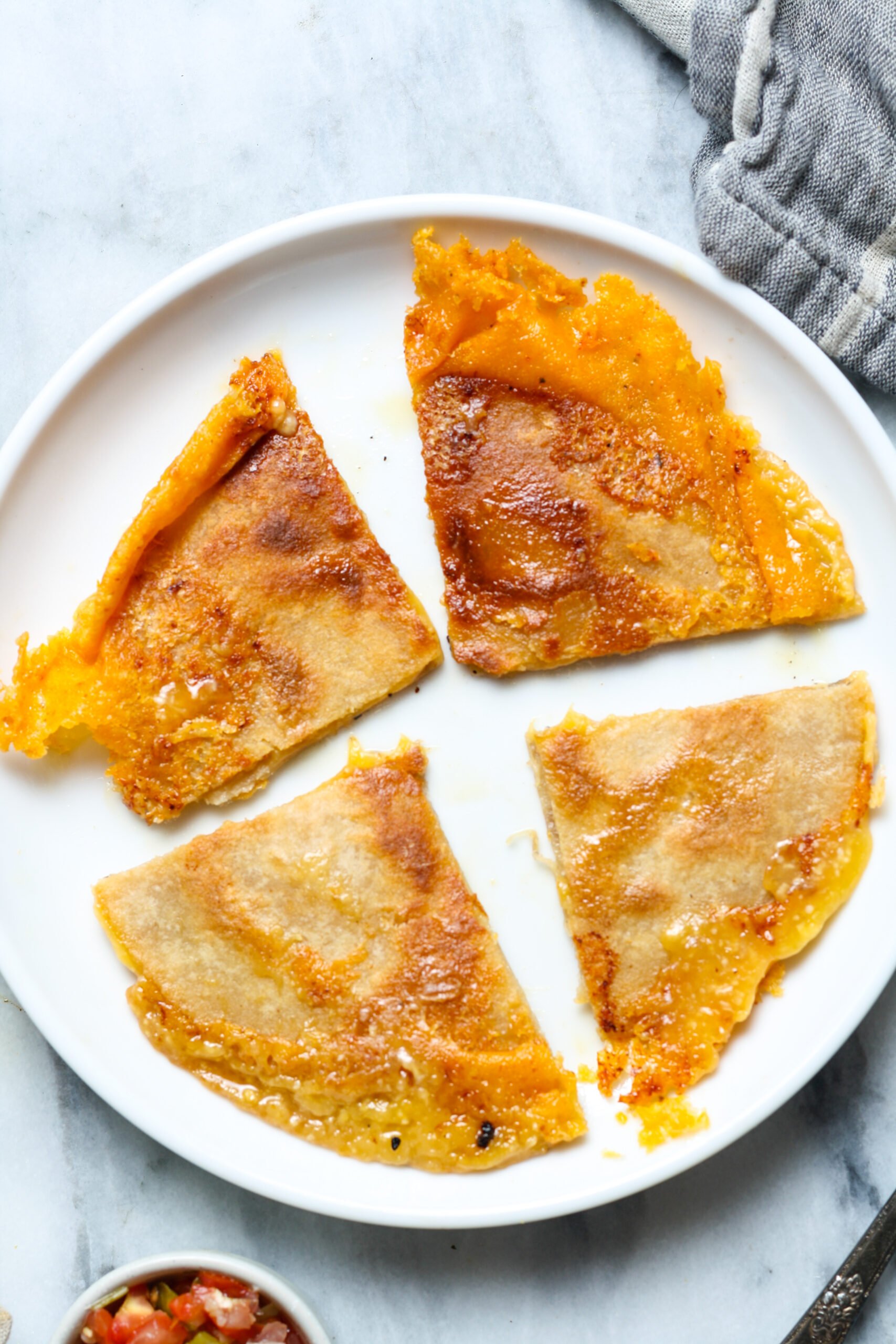
The historical context of the quesadilla dates back to colonial Mexico, where it originated as a simple corn tortilla filled with cheese and griddled on a comal. Over centuries, the dish underwent various regional adaptations, incorporating flour tortillas, meats, and diverse vegetable fillings. However, the 21st-century iteration, facilitated by rapid-air technology, marks a departure from traditional stovetop methods. Unlike the skillet method, which often requires a careful balancing of heat to ensure the tortilla crisps before the cheese burns, the air fryer utilizes a convection-based heating mechanism that surrounds the food with hot air, resulting in a uniform texture that has garnered widespread popularity among home cooks seeking consistent results.
Market data from 2024 suggests that sales of air fryers have seen a consistent year-over-year growth rate of approximately 10%, with user engagement metrics on recipe platforms indicating a 40% increase in searches for "air fryer snacks" over the last two fiscal quarters. This surge is attributed to the device’s versatility and its perceived health benefits, as it significantly reduces the amount of oil required to achieve the desired "crunch" factor compared to traditional pan-frying or deep-frying techniques.

The procedural shift in preparing this dish reflects a broader trend toward simplified, high-output cooking. In a standard kitchen environment, the preparation of an air fryer quesadilla follows a specific, optimized timeline:
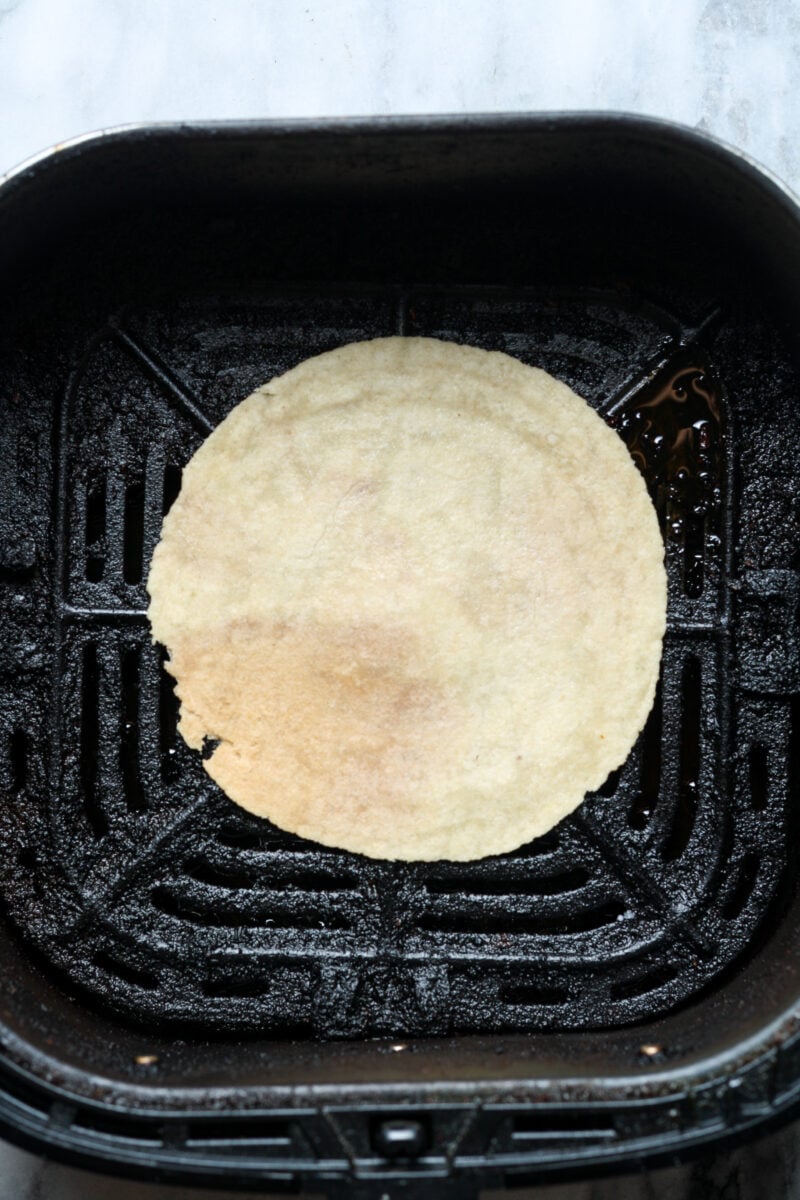
- Preparation (0–2 minutes): Selection of tortillas—ideally whole wheat or corn to maintain structural integrity—and the application of a light coating of oil, such as olive or avocado, to promote even heat distribution.
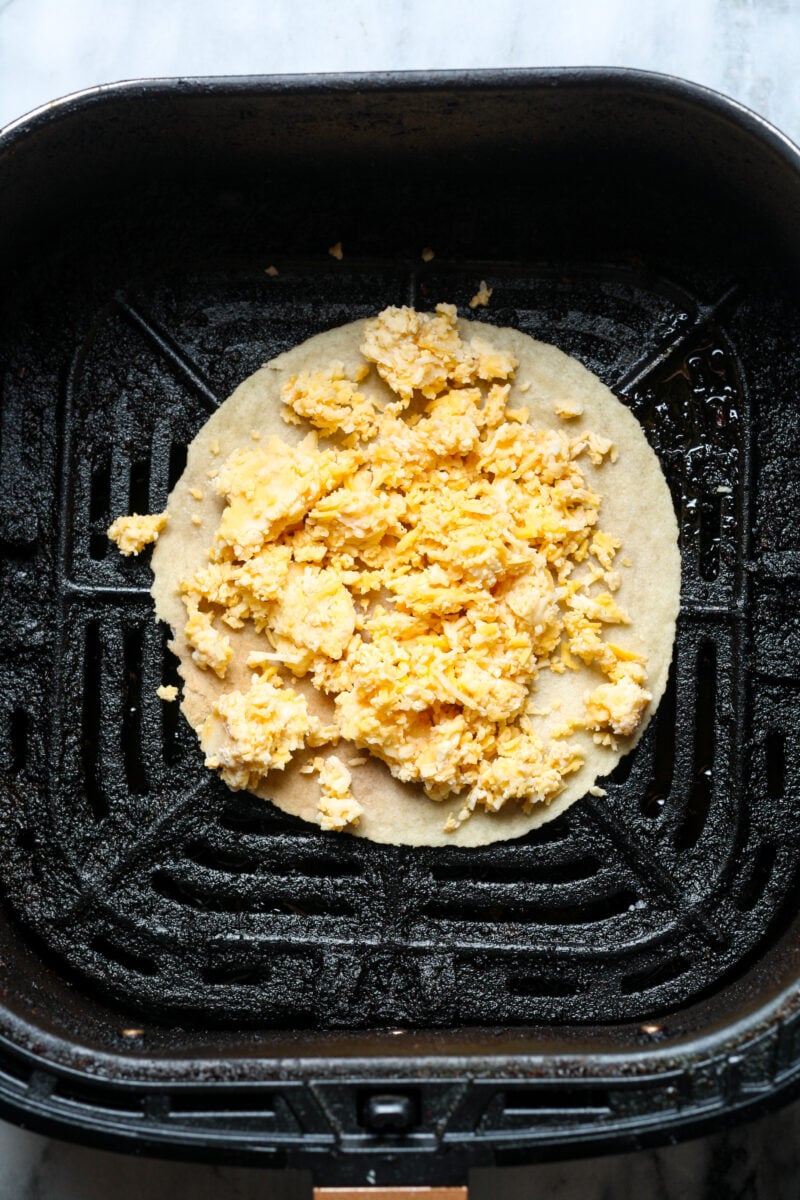
- Assembly (2–3 minutes): The layering of shredded cheeses, such as mozzarella or a Mexican blend, which provide the necessary elasticity and melt profile.
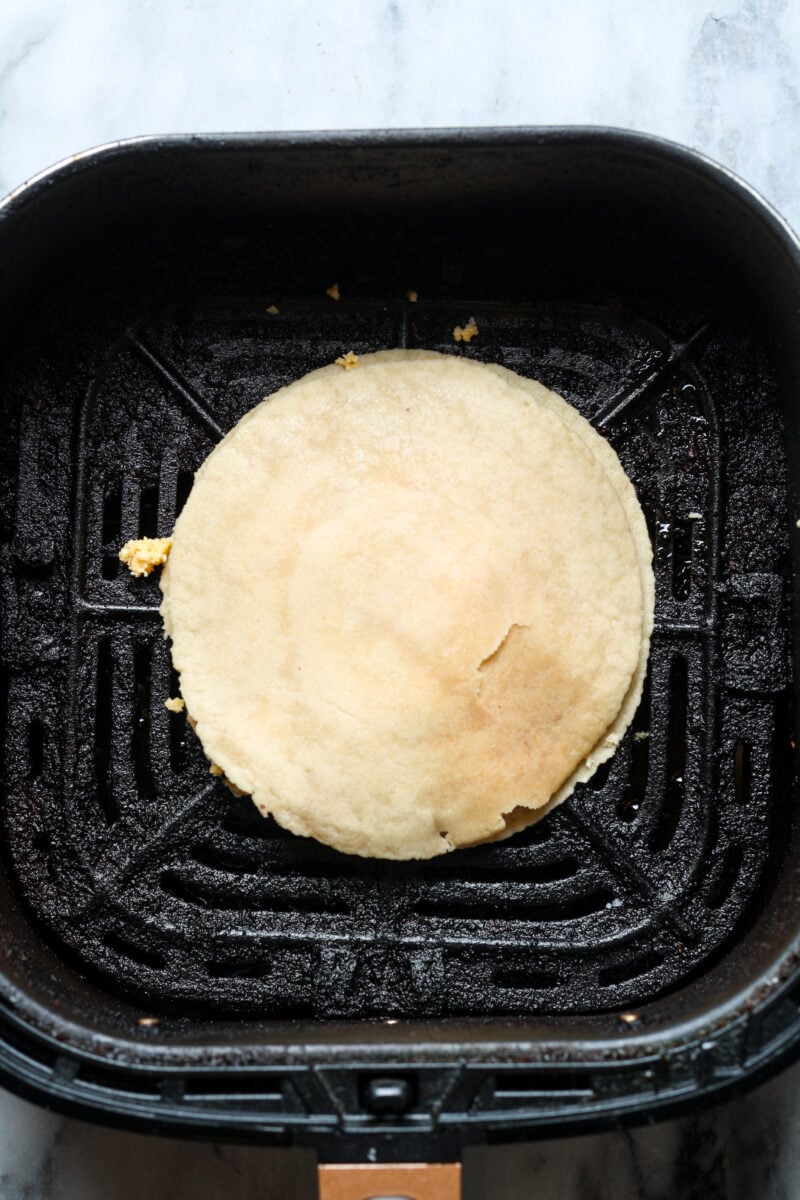
- Thermal Processing (3–8 minutes): The air frying cycle at 400°F (204°C), which allows for the rapid transformation of the tortilla into a golden, crisp shell while ensuring the interior cheese reaches its optimal melting point.
- Finishing (8–10 minutes): A brief resting period to allow for the stabilization of the cheese before slicing.
Industry experts and home economists have analyzed the rise of this cooking method, noting that it aligns with a growing consumer preference for "short-duration" dinner solutions. According to a recent report by the National Kitchen and Bath Association, time-saving appliances are the primary drivers of kitchen renovations in 2025. The air fryer fits this requirement by eliminating the "pre-heat" time associated with traditional ovens, which typically take 10 to 15 minutes to reach working temperature.
Professional chefs have also weighed in on the technique, noting that the controlled environment of an air fryer allows for experimentation with complex flavor profiles that were previously difficult to achieve without specialized equipment. By adding proteins—such as shredded chicken, seasoned black beans, or chorizo—the dish evolves from a singular snack into a nutritionally dense meal. The capacity for the appliance to maintain a consistent temperature, even with dense fillings, ensures that the interior components are heated throughout, mitigating the common issue of cold-centered quesadillas.
The broader implications of this culinary shift are significant. As households shift away from processed, ready-to-eat meals toward semi-homemade options, the role of the air fryer becomes increasingly central. The ability to "refresh" leftovers is another notable advantage; a quesadilla made in an air fryer is notably easier to store and reheat than one prepared on a stovetop, as the convection heat restores the initial crispness of the tortilla without the sogginess often induced by microwave reheating.
Furthermore, nutritionists have highlighted the importance of ingredient selection when utilizing this method. The shift toward whole-grain tortillas and high-quality, grass-fed cheese options has allowed the air fryer quesadilla to be repositioned as a balanced meal. When paired with fresh salsas, guacamole, or Greek yogurt—a popular substitute for sour cream—the nutritional profile of the dish is significantly enhanced, providing a source of protein, fiber, and healthy fats that fit within a variety of dietary frameworks.
Safety and maintenance are also key considerations in the widespread adoption of this cooking style. Modern air fryers feature non-stick baskets that simplify cleanup, a factor that cannot be overstated in the context of busy professional lives. The environmental impact of these devices is also under investigation; because they are more energy-efficient than standard electric or gas ovens, they contribute to a reduction in household carbon footprints, provided the appliance is used efficiently.
As the market for air fryer accessories continues to expand, including specialized racks and liners, the longevity of the air fryer as a staple appliance seems assured. Future iterations of the device may include integrated smart-sensor technology, which could automatically adjust the cooking time based on the moisture content of the tortillas and the density of the cheese, further perfecting the "ideal" quesadilla.
In conclusion, the air fryer quesadilla represents the intersection of convenience, technology, and traditional culinary satisfaction. It provides a blueprint for the modern kitchen: efficient, adaptable, and consistently reliable. As consumers continue to navigate the demands of contemporary life, the reliance on such tools will likely deepen, cementing the status of the air fryer as an essential instrument in the modern home. Whether used for a rapid lunch, an after-school snack, or a base for a gourmet-inspired dinner, the air fryer quesadilla stands as a testament to how technology can enhance—rather than diminish—the quality of our daily meals. By understanding the underlying mechanics of heat transfer and the importance of ingredient quality, the modern home cook is well-equipped to master this simple yet highly effective dish.