Healthy Turkey Chili: A Nutritional and Culinary Analysis of a Modern Comfort Food

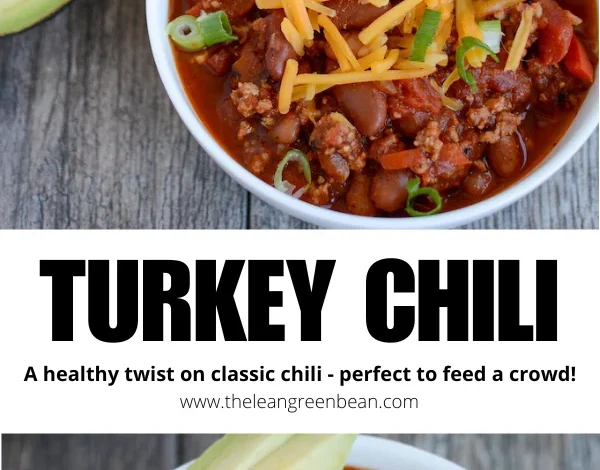
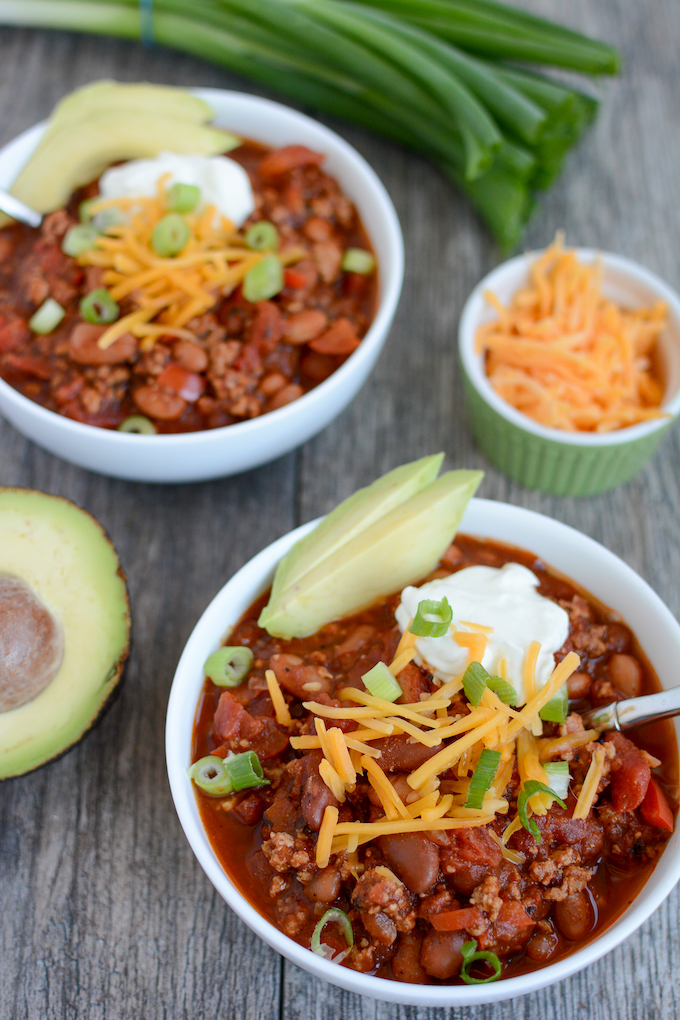
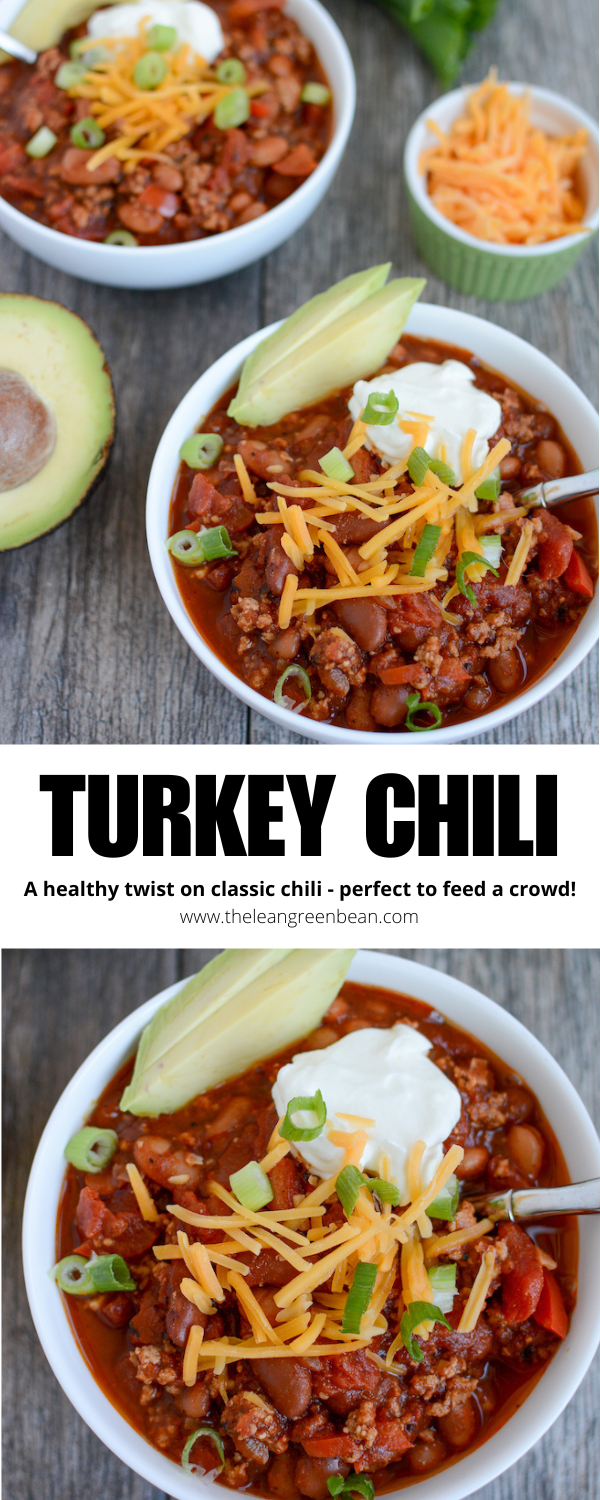
The transition into the autumn season traditionally marks a shift in dietary preferences, as households increasingly pivot toward hearty, nutrient-dense, and time-efficient meal solutions. Among these, turkey chili has emerged as a significant focal point in contemporary culinary discussions, representing a convergence of traditional comfort food and modern health-conscious modifications. By replacing conventional ground beef with lean ground turkey, home cooks and professional chefs alike have created a dish that maintains the textural profile of the original recipe while offering a more favorable lipid profile. This shift is part of a broader consumer trend favoring high-protein, low-saturated-fat alternatives that do not sacrifice the sensory experience of a classic slow-cooked meal.
The Evolution of Chili and Protein Substitutions
The origins of chili con carne—a dish historically rooted in the American Southwest—are debated, though most culinary historians trace its proliferation to the mid-19th century. Traditionally, the dish relied on inexpensive cuts of beef, seasoned with chili peppers, garlic, and onions. As the culinary landscape has evolved, so too has the composition of the dish.
The introduction of ground turkey as a primary protein source represents a significant shift in the nutritional profile of the meal. According to data from the United States Department of Agriculture (USDA), a standard serving of lean ground turkey typically contains roughly 20% fewer calories and significantly lower levels of saturated fat compared to an equivalent portion of 80/20 ground beef. This transition has been bolstered by medical professionals, including Registered Dietitians, who advocate for heart-healthy dietary patterns that limit high-intake saturated fats while maintaining robust protein consumption, which is essential for muscle maintenance and satiety.
Nutritional Implications and Dietary Analysis
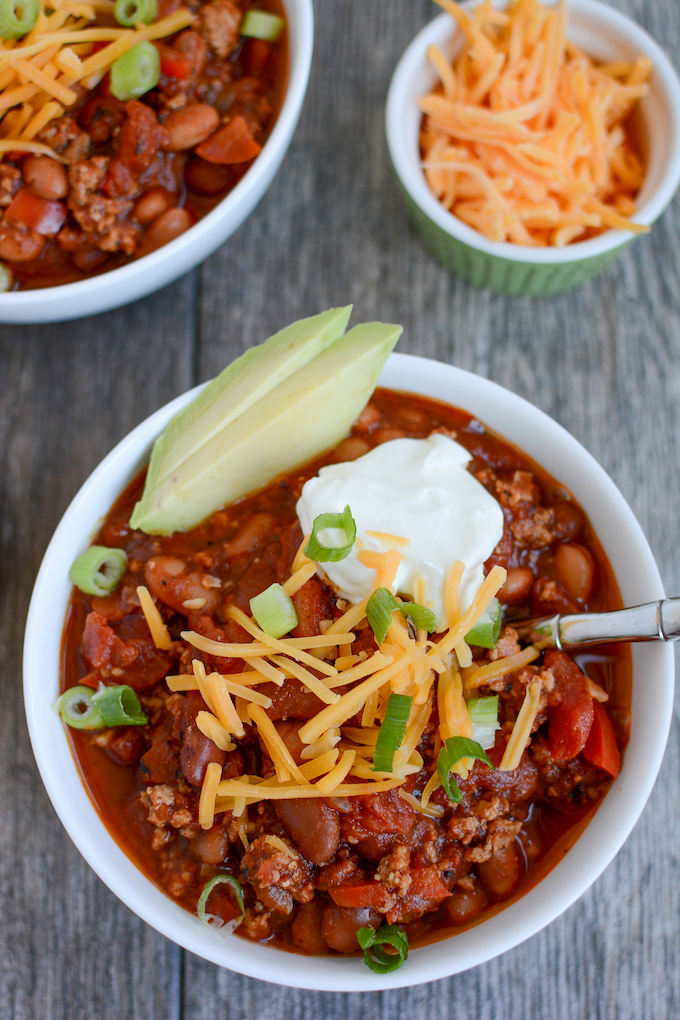
A typical, well-balanced serving of turkey chili provides approximately 25 to 30 grams of protein, a figure that satisfies a substantial portion of the daily recommended intake for an average adult. Furthermore, the inclusion of legumes—most commonly kidney, black, or pinto beans—introduces a high-fiber component often absent in meat-centric diets. Dietary guidelines from the American Heart Association emphasize the importance of fiber in regulating blood glucose levels and supporting digestive health.
From a biochemical perspective, the mild flavor profile of ground turkey allows for the complex integration of capsaicin from chili peppers and aromatic compounds from spices like cumin, smoked paprika, and oregano. Unlike beef, which possesses a strong inherent flavor that dominates the palate, turkey acts as a neutral canvas. This allows the structural integrity of the dish to be built entirely upon the flavor profile of the spices and the acidity of the tomato base, leading to a more nuanced final product.

Culinary Methodology: Efficiency and Preparation Trends
The preparation of turkey chili has become increasingly versatile due to the proliferation of modern kitchen technology. The adoption of slow cookers and multi-function pressure cookers, such as the Instant Pot, has reduced the barrier to entry for home meal preparation.
Chronologically, the preparation process has been streamlined. Traditional stovetop methods require approximately 45 to 60 minutes of active and passive cooking time. Conversely, modern pressure-cooking techniques allow for a "quick-release" methodology that achieves similar flavor development in roughly 15 to 20 minutes of pressurized time. This efficiency is a primary driver for the dish’s popularity among working professionals and families, as it addresses the need for "batch cooking" or meal prepping. By preparing large quantities that are freezer-safe, consumers can extend the utility of a single cooking session over several weeks, minimizing food waste and ensuring access to a home-cooked meal during high-demand periods.
Maintaining Quality in Lean Protein Dishes
One of the primary technical challenges reported by culinary enthusiasts when transitioning from beef to turkey is the potential for the protein to become dry or unpalatable. Because turkey is inherently leaner, it lacks the intramuscular fat (marbling) that keeps beef moist during extended heat exposure. To mitigate this, experts recommend several technical adjustments:
- Selection of Fat Ratio: While 99% lean turkey is available, many culinary experts suggest using a 93/7 or 85/15 ratio to ensure the meat retains sufficient moisture.
- Strategic Deglazing: When cooking in a pressure cooker, the process of deglazing the pot with a flavorful broth ensures that the "fond"—the browned, flavorful bits left at the bottom of the pan—is incorporated back into the liquid, adding depth and preventing the meat from tasting sterile.
- Sequential Ingredient Addition: Adding beans during the final stages of cooking, particularly when using softer varieties like pinto or navy beans, prevents the legumes from losing their structural integrity and becoming mushy, which improves the overall mouthfeel of the dish.
Broader Economic and Health Impact
The rise of turkey chili is not merely a matter of personal preference but reflects broader shifts in the food industry. As the cost of premium beef has fluctuated, turkey has remained a relatively stable and affordable protein source for families. Furthermore, the "chili culture"—centered on community potlucks, tailgates, and seasonal gatherings—has provided a venue for this "healthier" variant to become normalized.
Public health advocates suggest that if these trends continue, the cumulative effect on public health could be positive. By displacing saturated-fat-heavy dishes with nutrient-dense, fiber-rich alternatives, the average American diet could see a reduction in unnecessary caloric intake. This is especially relevant in the context of rising interest in "functional foods"—dishes that serve a purpose beyond mere hunger satisfaction, such as supporting cardiovascular health or providing sustainable energy.
Expert Perspectives and Community Adoption
Registered Dietitians and nutritionists often cite the versatility of turkey chili as a "gateway meal" for individuals looking to improve their dietary habits without feeling deprived. Unlike restrictive diets that eliminate entire food groups, this approach emphasizes substitution. By maintaining the familiar format of a "classic chili," the psychological barrier to dietary change is lowered.
Reaction from the broader culinary community has been largely supportive, with many top-tier cooking publications featuring turkey-based variations as seasonal staples. The focus has shifted from "low-fat" as a marketing gimmick to "nutrient-dense" as a culinary standard. This subtle shift in language mirrors a deeper understanding of nutrition science among the general population.
Future Outlook and Sustainability
As we look toward the future of home cooking, the emphasis on efficiency, nutritional transparency, and sustainability will likely continue to favor dishes like turkey chili. The ability to store the finished product in modular containers, such as specialized silicone freezer cubes or vacuum-sealed bags, suggests that the popularity of the dish will remain high.
Furthermore, the environmental impact of poultry production compared to cattle ranching is a factor that resonates with an increasingly environmentally conscious demographic. While the debate regarding the environmental footprint of various meats is complex, it is widely acknowledged that poultry typically requires fewer resources—such as water and land—per gram of protein produced compared to beef. Consequently, turkey chili serves as a microcosm of the intersection between personal health and global sustainability, proving that the modernization of traditional recipes can provide benefits that extend well beyond the dining table.
In conclusion, the movement toward turkey chili is a testament to the adaptability of traditional recipes. It represents a refined approach to home cooking, where flavor, convenience, and nutritional integrity are given equal weight. Whether prepared in a traditional pot on the stove or via the latest automated kitchen technology, this dish continues to offer a reliable, scalable, and heart-healthy solution for the modern household.