The Easiest Method for Making Mini Pizzas as a Quick Kids Lunch, Snack, or Dinner

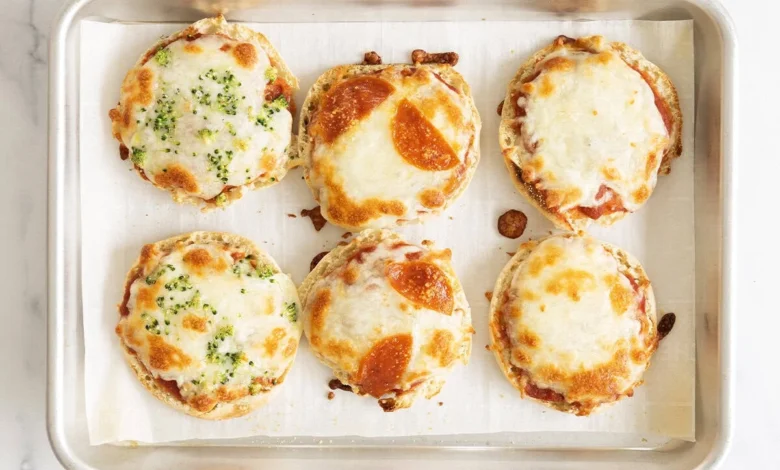
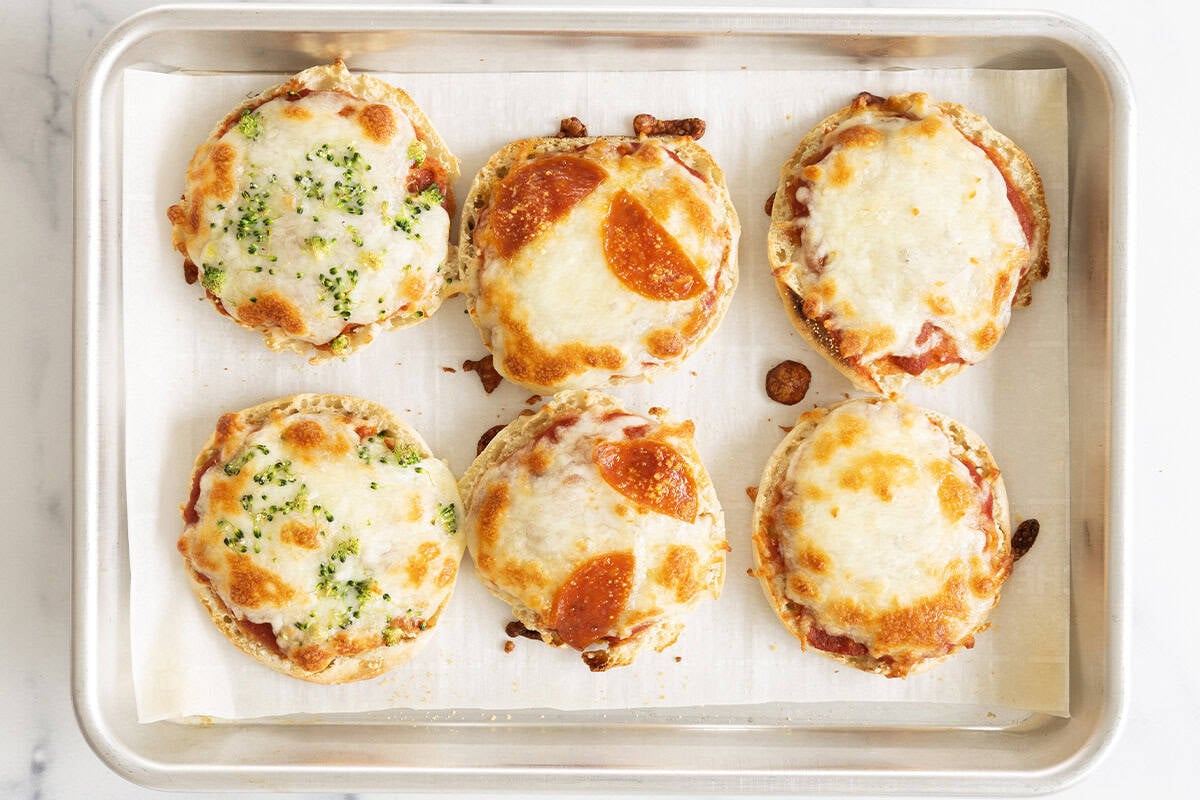
Mini pizzas offer a versatile and highly adaptable culinary solution for parents seeking quick, appealing, and nutritious meal options for children. This method emphasizes ease of preparation, allowing for advance assembly, customization to accommodate dietary restrictions, and the inclusion of preferred toppings, making it a standout choice for busy households. The inherent appeal of "mini" foods resonates strongly with younger palates, often increasing the likelihood of consumption and thereby reducing food waste. These bite-sized pizzas are equally suitable as a complete toddler dinner, a substantial after-school snack for particularly hungry children, or as a convenient toddler lunch idea, even for daycare. Their adaptability extends to serving as a delightful appetizer, akin to other popular pizza variations like Greek yogurt pizza dough, pizza pinwheels, and easy homemade pizza.
Why This Recipe Works: A Culinary Bridge to Kid-Friendly Meals
The success of this mini pizza recipe hinges on several key factors that align with the demands of modern family life. Primarily, the use of readily available crusts significantly streamlines the preparation process. This accessibility eliminates the need for complex dough-making, a common barrier for time-pressed parents. Furthermore, the focus on nutrient-rich toppings ensures that these enjoyable treats also contribute positively to a child’s dietary intake. The entire preparation and cooking process can be completed in approximately ten minutes, positioning these mini pizzas as an exceptionally achievable and kid-friendly meal option at any time of day. This efficiency is crucial for parents balancing multiple responsibilities, offering a reliable solution for mealtime challenges.
Ingredients: The Foundation of Flavor and Fun
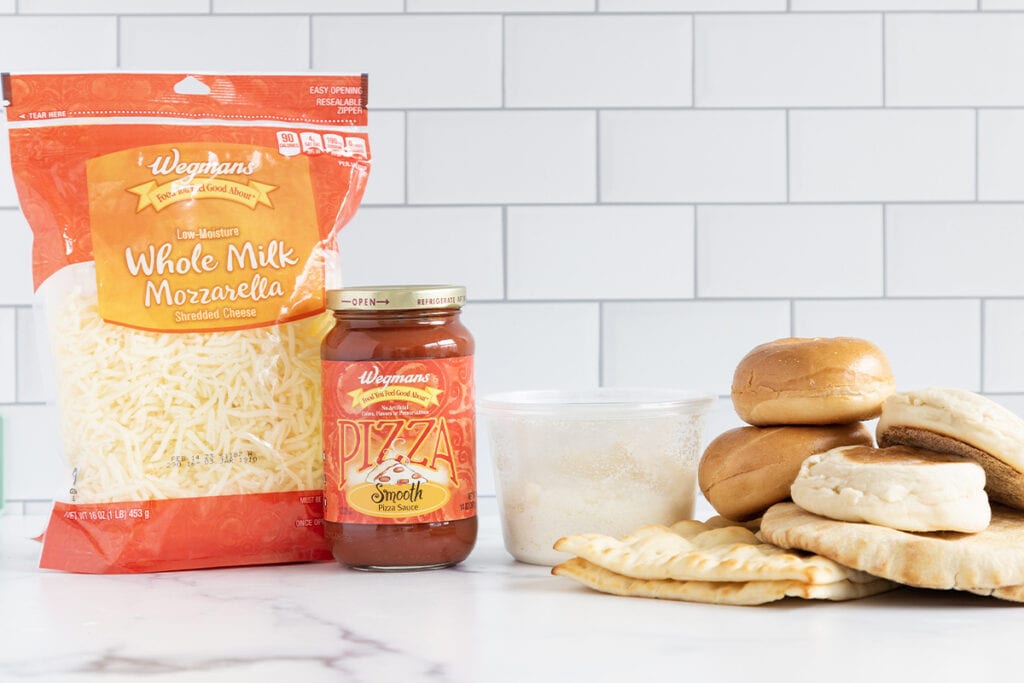
The following ingredients form the basis for creating these delightful mini pizzas, providing a clear inventory for planning and procurement:
- Crusts: The article suggests using pre-made crusts, such as mini naan bread, English muffins, or even sliced baguette rounds. The choice of crust can be tailored to the child’s preference and ease of consumption. For instance, mini naan offers a softer texture, while English muffins provide a slightly chewier base.
- Sauce: A good quality pizza sauce or marinara sauce is essential. The article also highlights the option of using an "extra-veggie Easy Marinara Sauce" for an added nutritional boost.
- Cheese: Shredded mozzarella is a classic choice, melting well and offering a familiar, comforting flavor. Other cheeses, such as cheddar or a blend, can also be incorporated.
- Toppings: This is where personalization truly shines. Common and popular options include:
- Pepperoni slices (cut into smaller pieces if necessary for very young children)
- Cooked and crumbled Italian sausage
- Diced ham
- Finely chopped cooked chicken or turkey
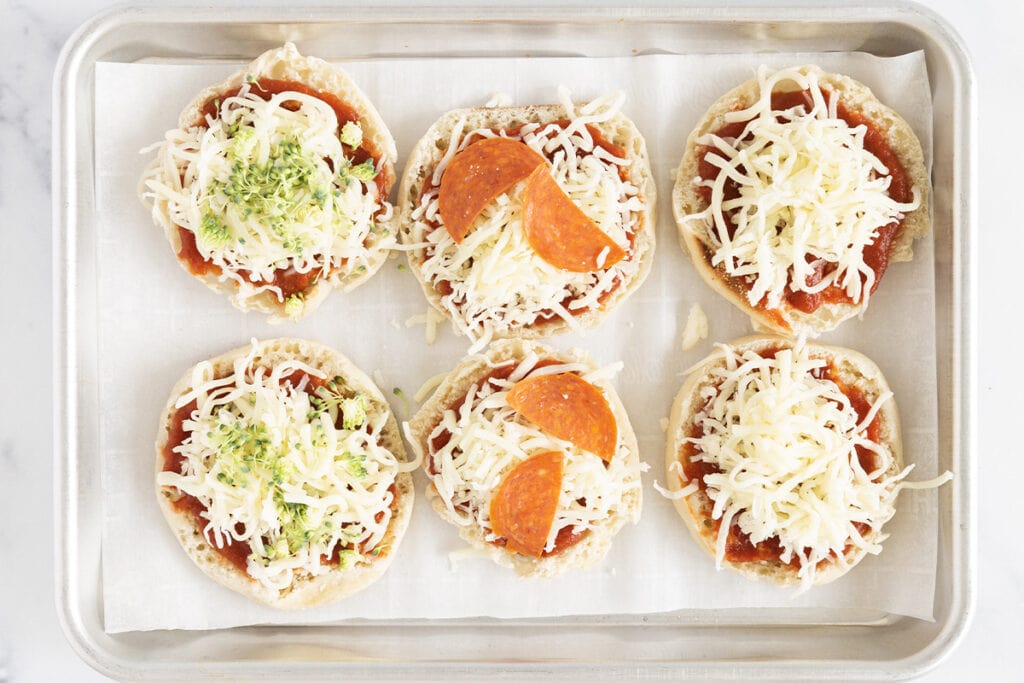
- A variety of vegetables, such as diced bell peppers, mushrooms, olives, or sweet corn. For optimal texture and flavor, vegetables should be finely diced or pre-cooked if they have a firmer texture.
- A sprinkle of dried herbs like oregano or basil can enhance the aroma and taste.
Nutritional Enhancement Strategies
The inherent flexibility of mini pizzas allows for significant nutritional enhancement, catering to both picky eaters and health-conscious parents. One effective strategy involves incorporating finely minced vegetables directly into the pizza sauce or layering them thinly on top. Options like pureed carrots, zucchini, or spinach can be subtly blended into the sauce, making them virtually undetectable to the child. For those who prefer visible vegetables, finely dicing bell peppers, mushrooms, or broccoli florets and pre-sautéing them to soften their texture can improve palatability.
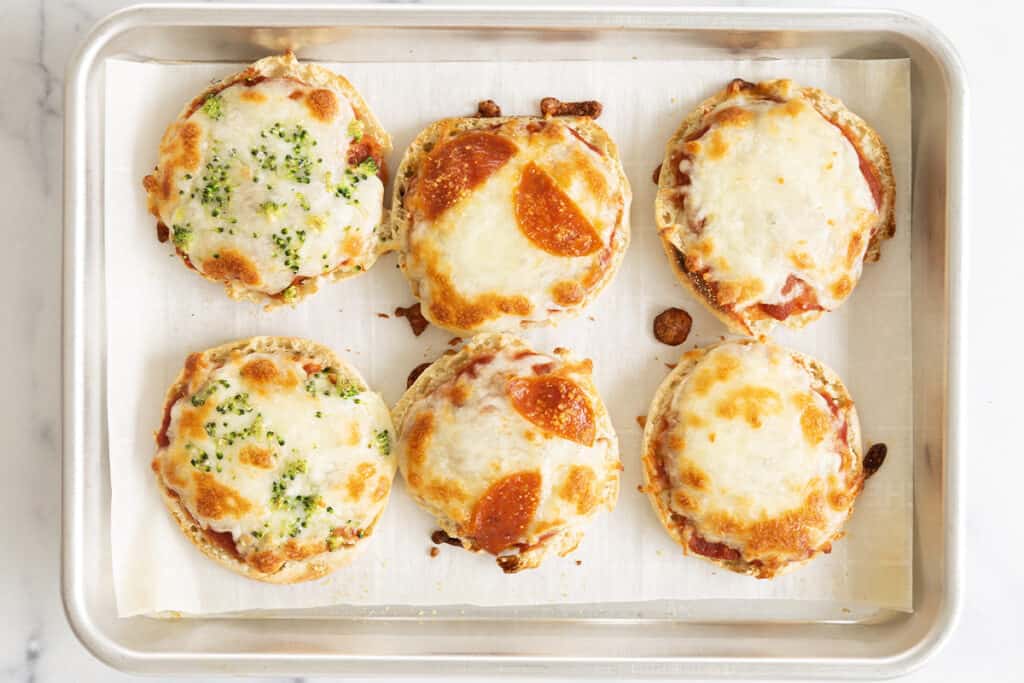
Protein can be easily added by including cooked lean ground beef, turkey, or chicken. These can be seasoned mildly and crumbled finely, ensuring they are easy to chew and digest. Alternatively, a robust protein base can be established by using the author’s "extra-veggie Easy Marinara Sauce," which is specifically designed to incorporate additional vegetables and nutrients. This sauce can serve as a foundation, providing a double dose of vegetable goodness in every bite.
Preparation: A Step-by-Step Guide to Mini Pizza Perfection
The process of creating these mini pizzas is designed for maximum efficiency and minimal fuss, making it an ideal activity for parents and children to engage in together.
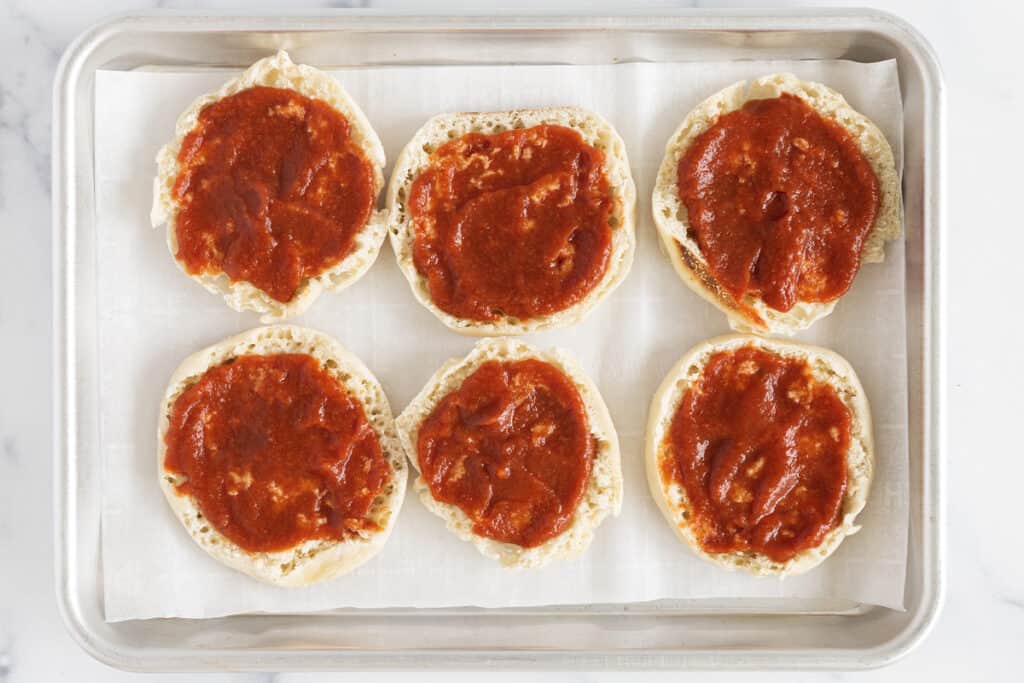
Step 1: The Saucy Foundation
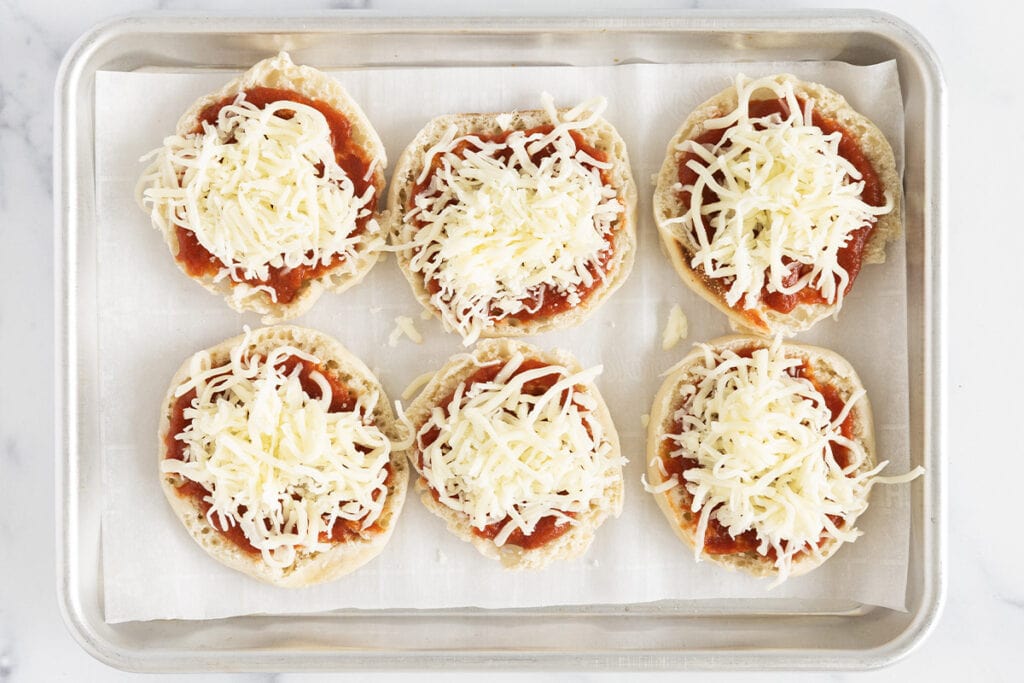
Begin by spreading a thin, even layer of your chosen pizza or marinara sauce onto each crust. It is important not to over-sauce, as this can lead to a soggy crust and prevent toppings from adhering properly. The goal is to provide a flavorful base that complements the other ingredients.
Step 2: The Cheesy Embrace and Topping Delight
Generously sprinkle shredded cheese over the sauce. The type and amount of cheese can be adjusted to personal preference. Following the cheese, artfully arrange the desired toppings. For younger children, consider cutting toppings into small, manageable pieces to facilitate easier eating and prevent choking hazards. This stage offers a creative opportunity for children to personalize their pizzas, fostering a sense of ownership over their meal.
Step 3: The Transformation Through Heat
The assembled mini pizzas are then subjected to heat to achieve a perfectly cooked state. Two primary methods are recommended: baking and air frying.
- Baking: Place the mini pizzas on a parchment-lined baking sheet. Bake in a preheated oven at 375°F (190°C) for approximately 8-12 minutes, or until the crust is lightly crisp and the cheese is melted and golden brown. The exact baking time will depend on the type of crust used and the thickness of the toppings.
- Air Frying: For a quicker cooking time and an extra-crispy crust, air frying is an excellent option. Place the mini pizzas in the air fryer basket, ensuring not to overcrowd it, and cook at 375°F (190°C) for about 5-7 minutes, or until golden and bubbly.
Step 4: The Cooling and Serving Ritual
Once cooked, remove the mini pizzas from the oven or air fryer and allow them to cool for a few minutes. This is crucial to prevent burns and allows the cheese to set slightly. For easier consumption, especially for younger children, slice the mini pizzas into strips, wedges, or small, bite-sized pieces. This presentation can further enhance their appeal and manageability for little hands.
Mini Pizza FAQs: Addressing Common Concerns
What is the easiest pizza crust for a toddler to chew?
The article recommends using mini naan bread or English muffins as particularly tender and easy-to-chew crust options for toddlers. To further enhance their chewability, these crusts can be cut into finger-sized pieces or small, bite-sized portions. This modification ensures that even toddlers with developing chewing skills can comfortably enjoy their mini pizzas.
How can I add nutrition to mini pizzas?
Beyond the base ingredients, several methods can boost the nutritional content of mini pizzas. As previously mentioned, finely minced or pureed vegetables can be incorporated into the sauce. Adding cooked lean ground beef, turkey, or chicken provides essential protein. Utilizing a pre-made "extra-veggie Easy Marinara Sauce" offers a convenient way to embed more vegetables and nutrients. Another approach involves topping the pizzas with a diverse array of finely chopped vegetables, such as spinach, bell peppers, or mushrooms, ensuring they are cooked to a tender consistency.
What’s the best way to make these mini pizzas ahead and reheat them?
The versatility of mini pizzas extends to their make-ahead potential, offering significant convenience for meal planning.
- Refrigeration: Once fully cooled after preparation, mini pizzas can be stored in an airtight container in the refrigerator for up to five days. This allows for quick grab-and-go meals or snacks throughout the week.
- Freezing: For longer storage, place the cooled mini pizzas into a freezer-safe bag, ensuring as much air as possible is removed before sealing. They can be frozen for up to six months.
- Reheating: To reheat leftover mini pizzas, whether from the refrigerator or freezer, place them on a parchment-lined baking sheet. Heat in a preheated oven at 375°F (190°C) for approximately 3-4 minutes from the refrigerator, or slightly longer if reheating directly from frozen, until warmed through and the cheese is bubbly. Reheating in an oven or toaster oven is generally preferred over a microwave, as it helps maintain the crispness of the crust.
Best Tips for Success: Elevating the Mini Pizza Experience
- Involve the Kids: Allow children to participate in the topping selection and arrangement process. This hands-on involvement can significantly increase their enthusiasm for eating their creations.
- Pre-Cook Toppings: For harder vegetables like broccoli or carrots, a quick steam or sauté beforehand will ensure they are tender enough for little mouths.
- Portion Control: The "mini" aspect naturally lends itself to portion control, making it easier for children to manage their intake.
- Variety is Key: Rotate the types of crusts, sauces, and toppings used to keep mealtime exciting and expose children to a wider range of flavors and textures.
- Presentation Matters: Cutting the pizzas into fun shapes or arranging toppings in playful patterns can further enhance their appeal.
Broader Implications and Culinary Context
The rise of "mini" or "bite-sized" food options for children is not merely a trend but a reflection of evolving dietary needs and parental strategies. In a landscape where childhood obesity remains a significant public health concern, offering smaller, portion-controlled versions of popular foods can help manage calorie intake. Furthermore, the emphasis on customization caters to the growing awareness of food allergies and dietary sensitivities, empowering parents to create safe and inclusive meals.
The ease of preparation associated with recipes like these mini pizzas also speaks to the broader societal shift towards convenience in food preparation. With dual-income households becoming more prevalent and schedules becoming increasingly demanding, time-saving culinary solutions are highly sought after. This recipe, utilizing pre-made components and a rapid cooking time, directly addresses this need, providing a practical answer for parents seeking to offer home-cooked meals without an extensive time commitment.
The article’s mention of related pizza variations—Greek Yogurt Pizza Dough, Pizza Pinwheels, and Easy Homemade Pizza—suggests a comprehensive approach to pizza-making for families. This indicates a culinary philosophy that values both creativity and practicality, offering a spectrum of options from scratch-made doughs to quick assembly recipes. The common thread is the adaptation of a universally loved dish to suit the specific needs and preferences of young eaters.
The nutritional information provided (Serving: 2 pizza halves, Calories: 259kcal, Carbohydrates: 31g, Protein: 13g, Fat: 9g, etc.) offers valuable data for parents looking to track their children’s dietary intake. This transparency allows for informed meal planning and helps ensure a balanced nutritional profile across daily meals.
In conclusion, the described method for creating mini pizzas stands out as an exceptionally practical and adaptable solution for family mealtimes. Its emphasis on simplicity, customization, and nutritional enhancement makes it an invaluable tool for parents navigating the complexities of feeding young children. The inherent fun factor, combined with the ease of preparation and the potential for advance assembly, solidifies its position as a go-to recipe for lunches, snacks, and dinners.
Related posts: