Eggless Banana Muffins: A Versatile Solution for Modern Dietary Needs and Household Kitchen Constraints

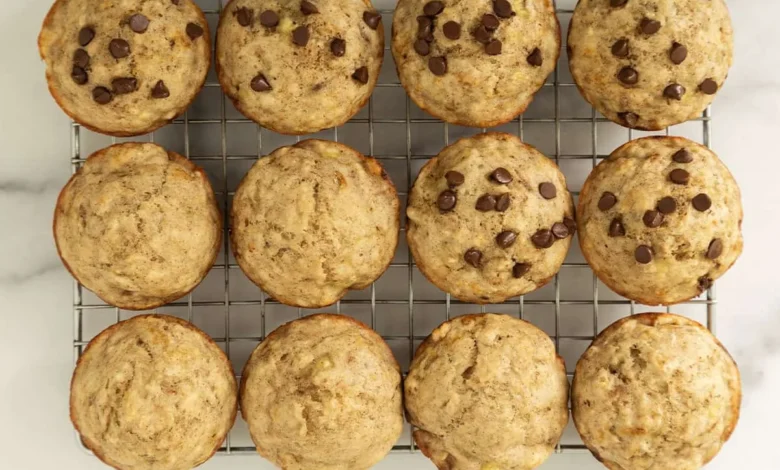
The rise in food sensitivity awareness, particularly regarding egg allergies, has prompted a significant shift in home baking practices. As pediatric nutritionists and culinary experts seek to balance convenience with dietary inclusivity, the development of reliable, egg-free recipes has become a priority for families worldwide. The Eggless Banana Muffin, a staple now widely adopted in both domestic kitchens and educational facilities, serves as a primary example of how standard baking chemistry can be successfully adapted to meet diverse nutritional requirements without sacrificing texture or flavor.
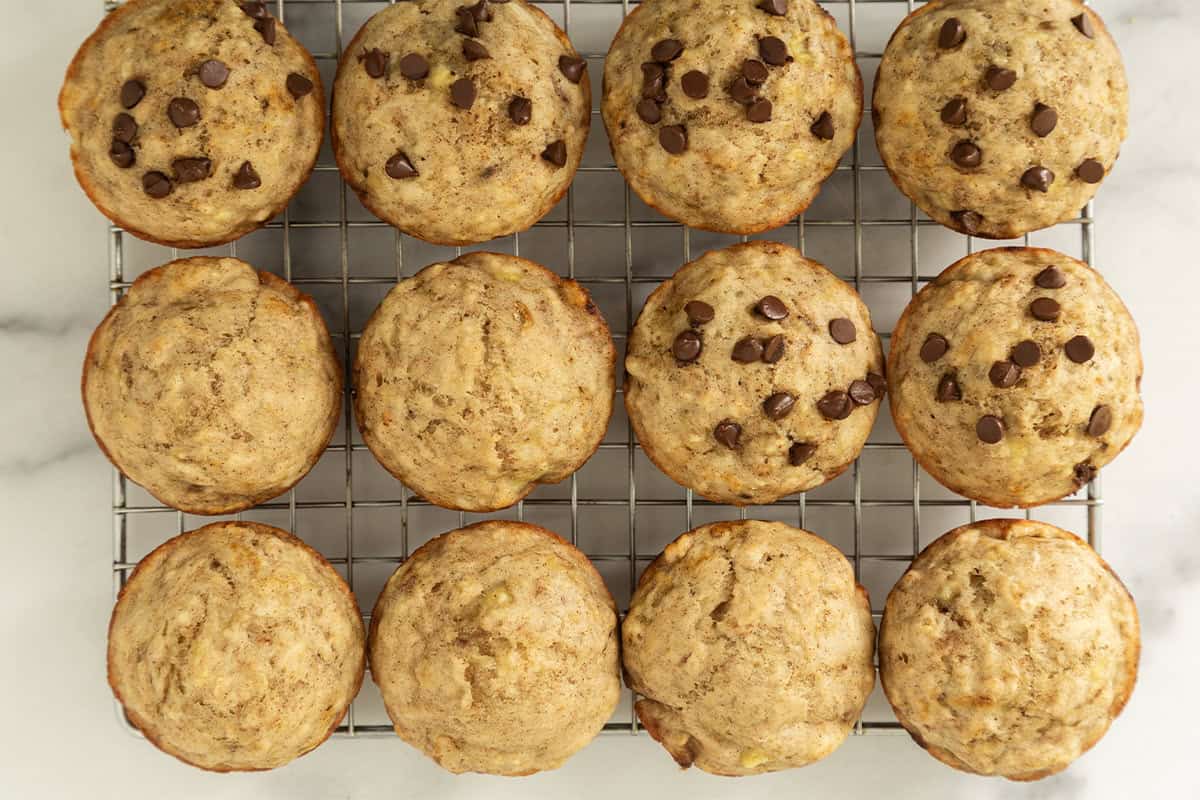
The Evolution of Egg-Free Baking
Historically, eggs have served as the primary structural, leavening, and emulsifying agents in quick breads and muffins. They provide the protein necessary to set the crumb structure and the fat content required for moisture. However, recent data from the Centers for Disease Control and Prevention (CDC) and various allergy advocacy groups indicate that egg allergies remain among the most common food sensitivities in children. This prevalence has driven a surge in demand for recipes that utilize alternative binding agents.
The transition toward eggless baking is not merely a matter of allergy management; it is also a response to supply chain volatility. In recent years, fluctuations in global egg prices—driven by avian influenza outbreaks and increased feed costs—have made eggs an expensive commodity. Consequently, families are increasingly looking for "pantry-staple" recipes that rely on shelf-stable or readily available ingredients like yogurt, overripe bananas, and common leavening agents such as baking soda and powder.
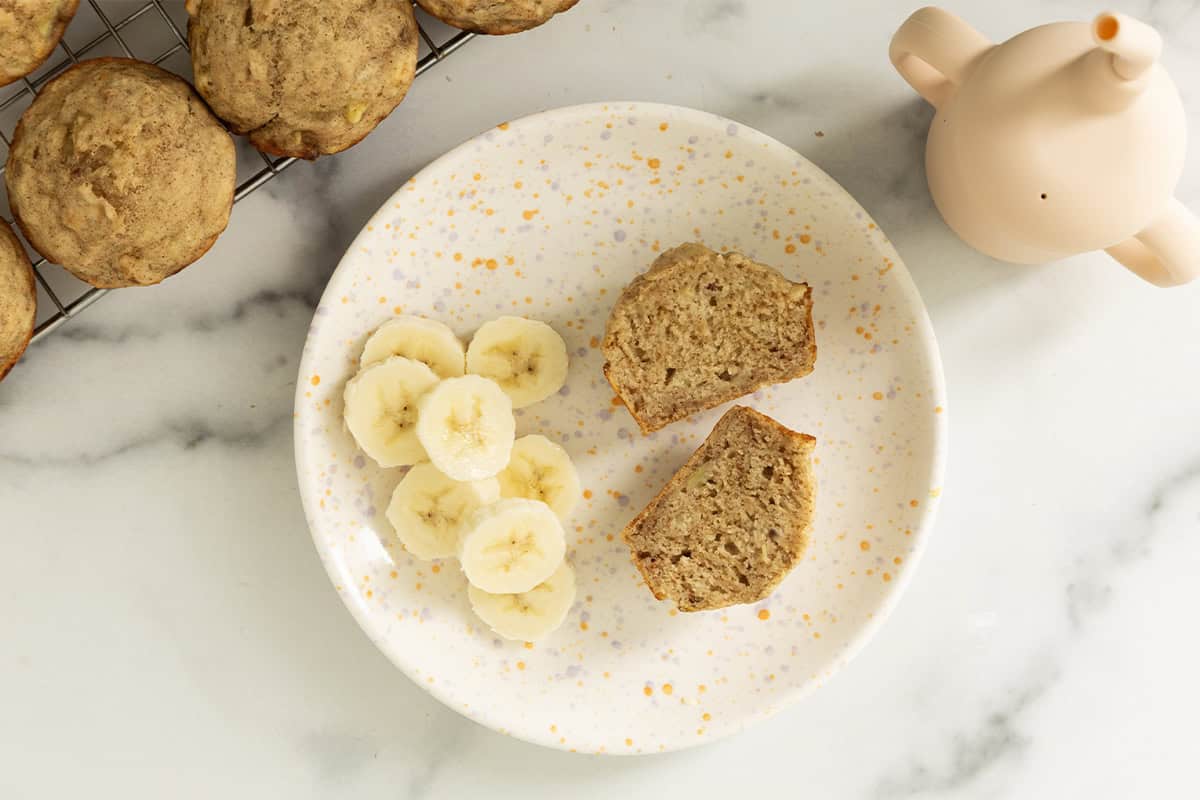
The Science of the Eggless Crumb
In this specific application, the banana acts as a multi-functional ingredient. Beyond providing the distinct flavor profile, the high pectin and starch content in mashed, overripe bananas mimic the binding properties of egg proteins. When combined with a dairy or plant-based yogurt, the acidity reacts with the leavening agents—baking soda and baking powder—to create a light, airy, and fluffy texture.
From a nutritional standpoint, this modification often results in a lower-cholesterol product. Standard muffins utilizing large eggs typically contain approximately 180-200 milligrams of cholesterol per serving. By removing the egg, the cholesterol content is significantly reduced, aligning with broader dietary guidelines that emphasize plant-forward and low-cholesterol snack options for growing children.
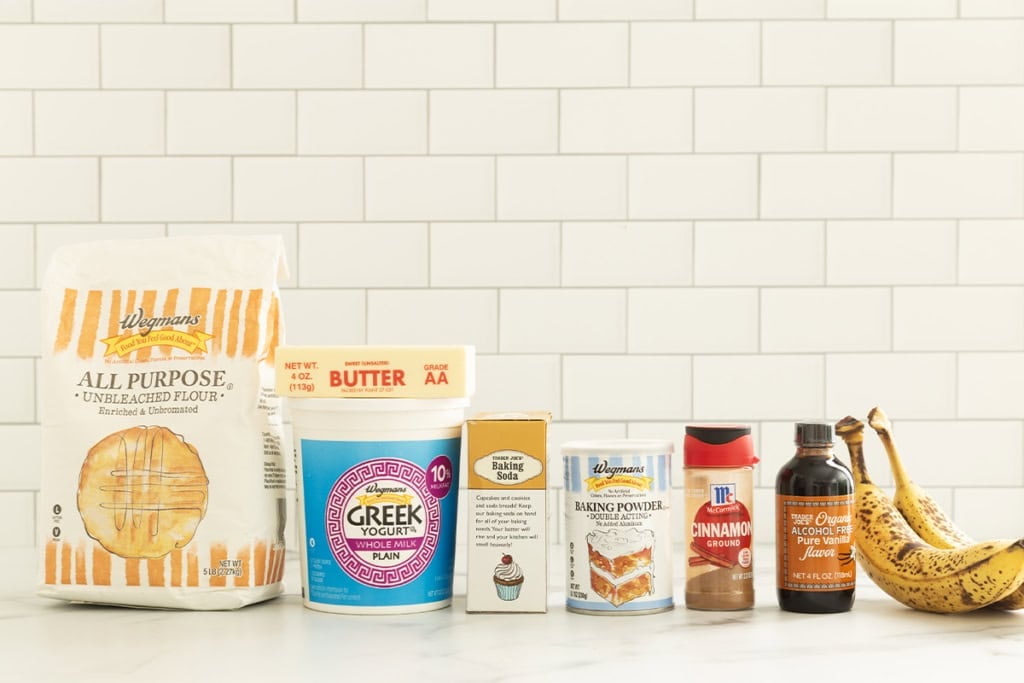
Chronology and Implementation in the Kitchen
The preparation process for eggless banana muffins has been streamlined to accommodate the fast-paced lifestyle of modern households. The methodology, often referred to as the "one-bowl method," minimizes cleanup and preparation time.
- Preparation Phase: The process begins with the selection of overripe bananas, characterized by brown spotting on the peel. These bananas contain the highest sugar concentration and the most effective enzymatic structure for moisture retention.
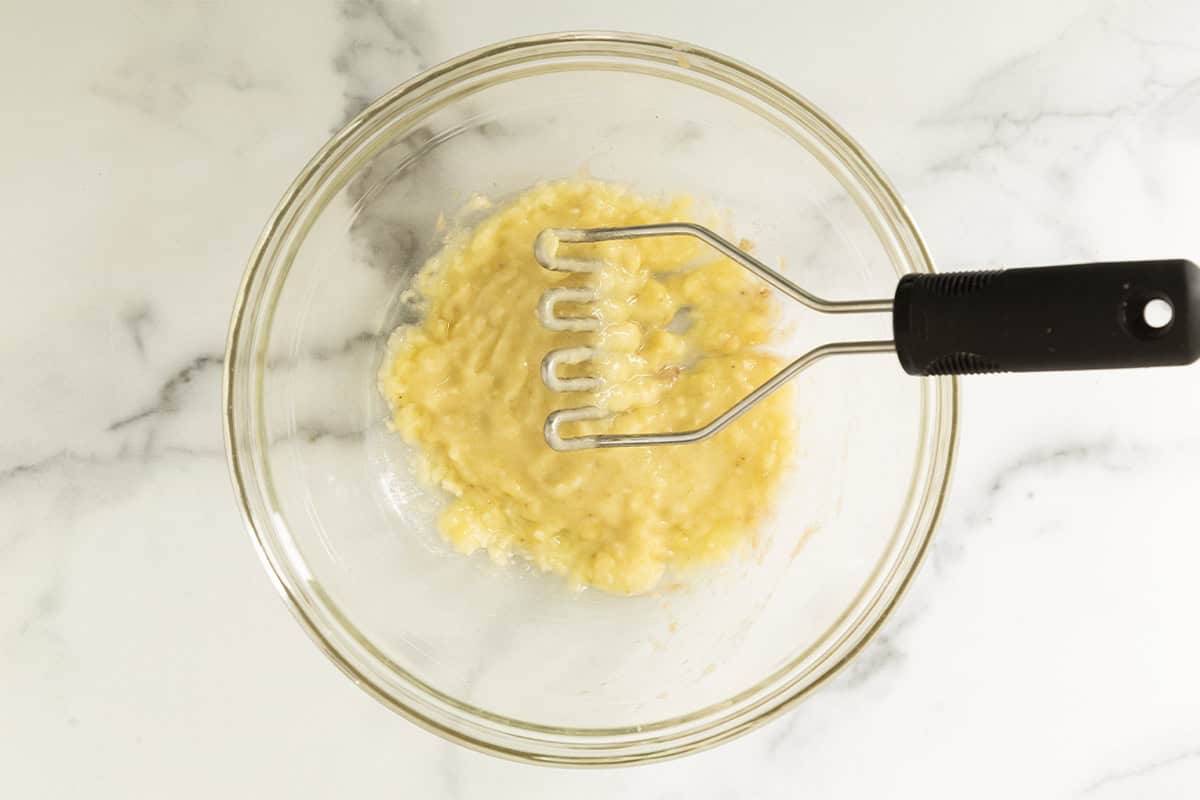
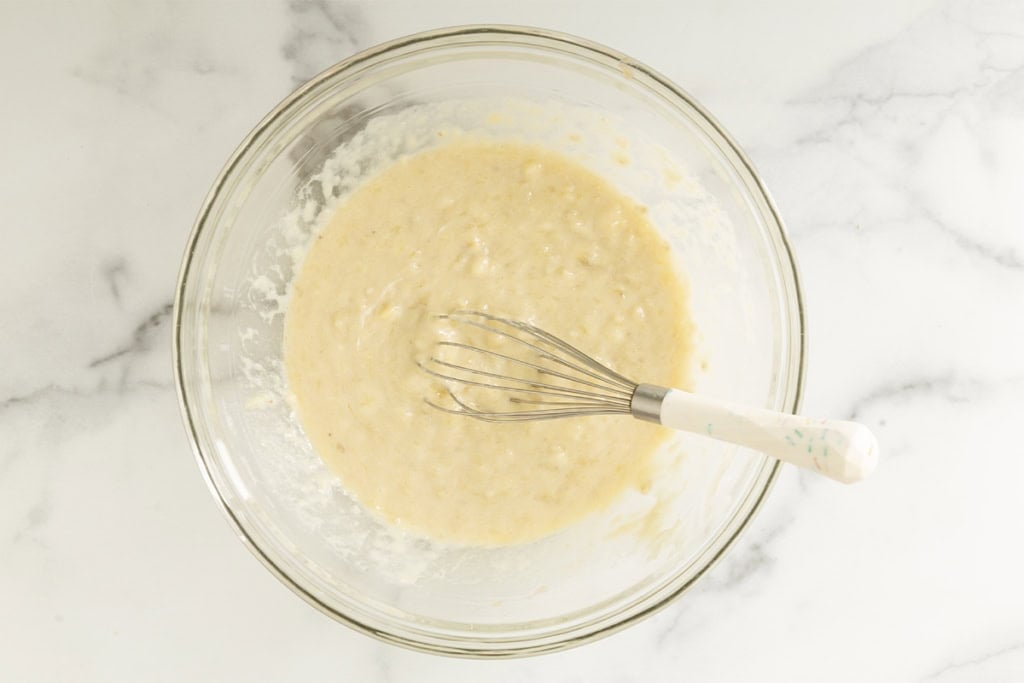
- Emulsification: The banana is mashed into a paste and combined with fat (typically melted butter or a neutral oil) and yogurt. The yogurt serves as the essential acidic catalyst for the leavening agents.
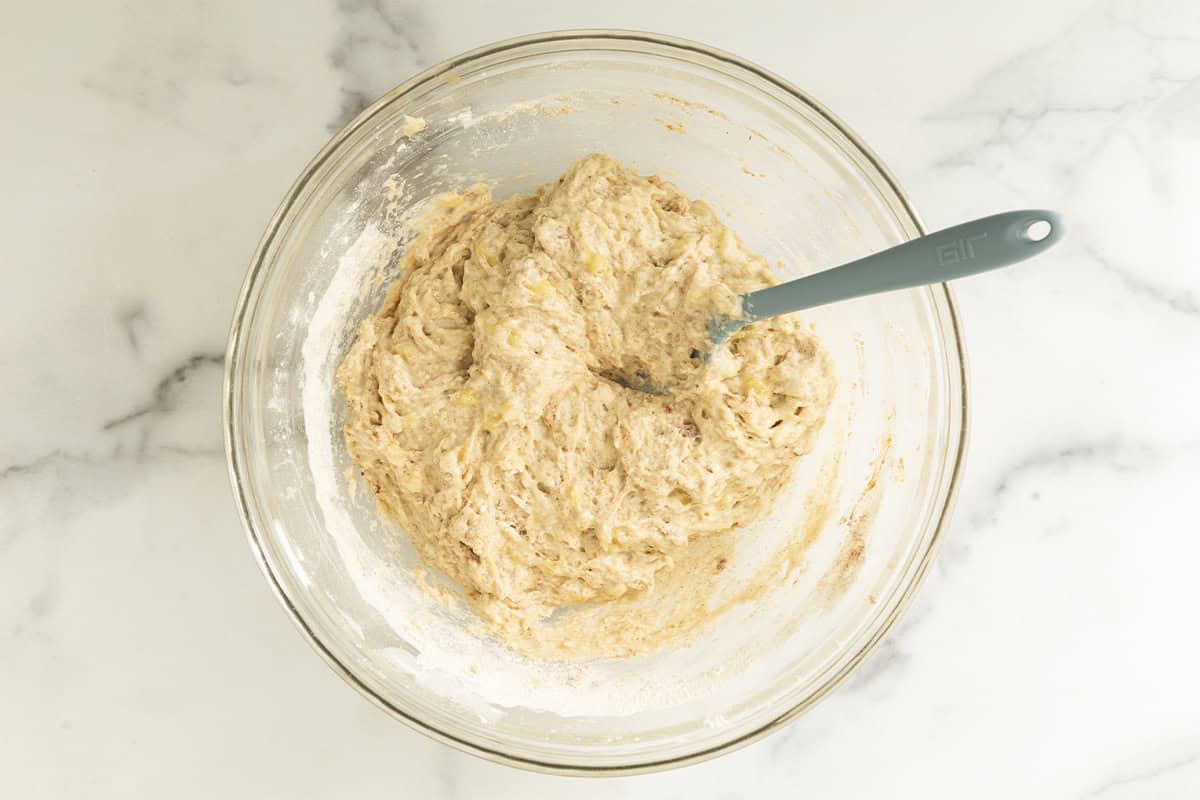
- Integration: Dry ingredients—flour, leavening agents, and optional spices—are folded into the wet base. Unlike traditional cake mixing, which requires vigorous beating, these muffins require gentle incorporation to prevent the development of gluten, which would result in a tough, dense product.
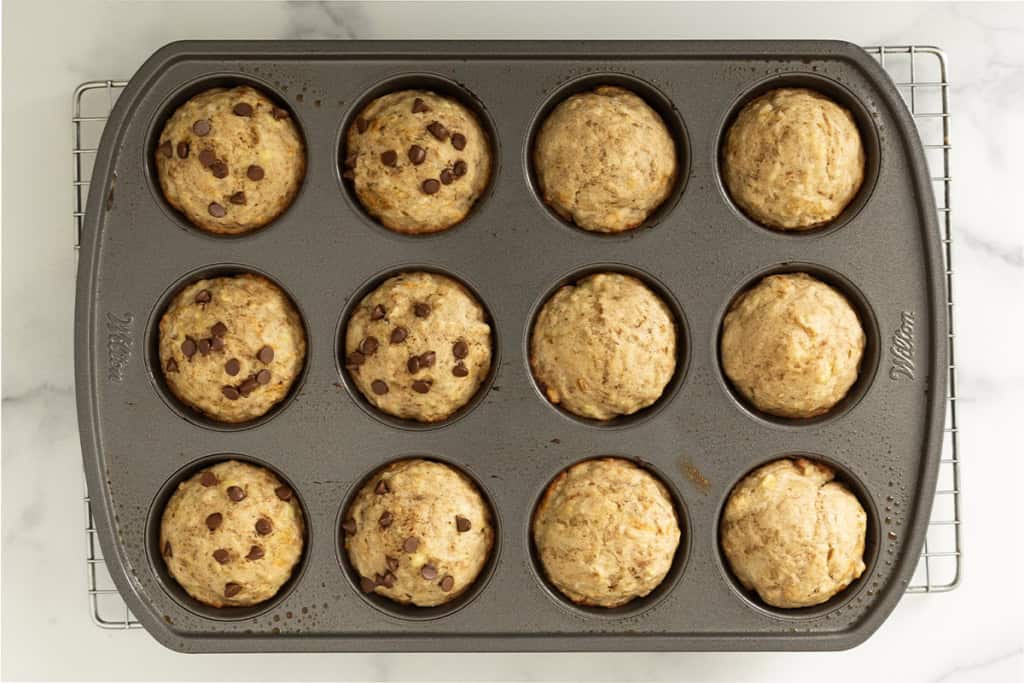
- Thermal Processing: Baking occurs at a standard temperature of 350°F (175°C). The absence of egg protein means the muffins do not "set" as quickly as traditional versions, often requiring a slightly longer duration in the oven to ensure the center is fully cooked.
Nutritional Profile and Dietary Implications
An analysis of a standard 12-muffin batch reveals a balanced nutritional profile. Each muffin typically provides approximately 120 calories, with 4 grams of fat and 2 grams of protein. While lower in protein than egg-based muffins, the fiber content—derived from the bananas—is comparable.
For parents and school administrators, the primary advantage is the "allergy-safe" label. Schools and daycare centers are increasingly implementing "nut-free" and "egg-free" policies to ensure the safety of students with severe anaphylactic sensitivities. Providing a muffin that adheres to these standards without requiring specialized, hard-to-find ingredients—such as xanthan gum or commercial egg replacers—simplifies the planning process for school snacks and lunchboxes.
Market Trends and Consumer Reactions
Consumer interest in these recipes has seen a measurable uptick on digital platforms dedicated to family health. Analysts note that search queries for "egg-free baking" have risen by approximately 22% annually over the past five years. This trend is not limited to those with medical restrictions; it includes a growing cohort of "flexitarian" consumers who are reducing animal product consumption for environmental or economic reasons.
Industry experts suggest that the "Eggless Banana Muffin" is emblematic of a broader "back-to-basics" movement in home cooking. By removing the need for a specific, often perishable ingredient like eggs, households are empowered to bake whenever they have excess fruit, thereby reducing food waste. The ability to incorporate add-ins like walnuts, blueberries, or dark chocolate chips allows for customization that caters to the specific preferences of toddlers and children, increasing the likelihood of successful nutrient intake.
Storage and Logistics: A Modern Convenience
One of the most practical aspects of this recipe is its longevity. Because the banana provides consistent moisture, these muffins retain their texture better than egg-based alternatives, which can become dry or crumbly within 48 hours.
- Room Temperature Storage: Muffins stored in an airtight container at room temperature remain shelf-stable for up to three days.
- Refrigeration: For longer-term storage, refrigeration extends the shelf life to five days, though the cold environment may cause the starch to firm up. A brief reheat in a microwave—typically 10 to 15 seconds—restores the moisture and softness.
- Freezing: For long-term meal planning, these muffins are highly freezer-compatible. When stored in vacuum-sealed or high-quality zip-top bags with the air removed, they maintain their quality for up to six months. This makes them an ideal candidate for "batch cooking," where families prepare a large quantity over the weekend to serve throughout the following week.
Broader Impact on Pediatric Nutrition
The shift toward simplified, whole-food-based snacking is a key focus for pediatricians. By avoiding the processed, shelf-stable, or pre-packaged snacks that often contain high levels of sodium, preservatives, and artificial sweeteners, parents can exert greater control over their children’s caloric intake.
The Eggless Banana Muffin, when made at home, allows for the control of sugar levels. Unlike store-bought alternatives that often use high-fructose corn syrup, home bakers can utilize the natural sweetness of the fruit, further reducing the glycemic impact of the snack.
Conclusion
The adoption of eggless banana muffins represents a convergence of necessity and culinary innovation. Whether motivated by health-related dietary restrictions, the high cost of poultry products, or a desire for simpler, home-cooked alternatives, the recipe stands as a testament to the versatility of fundamental baking principles. As households continue to navigate the complexities of modern nutrition, the ability to produce a reliable, allergen-friendly, and nutrient-dense product with minimal equipment and standard pantry items will remain an essential skill in the contemporary kitchen. The success of this simple dish underscores a larger truth in modern home economics: accessibility and simplicity are the cornerstones of sustainable, healthy eating habits.