The Ultimate Guide to Baking Salted Double Chocolate Chip Cookies: The Ultimate Fusion of Brownies and Cookies

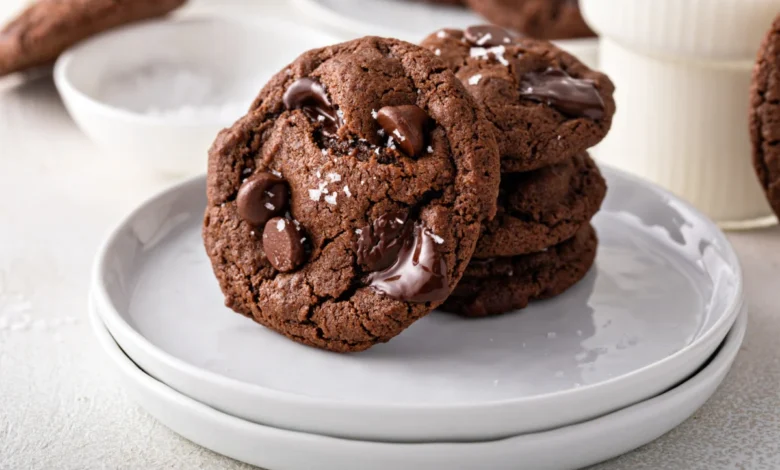
The intersection of classic chocolate chip cookies and decadent fudge brownies has long been a holy grail for home bakers and commercial pastry chefs alike. Culinary research indicates that chocolate-based desserts consistently rank among the highest in consumer demand, driven by psychological comfort associations and the widespread appeal of cocoa-derived flavonoids. In response to shifting consumer preferences favoring artisanal, high-contrast flavor profiles—specifically the combination of sweet and savory—baking authorities have popularized the recipe for Salted Double Chocolate Chip Cookies. Featuring a preparation time of 15 minutes, a cooking time of 11 minutes, and a total investment of 26 minutes, this specific formulation yields 18 servings of bakery-quality confectionery designed to meet both domestic baking demands and commercial potluck standards.
Culinary Evolution and Background Context
The genesis of the double chocolate chip cookie can be traced back to the broader evolution of American cookie baking in the mid-20th century, where bakers sought to intensify the cocoa profile of traditional Toll House-style iterations by incorporating both cocoa powder and solid chocolate inclusions. According to food historians, the incorporation of flaky sea salt as a finishing element gained mainstream traction in professional bakeries during the early 2000s, heavily influenced by the gourmet chocolate movement pioneered by European chocolatiers.
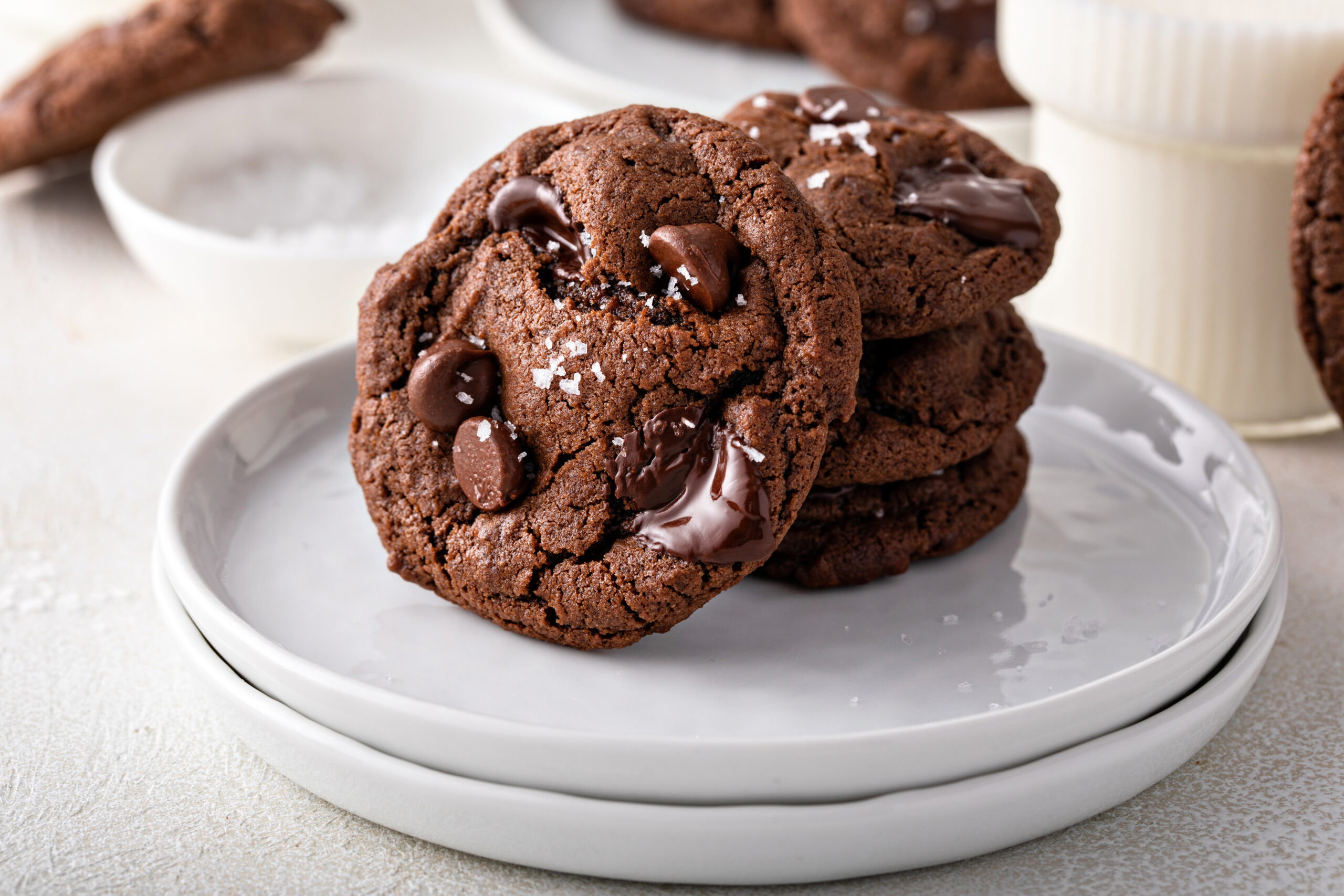
The rationale behind pairing high-sodium finishing salts with sweet chocolate is rooted in sensory science. Sodium ions suppress bitterness receptors on the tongue while simultaneously enhancing the perception of sweetness and highlighting the complex flavor notes of dark cocoa. Consequently, the Salted Double Chocolate Chip Cookie operates not merely as a dessert, but as a deliberate study in flavor balancing. Culinary scientists note that the texture profile—soft and fudgy in the center with lightly crisp edges—mimics the structural integrity of a classic fudge brownie while retaining the portable, handheld convenience of a drop cookie.
Chronology and Preparation Methodology
Achieving the optimal structural and sensory outcome for these cookies requires adherence to a precise preparation timeline. The process is divided into distinct operational phases: ingredient assembly, dough formation, thermal processing, and post-bake finishing.
In the initial 15-minute preparation window, bakers assemble simple pantry staples: high-quality unsweetened cocoa powder, all-purpose flour (or a 1:1 gluten-free substitute), baking soda, butter, sugar, eggs, and chocolate chips or chunks. The methodology dictates that the dry ingredients—specifically the cocoa powder, which provides the foundational deep chocolate flavor—must be thoroughly integrated to prevent clumping.
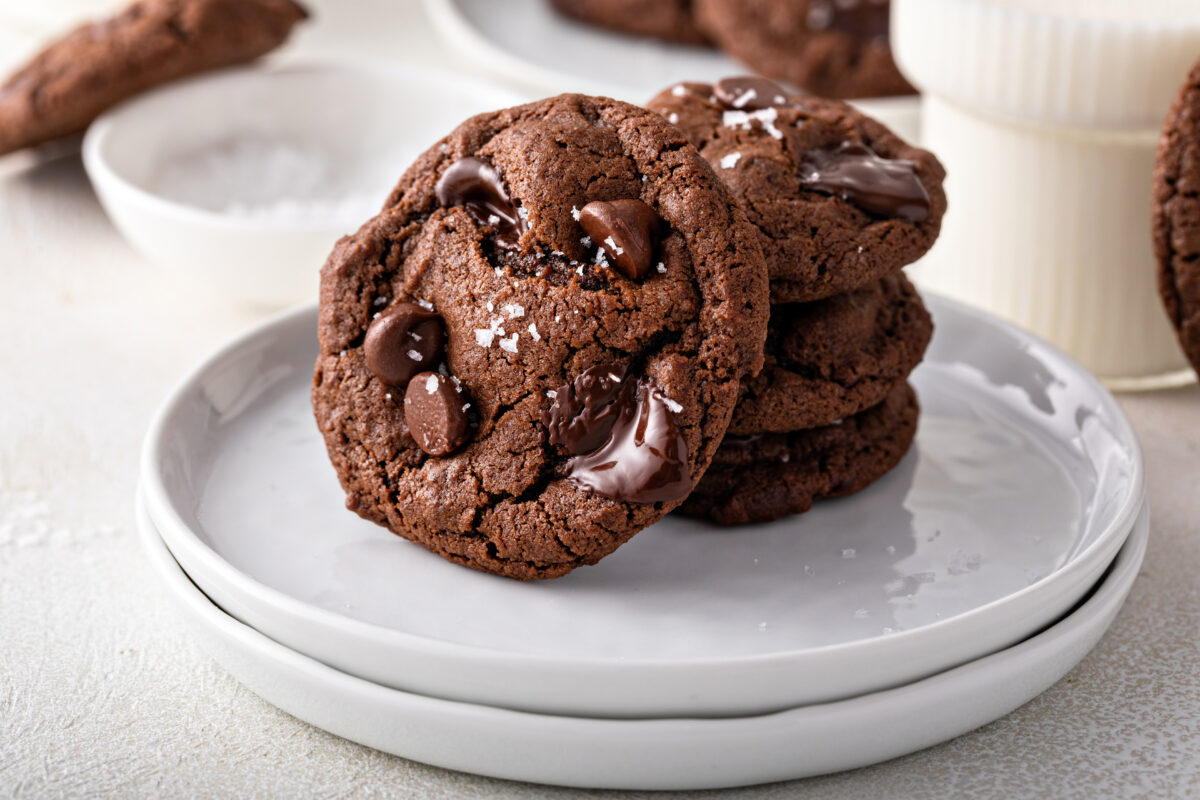
During the 11-minute baking phase, executed in a preheated oven, the thermal dynamics require strict adherence to prevent over-baking. Professional pastry guidelines emphasize that for soft, fudgy cookies, removal from the heat source must occur while the centers still appear slightly underdone. Residual heat from the baking sheet continues the cooking process during the mandatory cooling period, allowing the interior to set without sacrificing moisture.
Immediately following removal from the oven, while the surface lipids are still molten, a deliberate sprinkle of flaky sea salt is applied. This timing ensures mechanical adhesion between the salt crystals and the cookie matrix. Finally, a resting period on the baking sheet prevents structural failure, as the cookies are structurally delicate immediately upon exiting the heat source.
Supporting Data and Nutritional Metrics
Analyses of consumer baking trends indicate a steady rise in the popularity of scratch-made, accessible dessert recipes that utilize standard pantry inventory. The standardized recipe yields 18 distinct servings, making it an efficient option for large-scale domestic gatherings, community potlucks, and institutional bake sales.
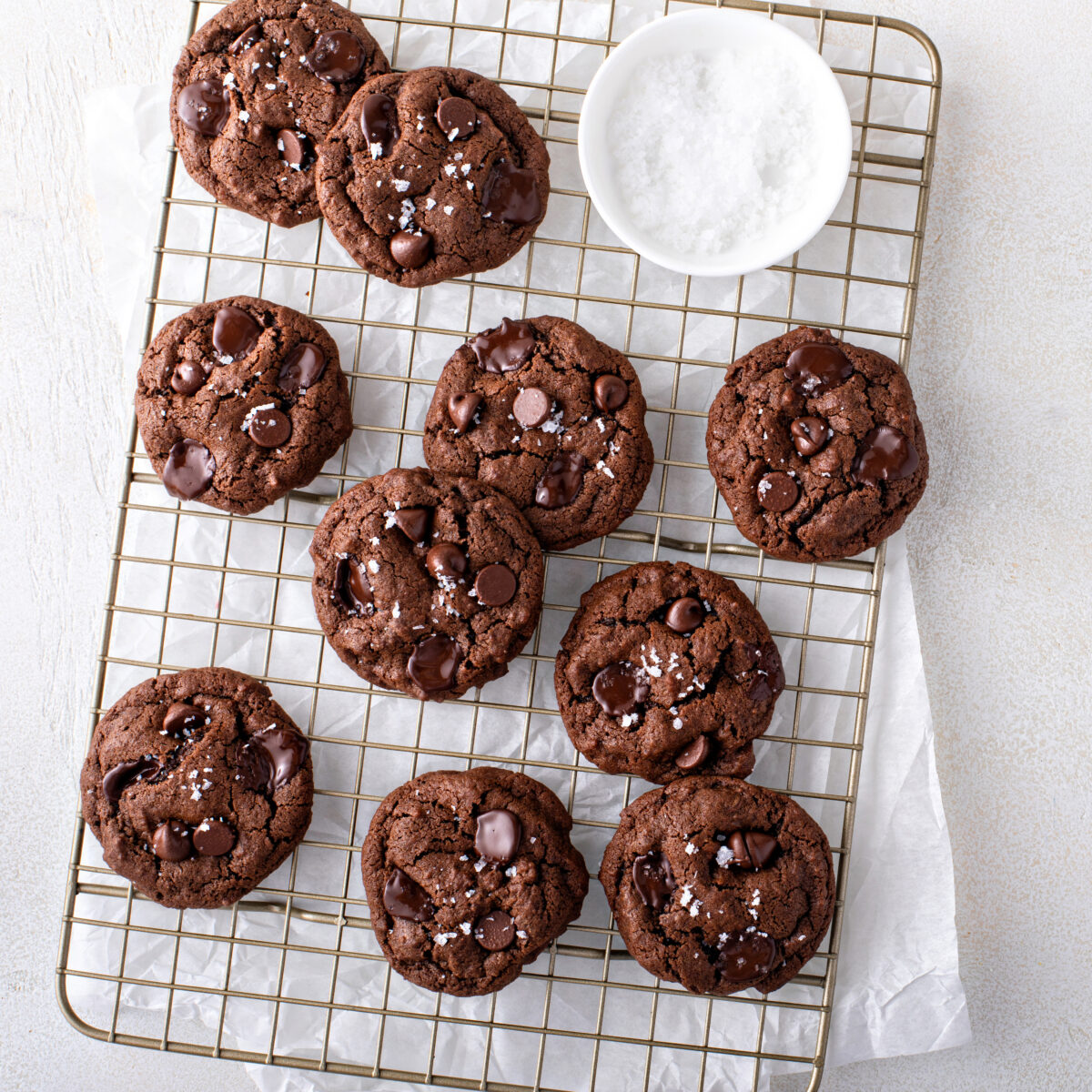
From a technical formulation standpoint, the recipe accommodates several specialized dietary variations without compromising the core sensory experience. Substitution matrices documented by culinary testing panels include:
- Triple Chocolate Integration: Utilizing a tripartite blend of semi-sweet, milk, and white chocolate chips to diversify the sugar profile and visual aesthetic.
- Aromatic Infusions: The introduction of a quarter-teaspoon of peppermint extract paired with crushed peppermint garnish for seasonal adaptability.
- Nut-Butter Incorporation: Swirling peanut butter or integrating peanut butter chips to modify the fat-to-protein ratio, enhancing mouthfeel.
- Flavor Enhancement: The addition of half a teaspoon of espresso powder, a standard professional technique designed to chemically amplify the perceived intensity of cocoa solids.
- Dietary Adaptations: The seamless integration of a 1:1 gluten-free flour blend to accommodate consumers with celiac disease or non-celiac gluten sensitivity, maintaining structural integrity through xanthan gum binders typically present in commercial blends.
Storage Protocols and Preservation Logistics
Effective management of baked goods inventory requires rigorous adherence to storage protocols to maximize shelf life and prevent quality degradation. According to food safety and culinary preservation standards, baked Salted Double Chocolate Chip Cookies maintained in a sealed, airtight container at ambient room temperature retain optimal texture and flavor for up to four days.
For longer-term storage, the formulation supports both dough-stage and baked-stage freezing logistics:
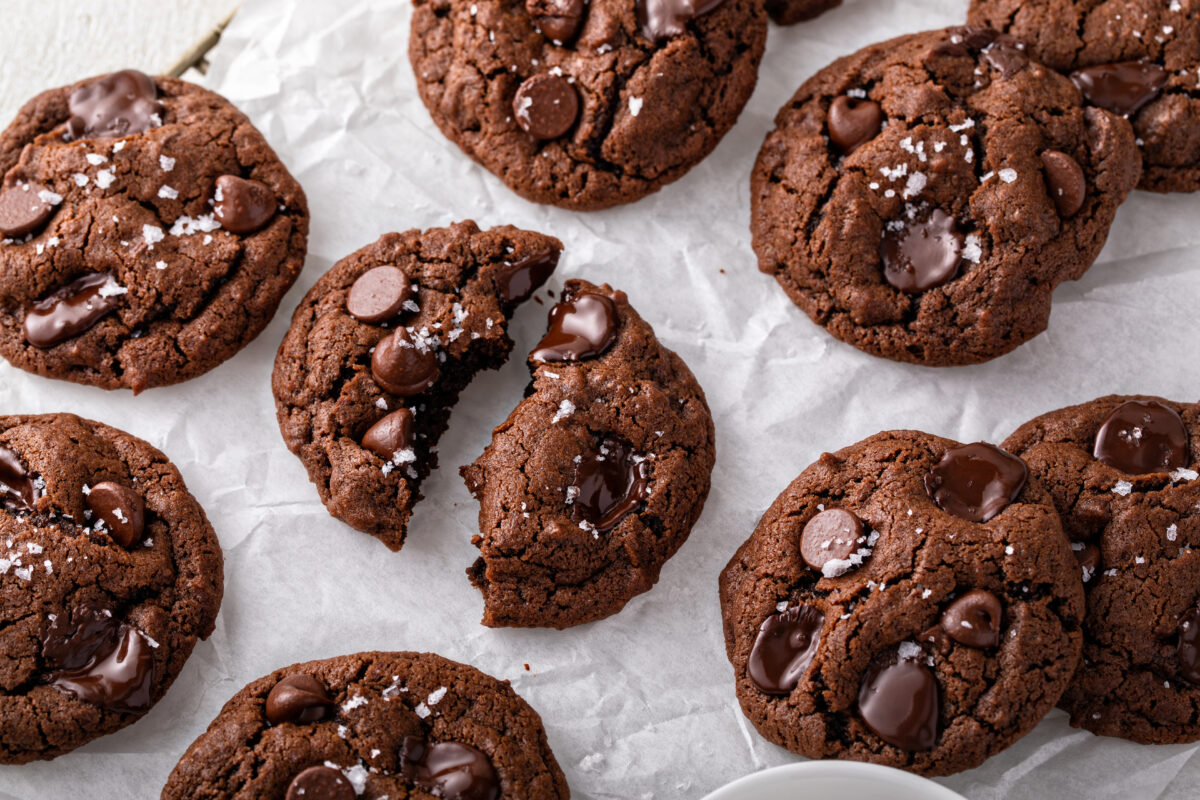
- Unbaked Dough Preservation: Portioning the dough into individual spherical units on a sheet pan, followed by flash-freezing until solid, allows transfer into freezer-safe storage bags. This method preserves structural integrity for up to three months. Baking directly from the frozen state requires an extension of the standard cooking time by one to two minutes.
- Baked Product Freezing: Fully baked and cooled cookies may be frozen for up to two months. Thawing must occur gradually at room temperature to prevent condensation accumulation on the surface, which can dissolve the flaky sea salt garnish and compromise the crisp edge texture.
Broader Industry Impact and Market Implications
The widespread dissemination of accessible, gourmet-level cookie recipes reflects a broader cultural shift toward home-based artisanal baking, accelerated by digital media platforms and consumer demand for elevated everyday dining experiences. While industrial manufacturers have attempted to replicate the sweet-and-salty flavor profile in mass-produced, shelf-stable formats, fresh-baked iterations continue to command high preference ratings in consumer taste tests.
Nutritionists and culinary economists observe that recipes relying on foundational pantry staples offer resilience against inflationary pressures affecting pre-packaged specialty foods. By empowering consumers to produce bakery-quality confections using basic household ingredients, recipes of this nature bridge the gap between commercial luxury and domestic capability. The enduring appeal of the Salted Double Chocolate Chip Cookie underscores a permanent consumer appetite for products that successfully balance nostalgic comfort with sophisticated, contemporary flavor engineering.