The concept of zero waste has evolved from a niche industrial strategy in the 1970s into a global lifestyle movement that challenges the fundamental mechanics of modern consumption. As the world grapples with an escalating plastic crisis and the visible impacts of climate change, the effectiveness of individual action is frequently scrutinized. However, recent data and shifting market trends suggest that the zero waste movement is not only relevant but is currently undergoing a significant transformation into a more health-centric, "plastic-free" framework that carries substantial economic and environmental weight.

Defining the Zero Waste Framework
To understand the movement’s current standing, it is essential to establish a precise definition. The Zero Waste International Alliance (ZWIA), the primary global authority on the subject, defines zero waste as the conservation of all resources through responsible production, consumption, reuse, and recovery of products and materials. Crucially, this definition excludes burning (incineration) and any discharges to land, water, or air that threaten the environment or human health.
In a practical sense, zero waste seeks to transition society from a "cradle-to-grave" linear economy—where materials are extracted, used once, and buried—to a "cradle-to-cradle" circular economy. This model mimics natural ecosystems, where the concept of "waste" does not exist because every byproduct becomes an input for another process.

The Chronological Evolution of Zero Waste
The movement did not begin in the kitchen of a lifestyle blogger; its roots are firmly planted in industrial chemistry and resource management.
The Industrial Origins (1970s–1990s)
The term was first coined in the mid-1970s by Dr. Paul Palmer, a chemist who founded Zero Waste Systems Inc. in Oakland, California. The company focused on finding new uses for the excess chemicals produced by the burgeoning electronics industry. Simultaneously, researcher Daniel Knapp pioneered the "Total Recycling" concept, eventually co-founding Urban Ore in 1980 to prove that the vast majority of municipal waste could be diverted and resold.
By the mid-1990s, the concept shifted from corporate resource management to government policy. In 1996, the Australian Capital Territory (ACT) became the first jurisdiction in the world to adopt a "No Waste by 2010" strategy. This legislative milestone sparked a wave of international interest, leading to the formation of the Zero Waste International Alliance in 2003.
The Lifestyle Revolution (2009–2019)
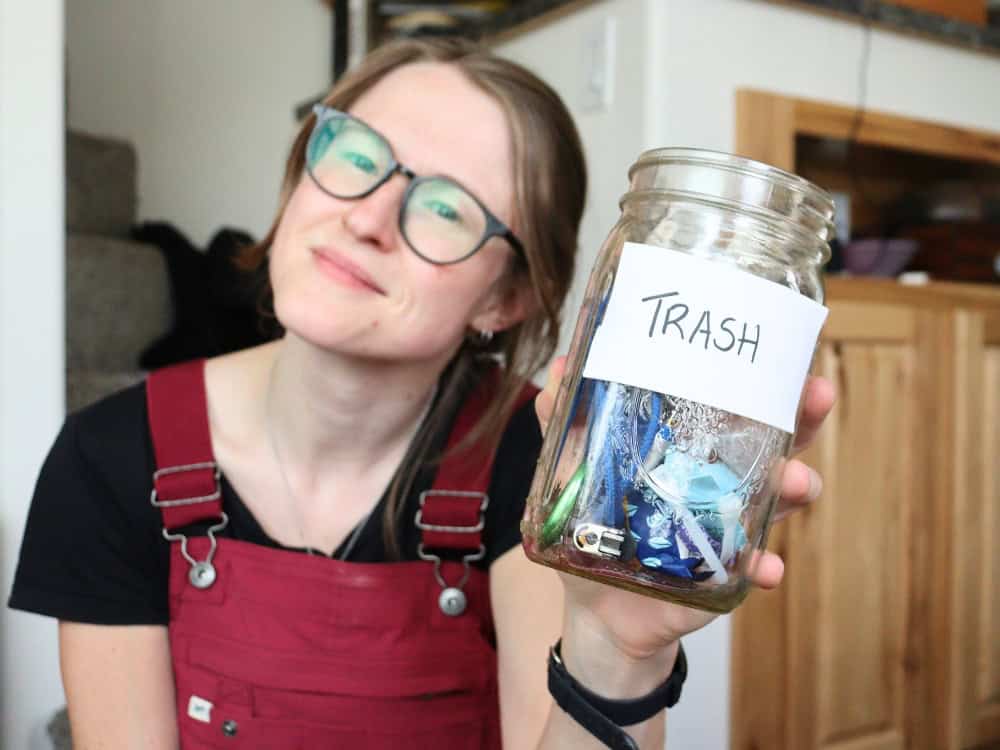
The movement transitioned into the domestic sphere in 2009 when Bea Johnson launched her blog, Zero Waste Home. Her 2013 book of the same name introduced the "5 Rs" framework—Refuse, Reduce, Reuse, Recycle, and Rot—which remains the gold standard for individual waste reduction. This era was characterized by the "trash jar" phenomenon, where practitioners attempted to fit a year’s worth of non-recyclable waste into a single glass mason jar. While visually striking, this period also drew criticism for its perceived elitism and focus on perfectionism.

The Five Rs: A Hierarchical Approach to Waste
The 5 Rs represent a prioritized list of actions designed to minimize environmental footprints. The order is intentional, as each step is more impactful than the one following it.
- Refuse: Declining single-use items, promotional materials, and unnecessary packaging at the source.
- Reduce: Downsizing consumption and opting for high-quality, long-lasting goods over disposable alternatives.
- Reuse: Extending the life of products through repair, upcycling, and choosing refillable systems.
- Recycle: Processing materials to create new products—notably viewed as a "last resort" due to the high energy costs and low efficiency of plastic recycling.
- Rot: Composting organic matter to return nutrients to the soil and prevent methane emissions in landfills.
Analyzing the Scale: Individual vs. Industrial Waste
A common critique of the zero waste movement is that individual efforts are negligible compared to industrial output. Data from the Environmental Protection Agency (EPA) shows that the average American generates approximately 4.9 pounds of municipal solid waste per day. Annually, the United States produces roughly 292 million tons of municipal waste.
However, this figure represents only a fraction of total national waste. Industrial waste—generated by manufacturing, mining, and agriculture—is estimated to be billions of tons higher. Critics argue that focusing on reusable straws distracts from the need for systemic regulation. Proponents of the movement counter that consumer behavior is the primary driver of industrial production. By "refusing" products, consumers signal a shift in demand that eventually forces manufacturers to adjust their "upstream" processes.
The Shift Toward "Plastic-Free" and Health Safety
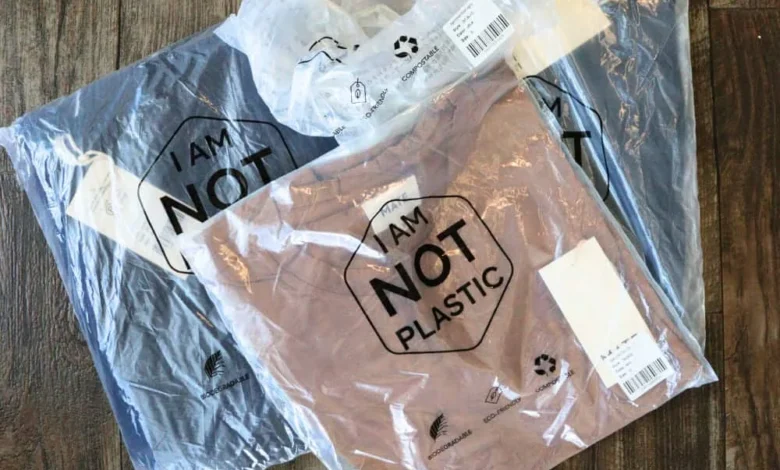
In recent years, the movement has pivoted from a general "zero waste" label toward a specific "plastic-free" focus. This shift is driven by emerging scientific data regarding microplastics. Research has now confirmed the presence of microplastics in human blood, lungs, and breast milk, elevating the issue from an environmental concern to a public health crisis.
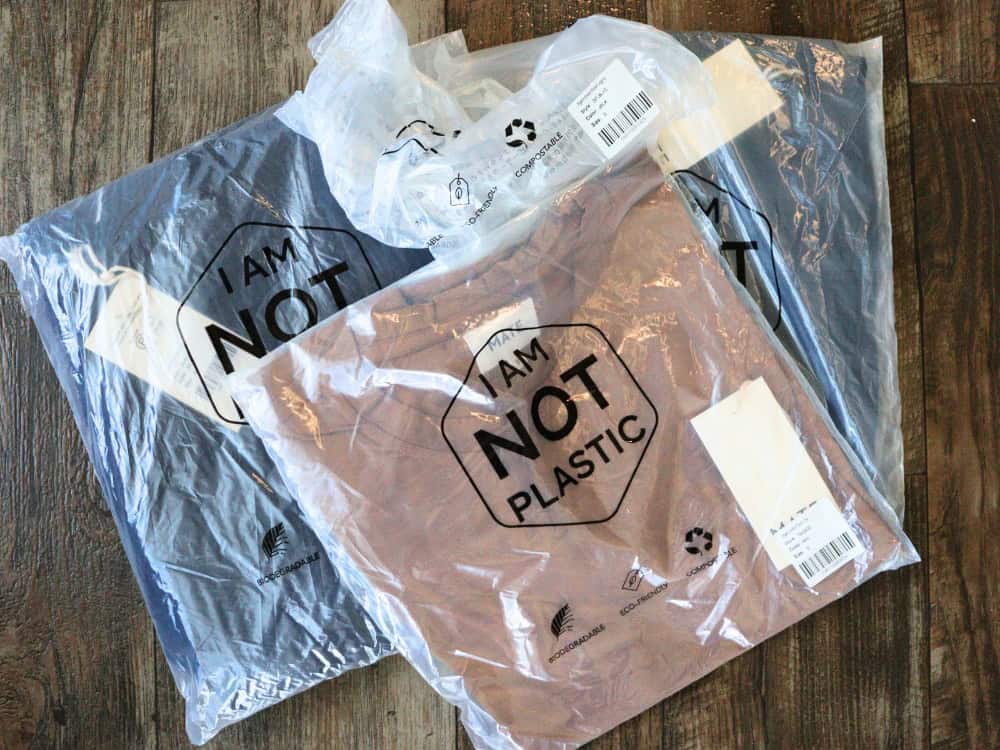
Market research indicates that this health-centric motivation is more effective at sustaining long-term behavior change than environmental altruism alone. A 2025 report by GlobeScan found that 65% of consumers want to live more sustainably specifically to improve their health. This "personal impact" angle has made the movement more accessible to a broader demographic, moving away from the aesthetic perfection of the trash jar toward practical toxin reduction.
Supporting Data: Is It Actually Working?
Despite the scale of the global waste problem, data suggests that the movement is achieving measurable results:

- Plastic Free July: What started as a local initiative in Western Australia in 2011 has grown into a global powerhouse. In 2025, an estimated 174 million people participated worldwide, resulting in the avoidance of approximately 290,000 metric tons of plastic waste.
- Market Share Growth: According to the NYU Stern Center for Sustainable Business, products marketed as sustainable now account for 25.4% of the market share for consumer packaged goods (CPG). Furthermore, these products are growing nearly five times faster than their conventional counterparts.
- The "Habit" Effect: Experimental studies published in the journal Sustainability indicate that participants in waste-reduction challenges show a permanent 86% retention rate for at least one new low-waste habit.
Corporate and Policy Responses
The pressure from the zero waste movement has led to significant shifts in corporate responsibility and international policy.
Extended Producer Responsibility (EPR)
Governments are increasingly adopting EPR laws, which hold manufacturers accountable for the entire lifecycle of their products, including disposal. This incentivizes companies to design products that are easier to repair or recycle.

The Rise of Refill Stations
Major retailers are beginning to pilot refill stations for detergents, grains, and personal care products. Brands like Patagonia have pioneered "circular" business models through programs like Worn Wear, which focuses on the repair and resale of used gear, effectively decoupling profit from the extraction of new resources.
Global Legislation
As of 2024, over 100 countries have instituted partial or full bans on single-use plastic bags. The United Nations is currently negotiating a Global Plastic Treaty, which aims to create a legally binding international agreement to end plastic pollution by addressing the full lifecycle of plastic.

Challenges and Critical Perspectives
The movement is not without its flaws. Critics point out that "zero waste" can often be co-opted by brands for "greenwashing," where products are marketed as sustainable without significant changes to the supply chain. Additionally, there is the "rebound effect," where consumers feel that because they are using a reusable bag, they have the "moral license" to consume more in other areas.
Furthermore, the "pink tax" and the "green tax" often intersect; sustainable products are frequently more expensive, making the lifestyle difficult for low-income households. The movement is currently working to address these disparities by emphasizing "reducing" and "reusing"—which are inherently cost-saving—rather than the purchase of expensive "eco-friendly" gadgets.

Broader Impact and Implications
The zero waste movement serves as a critical entry point for broader environmental advocacy. By engaging with the physical reality of their waste, individuals often become more attuned to other issues, such as carbon footprints, water scarcity, and labor rights in the fashion industry.
The movement has also spurred a new sector of the economy. The "circular economy" is projected to provide a $4.5 trillion economic opportunity by 2030 by reducing waste, stimulating innovation, and creating jobs in the repair and recycling sectors.

Conclusion: The Path Forward
The question of whether zero waste is "still worth it" is answered not by the absence of waste, but by the presence of a shifting global consciousness. While an individual’s refusal of a plastic fork will not solve the climate crisis in isolation, the collective demand for plastic-free alternatives has already begun to reshape the global market.
The movement has successfully transitioned from a fringe industrial concept to a mainstream health and environmental priority. As it continues to evolve away from perfectionism and toward systemic circularity, the zero waste framework remains one of the most effective tools for aligning modern life with the finite resources of the planet. Progress, rather than perfection, remains the movement’s most viable path to long-term impact.