The Science and Practice of Therapeutic Detox Baths for Holistic Health and Wellness

The utilization of therapeutic baths, historically referred to as balneotherapy, has transitioned from ancient cultural traditions into a cornerstone of modern holistic wellness. In an era characterized by increasing environmental stressors and industrial pollutants, the concept of a "detox bath" has gained significant traction among health practitioners and consumers alike. These specialized immersion routines are designed to support the body’s innate filtration systems—primarily the liver, kidneys, and skin—by leveraging the principles of osmosis, temperature regulation, and transdermal mineral absorption. While the human body is biologically equipped to process toxins independently, proponents of these protocols argue that targeted supplemental support can mitigate the effects of "toxin overwhelm," a condition often manifesting as skin irritation, chronic fatigue, or compromised immune function.
The Physiological Basis of Hydrotherapy and Detoxification
The biological premise of a detox bath relies on the skin’s role as the body’s largest organ. Beyond its function as a protective barrier, the skin acts as an auxiliary excretory organ. Through the process of perspiration, the body can eliminate trace amounts of heavy metals and metabolic waste. When the body is immersed in warm water, vasodilation occurs, increasing blood flow to the surface and opening pores. This physiological state facilitates the exchange of minerals and the removal of impurities.
Medical professionals, including Dr. Madiha Saeed, a board-certified family physician who has reviewed these protocols, emphasize that while the body is self-regulating, environmental factors in the 21st century often tax these systems. Modern life introduces a consistent stream of endocrine disruptors and heavy metals through air, water, and processed goods. Consequently, the integration of mineral-rich additives into a bathing routine is viewed not merely as a luxury, but as a strategic intervention for maintaining homeostasis.
The Role of Magnesium Sulfate in Transdermal Absorption
The foundational element of most therapeutic baths is Epsom salt, scientifically known as magnesium sulfate. Magnesium is a critical mineral involved in over 300 enzymatic reactions within the human body, including nerve function, muscle relaxation, and the production of adenosine triphosphate (ATP), the primary carrier of energy in cells.
Research suggests that many individuals in developed nations suffer from subclinical magnesium deficiency due to soil depletion and the prevalence of processed diets. Immersing the body in a concentrated solution of magnesium sulfate allows for potential transdermal absorption. This process bypasses the digestive system, which can be beneficial for individuals with malabsorption issues. The sulfate component is equally vital, as it plays a role in the formation of joint proteins and the stimulation of the pancreas to generate digestive enzymes.
Chronology and Protocol for an Effective Detox Bath
To maximize the therapeutic benefits of a detox bath, a specific sequence of actions is recommended. This chronology ensures that the body is prepared for the transition from a state of high stress to one of physiological recovery.
- Preparation and Filtration: The process begins with water quality management. Experts suggest using a high-quality bathtub filter to remove chlorine and fluoride, as these chemicals can be absorbed through the skin or inhaled as steam, potentially counteracting the detoxification goals.
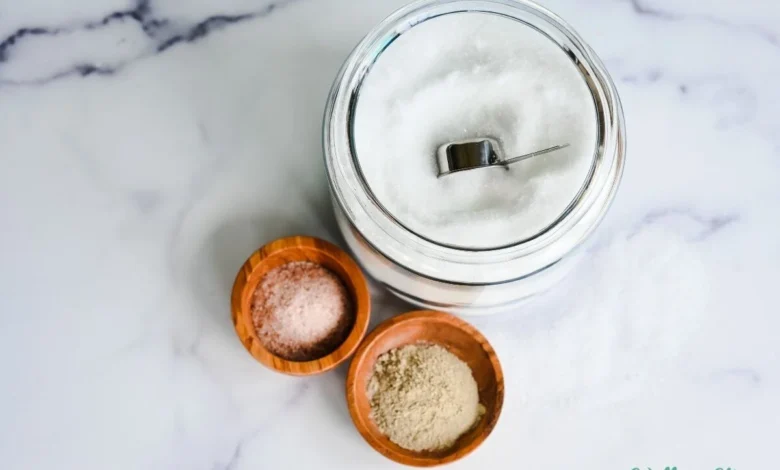
- Ingredient Integration: Additives such as Epsom salts, bentonite clay, or organic mustard powder are dissolved in warm to hot water. The temperature should be high enough to induce mild perspiration but not so hot as to cause lightheadedness or cardiovascular strain.
- Immersion Duration: A standard therapeutic soak lasts between 20 and 40 minutes. The first 20 minutes are generally dedicated to the removal of toxins through the skin, while the subsequent 20 minutes allow for the absorption of minerals from the water.
- Hydration and Recovery: Because detox baths induce sweating, internal hydration is paramount. Practitioners recommend drinking filtered water before, during, and after the bath.
- Post-Bath Transition: Following the soak, a brief rinse in cool water can help close the pores. Due to the sedative effect of magnesium and the energy expenditure of the detoxification process, these baths are most effectively performed as part of an evening or bedtime routine.
Specialized Formulations and Their Targeted Benefits
While Epsom salt serves as the base for many protocols, various secondary ingredients can be added to address specific health concerns.
Bentonite Clay and Heavy Metal Adsorption
Bentonite clay is a unique substance derived from volcanic ash. It possesses a strong negative electromagnetic charge, which, when hydrated, allows it to act like a magnet for positively charged toxins and heavy metals. In a "Clay Detox Bath," the clay particles bind to impurities on the skin’s surface and within the pores. Users are cautioned to use a drain filter during this process to prevent the dense clay from accumulating in household plumbing.
Oxygen and Ginger Therapy for Immune Support
For individuals experiencing the onset of seasonal illness or respiratory congestion, an "Oxygen Detox Bath" utilizing hydrogen peroxide and dried ginger powder is often recommended. Ginger is a potent rubefacient, meaning it stimulates blood circulation and creates a warming sensation on the skin. This can help alleviate body aches and facilitate the clearing of mucus membranes. The addition of hydrogen peroxide provides an oxygen-rich environment that can be soothing during periods of oxidative stress.
pH Balancing with Apple Cider Vinegar
The skin maintains a slightly acidic pH (the "acid mantle") to protect against pathogenic bacteria. Environmental soaps and pollutants can disrupt this balance. A vinegar-based bath, utilizing raw apple cider vinegar, helps restore the skin’s natural acidity. This protocol is particularly noted for its efficacy in treating dermatological issues such as eczema, dandruff, and chronic dry skin.
The Traditional Use of Mustard Powder
Though unconventional in a modern context, mustard baths have a long history in traditional medicine across Europe and Asia. Organic mustard powder acts as a circulatory stimulant. When combined with essential oils like eucalyptus or wintergreen, it creates a sensory experience that promotes deep muscle relaxation and the relief of tension headaches.
Supporting Data and Market Trends
The rise of the "Self-Care" economy has provided a backdrop for the surge in detox bath popularity. According to market research, the global bath and shower products market is projected to reach significant valuations by 2030, with a notable shift toward "clean" and "functional" ingredients. Consumers are increasingly seeking products that offer more than just hygiene, looking instead for therapeutic outcomes.
Data from wellness surveys indicate that stress reduction is the primary driver for these practices. The psychological impact of a 20-minute soak—characterized by a reduction in cortisol levels and the activation of the parasympathetic nervous system—complements the physical detoxification. Furthermore, pediatric applications of these baths have seen an uptick, as parents seek natural ways to support their children’s immune systems and improve sleep patterns without pharmacological intervention.
Safety Considerations and Medical Oversight
Despite the numerous reported benefits, detox baths are not without risks. The process of pulling toxins from the body and inducing heat stress can lead to dehydration, electrolyte imbalances, or temporary fatigue.
Medical professionals advise that certain populations must exercise extreme caution. Pregnant women, for instance, are generally advised to avoid hot baths that raise the core body temperature significantly, as this can be hazardous to fetal development. Individuals with high blood pressure, cardiovascular disease, or diabetes should consult a healthcare provider before attempting a detox protocol, as the heat and mineral exchange can affect heart rate and glucose levels.
Furthermore, the choice of essential oils is critical. While oils like lavender or chamomile are generally safe, others can be skin irritants or phototoxic. The "Wellness Mama" protocol, developed by Katie Wells and reviewed by medical staff, emphasizes that "natural" does not always mean "harmless," and dosage and quality of ingredients are paramount.
Analysis of Implications for Long-term Health
The integration of detox baths into a lifestyle represents a shift toward preventative rather than reactive medicine. By supporting the body’s natural waste-management systems on a weekly basis, individuals may reduce the cumulative "toxic load" that contributes to chronic inflammation—a known precursor to many modern diseases.
The broader implication of this trend is a renewed focus on environmental health. As individuals become more aware of the toxins they are trying to "soak away," there is a secondary movement toward "detoxing the home." This includes the use of water filtration systems, such as those produced by companies like Canopy, and the elimination of synthetic fragrances and harsh cleaners.
In conclusion, while the term "detox" is often scrutinized by the traditional medical establishment, the physiological mechanisms behind therapeutic bathing—heat, mineral absorption, and pH regulation—are grounded in sound biological principles. When practiced with caution and high-quality ingredients, these baths serve as an accessible and cost-effective tool for enhancing physical recovery and mental clarity in an increasingly complex world.
Related posts: