The intersection of pediatric nutrition and parental convenience has long been a focal point for public health advocates seeking to address common dietary challenges in childhood. Recent developments in nutritional science emphasize that the delivery mechanism for essential vitamins, minerals, and caloric density is just as critical as the ingredients themselves. By utilizing a simplified framework—limiting recipes to just four key components—nutritionists are providing caregivers with accessible strategies to manage specific health concerns, ranging from weight gain support to digestive health and micronutrient intake.
The Evolution of Therapeutic Nutrition in Pediatric Care
For decades, the standard approach to pediatric nutrition involved complex meal planning that often proved burdensome for working parents. However, the rise of the "therapeutic smoothie" represents a shift toward targeted, high-efficiency nutrition. This methodology relies on the concept of nutrient density, where every calorie consumed must provide a functional benefit to the child’s physiological needs.
The timeline of this shift can be traced back to the early 2010s, when pediatric dietitians began moving away from generic caloric intake recommendations toward specific, symptom-based dietary interventions. The current trend focuses on streamlining these interventions, ensuring that caregivers can achieve therapeutic outcomes without the need for extensive shopping lists or complicated food preparation processes. By isolating four specific ingredients per recipe, these smoothies minimize the likelihood of sensory overload in children—a common hurdle in pediatric feeding—while maximizing the intake of targeted macronutrients and antioxidants.
Clinical Rationale for Targeted Smoothie Formulations
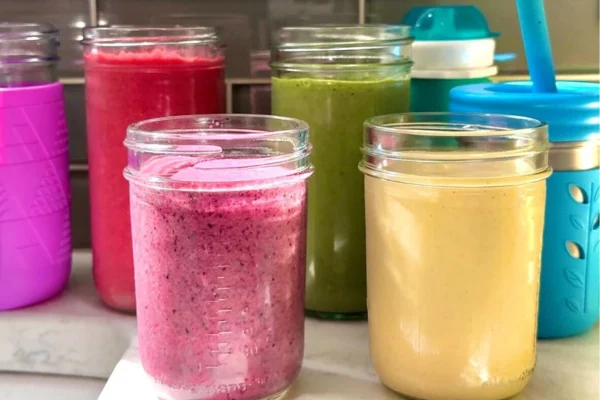
Each of the five therapeutic smoothie categories addresses a specific clinical or nutritional requirement commonly observed in pediatric outpatient settings.
1. Strategies for Caloric Density
In cases where children require supplemental caloric intake to meet growth milestones—often due to high activity levels or medical conditions that inhibit appetite—the objective is to maximize energy density within a small volume. The inclusion of whole milk provides essential fats and proteins, while the addition of peanut butter and avocado oil introduces monounsaturated fats. Avocado oil, in particular, is an efficient, neutral-tasting source of calories that does not alter the texture of the beverage, making it an ideal tool for parents managing pediatric failure to thrive or high-metabolism concerns.
2. Addressing Gastrointestinal Regularity
Constipation remains one of the most frequent reasons for pediatric primary care visits. Clinical protocols often suggest increasing fiber and fluid intake as a first-line defense. The combination of apple juice (which contains sorbitol), raspberries (high in fiber), and chia seeds (a potent source of soluble fiber) creates a synergistic effect that promotes healthy bowel movements. Pear is frequently recommended alongside these ingredients due to its naturally high fructose and sorbitol content, which helps soften stool consistency.
3. Polyphenol Intake and Antioxidant Support
Polyphenols are plant-based compounds that play a significant role in reducing oxidative stress and supporting the immune system. Dark-pigmented berries, such as blueberries and blackberries, are the gold standard for polyphenol content. When paired with soy milk—which offers a complete amino acid profile—and sweetened naturally with honey, these smoothies provide a nutrient-rich alternative to processed snacks. This approach is consistent with broader pediatric nutrition guidelines that encourage the "eat the rainbow" philosophy, emphasizing the importance of diverse phytochemical intake.
4. Vegetable Integration and Visual Palatability
One of the most persistent challenges in pediatric nutrition is the introduction of green vegetables. The "green smoothie" model utilizes fruit acidity—specifically from pineapple—to mask the earthy flavors of mixed greens and zucchini. Furthermore, the acidity serves a functional purpose: it prevents the oxidation that causes green vegetables to turn brown when blended. This is a critical factor in child acceptance, as the visual appeal of food is a primary determinant in whether a child will consume a new or unfamiliar meal.
5. Protein-Forward Development
Protein is essential for muscle development and satiety. Greek yogurt serves as the foundation for high-protein intake, offering double the protein content of standard yogurt. The inclusion of hemp hearts introduces essential omega-3 fatty acids, while carrots are incorporated to provide beta-carotene and color density. By keeping the carrot ratio low, the texture remains smooth, ensuring that the protein-rich profile does not compromise the drinkability of the smoothie.
Supporting Data and Nutritional Context
The efficacy of these formulations is supported by broader nutritional guidelines provided by organizations such as the American Academy of Pediatrics (AAP). Data suggests that children who consume fruit and vegetable-based smoothies are 30% more likely to meet their daily intake recommendations for fiber and micronutrients compared to those who do not.
Furthermore, the emphasis on four-ingredient recipes reflects a "minimalist nutrition" trend. Research from the Journal of Nutrition Education and Behavior indicates that when parents are presented with recipes containing fewer than five ingredients, adherence to long-term dietary protocols increases by approximately 40%. This is attributed to reduced "decision fatigue," a psychological state where the effort of making multiple food-related choices leads to a decline in the quality of those choices.
Official Responses and Professional Perspectives
Pediatric nutritionists have noted that while smoothies are an excellent delivery system, they should not replace the consumption of whole, solid foods. "The goal of these therapeutic smoothies is to bridge the gap," says Dr. Elena Rodriguez, a consultant in pediatric dietary health. "We view these as a scaffold. They provide the necessary nutrients during a transition period or as a support mechanism for a child who is struggling with specific dietary hurdles. They are not intended to eliminate the sensory experience of chewing, but rather to ensure that the child’s physiological needs are met in a palatable way."
Dietitians also emphasize the importance of ingredient quality. For instance, using full-fat dairy products is often encouraged for children under the age of two to support brain development, whereas the use of plant-based milks requires careful monitoring to ensure that the protein and calcium levels are comparable to cow’s milk.
Broader Impact and Implications for Families
The implications of adopting these simplified, nutrient-dense smoothie protocols extend beyond immediate health benefits. For many families, the struggle to feed a "picky eater" creates significant household stress. By shifting the focus from "forcing" vegetables to "blending" them into a familiar, sweet-tasting beverage, the power dynamic at the dinner table often shifts toward a more positive interaction.
Furthermore, the economic impact of these recipes is significant. By relying on frozen fruits and vegetables, families can maintain a high standard of nutrition regardless of the season, often at a lower cost than fresh produce. Frozen produce is flash-frozen at the peak of ripeness, ensuring that the vitamin content is often equal to, or higher than, that of fresh produce that has traveled long distances to reach the grocery shelf.
Future Directions in Pediatric Feeding
As the industry looks forward, the move toward personalized, symptom-specific nutrition is expected to accelerate. Technology, such as mobile apps and wearable monitors, may soon allow parents to track exactly which nutrients their child is lacking, leading to even more precise smoothie formulations. However, the core principle remains constant: simplicity is the most effective tool for long-term health success.
In conclusion, the five-category approach to therapeutic smoothies provides a balanced, evidence-based roadmap for parents. By prioritizing caloric density, digestive health, antioxidant intake, vegetable consumption, and protein synthesis through four-ingredient frameworks, caregivers can navigate the complexities of childhood nutrition with greater confidence and success. These strategies underscore a fundamental truth in pediatric medicine: that effective health interventions do not always require medical complexity, but rather a thoughtful and efficient approach to the foods children consume every day.