The global skincare industry is undergoing a significant transformation as consumers increasingly prioritize ingredient transparency and environmental sustainability over traditional branding. As the body’s largest organ, the skin serves as a critical biological barrier, protecting internal systems from pathogens, UV radiation, and environmental pollutants. However, scientific research into dermal absorption has raised concerns regarding the long-term cumulative effects of synthetic chemicals found in conventional personal care products. This shift in consumer behavior has catalyzed the rise of the "clean beauty" movement, a sector defined by the exclusion of potentially harmful additives and a commitment to ecological responsibility.
The complexity of modern skincare formulations often leaves consumers navigating a labyrinth of chemical nomenclature. While the presence of difficult-to-pronounce ingredients does not inherently signify toxicity, it highlights a broader regulatory landscape where the burden of safety verification often falls on the consumer. In the United States, the regulation of cosmetics under the Federal Food, Drug, and Cosmetic Act has remained largely unchanged since 1938, granting the FDA limited authority to require safety testing before products hit the shelves. In contrast, the European Union has banned or restricted over 1,300 chemicals in cosmetics, creating a global disparity in product safety standards.
The Chemical Profile of Conventional Skincare
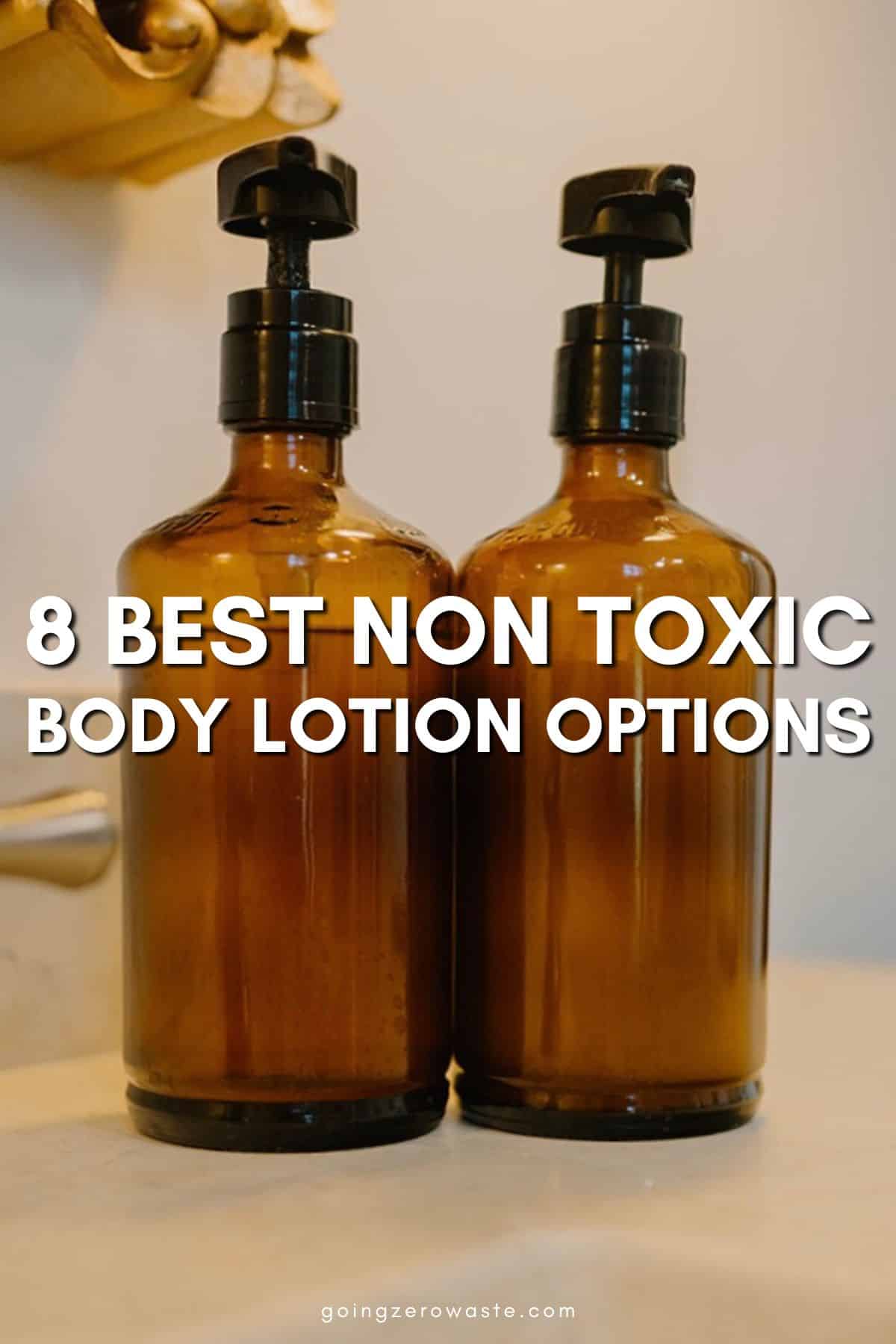
To understand the necessity of non-toxic alternatives, it is essential to examine the specific ingredients that have drawn scrutiny from toxicologists and environmental advocates. Industry watchdogs, such as the Environmental Working Group (EWG), have identified several categories of "ingredients of concern" that are prevalent in standard lotions.
Endocrine Disruptors: Parabens and Phthalates
Parabens, including methylparaben and propylparaben, are widely used as preservatives to prevent the growth of mold and bacteria. However, studies have indicated that parabens can mimic estrogen in the body, potentially disrupting the endocrine system. Similarly, phthalates are often used to increase the flexibility of plastics or as solvents in fragrances. Research has linked phthalate exposure to reproductive developmental issues and hormonal imbalances.
The "Fragrance" Loophole
One of the most contentious issues in cosmetic labeling is the use of the term "fragrance" or "parfum." Under current trade secret laws, companies are not required to disclose the specific chemical components of their scents. A single "fragrance" label can represent a mixture of dozens of synthetic chemicals, many of which are associated with allergic reactions, respiratory irritation, and dermatitis.
Petroleum Derivatives and Mineral Oils
Mineral oil and petrolatum are common occlusives used to lock moisture into the skin. While effective at preventing water loss, these petroleum byproducts are non-renewable resources. Furthermore, if not properly refined, they can contain polycyclic aromatic hydrocarbons (PAHs), which are classified as potential carcinogens. From an environmental perspective, mineral oils do not biodegrade easily and can contribute to long-term pollution in wastewater systems.
The Evolution of the Clean Beauty Market
The chronology of the clean beauty movement reveals a steady progression from niche health food store offerings to a dominant force in the multi-billion dollar beauty market. In the early 2010s, the rise of wellness culture and increased digital access to scientific databases empowered consumers to scrutinize labels. By 2020, major retailers began implementing their own "clean" standards, further legitimizing the movement.
According to market analysis, the global organic and natural personal care market is projected to reach significant heights by the end of the decade, driven by a compound annual growth rate that outpaces conventional beauty segments. This growth is supported by third-party certifications such as MADE SAFE and EWG Verified, which provide rigorous independent testing to ensure products are free from known behavioral toxins, carcinogens, and environmental hazards.

Leading Non-Toxic Lotion Brands and Innovations
As the demand for safer skincare grows, several brands have emerged as leaders in both ingredient safety and sustainable packaging. The following analysis highlights eight brands that have set industry benchmarks for non-toxic formulations.
1. Osea: Marine-Based Nutrition
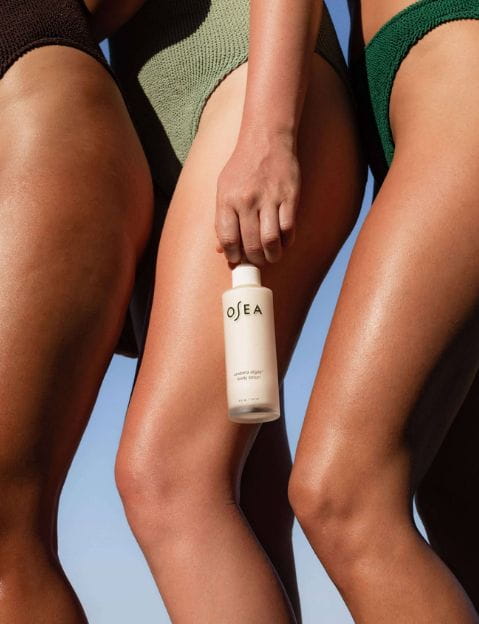
Osea has garnered a reputation for its commitment to "clean" luxury, utilizing bioavailable seaweed as a primary ingredient. Based in Malibu, California, the brand focuses on vegan and cruelty-free formulations. Their lotions are characterized by the absence of synthetic fragrances and the use of plant-derived essential oils. Osea is also notable for its use of glass packaging, which reduces the risk of chemical leaching associated with certain plastics.
2. Attitude: The Plastic-Free Pioneer
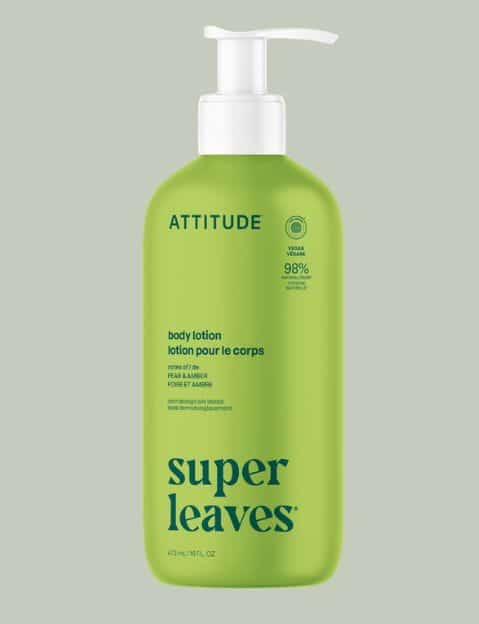
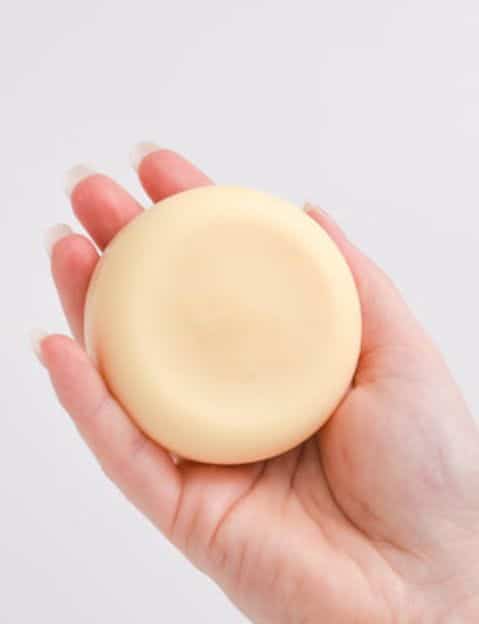
The Canadian brand Attitude has addressed both toxicity and the plastic crisis simultaneously. Their "Leaves Bar" line features solid, waterless lotions packaged in biodegradable cardboard tubes. By removing water from the formula, the brand eliminates the need for heavy preservatives and reduces the carbon footprint associated with shipping liquid products. Their liquid formulations are consistently EWG Verified, ensuring the highest level of transparency.
3. EcoRoots: Zero-Waste Minimalism
EcoRoots focuses on small-batch production and plastic-free shipping. Their body butters and lotions often rely on a minimalist list of organic ingredients, such as shea butter and coconut oil. This approach appeals to consumers with sensitive skin who require products with fewer potential allergens.
4. Public Goods: Accessible Sustainability
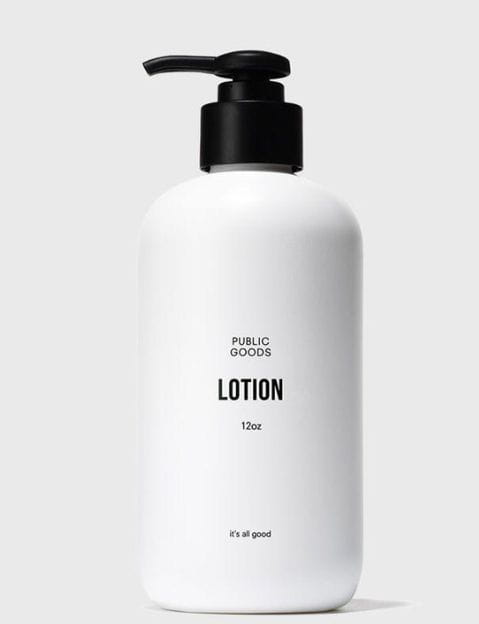
Public Goods operates on a membership model designed to make high-quality, non-toxic essentials more affordable. Their lotions utilize a blend of essential oils and plant-based cleansers, avoiding the "prestige pricing" often found in the clean beauty space. The brand emphasizes sleek, minimalist aesthetics and transparent sourcing.
5. Plaine Products: The Circular Economy Model
Plaine Products has revolutionized the industry through a subscription-based refill system. Customers receive their lotion in aluminum bottles; once empty, the bottles are returned to the company, cleaned, and refilled. This circular model virtually eliminates single-use plastic waste. Their formulas are vegan, non-GMO, and free from sulfates and parabens.
6. The Good Fill: Reducing Packaging Footprint
Based in Nashville, The Good Fill focuses on the "refill revolution." They offer unscented and naturally scented lotions that can be purchased in reusable containers or compostable pouches. Their focus on bulk purchasing and waste reduction makes them a favorite among zero-waste advocates.
7. Meow Meow Tweet: Ethical and Artistic Branding
Meow Meow Tweet is recognized for its whimsical illustrations and serious commitment to ethical sourcing. Their lotions are housed in glass or compostable paper packaging. The brand is particularly attentive to the "fair trade" aspect of its ingredients, ensuring that the botanical butters used in their products are sourced responsibly.
8. Upcircle: The Upcycling Movement
Upcircle takes a unique approach to skincare by "upcycling" ingredients that would otherwise go to waste, such as discarded coffee grounds or fruit stones. Their body creams incorporate these nutrient-rich byproducts, demonstrating how the beauty industry can contribute to a more sustainable food and agriculture system.
The Impact of Microplastics and Packaging
The transition to non-toxic lotion is not merely about the liquid inside the bottle; it is also a response to the global plastic crisis. Recent environmental studies have detected microplastics in human blood, lung tissue, and even placentas. The beauty industry produces an estimated 120 billion units of packaging annually, much of which is non-recyclable.
Furthermore, the presence of Endocrine Disrupting Chemicals (EDCs) in plastic containers—such as Bisphenol A (BPA)—can migrate into the lotion itself, especially when exposed to heat. By opting for glass, aluminum, or compostable paper, the brands listed above mitigate the risk of chemical migration and reduce the volume of plastic entering landfills and oceans.
Future Implications for the Beauty Industry
The proliferation of non-toxic skincare options suggests a permanent shift in the regulatory and commercial landscape. Industry analysts predict that "radical transparency" will become the new standard, forcing legacy brands to reformulate long-standing products to remain competitive.
As scientific understanding of the "exposome"—the measure of all the exposures of an individual in a lifetime and how those exposures relate to health—continues to evolve, the demand for "clean" products is expected to expand beyond niche markets into the mainstream. The rise of these eight brands represents more than a trend; it is a fundamental realignment of the relationship between consumer health, corporate responsibility, and environmental stewardship.
In conclusion, the movement toward non-toxic lotions is a multifaceted response to outdated regulations, environmental degradation, and a growing body of health research. By prioritizing ingredients like aloe vera, jojoba oil, and cocoa butter over synthetic substitutes, and by embracing innovative packaging solutions, these brands are providing a blueprint for a safer, more sustainable future in personal care. Consumers are no longer just buying a product for smooth skin; they are participating in a broader effort to reduce the chemical and plastic burden on the planet.
Related posts: